REVIEW · OSAKA
Private Day Tour of Historic Osaka
Book on Viator →Operated by Nara Guide · Bookable on Viator
Old Osaka, in one full day.
This private day tour of historic Osaka strings together four time periods—Shinto, early Buddhism, samurai-era power, and 1970s street nostalgia—using walking plus public transport so you get the city’s rhythm, not just a list of landmarks.
I especially like the way the route is structured for first-timers: Sumiyoshi-taisha, Shitennoji, Osaka Castle, then Shinsekai with Tsutenkaku, all in one efficient loop. I also like the guide’s role in making it make sense; one guide named Mouloud is noted for speaking English and French, with strong Japanese, and for giving clear explanations.
One thing to consider: you’ll need to budget extra time and money for admission tickets and lunch, since entry tickets aren’t included and lunch is listed as an extra cost.
In This Review
- Key highlights worth planning around
- How the 8-hour Osaka route really works
- Sumiyoshi Taisha: the 1,800-year start you can feel
- Shitennoji Temple: seeing Buddhism’s arrival in Japan
- Osaka Castle: samurai-era power, told in context
- Shinsekai and Tsutenkaku: the 1970s throwback side of Osaka
- Price and value: what the $220.96 really covers
- The practical stuff that keeps the day smooth
- Who this private Historic Osaka tour fits best
- Should you book this private day tour of Historic Osaka?
- FAQ
- Where do we meet for the tour?
- What time does the tour start?
- How long is the private tour?
- Is this a private tour?
- What are the main stops during the day?
- Are admission tickets included?
- Is lunch included?
- What about local transportation costs?
- Does the guide speak more than one language?
- How flexible is cancellation?
- Is the tour physically demanding, and are service animals allowed?
Key highlights worth planning around
- A tight 8-hour circuit: four major stops across multiple eras, with enough time at each to actually look around
- Historic depth, not museum vibes: shrine, temple, castle, and street district all teach different parts of Osaka
- Tsutenkaku in Shinsekai: you’ll see the famous tower and get a feel for that retro 1970s atmosphere
- Guide support that goes beyond dates: explanations can be offered in English, and French has been reported
- Mobile ticket convenience: handy for getting set up day-of
- Group discounts available: pricing gets easier to swallow if you’re traveling as a group
How the 8-hour Osaka route really works
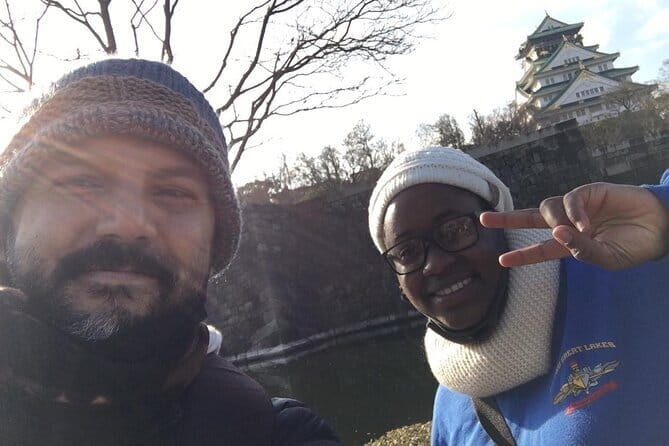
This is a private tour, so you and your group travel together without mixing with strangers. You start at 9:00 am at Tennojiekimae Station (1 Chome-5 Abenosuji, Abeno Ward) and end in Shinsekai at Magic Cafe & Bar Shinsekai (3-chōme-2-27 Ebisuhigashi, Naniwa Ward).
The day is built around walking and public transport, which is great if you want to see how Osaka moves between neighborhoods. It’s also why the tour is listed with a moderate physical fitness level—expect time on your feet during the transfers and at each stop. Plan for a steady pace more than a slow museum day.
Budget matters here. The tour price is $220.96 per person, but admission tickets aren’t included at the major stops, and lunch and local transport are separate costs (with lunch listed around 2,500 JPY per person and transport around 2,000 JPY per person per day).
You can also read our reviews of more private tours in Osaka

Sumiyoshi Taisha: the 1,800-year start you can feel
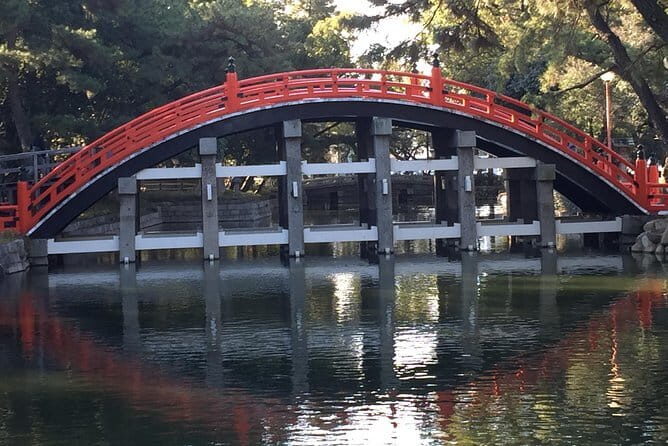
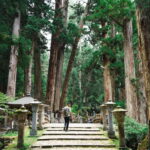
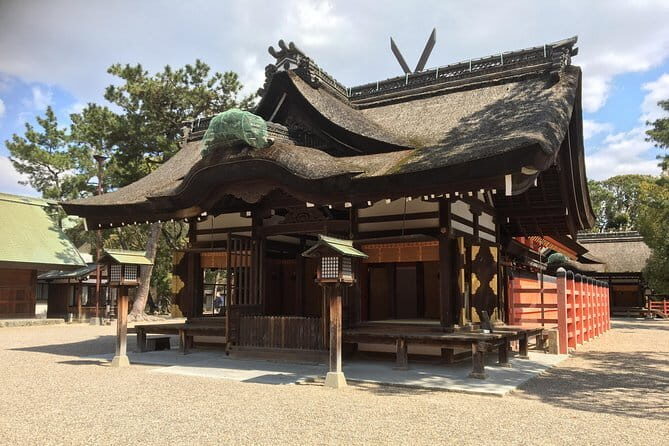
You kick off at Sumiyoshi Taisha Shrine, a major Shinto shrine dating back to 211, with about 1,800 years of history. Two hours is a smart amount of time here because shrines are not just about “seeing a gate.” You’ll want a little breathing room to notice how the architecture and grounds create a different mood than the modern city streets around them.
What makes this first stop especially valuable is perspective. Starting at one of the oldest Shinto shrines helps you understand Osaka’s spiritual layer before you shift into temple history, castle power, and later neighborhood culture. It’s an easy way to stop Osaka from feeling like only shopping streets and food alleys.
Admission isn’t included for this stop, so think of your first budget item as the shrine ticket. If you’re the type who likes quiet moments, this is also a good place to slow down before the day gets more active.
Shitennoji Temple: seeing Buddhism’s arrival in Japan
Next comes Shitennoji Temple, dating to 593. This stop is a big deal for history lovers because it represents one of the earliest eras of Buddhism taking hold in Japan. You get about one hour, which fits well here: enough time to take in the temple setting and understand what the site symbolizes without turning it into a long detour.
This is also a “why it matters” kind of stop. When you’re done, you’ll be better equipped to connect later Osaka history—especially how religious and political power often overlap in Japan—without needing to do extra homework.
As with the shrine, admission ticket costs are not included. So if you hate surprises, check your totals early and make sure you have cash or a plan for ticket payment.
Osaka Castle: samurai-era power, told in context
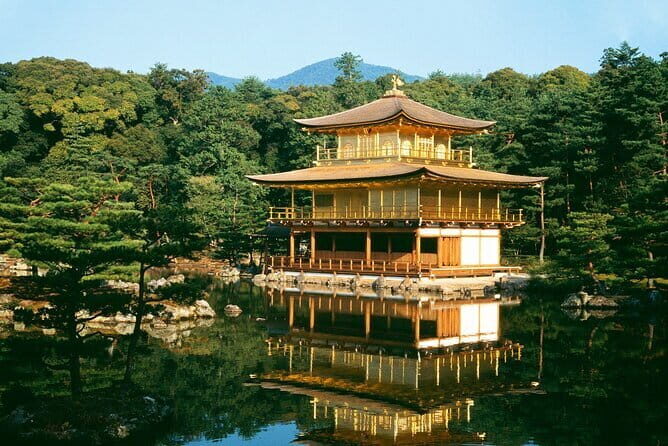
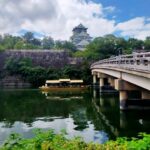
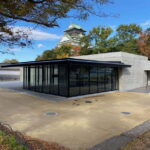
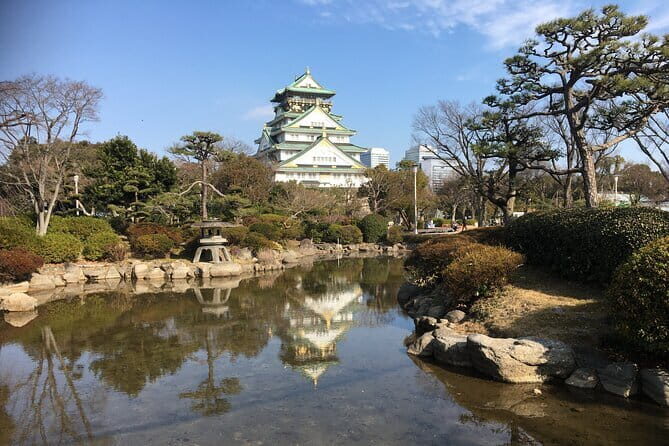
Then you move to Osaka Castle, a late 16th-century stronghold that was rebuilt in 1931 after earlier troubles. The tour gives you about two hours here, which is a good match: castle grounds and the surrounding story take time, and you’ll want space to orient yourself and take in the scale.
The key value of a guided visit at a place like this is context. A castle is easy to reduce to “big building,” but the best guides connect it to samurai-era politics and the way Osaka developed its reputation for strength and influence. Even if you’re not a hardcore feudal-history person, the castle is where you’ll start seeing Osaka as a city with historical stakes, not just a place to eat.
Admission isn’t included for the castle as well. So budget for tickets and plan your day so your interest level stays high even if the entry process takes a little time.
Shinsekai and Tsutenkaku: the 1970s throwback side of Osaka
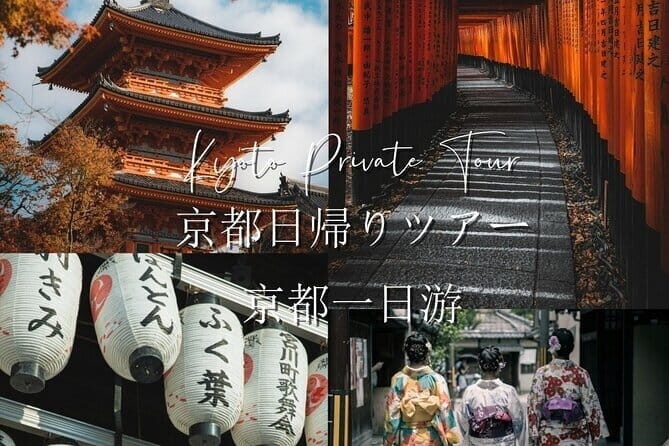
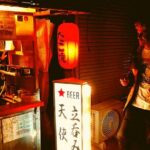
Your last main stop is Shinsekai, the district known for its Tsutenkaku tower and that memorable retro atmosphere inspired by the 1970s. You get about one hour—enough time to walk, photograph, and feel the shift in vibe from formal history sites to street-level Osaka.
This is where the tour becomes more than history. Shinsekai gives you contrast: Osaka isn’t only ancient shrines and castles. It also has a playful side that remembers its own popular culture. Even if you’ve never cared about the term retro before, you’ll feel it in the atmosphere and signage style.
As with earlier stops, admission tickets aren’t included for Shinsekai. That’s helpful because it keeps the last hour flexible and more spontaneous.
Also note the practical ending point: the tour finishes near Magic Cafe & Bar Shinsekai. If you want a low-stress final stop for snacks or a drink after walking all day, you’ll already be in the right neighborhood.
You can also read our reviews of more historical tours in Osaka


Price and value: what the $220.96 really covers
At $220.96 per person for an 8-hour private experience, the cost can look steep—until you break down what you’re actually buying.
You’re paying for a guide-led route that:
- handles a full day’s worth of coordination across multiple neighborhoods
- gives structured time at each major site
- uses public transport and walking efficiently instead of making you figure it all out alone
- includes guide fees, which is the core of why you’re paying this rate
Then you handle the extras. From the tour details, you should expect:
- Lunch around 2,500 JPY per person
- Local transport around 2,000 JPY per person/day
- Admission tickets not included for the shrine, temple, and castle
So the best way to judge value is this: if you want Osaka history without the planning headache—timing, transit, and “what am I looking at?”—a private guided loop can be a bargain compared to spending your whole day trying to build your own route.
If you already know what you want to see and you’re comfortable navigating independently, you may feel the price more sharply. But for first-timers or for people who want an efficient outline of Osaka’s key eras, this format usually pays off.
The practical stuff that keeps the day smooth
A smart day like this runs on small planning choices.
Tickets and lunch: Admission tickets aren’t included at each listed stop, and lunch is specifically listed as extra. I’d treat this as a “budget day” from the start so you aren’t recalculating mid-tour.
Timing: The stop durations add up to about 6 hours on-site (2 + 1 + 2 + 1). That leaves roughly 2 hours for transit, getting oriented, and any time adjustments. If you’re someone who likes frequent long breaks, the schedule may feel tight.
Walking comfort: The tour says a moderate fitness level is recommended. You don’t need to be an athlete, but you should expect a full day outdoors and on transit legs.
Language support: One guide named Mouloud was highlighted for speaking English and French in addition to Japanese. That’s a big plus if you want explanations that land clearly, not just a quick photo stop.
Who this private Historic Osaka tour fits best
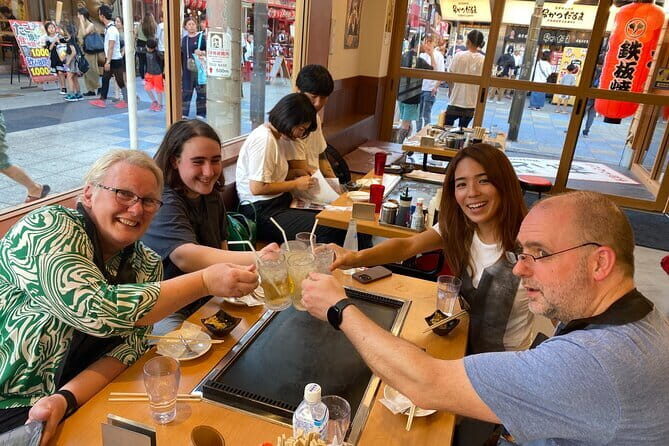
This tour is a strong match for:
- first-time visitors who want Osaka’s “big ideas” in one organized day
- history-minded travelers who like chronological movement: shrine → temple → castle → street district
- people who prefer public transport and walking rather than private car sightseeing
It’s also a good option if you’re traveling with a group that can use group discounts—because private tours can be more affordable when split.
If you’re mainly chasing food or shopping and you want lots of free time off-script, you might prefer a shorter tour or a flexible itinerary. But if you want the city’s main historical threads tied together, this format does that job.
Should you book this private day tour of Historic Osaka?
Yes, I’d book it if you want a guided, efficient day that connects Osaka’s major historic layers without you having to plan every transit move. The mix of Sumiyoshi-taisha, Shitennoji, Osaka Castle, and Shinsekai/Tsutenkaku is a smart way to see how the city’s identity shifts across time.
Just go in with the right expectations: budget for admission tickets, lunch, and local transport, and be ready for a full 8-hour day with a moderate walking pace. If that sounds good, this tour is one of the easiest ways to get your bearings fast and leave with a real sense of what Osaka is, beyond surface-level sightseeing.
FAQ
Where do we meet for the tour?
The tour starts at Tennojiekimae Station, located at 1 Chome-5 Abenosuji, Abeno Ward, Osaka.
What time does the tour start?
It starts at 9:00 am.
How long is the private tour?
It lasts about 8 hours.
Is this a private tour?
Yes. It’s private, and only your group participates.
What are the main stops during the day?
The tour visits Sumiyoshi Taisha Shrine, Shitennoji Temple, Osaka Castle, and the Shinsekai district.
Are admission tickets included?
No. Admission tickets are not included for the listed stops.
Is lunch included?
Lunch is not included. It’s listed as approximately 2,500 JPY per person.
What about local transportation costs?
Local transport is not included and is listed as approximately 2,000 JPY per person per day.
Does the guide speak more than one language?
The provided information includes an example of a guide named Mouloud speaking English and French, along with Japanese.
How flexible is cancellation?
Cancellation is free up to 24 hours in advance for a full refund.
Is the tour physically demanding, and are service animals allowed?
The tour is listed as suitable for travelers with moderate physical fitness. Service animals are allowed.