REVIEW · OSAKA
Osaka: Castle History Walking Tour / Castle Tower Admission
Book on GetYourGuide →Operated by Local Guide Stars · Bookable on GetYourGuide
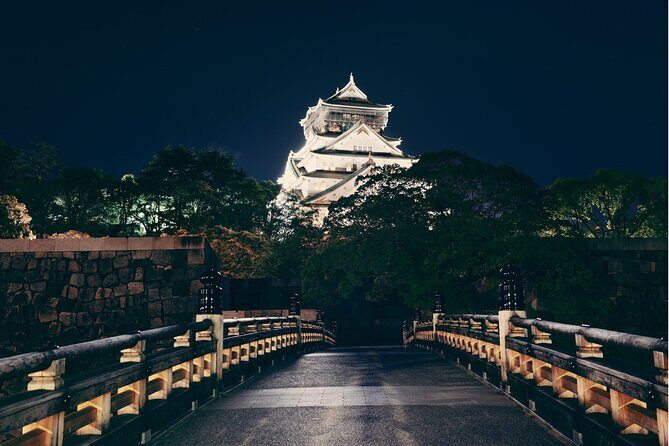
Osaka Castle is smarter than it looks. This 90-minute guided history walk turns the grounds into a real defense lesson, and you get skip-the-line tower access so you’re not stuck in the slow bits.
I also like the way the guide makes small, physical details matter, like the castle’s military design and how people moved that massive stone. One watch-out: at $33 and 90 minutes, you’ll still want to plan a bit of extra time if you want to linger on the museum floors.
In This Review
- Key highlights to expect
- Where you start matters: Lawson meet-up and a smooth castle day
- Skip-the-line tower access: what it gets you (and what it doesn’t)
- Outer moats and layered defenses: how Osaka Castle slowed attackers
- The zigzag kill paths: one walk you can actually visualize
- Spotting craftsmanship: largest stone, hidden marks, and transport in the 1500s
- Hokoku Shrine: a brief guided stop that fits the castle setting
- Inside the tower: command post thinking and the city view payoff
- How an “invincible” fortress fell in 1614–1615
- Price and value: is $33 fair for 90 minutes?
- Who this tour suits best (and who might want a different plan)
- Final call: should you book this Osaka Castle history walking tour?
- FAQ
- How long is the tour?
- How much does it cost?
- What’s included in the price?
- Where do I meet the guide?
- Is the tour in English?
- Can I get a refund if my plans change?
Key highlights to expect
- Skip-the-line entry to the Osaka Castle tower through a separate entrance
- City views from the top, timed so it feels like a payoff, not a rush
- Moats, gates, and masugata traps explained in plain language
- Zigzag kill routes showing how attackers were meant to be slowed and split
- The castle’s largest stone plus the 16th-century transport story
Where you start matters: Lawson meet-up and a smooth castle day
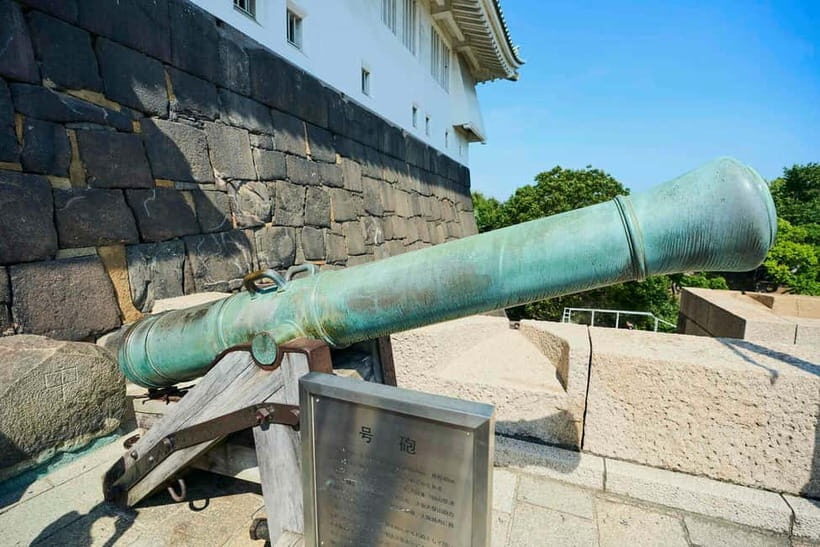
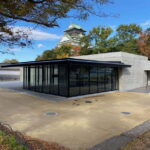
I’m a big fan of tours that start where you can actually find them. Here, you meet in front of the Lawson S Otemae Rest House Store. There are multiple Lawson locations nearby, so I’d treat this as a map-first moment and double-check Google Maps before you walk up.
Look for the Local Guide Stars sign. That little detail can save you from that awkward moment of trying to figure out which group is yours while everyone else is already moving.
The tour is designed for a short, focused loop: 90 minutes total with 75 minutes of guided time, plus time for a photo stop and some self-guided exploring inside the castle area after.
You can also read our reviews of more walking tours in Osaka



Skip-the-line tower access: what it gets you (and what it doesn’t)
You’re paying for two things here: a guide who explains what you’re looking at, and a tower admission ticket that helps you get inside without the worst line. The activity is clear that the skip is through a separate entrance, which is exactly the kind of small advantage that can change the mood of a day.
What it doesn’t promise: a full, guided tour of every museum floor. The ticket includes admission, but the guided portion focuses on the big defense story and key viewing points. If you’re the type who loves reading every plaque at length, plan to spend extra time after the guided walk.
Still, for most people, skip-the-line tower access plus an expert explanation is the sweet spot. It turns Osaka Castle from an impressive photo location into a place you understand.
Outer moats and layered defenses: how Osaka Castle slowed attackers

The tour’s main engine is the idea that this wasn’t built just to impress. It was built to delay, divide, and exhaust an attacking force.
You start by walking through the outer defense zones, where the guide points out the logic behind features that might look decorative to the untrained eye. You’ll see the castle’s triple moats, then move into multi-layered gates and masugata entrances—that distinctive style that forces people to enter in a way that keeps defenders in control.
Here’s what I love about this approach: instead of just naming parts of the fortress, you learn why they mattered. You’ll get a clear picture of how the layout could trap invaders and break their momentum, even before anyone reached the inner walls.
And yes, you’ll be walking. But the walking has a job: each step helps you connect the ground plan with the tactics behind it.
The zigzag kill paths: one walk you can actually visualize
One of the tour’s best tricks is teaching you to “read” the route. Attackers didn’t move straight in like a video game character. They were funneled into zigzagging paths designed to keep them exposed and disoriented.
As you follow these historical routes, the guide explains how wall positions, angles, and stonework supported defenders. You’ll also learn that the walls weren’t meant to be an easy climb—stone choices and construction details were part of the defense system.
If you’ve ever toured castles where everything felt like a label hunt, this is the opposite. The fortress becomes a strategy lesson you can physically trace.
Spotting craftsmanship: largest stone, hidden marks, and transport in the 1500s
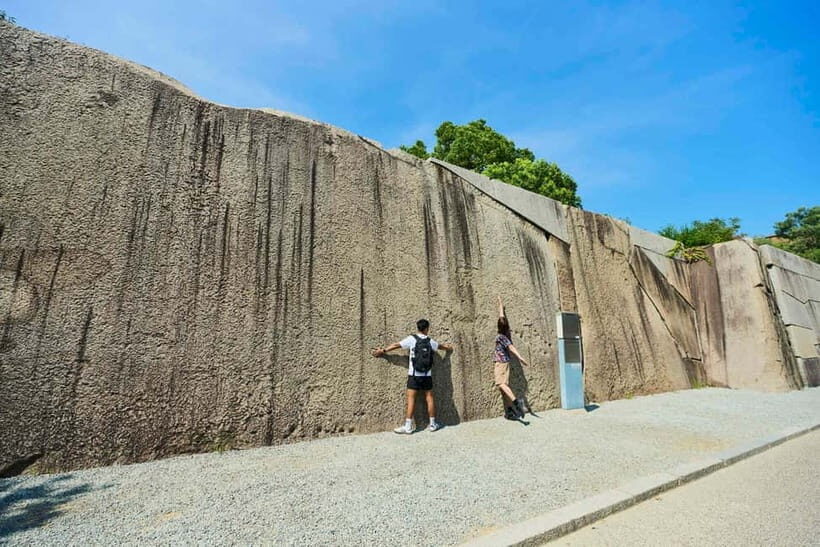
This is where the tour gets wonderfully specific. You’ll see the castle’s largest stone and learn how they managed the heavy lift in the 16th century—including the transport methods the builders used.
You’ll also hear about hidden stone marks left by master craftsmen. Those small marks are the kind of detail most people miss, even when they’re standing right in front of the wall. With the guide pointing them out, the stonework starts to feel human: you’re looking at the work of people solving real engineering problems.
Then you get a quick education in the “climb-proof” logic: wall angles and masonry were designed to resist assault. It’s not just about height. It’s about geometry, friction, and how the defenders could keep attackers under pressure.
This section is especially good value because it gives you something you can’t get from a quick self-guided photo stop. You leave with explanations for why the castle looks the way it does.
You can also read our reviews of more historical tours in Osaka






Hokoku Shrine: a brief guided stop that fits the castle setting
Between the defense zones and the tower, there’s a guided visit to Hokoku Shrine (about 20 minutes). It’s a short stop, but it adds a different lens to the day.
Instead of keeping everything purely military, this pause helps you understand the castle complex as a living cultural space, not just a battlefield diagram. You get a more complete sense of how Osaka Castle’s story connects to later religious and ceremonial life.
It’s also a good pacing tool. By the time you’re back in walking mode toward the tower, you’re ready to focus again instead of feeling museum-fatigued.
Inside the tower: command post thinking and the city view payoff
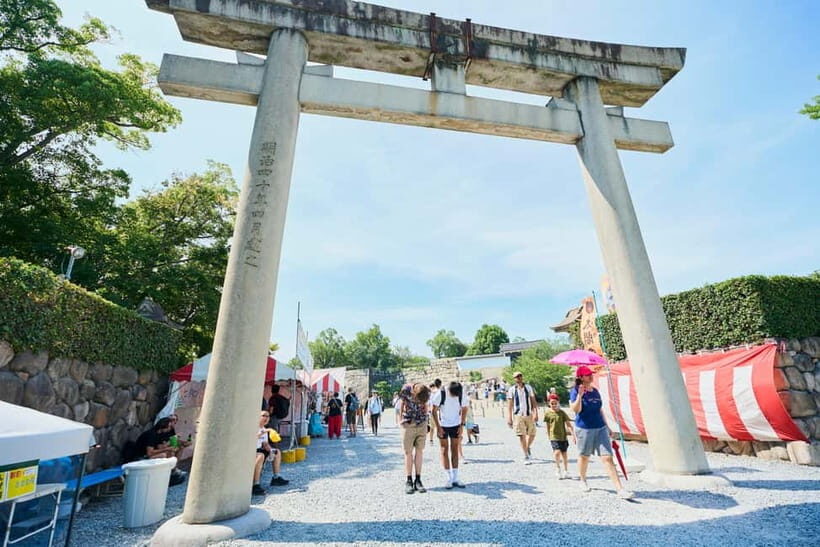
The tour’s final stretch reframes what you’re seeing as the tower’s role as command post and last defense. You’ll look for defensive elements like arrow slits and gun ports, then hear how space and sightlines helped defenders.
One of the more interesting details is the use of gold as psychological warfare. Even if you don’t go full history-geek mode, that idea sticks. It’s a reminder that medieval and early modern warfare wasn’t only steel and stone. It was also morale, spectacle, and fear.
Then comes the part most people came for: the view. From the top, you get a real city panorama—flat-out useful for orienting yourself in Osaka. It also works as a reward at the end of the walking-heavy explanation, so it doesn’t feel like the best part is somewhere in the middle.
How an “invincible” fortress fell in 1614–1615
The last historical thread ties the architecture to the real political drama. The guide explains how Osaka Castle—so often described as near impossible to take—ultimately fell during 1614–1615.
What makes that story worth hearing is the cause. The castle becomes a symbol caught between Toyotomi Hideyoshi’s legacy and Tokugawa Ieyasu’s ambition. In other words, the fortress wasn’t just about tactics. It was about power.
When you understand that, the whole day clicks: moats and walls become part of a much bigger story about who controlled Japan next and why it mattered to ordinary people too.
Price and value: is $33 fair for 90 minutes?
At $33 per person for about 90 minutes, this isn’t a bargain tour. But it also isn’t overpriced for what you get.
You’re paying for:
- Professional English-speaking guidance during the core walking portion
- Osaka Castle tower admission
- Skip-the-line entry through a separate entrance
For value, the key is this: Osaka Castle is big, and the details are easy to miss if you go solo. A guide helps you see the moats, gates, and stonework as a system instead of random impressive walls. And the skip-the-line access protects your time, which is the most expensive resource on a trip.
If you’re the kind of visitor who reads signs and likes to understand how a place works, $33 feels fair fast. If you mainly want photos and don’t care about explanation, you may feel it’s less worth it.
Who this tour suits best (and who might want a different plan)
This fits best if you:
- like military architecture and practical design
- want a guided explanation without a full-day commitment
- enjoy learning in the real place, not just from a museum label
It also works well for groups with mixed ages because the pacing is built around stops, photos, and explanation. From the different guide styles you may see with guides such as Saya, Mao, Spike, Yuta, Kaz, Ken, Soy, and Ami, the common theme is that they keep the story clear and move the group at a comfortable pace.
If you’re mostly after quiet wandering and reading everything at your own speed, you might prefer a self-guided plan and spend your time on museum floors longer than the guided focus allows.
Final call: should you book this Osaka Castle history walking tour?
I’d book it if you want the quickest way to turn Osaka Castle from impressive into understood. The skip-the-line tower entry plus the explanation of moats, masugata gates, zigzag kill routes, and defensive architecture is exactly the kind of “small time investment, big clarity gain” experience that makes a trip feel efficient.
I’d skip booking only if you’re laser-focused on museum-only time, because the guided component doesn’t cover every floor. But if you want the fortress logic and the city-view payoff in one clean package, this is an easy yes.
FAQ
How long is the tour?
The tour runs for 90 minutes total, with 75 minutes of guided time.
How much does it cost?
It costs $33 per person.
What’s included in the price?
You get Osaka Castle tower admission and a professional English-speaking guide.
Where do I meet the guide?
Meet in front of the Lawson S Otemae Rest House Store, and look for the Local Guide Stars sign. Since there are multiple Lawson locations, check the correct one on Google Maps.
Is the tour in English?
Yes, the guide is English-speaking.
Can I get a refund if my plans change?
Yes. You can cancel up to 24 hours in advance for a full refund.