REVIEW · OSAKA
Osaka: Kyoto & Nara & Uji Historical and Scenic One-Day Tour
Book on GetYourGuide →Operated by Japan Visionary Tour · Bookable on GetYourGuide
Torii in the morning, deer at noon. This one-day tour stitches together Nara Park, Tōdai-ji, and Uji’s matcha culture with smooth bus logistics and an English-speaking guide.
I like two things most: the guide’s clear, funny explanations that help you understand what you’re looking at, and the fact you actually get time for matcha and the long walk through Fushimi Inari Taisha.
The trade-off is pacing. You’ll be on the road a lot, and the big stops move quickly, so don’t expect a slow, relaxed day at every site.
In This Review
- Key things to notice before you go
- One day across Nara, Kyoto, and Uji: what that pace really means
- Nara Park deer time: cute, close, and still wild
- Tōdai-ji in 30 minutes: the Great Buddha hit, no waiting-for-forever energy
- Uji River and Murasaki Shikibu: where the day starts to smell like tea
- Byōdō-in Temple: tranquility and solemnity, with real iconic weight
- Uji matcha food street: tasting time that actually matters
- Fushimi Inari Taisha: the torii corridor walk you’ll feel in your legs
- Price and value: why $56 can work, and what can quietly add up
- The guide experience: clarity, humor, and quick coordination
- Who this tour suits best (and who should skip it)
- Should you book this one-day Osaka to Kyoto to Nara and Uji tour?
- FAQ
- How long is the Osaka, Kyoto, Nara and Uji one-day tour?
- Is transportation included?
- Are admission tickets included for Tōdai-ji and Byōdō-in?
- What languages will the guide speak?
- Is pickup available, and where do I meet the guide?
- What should I bring for the day?
- Is there any walking involved?
- Do we feed the deer in Nara Park?
- Is the tour suitable for wheelchair users or animal allergies?
- Is smoking allowed?
Key things to notice before you go
- Nara deer, on a schedule: You get a short block to feed and photograph them, with safety rules from the guide.
- Tōdai-ji in 30 minutes: A tight visit to the Great Buddha (Vairocana) when you want the impact without the all-day commitment.
- Uji matcha culture beyond a snack: Uji River time plus Byōdō-in and a chance to taste matcha treats.
- Murasaki Shikibu stop: A brief cultural pause that adds context to Uji, not just tea shopping.
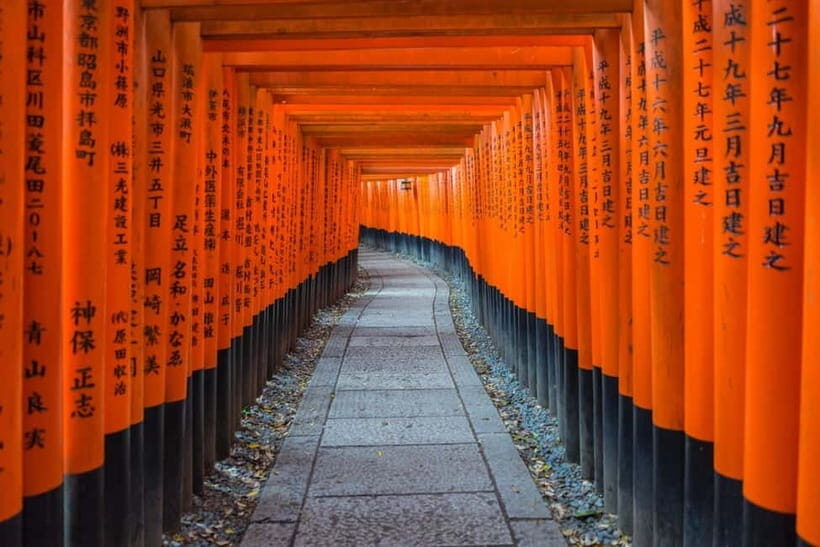
- 70-minute torii walk at Fushimi Inari: Enough time to enjoy the corridor, but still a moderate trek.
One day across Nara, Kyoto, and Uji: what that pace really means
This tour is built for people who want the headlines of the Kansai region in a single day: Nara’s deer-and-temple vibe, Uji’s matcha identity, and Kyoto’s Fushimi Inari torii corridor. The total day runs about 8 to 10 hours, and the transportation is handled by an air-conditioned vehicle with toll, parking, and fuel included. That matters, because it reduces your stress level. You’re not bouncing between stations with bags and wrong turns.
Still, it’s a long day. You’re moving between distinct areas, so the time at each place is intentionally limited. If you’re the type who likes to sit for a while, drift through side streets, and take your time with temples, you’ll feel the schedule. If you’re okay with “see the key sights, then walk away with a strong sense of the place,” it works well.
Also, a good note for your expectations: admission to Tōdai-ji and Byōdō-in is not included, and meals aren’t included either. So you’ll want a bit of cash/card for entry and a plan for hunger.
You can also read our reviews of more historical tours in Osaka


Nara Park deer time: cute, close, and still wild
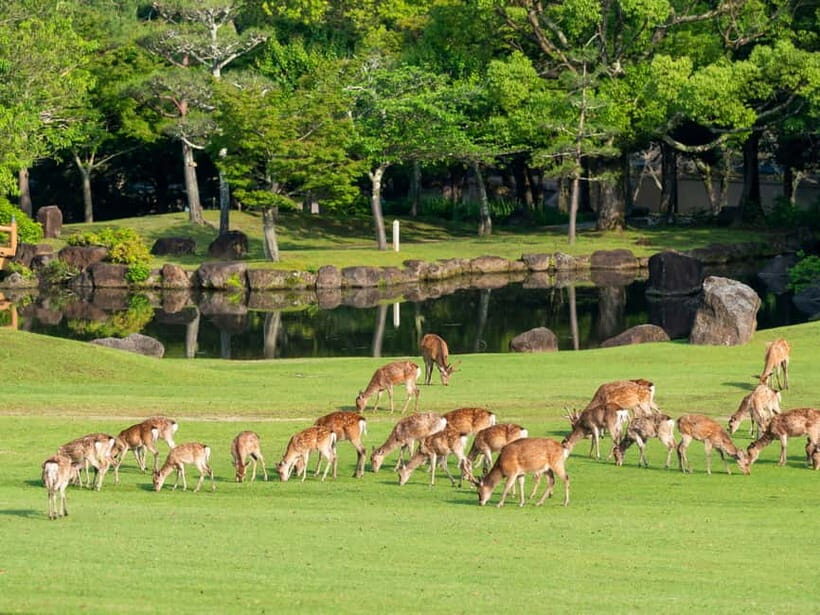
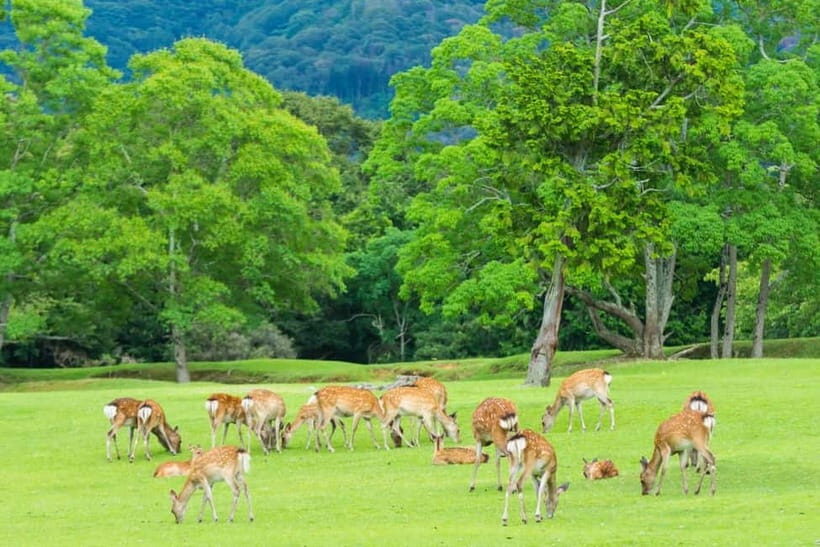
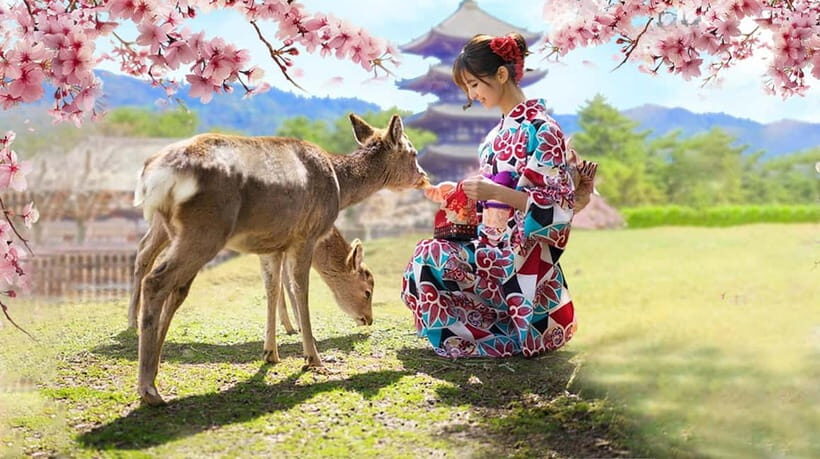
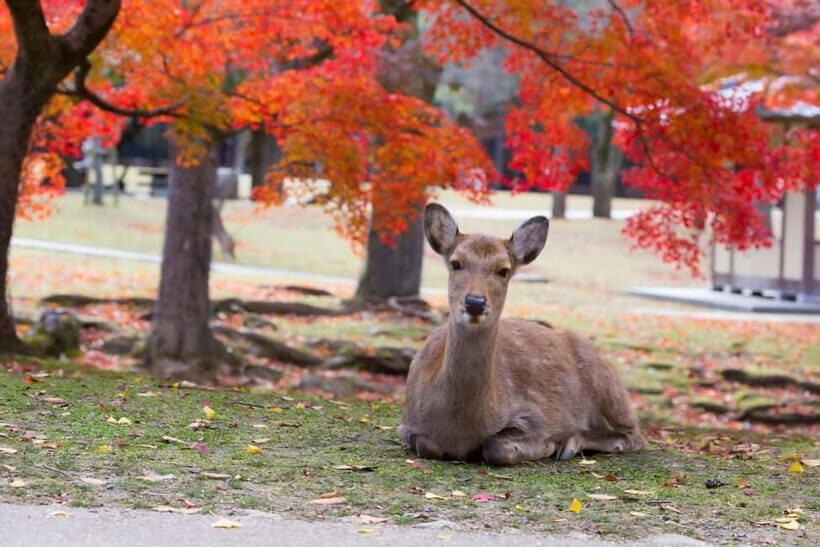
Nara Park is where the tour earns its instant wow factor. You get about 45 minutes of free time and sightseeing, which is enough to do the basics: find a good spot, feed the deer, and grab photos without feeling rushed to the point of chaos.
A key detail: the deer are wild animals. The tour expects you to follow the guide’s feeding instructions. That’s not just for etiquette—it’s also how you avoid getting too close in the wrong way. If you have an animal allergy, this is not the right fit for you.
Quick practical tip: bring a little water and keep your hands calm. Deer are fast movers, and they can get curious in the snack zone. Comfortable shoes matter too; you’ll be walking around to line up a view.
Tōdai-ji in 30 minutes: the Great Buddha hit, no waiting-for-forever energy
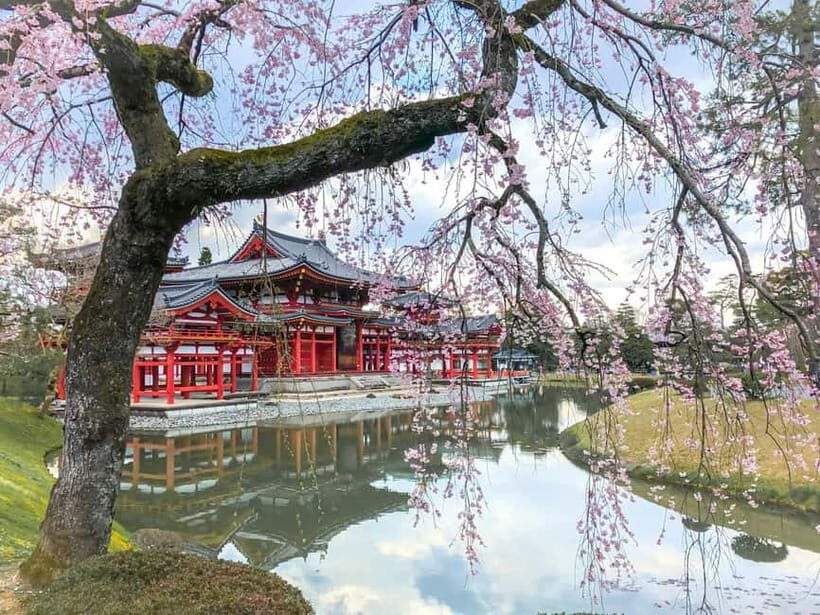
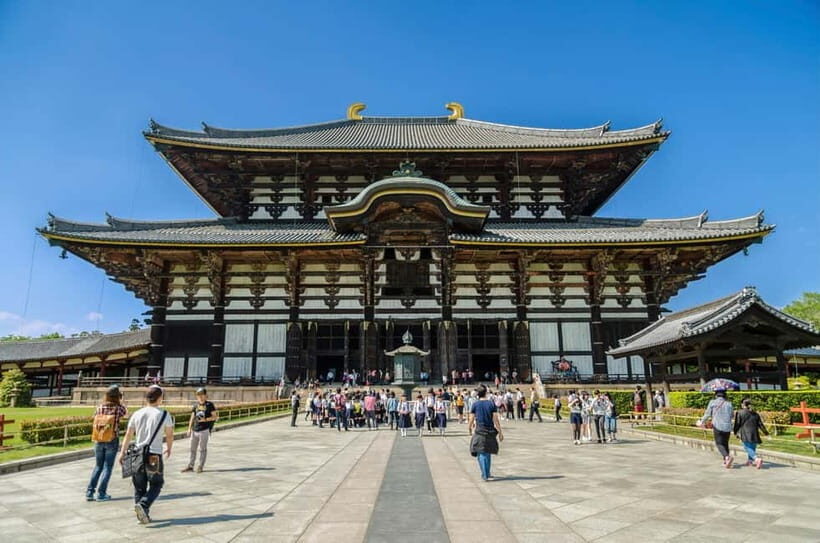
At Tōdai-ji, you get about 30 minutes. That’s short, but it’s also smart. This is one of those temples where the main wow is immediate, and the photos you take won’t do the size justice later—so the short time is a feature, not a bug.
The centerpiece is the Vairocana Buddha, a huge bronze statue that you’ll see inside the temple complex. The experience is described as a pilgrimage-style stop for appreciating Buddhist treasures, and that’s a good way to frame it. You’re not touring for hours collecting facts. You’re getting a concentrated dose of scale, art, and atmosphere.
One consideration: admission isn’t included, so budget for that. Also, if the timing of your day includes crowds, you might wish you had even more time at the grounds. But if you want the core icon without turning the day into a full temple marathon, this is a reasonable stop.
Uji River and Murasaki Shikibu: where the day starts to smell like tea
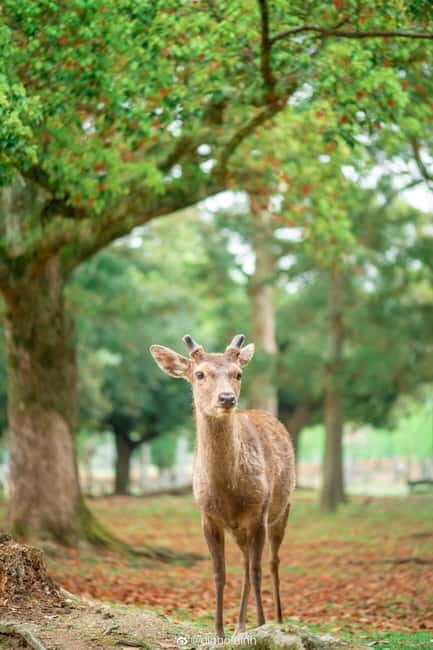
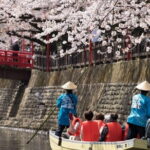
After Nara and its deer-energy, the tour shifts into a calmer mood in Uji. You’ll spend about 2 hours in the area, including time for sightseeing around Uji River and stops like the Statue of Murasaki Shikibu.
Uji is famous for matcha, but the tour approach goes beyond “buy dessert, go.” The river walk helps you slow down mentally, even if the schedule stays tight. You also get a cultural beat from the Murasaki Shikibu statue, which gives you a little literary/history context so the tea theme feels less like a marketing stop and more like part of a place’s identity.
If you like photos, the Uji River area is the kind of setting where you can take a breath between bus legs. And if you’re sensitive to fast pacing, this portion can feel like a reset.
Byōdō-in Temple: tranquility and solemnity, with real iconic weight
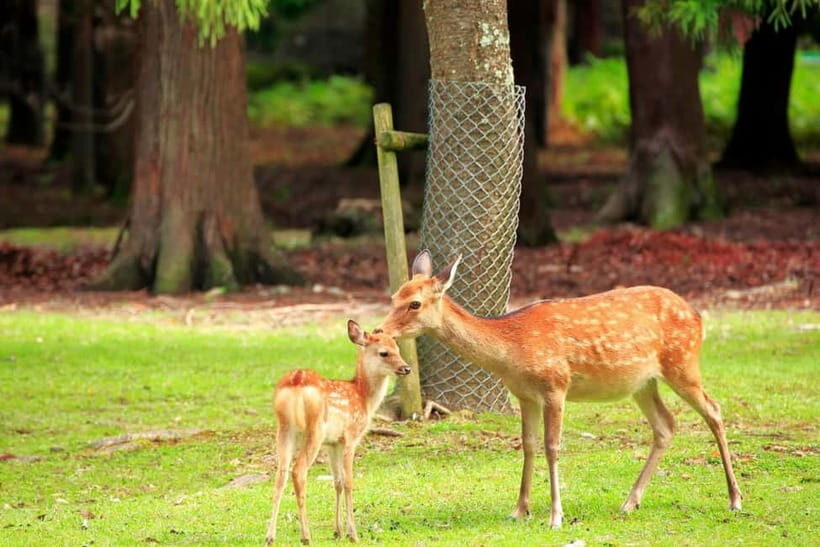
The tour includes a visit to Byōdō-in Temple, described as a place to feel tranquility and solemnity. It’s paired with Uji’s sightseeing, so you’re not just standing in a line and moving on. You’re meant to experience the quieter tone of this stop.
Admission to Byōdō-in isn’t included, so again, plan for the extra cost. Time is also limited, so if you arrive with zero patience for crowds or you need long breaks between sites, this might feel rushed. But if you’re looking for that classic Kyoto-area temple atmosphere, you’ll likely appreciate the contrast after Nara’s playful chaos.




Uji matcha food street: tasting time that actually matters
This is where the tour is practical. In Uji, you’ll have time at Uji Matcha Food Street to taste authentic matcha desserts. The idea isn’t only to say you tried matcha—it’s to get a sense of how matcha is used in real foods and how it can taste mellow rather than bitter.
The tour also mentions a connection to traditional tea ceremony charm. Even if you aren’t sitting through a full ceremony, tasting stations tend to give you a quick, understandable introduction to flavors, sweetness levels, and that signature matcha depth.
My advice: decide what you want first. If you wander without a plan, you can end up buying two or three similar desserts and feeling full with not much variety. If you love matcha, you’ll be happy with multiple tastings. If you’re “maybe I’ll try it,” pick one thing that sounds clearly different—dessert plus something else, not three versions of the same cake.
Fushimi Inari Taisha: the torii corridor walk you’ll feel in your legs
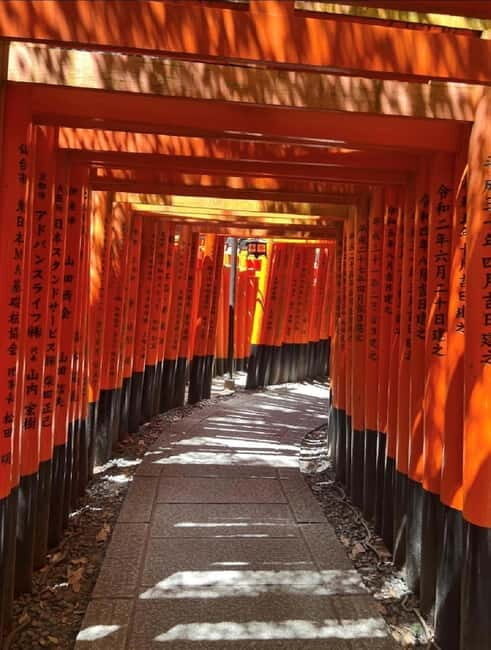
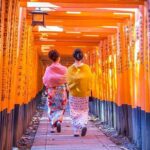
The highlight for many people is Fushimi Inari Taisha, and this tour gives you a serious chunk of time: about 70 minutes including a walk, photo stop, and free time. The big visual here is the thousand torii gates forming a corridor.
This is one of those places where timing changes your mood. Sunlight streaming through the gaps makes the walk feel magical, but you’ll also want to be careful where you step. Torii trails can be uneven, and you’ll likely be walking uphill or through stair-like sections depending on the path flow.
Because you only have about 70 minutes, you should choose your comfort level early:
- If you want maximum photos, go at a steady pace and aim for the most iconic corridor view first.
- If you want the best “I’m inside the gates” feeling, keep walking until the torii rhythm and shadows start to look different from the entrance area.
Comfortable shoes aren’t optional here. The day already has walking built in, and Inari adds more.
Price and value: why $56 can work, and what can quietly add up
At $56 per person, this tour can be a good deal if you value convenience and guided context. You’re paying for:
- an English-speaking guide
- round-trip transportation by air-conditioned vehicle
- tolls, parking fees, and fuel fees
That takes away the biggest hassle of day trips: figuring out transportation between Osaka, Kyoto, Nara, and Uji.
But the math doesn’t stop at the sticker price. Admission to Tōdai-ji and Byōdō-in is not included, and meals aren’t included. So your final spend will rise. If you’re already used to paying for temple entries, this won’t shock you. If you hate surprise costs, you should check your budget early.
Also remember: the tour is described as moderate walking and not suitable for wheelchair users. That’s relevant to value. If you can’t comfortably walk the planned routes, you might end up feeling like you paid for movement you can’t enjoy.
The guide experience: clarity, humor, and quick coordination
One of the strengths that shows up again and again is how the tour guide handles the day. Some guides are praised for being humorous, vivid, and detailed, which matters because the sights have so much cultural and visual information. When you understand what you’re seeing—like what the Great Buddha represents, or why the torii feel so symbolic—the time you spend there feels more meaningful.
There’s also a practical coordination angle. One guide used WhatsApp to stay connected with the group during the trip, which can help when you’re moving between stops and the schedule gets tight. I like that because it reduces confusion and makes it easier to find your group if something changes on the road.
One name you may hear is Mia, who’s described as knowledgeable and helpful with local shopping tips.
Who this tour suits best (and who should skip it)
This tour is a good match for you if:
- you want a single-day route that hits Nara, Uji, and Kyoto icons
- you like having a guide to explain what matters, especially for temples and shrine culture
- you’re comfortable with moderate walking and photo stops
You might want to skip it if:
- you need long stays at each attraction (this day is built for highlights, not slow soaking)
- you have animal allergies or you’re very uncomfortable around wild deer
- you rely on wheelchair access (the tour is not suitable for wheelchair users)
- you’re pregnant or aged 70+, since the tour asks you to sign a travel waiver upon arrival
If you’re traveling with infants, strollers, or large luggage, the tour asks you to indicate it during booking so transportation can be arranged without overloading. That’s worth doing early.
Should you book this one-day Osaka to Kyoto to Nara and Uji tour?
If your goal is one day, biggest highlights, I’d say this tour is worth considering. You get the key visuals: Nara deer, Tōdai-ji’s Great Buddha, Byōdō-in’s calm, and the torii corridor at Fushimi Inari. The guide presence helps you understand the sights fast, and the included transportation saves real time and stress.
But if you want a relaxed pace, you should plan for a trade-off. The day is long, and the stops are time-boxed. Budget for temple admissions and at least one decent meal plan outside the tour.
My rule of thumb: book it if you want a high-impact sampler and you’re okay moving with the schedule. Skip it if you’re craving deep, slow time at a few places only.
FAQ
How long is the Osaka, Kyoto, Nara and Uji one-day tour?
The tour runs about 8 to 10 hours total, depending on the selected starting time and conditions like traffic.
Is transportation included?
Yes. You get round-trip transportation by air-conditioned vehicle, and the price includes toll fees, parking fees, and fuel fees.
Are admission tickets included for Tōdai-ji and Byōdō-in?
No. Admission to Tōdai-ji Temple and Byōdō-in Temple is not included in the tour price.
What languages will the guide speak?
The live tour guide is listed as Chinese and English.
Is pickup available, and where do I meet the guide?
Pickup is optional depending on the option you select. The meeting point can vary, and guide/pickup details are emailed by 8:00 pm the evening before. Plan to arrive 15 minutes early.
What should I bring for the day?
Bring comfortable shoes and water.
Is there any walking involved?
Yes. The tour includes sightseeing with a moderate amount of walking, including a walk of about 70 minutes at Fushimi Inari Taisha.
Do we feed the deer in Nara Park?
The tour includes Nara Park deer interaction with snacks, and it notes that the deer are wild animals. Follow the guide’s instructions when feeding them.
Is the tour suitable for wheelchair users or animal allergies?
No. It is not suitable for wheelchair users, and it’s also not suitable for people with animal allergies due to the deer situation.
Is smoking allowed?
No. Smoking is not allowed during the tour.