REVIEW · OSAKA
Osaka Castle & Samurai History Walking Tour
Book on Viator →Operated by TripGuru · Bookable on Viator
Samurai stories start at the castle gates. This 3-hour walk pairs Osaka Castle sights with the people and power struggles behind them. I like how it keeps moving from big monuments to quieter corners like Nishinomaru Garden.
I especially like the mix of paid and free stops. You’ll pay for the Osaka Castle Main Tower experience, while several other highlights are included on-site at no extra cost. That makes your $22 feel like it goes toward the guiding and the route, not just ticket collection.
One consideration: the castle admission for the main tower/museum is not included, and the tour involves walking and stairs. If you hate stairs or want a lot of museum time, you’ll want to plan your pace.
In This Review
- Key things I’d note before you go
- Osaka Castle as your classroom: why this route works
- Price and what you actually pay: $22 plus the castle ticket
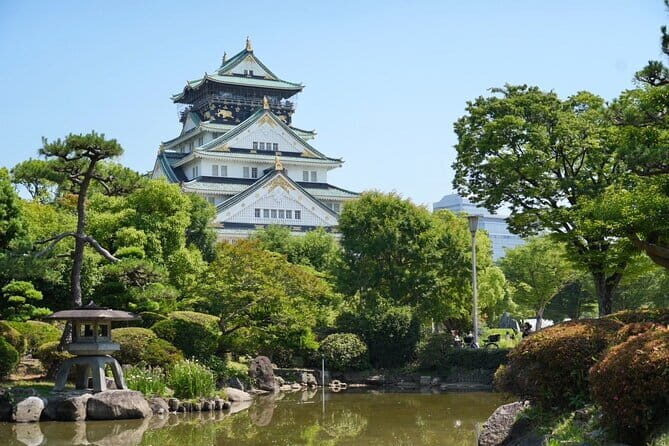
- Stop 1: Osaka Castle Main Tower and the stairs-and-views reality
- Stop 2: Nishinomaru Garden, where the castle turns quiet
- Stop 3: Osaka Castle Park, seeing modern life beside old walls
- Stop 4: Miraiza Osaka-jo and the military story in a museum-style stop
- Stop 5: Hokoku Shrine and Toyotomi Hideyoshi’s lasting presence
- Meeting at Ōsakajōkōen Station: how to avoid the usual map confusion
- Who this tour suits best (and who should choose a different day)
- Should you book this Osaka Castle & Samurai History walking tour?
- FAQ
- How long is the Osaka Castle & Samurai History walking tour?
- How much does the tour cost?
- What’s included in the price?
- Is the Osaka Castle museum or main tower ticket included?
- What stops are included on the walking route?
- How big is the group?
Key things I’d note before you go
- English guide, small group (max 20): You get real explanations without being swallowed by a huge crowd.
- A smart route: You cover the main tower, the garden, the park activity, and two quieter heritage stops.
- Most stops are free: Your paid part mainly supports the main tower admission.
- Panoramic payoff: The view from the castle’s observation areas is the kind of moment you remember later.
- Guide energy matters: Past groups have had guides like Shingo Kumagai, Leo, No No, and Rodrigo, all praised for keeping things engaging.
Osaka Castle as your classroom: why this route works
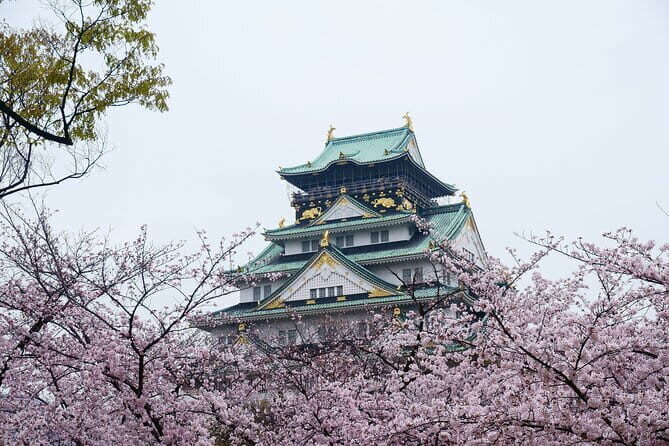
Osaka Castle isn’t only a photo stop. It’s a central stage, and this tour treats it like one. You start at the main tower area, where the architecture signals power fast. Then you shift to spaces that feel more human-scaled—gardens, shrines, and museum-like interiors—where the stories of shoguns, samurai, and commanders make more sense.
The route also does something practical for your brain: it connects the dramatic parts of history with the everyday settings that supported them. The castle grounds are wide, so a self-guided walk can feel like you’re just wandering through landmarks. With a guide leading the sequence, you pick up the “why” behind each location: who lived or trained nearby, what the grounds were for, and how Toyotomi Hideyoshi’s legacy continued to be remembered.
I also like that the tour leans into observation. Yes, you’ll take in views from the castle areas. But you’ll also learn what to look for as you walk—how walls, garden layouts, and shrine locations fit into the larger military story.
You can also read our reviews of more walking tours in Osaka


Price and what you actually pay: $22 plus the castle ticket
The base price is $22.00 per person, and the duration is about 3 hours. That sounds straightforward until you check what’s included. The tour price includes the English-speaking guide and the walking tour itself, but it does not include the Osaka Castle museum admission / main tower ticket.
Here’s the key value angle: several stops are free once you’re on the grounds. The Nishinomaru Garden, Osaka Castle Park areas, Miraiza Osaka-jo, and Hokoku Shrine are listed as free stops. That means your extra money mostly buys you access to the main tower experience and any museum time inside.
The fee you may need to plan for is listed as ¥1,200 for the Osaka Castle Museum (with a note that ages 15 and below are free). So if you’re an adult planning a full main-tower visit, budget that on top of the $22.
Also, the price feels like good value if you care about context. You’re not just buying entry into a single attraction. You’re paying for someone to connect multiple locations into one coherent story of samurai and shoguns, and that guidance is usually what makes the castle grounds click.
Stop 1: Osaka Castle Main Tower and the stairs-and-views reality
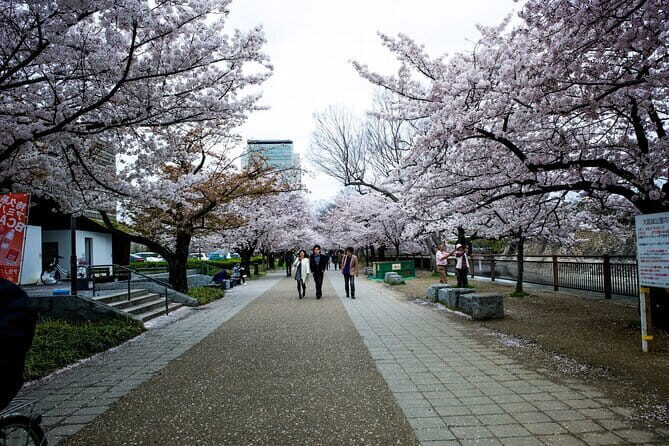
You’ll begin with the Osaka Castle Main Tower area, with about 1 hour 10 minutes focused here. This is where you step into the castle’s most iconic architecture and where the tour’s history explanation lands hardest.
From a planning standpoint, this is the stop that most affects your comfort. The experience involves walking on uneven ground and includes stairs, and one review even called this out directly. If you’re sensitive to stairs or have mobility limits, wear supportive shoes and expect to climb. If you’re fine with that, this is usually the most rewarding part of the route.
The big payoff is the panoramic views from the castle observation deck areas. Even if you’ve seen photos of Osaka from above, standing there with guidance can change what the view means. You start noticing how the castle’s position relates to the surrounding city and why controlling strategic spaces mattered.
Admission is the one thing to handle separately. The main tower time on the schedule is paired with a note that the admission ticket is not included. If you want the full effect, plan to buy that ticket so you don’t end up doing a rushed version of the main-tower section.
Stop 2: Nishinomaru Garden, where the castle turns quiet
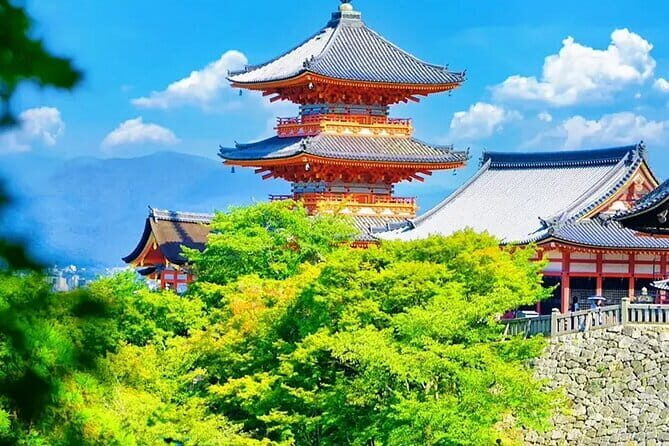
Next comes the Nishinomaru Garden, about 30 minutes. This is a calmer chapter inside the castle grounds and one of the places where the whole story becomes more than military facts.
The garden is described as a former samurai residence setting, which matters because it changes your mental picture. Instead of thinking only of battles, you’re reminded that samurai life also included routine spaces: gardens, daily living areas, and carefully designed viewpoints.
It’s also a strong photo stop. The listing highlights seasonal cherry blossoms, and even outside peak season, you’ll likely appreciate the controlled, peaceful feel compared to the main tower area. Majestic castle views are part of the experience, so you’re getting both sides: a quiet garden atmosphere and a view back toward the castle structure.
The best part of this stop on a guided tour is that it gives you a reason to slow down. Without guidance, it’s easy to treat the garden like a scenic detour. With guidance, you understand why the residence-style layout and the sightlines would have mattered to people living and working within the castle’s system.
Stop 3: Osaka Castle Park, seeing modern life beside old walls

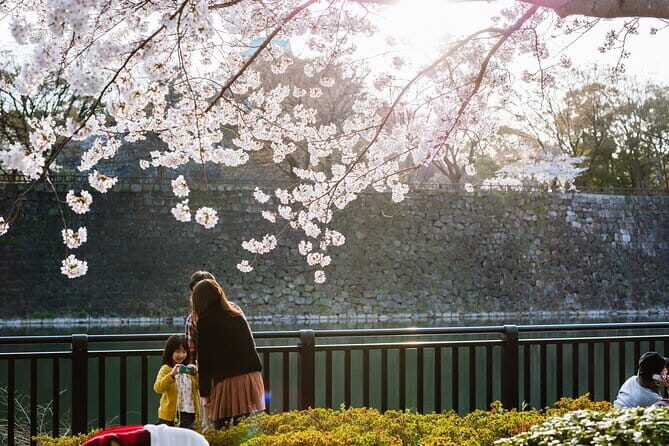
Then you move into Osaka Castle Park for about 10 minutes. This brief stop is more than a stretch break. It shows how the castle grounds function today.
The tour focuses on the fact that locals use the park actively—jogging and practicing martial arts in the open areas. That detail is useful because it ties the samurai heritage theme to real behavior, not just old artifacts. You get the sense that martial discipline and outdoor practice are still part of how people spend time here, even though the context is totally different.
This stop is also a useful reset before the more museum-and-shrine oriented segments. If the main tower felt like the “big stage,” the park section gives your legs a moment to loosen while still staying inside the castle story.
Because it’s only about 10 minutes, don’t treat it as the place to explore every path. Use it as a guided orientation moment. If you want extra wandering, save that for after the tour or on a return trip when you’ve got more time.
You can also read our reviews of more historical tours in Osaka


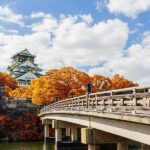

Stop 4: Miraiza Osaka-jo and the military story in a museum-style stop
The fourth stop is Miraiza Osaka-jo, around 30 minutes. You’ll hear the connection to the former headquarters of the Japanese Imperial Army’s 4th Division, plus the fact that it’s also described as a former Osaka Museum.
This is where the tour expands the storyline beyond the castle as architecture. It places you in a space built for command and organization, which helps explain why castles and military institutions grew where they did.
Miraiza is listed as free for the tour stop, so it’s a strong value move. You get a shift in tone—from outdoor viewpoints and garden calm to a more interior, exhibit-like setting. If you like history that’s explained with physical locations, this is likely one of your favorite stops because it feels like you’re stepping into a specific institutional role, not just looking at ruins and reconstructions.
This is also a good place to ask your guide questions if you’re the type who wants connections. The best guides tend to connect the dots between shogunal power, Toyotomi Hideyoshi’s influence, and what later military structures inherited from earlier eras. (Some groups have been guided by energetic people like Leo, with lots of positive energy in the way the story is told.)
Stop 5: Hokoku Shrine and Toyotomi Hideyoshi’s lasting presence
You wrap up at Hokoku Shrine for about 30 minutes. This stop is dedicated to Toyotomi Hideyoshi and his family, which makes the ending feel grounded and personal. After the main tower, garden, park, and Miraiza, the shrine works like a quiet conclusion: a place where the legacy is remembered through worship and ritual.
Hokoku Shrine is listed as free in the tour outline, and it’s a helpful contrast to the more structured museum atmosphere. Here, the vibe tends to be more reflective. If you want to take a slower walk at the end, this is the stop where you can do it without feeling like you’re losing the plot.
It’s also a smart final location if you like cultural context. The tour theme is samurai and shoguns, but shrines are where you often understand how power becomes memory. You leave with a clearer sense of how Toyotomi Hideyoshi is still referenced in Japan’s cultural landscape, not just in textbooks.
Meeting at Ōsakajōkōen Station: how to avoid the usual map confusion
The tour starts at Ōsakajōkōen Station (3 Osakajo, Chuo Ward, Osaka) and ends at Tanimachi 4-chome Station (3 Chome-3 Tanimachi, Chuo Ward, Osaka). The tour is designed around public transport, and the meeting point is near a station—so you’re not stuck crossing half the city with luggage.
One practical tip: Osaka Castle grounds can confuse your phone map. One review mentioned Google Maps giving wrong directions. If that happens to you, don’t panic. Use the station name and the provided area in your navigation, and aim for the correct entrance side of the park rather than following the first line your app draws.
Also, plan to arrive a bit early. Past tours noted that guides were on time and meeting was easy when people used the station as their anchor. This helps the group stay together, especially with a maximum group size of 20.
Who this tour suits best (and who should choose a different day)
This tour is a great fit if you want a guided route that covers major Osaka Castle highlights in one go—especially if you like explanations more than aimless wandering. It’s also a good choice for first-timers who want the castle experience but don’t want to figure out what matters on their own.
It’s also well-suited for history-minded visitors who care about the human side of samurai eras. The tour doesn’t stop at the main tower. It uses gardens, parks, and shrine spaces to show how military power connects to daily life and later remembrance.
It’s less ideal if you strongly dislike stairs or you prefer long museum sessions. The itinerary keeps moving, and the main tower stop is the one that most tests your legs.
If you’re traveling with friends or family, check whether group discounts apply when booking. The tour notes group discounts, and with a small group limit, it can be an efficient way to keep everyone together.
Finally, timing helps. One review noted that starting early made a big difference, so if you have options, a morning slot often feels calmer on large grounds like this.
Should you book this Osaka Castle & Samurai History walking tour?
Book it if you want an English guide to connect the dots between Osaka Castle, Nishinomaru Garden, Miraiza Osaka-jo, and Hokoku Shrine in about 3 hours. The value is strongest when you’re willing to pay the separate main tower admission and you’re happy with a walk that includes stairs.
Skip it or consider a different plan if you only care about the castle view and don’t want extra stops. In that case, you might prefer a lighter self-guided visit. But if you like your history explained in real, walkable places, this tour is a solid use of your time in Osaka Castle Park.
FAQ
How long is the Osaka Castle & Samurai History walking tour?
It’s about 3 hours long.
How much does the tour cost?
The price is $22.00 per person.
What’s included in the price?
You get an English-speaking tour guide and the walking tour.
Is the Osaka Castle museum or main tower ticket included?
No. The Osaka Castle museum admission is not included. The listing shows ¥1,200 for the Osaka Castle Museum, and ages 15 and below are free.
What stops are included on the walking route?
You’ll visit Osaka Castle Main Tower, Nishinomaru Garden, Osaka Castle Park, Miraiza Osaka-jo, and Hokoku Shrine.
How big is the group?
The tour has a maximum of 20 travelers.