REVIEW · OSAKA
Osaka Private Pop Culture Tour: Historic Tenma to Dotonbori
Book on Viator →Operated by City Unscripted · Bookable on Viator
Neon Osaka, guided at your pace. This private pop-culture walking tour strings together historic Tenma and the iconic neon glow of Dotonbori, with stops shaped around what you actually want to see. You get a full day feel without the chaos of jumping between trains and crowds.
What I like most is the flexibility: you fill out a questionnaire, then your guide (people like Maria, Max, or Loys show up in customer stories) adjusts the day so it fits your interests—history, food, pop culture, or the kind of street scenes that feel more personal than a checklist. Second, the route is built for real Osaka viewing: you walk long, local-heavy streets like Tenjinbashi-suji and then end up at the big signature sights and food energy near the canal.
One drawback to plan for: it’s a walking day with no private vehicle, and food/tickets aren’t included. Also, like any guided service, organization quality can vary by host, so you’ll want to communicate clearly about what you hope to get out of the day.
In This Review
- Key things I’d plan around
- A one-day Osaka route that doesn’t feel like a checklist
- How the customization is supposed to work (and why it matters)
- Tenma backstreets: shrines, side alleys, and everyday Osaka
- Tenjinbashi-suji: Japan’s long arcade for snacks and strolling
- Retro neon and fried skewers: the Osaka attitude zone
- The 600-meter shopping stretch: character goods and surprises
- Dotonbori: giant signs, canal views, and street-food theater
- Price and value: when $243.73 per person makes sense
- Getting around: a walking tour with optional transit adds
- Who should book this Osaka pop-culture day
- Should you book it? My honest take
- FAQ
- How long is the Osaka Private Pop Culture Tour from Tenma to Dotonbori?
- What does the tour cost?
- Is hotel pickup available?
- Is food included in the price?
- Do I need to use public transportation?
- Is the tour adjustable to my interests?
Key things I’d plan around
- Tenma → Dotonbori works as a clean “one-day Osaka” storyline, from old neighborhoods to neon street life
- Your pre-tour questionnaire actually influences where you go and how long you linger
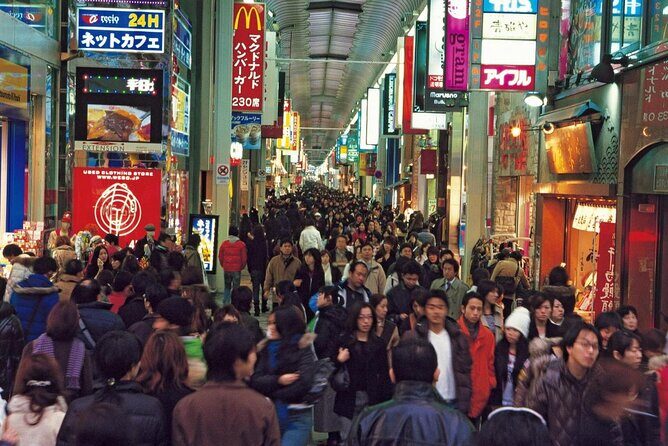
- Tenjinbashi-suji (Japan’s long arcade) is a built-in street-food and people-watching corridor
- Guide-led direction helps you cut through tourist noise, especially near Dotonbori
- Food is on your budget, since meals and snacks aren’t included
A one-day Osaka route that doesn’t feel like a checklist
Osaka is famous for two things that matter a lot on a short visit: attitude and food. This tour matches both. You start in the Tenma area and gradually move toward Dotonbori, so you’re not just bouncing between unrelated spots—you’re watching the city change as the streets get louder, brighter, and more street-level.
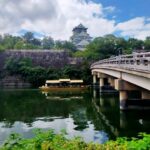
Tenma gives you the “real city” vibe first: shrine alleys, side streets, and places that feel like they’re part of everyday life rather than a themed attraction. Then the day slides into arcade territory, where shops and snack stalls keep you moving under cover. Finally, you reach the Dotonbori stretch with giant signage, canal views, and that nonstop sizzling street-food energy Osaka is known for.
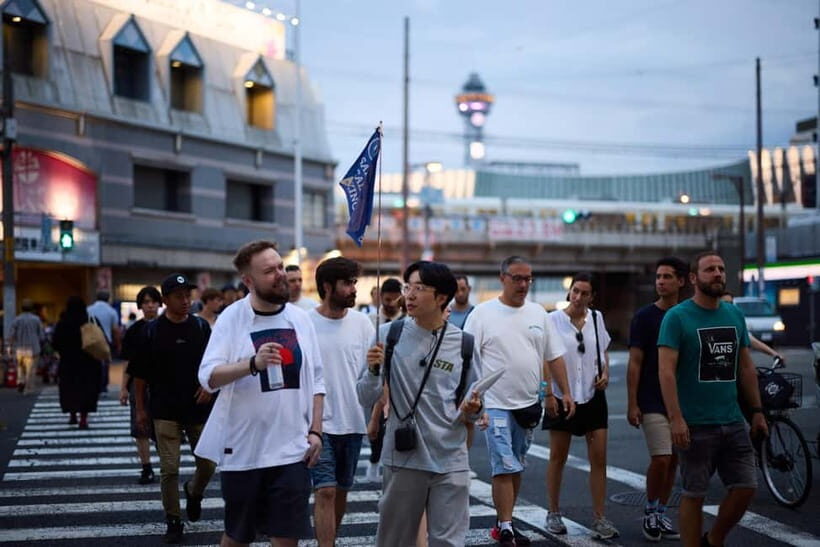
This kind of routing is especially useful if you only have a day and want more than photos. You’ll see how locals structure their time: browsing, snacking, ducking into little shops, and taking their sweet time walking through the city.
You can also read our reviews of more private tours in Osaka
How the customization is supposed to work (and why it matters)
The tour is built around your input. After booking, you get a short questionnaire to share your interests, preferences, and must-sees. Then your guide reaches out directly to shape an itinerary that matches your style—whether you lean toward pop-culture areas, older neighborhoods, shopping, or food-focused stops.
This is where the price starts making sense. You’re not paying just for movement from A to B. You’re paying for someone to think with you: where to spend time, what to skip, and how to keep the day coherent when your interests change.
In practice, guide styles can differ. Some guides are noted for practical logistics (like making metro transfers less stressful), while others emphasize history-and-storytelling or conversation about daily Osaka life. You can use that to your advantage: if you want stronger culture talk, tell your guide early. If you mainly want food and street scenes, say that too.
Tenma backstreets: shrines, side alleys, and everyday Osaka
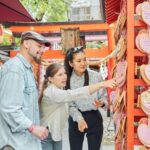
Your tour begins at Naruto Taiyaki Honpo Tenjinbashi 3 Chome (Tenjinbashi, Kita Ward). From there, the early portion is about neighborhood texture. You’ll walk through a side-alley feel—shrine areas, small lanes, and markets—where the city reads less like a set and more like a living place.
This is a smart start because it lowers the stress level. Tenma is a good “warm-up” neighborhood: you can get comfortable with the rhythm of street life before you hit the heavier crowds closer to Dotonbori. It also sets up the pop-culture theme in a subtle way. Pop culture in Japan often lives in the same blocks as everyday rituals—temples nearby, snack counters nearby, character goods nearby.
What to watch for: take your time when the route offers alley turns or small market lanes. Those are often the moments that make the day feel human rather than scheduled.
Tenjinbashi-suji: Japan’s long arcade for snacks and strolling
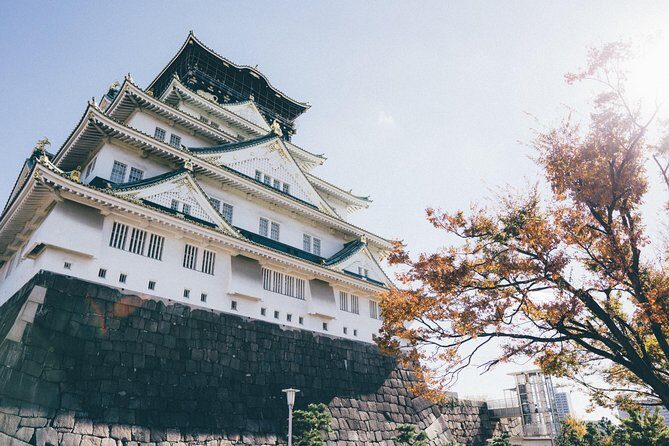
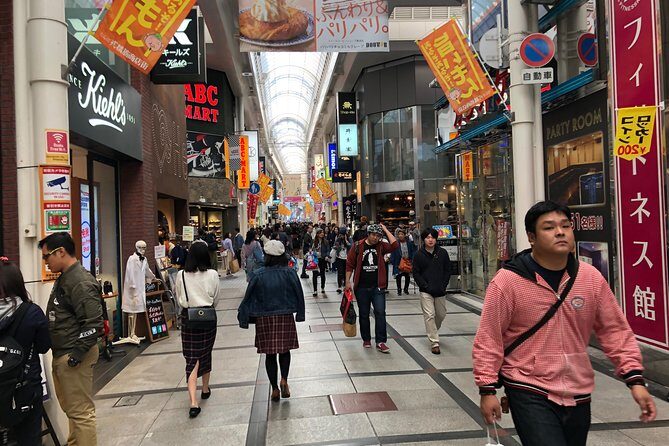
One of the strongest anchor points on this walk is a long covered shopping street: Japan’s longest arcade. Expect a steady flow of everyday Osaka life—snack stalls, old-school storefronts, and lots of places to stop without it feeling like you’re interrupting the tour.
Arcade streets are great for a guided day because you don’t waste time figuring out where to walk next. Weather also matters less. Even if Osaka is warm or drizzly, arcades keep you moving and browsing in a calmer bubble.
Street-food logic here is simple: you can nibble as you go. You can also split your snack budget into smaller “tastes” rather than one big meal. If ramen is on your list, this is the kind of area where that craving tends to make sense in the flow of the day—especially when your guide is watching for what looks freshest and easiest to order.
Potential drawback: if you’re not into shopping streets and just want iconic photo stops, this portion could feel like “walking through stores.” It can still be fun—just go in expecting street-level browsing, not a museum.
Retro neon and fried skewers: the Osaka attitude zone
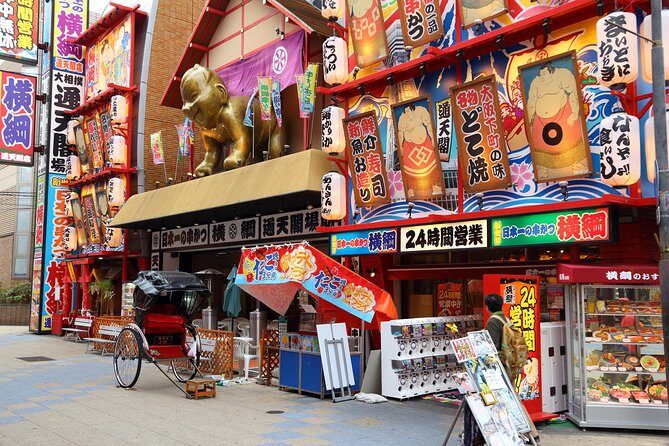
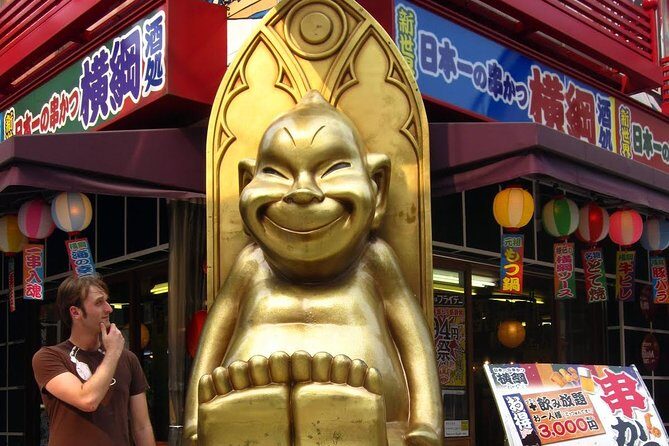
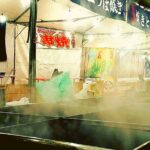
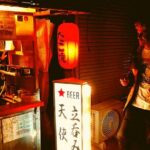
As you move deeper into the pop-energy parts of the walk, the vibe shifts toward retro signage and neon. This is where the day leans into Osaka’s kitschy side: bold signs, fried skewers, and areas that feel like they belong to a specific era of street styling.
This portion is valuable for two reasons. First, it gives you color in your photos without you having to hunt for it. Second, it’s where the city’s “food as entertainment” culture becomes obvious. In many places, you’re not just buying snacks—you’re participating in street life: standing near a grill, chatting at a counter, and watching people come and go.
What I’d do: if your guide offers a quick orientation moment—where to look, where the best views are, which side streets are quieter—take it. This kind of guidance often saves you from wandering for an hour.
You can also read our reviews of more historical tours in Osaka

The 600-meter shopping stretch: character goods and surprises
Next comes a shorter, focused stretch: about 600 meters of shops, cafes, and character goods. This is ideal for browsing with a goal that’s not too heavy—souvenirs, small gifts, and fun items you didn’t know you wanted.
This stop also balances the heavier sights. After arcades and neon streets, a shopping stretch gives you a breather. It’s also a good place to reset your energy before you hit the final Osaka icon segment near the canal.
If you’re the type who likes to leave with a small, personal souvenir rather than a generic postcard, this is where that usually happens. It’s also where your guide can help you pick what fits your taste—something cute, something quirky, or something more useful.
Practical note: since food and tickets aren’t included, plan to treat shopping stops as part of your overall spend. If you’re trying to keep costs down, set a budget before you reach the character-heavy areas.
Dotonbori: giant signs, canal views, and street-food theater
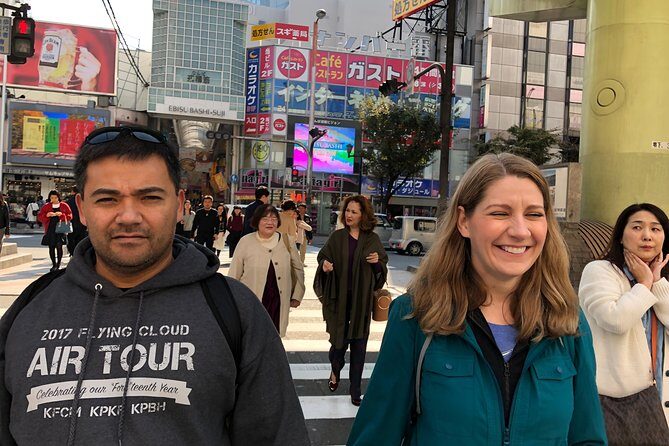
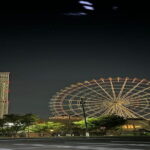
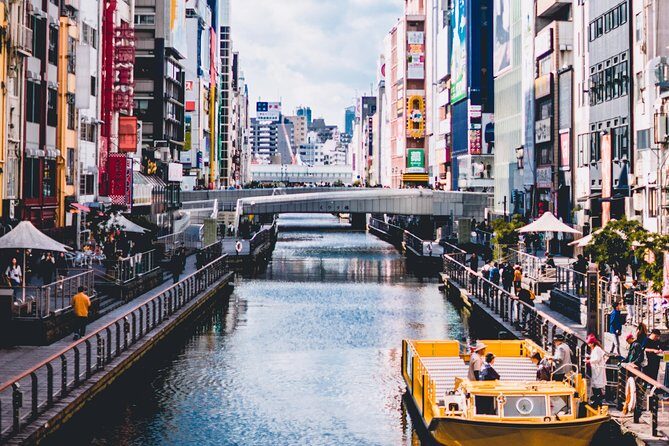
Your tour’s endgame is Dotonbori—one of Osaka’s most recognizable areas. Think: giant signboards, canal views, and that sizzling street-food scene that turns the sidewalk into a performance.
This is where your guide’s job really shows. Dotonbori draws plenty of tourists, so the difference between “standing in a crowd” and “seeing the best parts” often comes down to timing and direction. A good guide helps you cut through noise and spot the moments that feel most like Osaka.
The canal setting also changes how you experience the area. You’re not only looking at shopfronts. You’re seeing Osaka in layers: signage on the street and reflections along the water. That makes your photos more interesting even if you only spend a short window there.
What to expect at the end: you’ll likely feel the energy peak near the big sights and food stalls. If your feet are tired (and they might be), Dotonbori is still a strong finale because even standing still can feel productive when your surroundings are this visually loud.
Price and value: when $243.73 per person makes sense
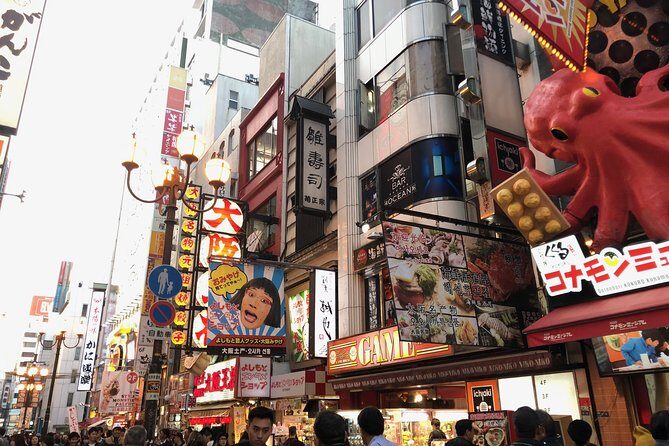
At $243.73 per person, this isn’t a cheap group-walk. But it can be good value if you think of it as paying for time saved and direction.
You’re buying:
- a private guide for about 7–8 hours
- customization from a questionnaire plus direct messaging
- hotel pickup from centrally located hotels (if available for your area)
- help with walking flow and optional transit use between sites
For someone on a short Osaka visit—especially solo—this can be a smart use of money because it compresses a lot into one day without you doing the mental work. A guide also helps you avoid “false starts,” like spending time in the wrong area because you couldn’t figure out the best walking path.
The tradeoff is that you still pay separately for food/drinks and any attraction tickets. If you want to “eat your way through” Osaka, you’ll spend money either way. The tour just makes that spending feel more intentional.
Getting around: a walking tour with optional transit adds
This is primarily a walking experience. There’s no private vehicle included. You’ll be on your feet for most of the day, which is perfect if you enjoy strolling but not ideal if you’re limited by mobility or stamina.
Public transportation or local taxis may be used to transfer between sites, and exact costs can be discussed with your host after booking. That means your guide might adjust the walking load based on your preferences and the route they build for you.
What to bring: comfortable walking shoes and a flexible attitude. Arcades reduce weather pressure, but you’re still outside a lot of the time.
Who should book this Osaka pop-culture day
This tour fits best if you want:
- a private guide who can tailor a single day
- a mix of older neighborhood streets and modern neon Osaka
- street-food energy and pop-culture-friendly sights
- help getting your bearings fast, especially if you’re only in Osaka briefly
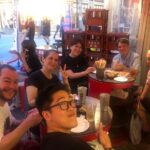
It’s also a strong fit for people who like conversation while walking. In the guide stories attached to this experience, some hosts are praised for being personable and for making the day feel like Osaka through a friend’s eyes—history, food, and everyday culture mixed together.
The one group I’d hesitate for is someone who strictly wants formal cultural sites (museums, major temples with long guided explanations). One guide-style comment highlighted a desire for more cultural options beyond shopping districts. This tour clearly leans street-level: arcades, shopping corridors, and neon streets are core to the experience.
Should you book it? My honest take
I’d book this tour if you want a full, one-day Osaka experience that blends Tenma’s neighborhood feel with Dotonbori’s most famous canal-and-sign atmosphere, and you’re excited about walking, snack stops, and pop-culture street scenes. The customization is the main reason to pay more than a self-guided day plan.
I would think twice if your priorities are mostly ticketed attractions or you’re worried about being on your feet for 7–8 hours. Also, if you’re someone who hates last-minute changes or unclear coordination, send clear messages about your must-sees during the questionnaire stage so the guide can lock onto what matters to you.
If you go in with comfortable shoes, a flexible appetite, and a short list of what you really want (food type, vibe, shopping vs. culture), this tour has the structure to deliver a day that feels like Osaka—not just a set of stops.
FAQ
How long is the Osaka Private Pop Culture Tour from Tenma to Dotonbori?
It runs about 7 to 8 hours.
What does the tour cost?
The price is $243.73 per person.
Is hotel pickup available?
Hotel pickup can be arranged from centrally located hotels.
Is food included in the price?
No. Food, drinks, and tickets to attractions are not included.
Do I need to use public transportation?
It’s primarily a walking tour, though public transport or local taxis may be used to transfer between sites (extra cost may apply).
Is the tour adjustable to my interests?
Yes. After booking, you’ll complete a questionnaire, and your guide will contact you to craft a personalized route based on your preferences.