REVIEW · OSAKA
All Inclusive Kuromon Markets Tour: Flavors Of Osaka
Book on GetYourGuide →Operated by Osaka Food Tours, Inc. · Bookable on GetYourGuide
Snack your way through Osaka’s food heart.
This Kuromon Market tour turns a confusing, calligraphy-heavy fish market into a clear tasting route, and I love that you’ll sample everything from scallops to tuna sashimi without having to translate menus all afternoon. The second thing I like: an English-speaking guide orders for you and explains what you’re eating, so you don’t just eat fast—you understand what’s on the tray. One consideration: it’s not vegan-friendly, and the savory tastings lean heavily seafood.
If your idea of Osaka is street-food energy with real local vendors, this is a smart way to do it in just 2 hours. You’ll start at Nipponbashi Station (exit 6), meet your guide, then move through the covered market for a guided sequence of bites—enough food to feel like lunch, not a sampler plate. Just show up on time: the tour starts exactly at 2pm, and you won’t be able to catch up if you’re late.
In This Review
- Key Things I’d Focus On Before You Go
- Kuromon Market in Two Hours: What You’re Actually Getting
- Meeting at Nipponbashi Exit 6: The Fastest Way to Start
- Your Market Route: How the Tour Moves Through the Covered Aisles
- What You’ll Eat: Seafood Bites, Street-Food Classics, and Sweet Finishes
- How the Guides Turn Confusing Menus Into Clear Choices
- Included Souvenir Time: Knives and Tableware You Can Actually Use
- Price and Value: Is $61 a Good Deal?
- Small Group Energy (Max 9): Why It Matters for Market Eating
- Who Should Book This Kuromon Markets Tour?
- Quick Reality Check: Timing, Pacing, and Stomach Planning
- Should You Book? My Take
- FAQ
- Where do I meet for the tour?
- What time does the tour start, and can I arrive late?
- Is hotel pickup included?
- How long is the tour?
- How many people are in the group?
- What kinds of food will I try?
- Is this tour suitable for vegans or pregnant people?
Key Things I’d Focus On Before You Go
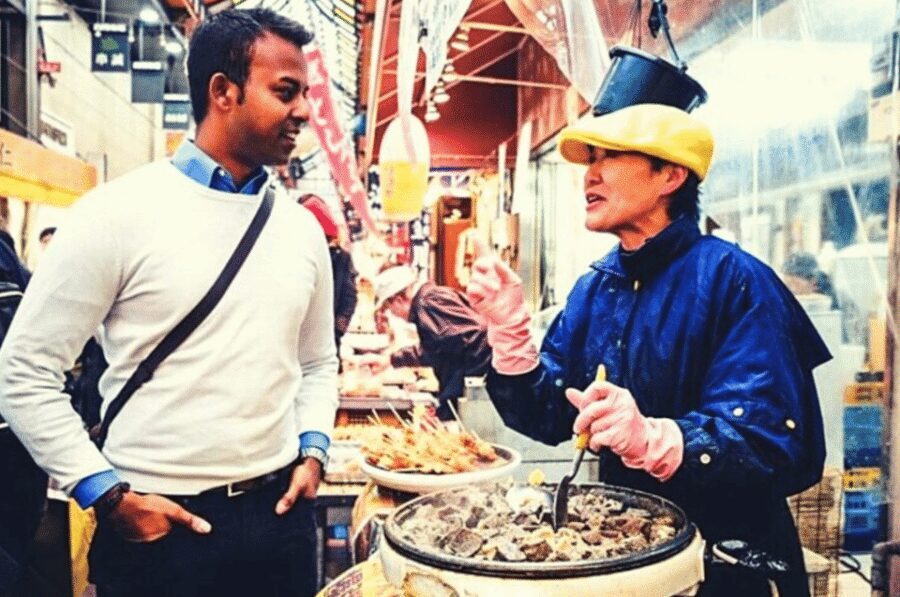
- 5–7 dishes plus 3–4 tasting samples: the food amount adds up fast in a short time.
- English guide ordering is the real superpower: hand-written menus can be tough even if you read Japanese.
- Seafood-forward menu: expect shellfish, tuna, dried fish, and wasabi flavors to show up often.
- Small group size (max 9): easier Q&A and faster vendor coordination.
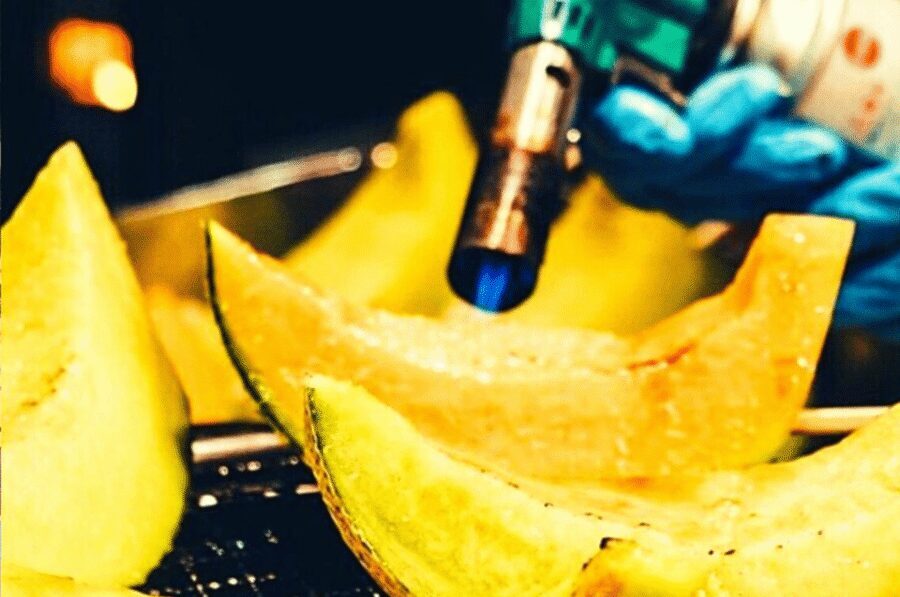
- Sweet stops are part of the plan: you’ll get items like cherry blossom red bean mochi, not only savory fish.
- Knife and tableware time is included: you’ll get a chance to check out Japanese kitchen goods, not just eat.
Kuromon Market in Two Hours: What You’re Actually Getting
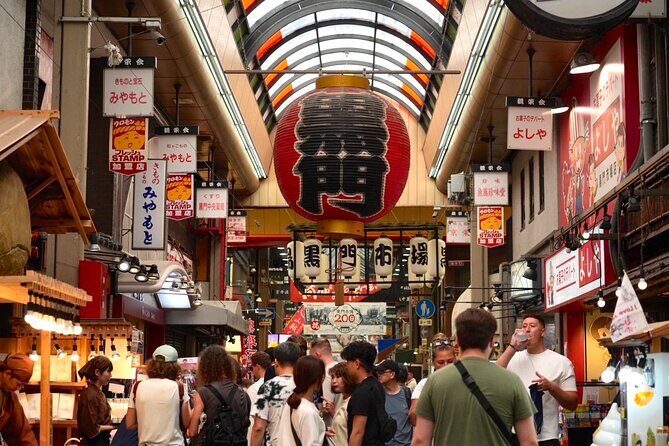
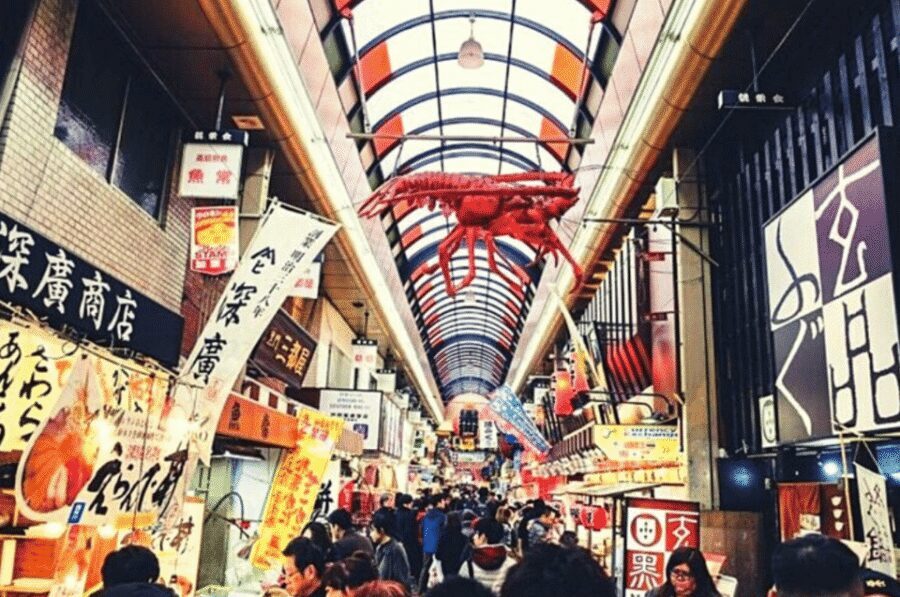
Kuromon Market is one of those places where your senses get bossy before your brain catches up. The aisles are covered, vendors are active, and the food world here is built around freshness and repetition—people come back for the same staples, day after day.
This tour’s value is that it compresses all that market chaos into a guided tasting loop. You’re not wandering and guessing what’s worth it. Instead, you’re eating 5–7 dishes and also getting 3–4 tasting samples that broaden your palette. The tastings hit local favorites and specialty picks, so you get variety in flavor and texture, not just one theme.
And yes, it’s food-forward—but it also includes context. Your guide walks you through the culinary history and how the market fits into Osaka’s food culture. That matters because it turns “tasty” into “tasty with a reason.” It’s the difference between grabbing random street food and learning why certain preparations are so common here.
You can also read our reviews of more tours and experiences in Osaka.



Meeting at Nipponbashi Exit 6: The Fastest Way to Start
Logistics sound boring—until a short tour starts on the dot. This one begins at 2pm, and the instructions are clear: arrive late and you can’t catch up.
So I’d treat this like an appointment. Aim to be there around 1:45–1:50pm at Nipponbashi Station, exit 6, at the top of the stairs. That gives you time to orient yourself, spot your group, and avoid that last-minute scramble that kills the appetite.
There’s also no hotel pickup, so plan to reach the station on your own. The upside: you’re not spending your time on a bus. You’re already where the action is.
Your Market Route: How the Tour Moves Through the Covered Aisles
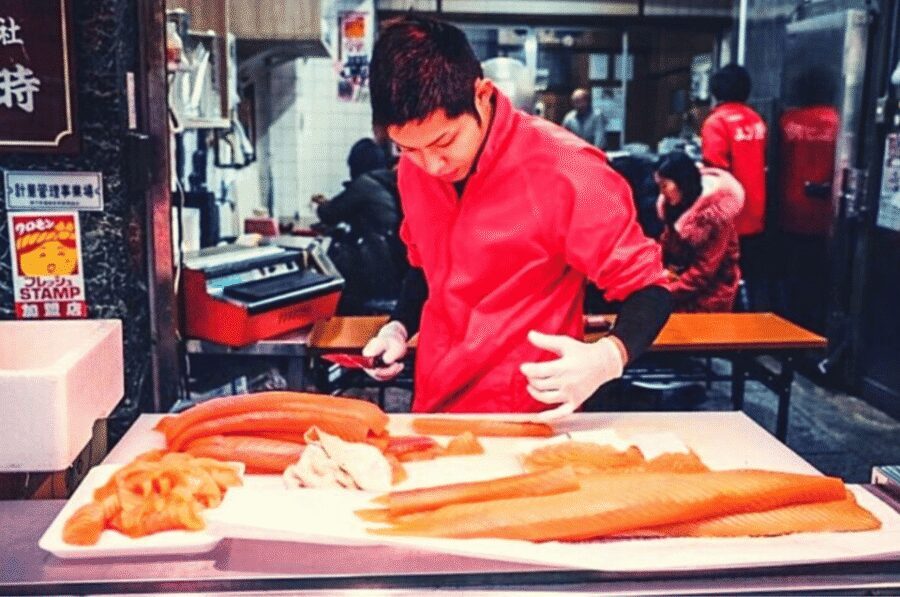
Once you meet your guide, the first stage is a quick intro, then you’re off into Kuromon Market. This matters because Kuromon isn’t laid out like a museum. It’s a working market with vendors who are used to moving quickly and selling to locals.
Here’s what the guiding approach helps with:
- Ordering and explanations: Many vendors don’t speak English, and some menus are hand-written calligraphy that can be hard to read. Your guide handles ordering and also explains ingredients and cooking methods.
- Timing in a short window: In 2 hours, the tour needs to keep you moving. The guide controls pacing so you’re not stuck waiting for one vendor too long while you miss other tastes.
- Question-friendly navigation: With a small group capped at 9, you’re not lost in a crowd. If you want to ask what something is, you’ll get an answer.
Your route is built around a “tasting circuit,” so you’re continuously sampling rather than stopping once for a big meal. That pacing is great if you’re the type who wants to see a lot and try a lot—without your feet calling it quits by 3pm.
What You’ll Eat: Seafood Bites, Street-Food Classics, and Sweet Finishes

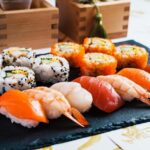
The standout feature of this tour is how it spreads seafood and snack flavors across both savory and sweet stops. Based on what’s listed for the experience, you should expect a mix like:
- Scallops
- Local gobo tempura (gobo is burdock root, often used in Japanese cooking)
- Tuna sashimi
- Okonomiyaki (a Osaka favorite)
- Cherry blossom red bean mochi
- Plus samplings such as green tea, pickled vegetables, dried fish, and wasabi beans
The big practical takeaway: this is a seafood-focused market tour. Even though you’ll get variety, don’t come in thinking you’ll avoid fish entirely. One of the reviews flagged that the seafood emphasis isn’t obvious enough in the description for some people—so I’ll say it plainly: plan for seafood to be a major part of the meal.
On the plus side, the tour includes both textures and temperatures. Tempura-style bites bring crispness. Sashimi brings clean, chilled flavor. Pickles and teas cut through richness. Mochi gives you a sweet, chewy finish that keeps the whole thing from turning into an all-salt tasting.
You’ll also leave with a better sense of what you actually enjoy ordering for yourself later—because you’ll taste several types of preparation, not just one.
How the Guides Turn Confusing Menus Into Clear Choices
This is where the tour really earns its praise. The English-speaking guides don’t just translate—they help you understand what you’re eating and why.
From the guide names connected to the experience, you may get someone like Taka, Hakuri, Hikaru, Anna, Mico, or Michael. The common thread is that the guides are active with both the vendors and the group: they order for you, explain ingredients, and keep the flow moving.
I especially like tours where the guide is comfortable talking shop. In this case, the guidance is described as expert-level and hands-on—someone who can answer questions about food culture and choices in Osaka, not just recite a script.
What you should do to get the most out of that:
- Come with a couple of simple questions, like what the dish is made from or how the flavor is balanced.
- Don’t overthink ordering. Let the guide do the vendor conversation.
- If you’re unsure about a texture (like fish preparations), ask how it’s prepared and served. The guide can translate that into something you can decide on quickly.



Included Souvenir Time: Knives and Tableware You Can Actually Use
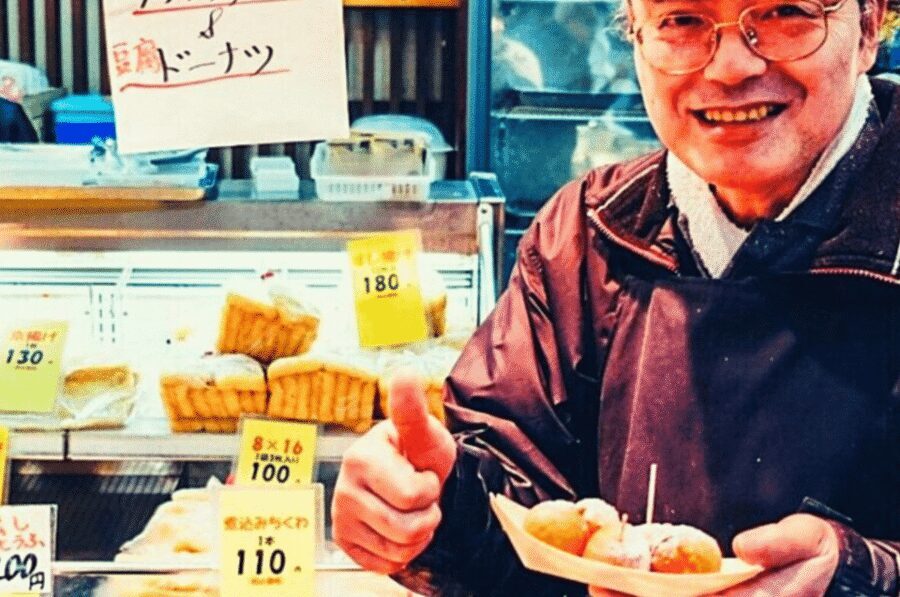
This is one of those “wait, that’s included?” details. Along with the tastings, the tour includes time to discover Japanese knives and tableware souvenirs.
That’s useful, not just decorative. If you’re a kitchen person, Japanese knife culture is a world in itself. Even if you don’t buy anything, seeing what vendors offer gives you ideas for later.
And if you do shop, remember you’re coming from a food market mindset. So don’t try to buy everything on instinct. Use the guide’s time to check what vendors carry that’s practical—tableware you’d actually set on your own table back home.
Price and Value: Is $61 a Good Deal?
For $61 per person, the tour is positioned as a true “food experience” rather than a walking tour with a cookie at the end. Here’s what justifies the cost:
- Food quantity: 5–7 dishes plus 3–4 tasting samples in a 2-hour window.
- Guide support: English explanations and help ordering at vendors who may not speak English.
- Cultural context: market history and how the food scene works in Osaka.
- Included souvenir time: Japanese knives and tableware browsing is part of the experience.
Could you eat this much on your own? Sure. But the question is whether you’ll get the same balance of variety, quality, and explanations while navigating calligraphy menus and vendor language barriers. For me, this tour’s value comes from reducing the friction. You’re paying for speed plus clarity.
If you’re on a tight Osaka schedule, a short market tour is a practical use of time. You still get the atmosphere of an authentic food district without turning the afternoon into a full-day scavenger hunt.
Small Group Energy (Max 9): Why It Matters for Market Eating
Market tours can get chaotic fast. This one keeps the group small—limited to 9 participants—and that changes the experience.
With a small group:
- The guide can manage ordering more efficiently.
- You get space to ask questions without feeling rushed.
- Everyone gets attention at the vendor counters.
- The pacing stays tight, which is crucial when the tour duration is only 2 hours.
If you hate long lines, big groups, or being herded through food stops, this structure is a big plus.
Who Should Book This Kuromon Markets Tour?

This is a great fit if you:
- Want a focused food experience in central Osaka.
- Like seafood flavors and are comfortable trying new preparations.
- Appreciate guides who explain what’s on the tray and how the market works.
- Prefer a small group and clear ordering help.
It’s not a fit if you’re:
- Vegan (explicitly not suitable).
- Pregnant (explicitly not suitable).
- Looking for a fully seafood-free menu (the tour listings and the overall tasting choices strongly point to seafood being central).
Quick Reality Check: Timing, Pacing, and Stomach Planning
Two hours sounds easy until you remember you’re eating multiple bites across different stalls. Come hungry—but also expect it to be a real meal.
A practical approach:
- Try not to schedule this right before a heavy dinner. You’ll likely feel full.
- If you’re sensitive to strong flavors, keep an eye out for wasabi-related tastes like wasabi beans, and ask your guide what’s intense versus mild.
- Hydrate. You’ll get green tea samplings, but you might still want water in your day plan.
Should You Book? My Take
If you want an Osaka experience that feels local, fast, and food-meaningful, I’d lean yes. The combination of 5–7 dishes + tasting samples, a small group, and a guide who can order and explain makes this more than a simple walk-through.
Before booking, be honest about one thing: this is mostly a seafood market tasting experience. If you’re avoiding seafood, you’ll probably feel frustrated. If you like seafood and want to learn what you’re eating in Kuromon Market, this tour is a strong value use of your time in Osaka.
FAQ
Where do I meet for the tour?
You meet at Nipponbashi Station, exit 6, at the top of the stairs. The tour starts at 2pm, so it helps to arrive 1:45–1:50pm to get settled.
What time does the tour start, and can I arrive late?
The tour starts exactly at 2pm. If you come late, you cannot catch the tour, so arriving a little early is important.
Is hotel pickup included?
No. There is no hotel pickup included.
How long is the tour?
The tour lasts 2 hours.
How many people are in the group?
This is a small group experience with a limit of 9 participants.
What kinds of food will I try?
You’ll taste a mix that includes items like scallops, gobo tempura, tuna sashimi, okonomiyaki, cherry blossom red bean mochi, plus samples such as green tea, pickled vegetables, dried fish, and wasabi beans.
Is this tour suitable for vegans or pregnant people?
No. It is not suitable for vegans and it is not suitable for pregnant women.
If you want, tell me your travel dates and whether you like seafood a lot. I’ll help you decide if this is the right fit for your Osaka plan.