REVIEW · OSAKA
Amanohashidate & Ine Boathouse Full-Day Tour from Kyoto or Osaka
Book on Viator →Operated by Hotel Takitei · Bookable on Viator
Two seaside icons in one long day. This tour strings together Amanohashidate and Ine Fishing Village, so you get big coastal scenery plus old-school rural life in one pass. I love the comfort and organization of a small group bus day, and I love the multilingual guidance (you may even get a host like Jay or Lily). The main drawback is the long drive, so you’ll want to be smart with your time if you hope to do every optional add-on.
You’re paying about $48.88 for the heavy lift: round-trip transport from Kyoto or Osaka, an air-conditioned vehicle, and a professional guide who keeps things moving. With a maximum of 40 travelers, it’s not a cattle-car vibe, and you’re not left to figure out connections on your own.
One thing to plan around: the day is around 10 hours, with drop-off around 19:40, and some parts can shift due to traffic or weather. Also, the ropeway and boat ride cost extra, and many stops may be cash-only for small purchases.
In This Review
- Key points you’ll feel immediately
- The long coastal day: Osaka or Kyoto to Japan’s scenic waterline
- Amanohashidate sandbar and the ropeway ticket decision
- Chion-ji Temple: a quick stop with omikuji and the revolving bridge
- Ine Fishing Village: funaya houses and a slower coastal rhythm
- Boat ride and feeding seagulls: when the coast turns playful
- Choreography matters: how the group day keeps you from wasting time
- The real value of $48.88: what you’re buying besides sightseeing
- Who this tour fits best (and who should look elsewhere)
- Should you book Amanohashidate & Ine from Osaka or Kyoto?
- FAQ
- How long is the Amanohashidate & Ine full-day tour?
- Where do I meet for the tour in Osaka and Kyoto?
- What’s included in the price?
- What extra costs should I expect?
- Can I take the cable car and the Ine boat ride?
- Is this tour a private group?
- Do I need cash during the day?
- What if weather or traffic affects the itinerary?
- Is there free cancellation?
Key points you’ll feel immediately
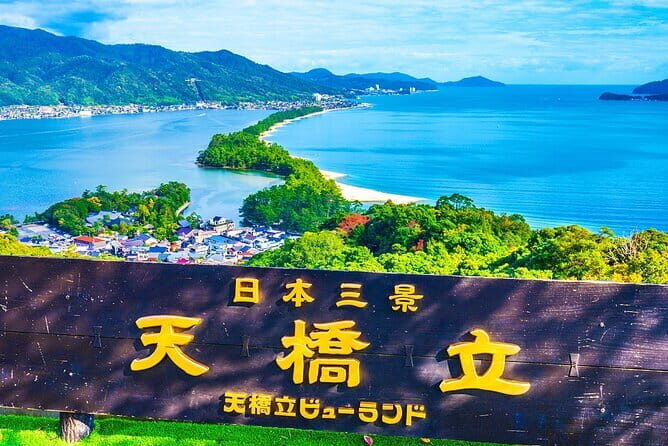
- Amanohashidate sandbar views plus a cable car option for a higher perspective
- Ine’s funaya waterfront houses and an unhurried seaside village feel
- Multilingual guides (English, Japanese, Mandarin, Korean) for faster understanding
- Optional extras with separate tickets like the ropeway and an Ine boat ride
- Small-group day with a max of 40 travelers and assigned seating
- A long but efficient route from Osaka or Kyoto, typically back by about 19:40
The long coastal day: Osaka or Kyoto to Japan’s scenic waterline
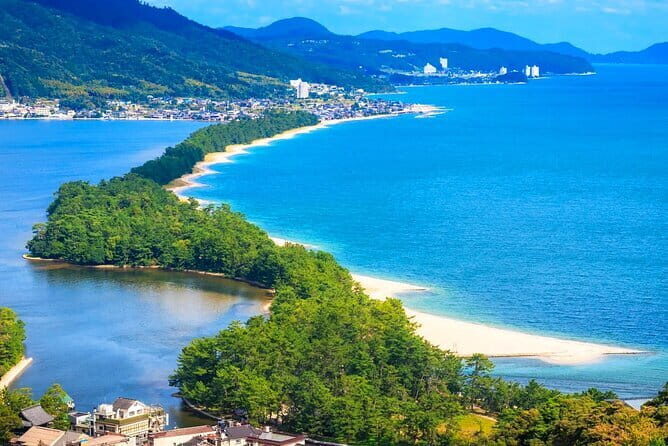
If you’re basing yourself in Osaka or Kyoto and you want a real break from big-city crowds, this is a practical way to do it. You’ll start at either 8:40am (Osaka) or 9:50am (Kyoto) and you’re looking at roughly 10 hours total, ending around 19:40. That’s a full day, not a quick taste.
The tradeoff is simple. You spend time on the road, but you gain a smoother route than trying to piece together local trains and buses for two different areas. The tour’s value is in removing friction: round-trip transportation, an air-conditioned coach, and a guide who knows how to keep schedules on track.
One more reality check: because you’re traveling by road, traffic and weather can affect timing. The tour may shorten sightseeing windows or cancel attractions for safety. I treat that as part of the plan and build my day around this being the main event, not something squeezed in right before dinner.
You can also read our reviews of more tours and experiences in Osaka
Amanohashidate sandbar and the ropeway ticket decision
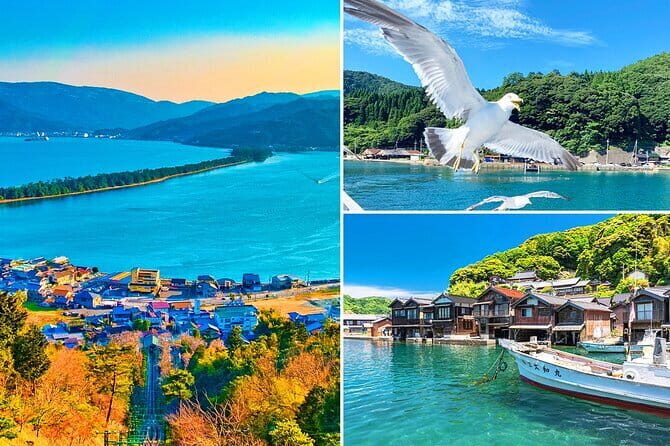
Amanohashidate is one of Japan’s “Three Scenic Views,” and the headline is the 3.6 km sandbar that looks like a bridge rising into the sky. It’s lined with pine trees, and the scale is what gets you. From ground level, you can feel why it earned the nickname that links to an “heavenly bridge” idea.
You get about two hours at Amanohashidate, and there’s a cable car up to a viewpoint for a panoramic look. The cable car costs extra (listed at $7.00 per person), but it’s the kind of upgrade that can make the difference between seeing a pretty beach and understanding the whole formation from above.
Here’s the best practical advice: if you want cable car views, don’t treat your time there like leisure wandering only. Two hours can disappear fast once you factor in boarding, walking, and photographing. If you skip the ropeway, you’ll likely feel calmer with time along the sandbar, but you’ll lose that “map-like” overview from the top.
Also note the included ticket for this stop. It helps you avoid a small extra payment for entry access, but it doesn’t replace the ropeway cost. If you’re aiming to do everything, budget for the additional ticket and plan to move earlier rather than later.
Chion-ji Temple: a quick stop with omikuji and the revolving bridge
Next up is Chion-ji Temple, a short visit designed to add culture without stealing your whole day. You’re there for about 30 minutes, and admission is free for this stop.
Two things make it worth the time. First, the temple is known for academic success, which fits the vibe of the place: quiet, orderly, and focused. Second, you can try a fan-shaped omikuji for fortune-telling. It’s a simple activity, but it gives you a tangible souvenir that isn’t just a photo.
You may also spot the revolving bridge that connects areas of the temple grounds. Even if you don’t linger, it’s one of those quirky temple moments that stays in your memory.
The realistic drawback: thirty minutes isn’t for deep exploration. If you love slow temple wandering, treat this as a “hit the highlights” stop while the rest of the day still does the heavy lifting.
Ine Fishing Village: funaya houses and a slower coastal rhythm
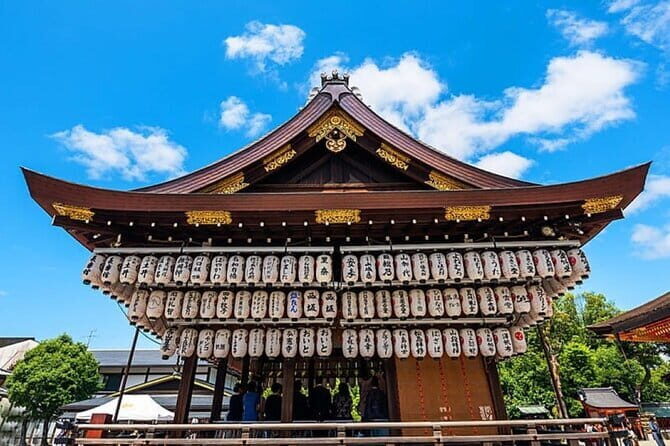
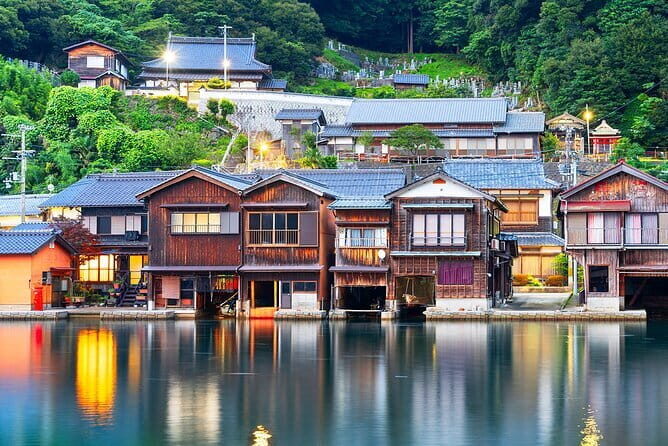
Then you reach the star of the seaside villages: Ine Fishing Village, sometimes called the Venice of Japan. This is where you trade city energy for a waterfront scene shaped by small-scale life and traditional architecture.
Ine is known for its funaya houses—boat houses along the water. The look is instantly memorable: the village feels built around the shoreline rather than facing it. You’re given about one hour here, which is short enough that you should choose what you want to prioritize instead of trying to do everything.
The good news: the tour sets you up to enjoy the basics without planning. You can take a boat ride, feed seagulls, and you can also rent a bike to move through the village at your own pace. The boat ride costs extra ($9.00 per person). Bike rental isn’t listed with a price in the provided details, so consider it something you might pay locally.
From a value standpoint, the one-hour window is enough to get your bearings, walk the waterfront, and choose one “signature” activity. If you try to do all three (boat ride, seagulls, and lots of biking), you might feel time-stressed. My approach: pick either the boat ride or extra wandering by foot, then use biking only if you still feel unhurried afterward.
Boat ride and feeding seagulls: when the coast turns playful
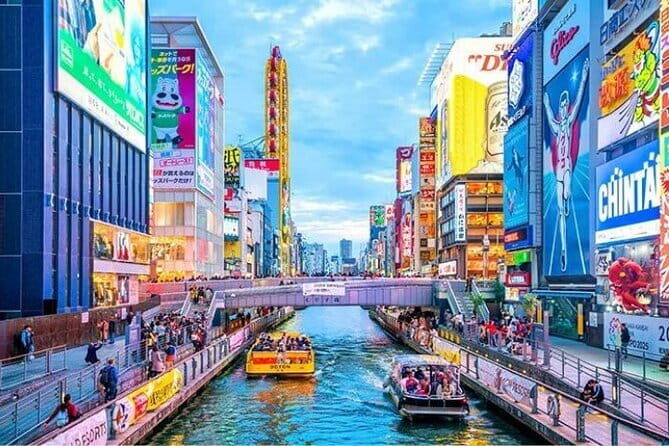
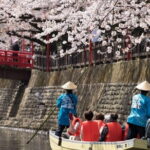
The Ine experience gets more than scenic here. The boat ride is the part that turns the seaside into a story you can retell. You’ll be out on the water under an open sky, and feeding seagulls adds a silly, satisfying rhythm to the whole thing.
Sitting on the boat isn’t the only way to enjoy Ine, but it is the most “different” way. Many people underestimate how much they’ll like the boat format until they’re on it. It changes your perspective on the village and makes the funaya houses feel even more connected to daily life.
If you’re on the fence about the extra $9.00 boat ticket, ask yourself one question: do I want a unique water-based memory, or do I want to maximize walking time? Your answer should determine whether you pay for the boat ride.
Also, plan for small spending. You’ll want some cash because some spots and restaurants may only accept cash payments. Even if you don’t buy much, having a little on hand keeps you from getting stuck at the worst possible time.


Choreography matters: how the group day keeps you from wasting time
This is a shared group tour capped at 40 travelers, and that number matters. A group this size can still move at a human pace when the guide is organized.
The tour also uses a mobile ticket, which is a convenience when you’re juggling travel days. You’ll receive an email the evening before the tour with important details, including guide and driver contact information. That can be reassuring if you need to find your group quickly.
At the meeting point, you’ll look for the guide holding a yellow flag with the Gogoday logo. Show the name used when booking, arrive about 10 minutes early, and you should be able to board without stress.
Because the tour is time-boxed, don’t plan to add your own activities right at the end. Drop-off is around 19:40, and you’ll likely be tired. I treat this as the anchor event of the day, not a side quest.
The real value of $48.88: what you’re buying besides sightseeing
Let’s talk money without pretending it’s magic. At $48.88 per person, you’re not paying just for photos. You’re paying for:
- Round-trip transport from your chosen start point
- An air-conditioned vehicle
- A professional multilingual guide (English, Japanese, Mandarin, Korean)
- Driver and guide service
The optional costs (ropeway and boat) are listed separately, plus food. That means your final out-of-pocket can be higher depending on what you choose. Still, the base price is competitive for a one-day plan that covers two separate scenic areas with minimal headache.
If you’re comfortable navigating public transport and you’re traveling at a slow pace, you might recreate parts of this on your own. But if you want one dedicated day where the transport and timing are handled, the price starts to make sense fast.
I also like that the stops include variety: dramatic natural scenery (Amanohashidate), a quick temple cultural touch (Chion-ji), and a village with waterfront architecture (Ine). That mix makes the long day feel justified rather than repetitive.
Who this tour fits best (and who should look elsewhere)
This tour is a great fit if you want a stress-light day trip from Osaka or Kyoto and you enjoy seeing nature and culture in one go. It’s especially good if you don’t want to plan logistics across two scenic locations.
You’ll probably enjoy it most if you:
- Want iconic views like Amanohashidate without renting a car
- Like the idea of an organized group day with multilingual explanations
- Are happy choosing one or two optional activities at Ine
You might want to skip or adjust expectations if you:
- Hate long bus rides and prefer to stay close to your base
- Expect ample time at Amanohashidate to do everything slowly
- Are the type who needs fully independent control over every minute
Given the way the day is timed, I’d call it a good “one-time highlight” day rather than a deep-dive vacation chapter.
Should you book Amanohashidate & Ine from Osaka or Kyoto?
Yes, if you want two of Japan’s most distinctive coastal experiences packed into one organized day. The combination of Amanohashidate’s sandbar and Ine’s funaya waterfront is hard to beat for a single-day outing, and the base price covers the hardest part—getting there.
Book with a clear plan for extra costs. If cable car views and the Ine boat ride are on your must-do list, budget for the add-ons ahead of time and keep your time at Amanohashidate focused. If you’d rather wander slowly and avoid extra ticket lines, you can still have a great day by skipping one add-on.
If you’re energy-sensitive and hate being away for about 10 hours, this may feel like a lot. But for most people who want maximum scenery with minimum planning, this is a smart, efficient choice.
FAQ
How long is the Amanohashidate & Ine full-day tour?
The tour lasts about 10 hours, with drop-off around 19:40.
Where do I meet for the tour in Osaka and Kyoto?
In Osaka, the meeting time is 8:40am. In Kyoto, the meeting time is 9:50am.
What’s included in the price?
The tour includes round-trip transportation from designated meeting points, an air-conditioned vehicle, a professional multilingual guide, and driver and guide service fee.
What extra costs should I expect?
You should budget for the ropeway ticket at Amanohashidate (listed at $7.00 per person) and the Ine boat ride (listed at $9.00 per person). Food and drinks are not included.
Can I take the cable car and the Ine boat ride?
Yes. The ropeway and boat ride are available as add-ons, and the guide can assist with purchasing ropeway tickets.
Is this tour a private group?
No. It’s a shared group tour with a maximum of 40 travelers.
Do I need cash during the day?
It’s recommended to bring some cash because some scenic spots, restaurants, and other places may only accept cash payments.
What if weather or traffic affects the itinerary?
The tour may change the itinerary due to traffic, weather, or other unforeseen circumstances, including shorter sightseeing times or canceled attractions for safety.
Is there free cancellation?
Yes. You can cancel up to 24 hours in advance for a full refund.