REVIEW · OSAKA
Osaka & Kyoto & Nara Top Hightlights English Speaking Tour
Book on Viator →Operated by Scenic Bend · Bookable on Viator
Kyoto, Nara, and Osaka in one sweep. I love the English-speaking local guide approach and the built-in free-time blocks that let you actually wander instead of rushing like a stampede. You get the big-name sights that first-timers want, without needing trains and transfers all day.
One thing to plan for: the tour ends in Osaka, not back in Kyoto, so your day needs a bit of logistics thinking for how you’ll get home next.
In This Review
- Key highlights worth your attention
- A One-Day Kyoto, Nara, Osaka Circuit That Feels Practical
- What you’ll like right away
- What might test you
- Kiyomizu-dera and Higashiyama’s Old Streets (Plus a Lunch Break)
- How to get the most out of this stop
- Fushimi Inari-taisha and the Senbon Torii Gates: Fast, Iconic, and Crowded
- Crowd reality check
- A good strategy for your 70 minutes
- Nara Park’s Deer Moment and Todai-ji’s Great Buddha
- The two Nara phases
- A possible timing issue to be aware of
- Shinsaibashi in Osaka: The Place to Reset After a Big Day
- Why this matters for value
- Price and Time Value: Is $54 a Smart Use of Your Day?
- What you still pay out of pocket
- When $54 feels like a steal
- When it might feel thin
- Guide Styles Matter: What You Can Expect from the English Support
- My practical tip
- Who This Tour Fits Best (And Who Should Skip It)
- Optional Kimono Moment: A Fun Add-On if You Plan Ahead
- Day-Planning Tips That Save You Stress
- Should You Book This One-Day Kyoto and Nara Highlights Tour?
Key highlights worth your attention
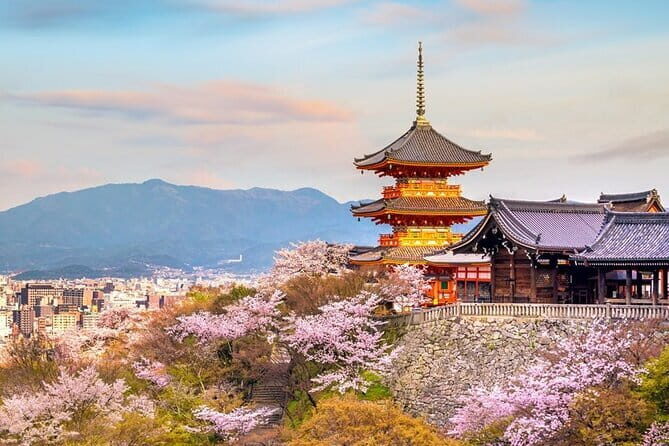
- Kiyomizu-dera + Higashiyama side streets: scenic viewpoints plus historic lanes like Nineizaka and Sanneizaka.
- Fushimi Inari Senbon Torii: classic torii-gate photo stop with time to roam.
- Nara Park deer encounter: feed-and-photo moment in a park setting, not a staged zoo.
- Todaiji’s Great Buddha: one of Japan’s most famous temple experiences.
- Shinsaibashi free time in Osaka: decompress with shopping streets right where you’ll likely want to end your day.
A One-Day Kyoto, Nara, Osaka Circuit That Feels Practical
This tour is designed for people who want the highlights of Kyoto and Nara but still need to sleep in their own hotel bed that night—ideally in Osaka. The day runs about 9 hours 20 minutes, with round-the-clock departures and a guarantee that your date will operate as long as you chose it. The group can run up to 45 people, so expect a lively pace, not a private guided stroll.
The core value here is simple: you’re transported by a local professional driver and guided by a local tour guide who helps you connect the dots. That matters in Kansai, because the sights are famous, but the routes, entry points, and crowd flow can feel chaotic on your own.
Also, the tour uses a mobile ticket. That’s one less thing to worry about when you’re juggling transit apps, cash, and long temple days.
You can also read our reviews of more tours and experiences in Osaka.


What you’ll like right away
I like how the schedule mixes major set-piece sights with time to breathe. The day isn’t just sit-and-listen. You get enough freedom at multiple stops to form your own impressions—especially at Fushimi Inari and Nara Park.
What might test you
Even when you’re following a guide, this is still a day of walking. If you’re the type who wants to sit down often, bring a sensible walking strategy (snacks, shoes that don’t pinch, and a realistic pace). The other key consideration is the ending point in Osaka, covered below.
Kiyomizu-dera and Higashiyama’s Old Streets (Plus a Lunch Break)
Kiyomizu-dera is the centerpiece for Kyoto’s classic temple views. On this tour, you’ll spend about 2.5 hours at the area, including lunchtime. That time window is a big deal because Kiyomizu-dera isn’t just one building—it’s a hillside experience, with approach streets and viewpoints that are part of why people fall in love with Higashiyama.
You’ll also pass through some of the most photogenic nearby lanes:
- Nineizaka and Sanneizaka: steep, historic streets that feel like you stepped into another era.
- Ishibei-koji Alley
- Hanamikoji Street
- Yasaka Shrine
These streets aren’t random add-ons. They’re the connective tissue between the “tour bus view” and the slower, human scale of old Kyoto. If you’ve ever felt like famous places blur together, Higashiyama is where Kyoto becomes specific.
One practical note: Kiyomizu-dera admission isn’t included, so plan to budget extra for entry. The tour time already accounts for movement and visiting, but you’ll want your payment ready so you don’t lose minutes at a ticket gate.
How to get the most out of this stop
- Go easy on big-market expectations. This isn’t a single landmark sprint.
- Expect crowds, especially if you travel during peak seasons or holidays.
- Wear shoes you trust. The streets can be uneven and a bit slippery if the weather turns.





Fushimi Inari-taisha and the Senbon Torii Gates: Fast, Iconic, and Crowded
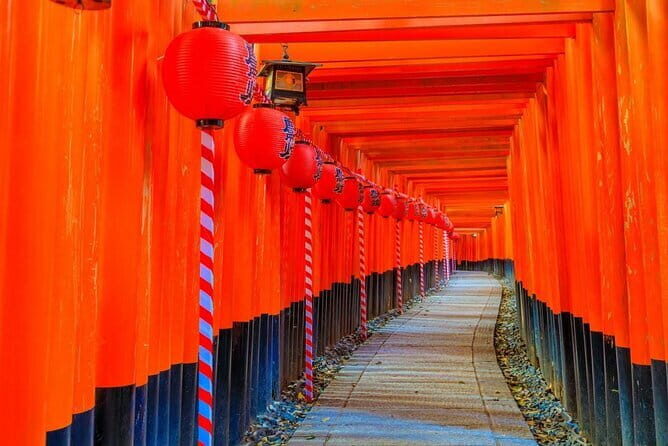
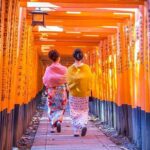
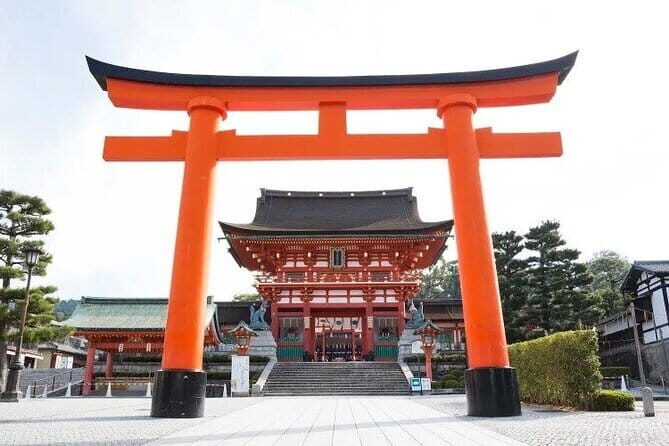
Next up is Fushimi Inari-taisha, famous for its Senbon Torii—thousands of torii gates climbing up the hillside. You’ll have about 70 minutes, including free time to explore, and the Fushimi Inari admission is included.
This stop is all about atmosphere. Even when you’re surrounded by other people, the torii tunnel effect is real. The gates create rhythm: walk, pause, look back, walk again. If you plan it right, you’ll get a few photos that feel like Japan, not like a background chorus.
Crowd reality check
Fushimi Inari can get packed, especially later in the day. With a tour schedule, you can’t always choose the absolute quietest moment. So your best move is to keep your expectations practical: enjoy the experience, then look for a slightly calmer pocket deeper into the route.
A good strategy for your 70 minutes
- Spend the first part orienting yourself—then decide how far up you want to go.
- If you see stairs that look tiring, remember you can turn around. You’re there for the torii world, not a summit mission.
- Bring water. The walk can feel longer than it looks.
Nara Park’s Deer Moment and Todai-ji’s Great Buddha
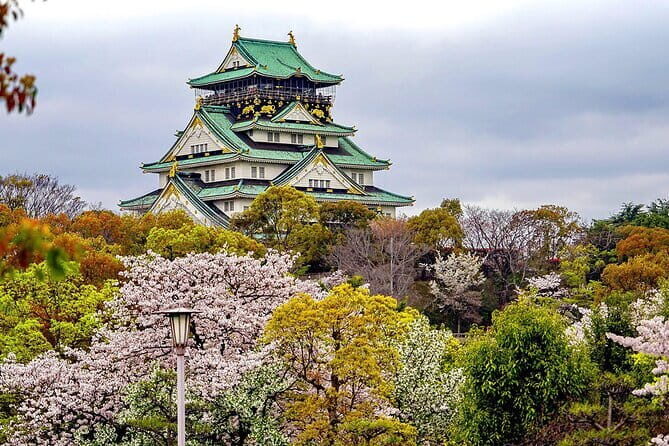
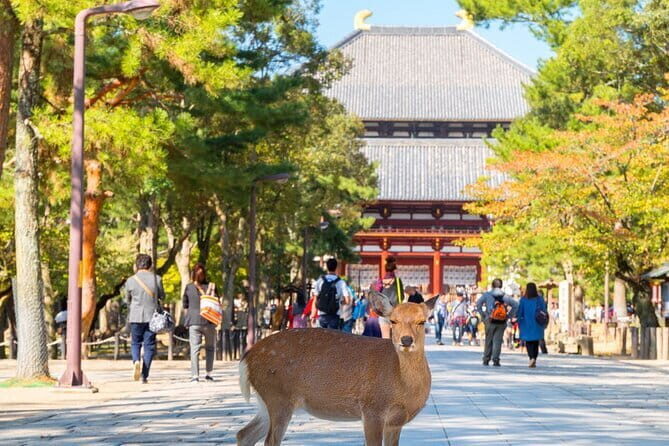
Nara Park is one of those experiences that sounds touristy until you’re standing there. You get about 1.5 hours of free time in Nara Park, and the park itself is free. The deer feeding and photo moment is the headline—but the real value is the setting: you’re in a park environment at the foot of Mt. Wakakusa, not trapped behind ropes.
Then you’ll head to Todai-ji Temple to see the Great Buddha. This is the “weight” part of the day. Todai-ji’s significance is hard to fake: it was built in 752 and is known for housing the Great Buddha. On this tour, Todai-ji admission is not included.
The two Nara phases
- Deer + park time
This is where you slow down and enjoy the liveliness. Just remember the deer interaction can be cheeky. Keep small items secure and don’t assume the deer will follow rules.
- Todai-ji + temple gravity
Todai-ji deserves your attention. The short time means you should move with intention—look for key areas first, then wander.
A possible timing issue to be aware of
Some days can feel rushed at the end, and the walking connections to Todai-ji can affect how much temple time you actually get. If you’re visiting in hot weather or you’re sensitive to walking distances, build in extra patience here.
Shinsaibashi in Osaka: The Place to Reset After a Big Day

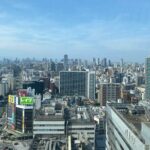
After the Kyoto and Nara sights, you’ll get about 1 hour to enjoy Shinsaibashi in Osaka. This is a good end-of-tour option because it’s practical: street life, shops, and easy access to transit.
Even better, this tour’s end point makes sense for many schedules. The tour ends in Osaka, and for people traveling from both Osaka and Kyoto meeting points, you’ll be dropped near Osaka Nihonbashi Exit 2 in the Shinsaibashi/Namba area. So if you’re planning to explore Osaka that evening, this part helps.
Why this matters for value
A lot of one-day tours dump you somewhere inconvenient. This one gives you an actual “after” option. In practical terms: you can head to dinner without immediately solving a transit puzzle.
Price and Time Value: Is $54 a Smart Use of Your Day?
At $54 per person, this tour is positioned as a budget-friendly way to stitch together multiple iconic destinations. What you’re paying for is not just the sights. You’re paying for:
- vehicle transport, including fuel costs and highway tolls
- a driver and guide service fee
- a guide who helps you manage a full day without getting lost in transit logistics
The tour also covers time inside a vehicle, which is expensive in your own energy. Even if you can technically travel between Osaka, Kyoto, and Nara on trains, you’ll spend time planning routes, buying tickets, and managing transfers.
What you still pay out of pocket
You’ll likely pay extra for Kiyomizu-dera and Todai-ji admissions, since those are marked as not included. Food and drinks are also not included, so budget for lunch and snacks.
When $54 feels like a steal
- You want the highlights with less planning stress.
- You’re okay with moderate walking.
- You value having an English-speaking guide to point out what’s worth your time.
When it might feel thin
If you’re craving deep, detailed commentary at every stop, this can feel more like “time management plus helpful pointers” than a fully narrated museum tour. Guide quality varies by day, and some schedules can reduce the amount of context you receive.
A smart move is to do a tiny bit of reading beforehand about Kiyomizu-dera, Senbon Torii, and Todai-ji. You’ll get more from the day even if commentary is brief.
Guide Styles Matter: What You Can Expect from the English Support

This experience leans on the guide to help you connect the dots. In past groups, you may encounter guides who are energetic and organized, and you might notice translators working across languages as well.
For example, guide names that show up in firsthand feedback include Kou Ran (Kosa), Lou, Anna, Amy Ono, Yang, Liu, Ana, Jason, and Eigai. That gives you a hint that the tour often runs with staff who take guiding seriously and keep you moving.
Still, don’t treat this as a guarantee of constant narration. Some days can feel more like guided logistics with short explanations at key points. If you’re the type who wants nonstop storytelling, arrive with your own questions and be ready to ask.
My practical tip
When you reach each stop, take a moment to decide what you want first: photos, main hall views, or the deeper walk. Then follow the guide’s pacing. You’ll feel like you’re driving your day, not just being transported.
Who This Tour Fits Best (And Who Should Skip It)
This is a great fit if you:
- are visiting Kyoto and Nara for the first time
- want major “signature” sights in one day
- prefer a local driver and an English-speaking guide over DIY transit
- don’t mind walking and want to see plenty fast
It may not be ideal if you:
- need to end the day in Kyoto (because the tour ends in Osaka)
- dislike crowded areas and stairs
- expect long, deeply explained site history at every stop
- travel with lots of luggage (you’re told not to carry luggage if you can help it)
Optional Kimono Moment: A Fun Add-On if You Plan Ahead
There’s an optional kimono experience available on this tour. The key detail is timing: you need to reserve in advance to fit it into the day. If you want kimono photos in Kyoto-style streets, this is the kind of add-on that can make the whole day feel more “you” instead of just “where we went.”
If you skip it, you’ll still enjoy the historic lanes and temple scenery.
Day-Planning Tips That Save You Stress
A few small rules here can make your day smoother:
- Don’t pack heavy luggage. One piece is allowed, and if you don’t note it, extra charges can apply.
- Keep your passport and valuables with you during the tour.
- Expect schedule adjustments for weather and road conditions.
Also, traffic can slow things on weekends and red days. If you’re sensitive to delays, consider traveling on a weekday.
Should You Book This One-Day Kyoto and Nara Highlights Tour?
Book it if you want a high-efficiency day that hits Kyoto’s most iconic temple views, Fushimi Inari’s torii gate experience, and Nara’s deer + Great Buddha—then hands you off near Shinsaibashi so you can keep going in Osaka.
Skip it or think twice if you strongly need to return to Kyoto at the end of the day, or if you dislike walking and crowds. The itinerary is compact by design, so it’s best for travelers who enjoy motion and don’t require a slow, classroom-style tour pace.
If you do book: show up ready to explore—good shoes, a bit of pre-reading about the big sights, and a realistic mindset about end-of-day logistics in Osaka. You’ll get a lot of Japan in one long, satisfying day.