REVIEW · OSAKA
Calligraphy Workshop in Namba, Dotonbori
Book on Viator →Operated by Calligraphy Workshop · Bookable on Viator
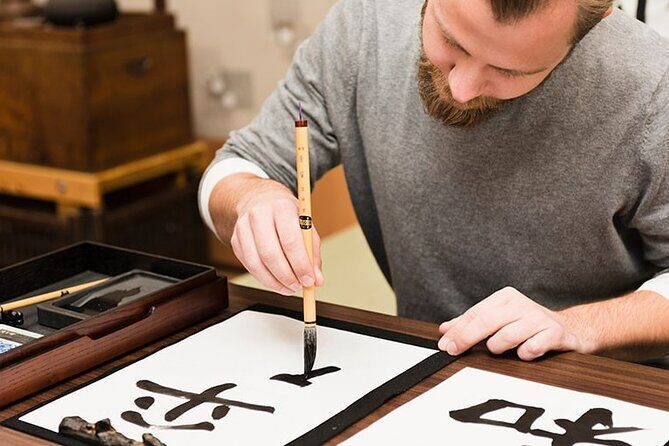
Downtown Osaka gets quiet for a reason. This 2-hour calligraphy workshop in Namba lets you practice shodo (Japanese calligraphy) with step-by-step help, using a brush and ink even if you’re starting from zero. I like how the instruction is structured, so you’re not left guessing while you hold a brush for the first time.
What I especially like is that you don’t just copy characters. You’ll write your own name in kanji or katakana, then take home a one-of-a-kind souvenir on colored paper or as a name tag. It’s a nice souvenir that feels personal, not generic.
One consideration: calligraphy takes focus, and the writing part can feel a bit challenging at first, even in a friendly, patient class. If you want a casual, low-effort activity, you may prefer something less skill-based.
In This Review
- Key Takeaways Before You Go
- A Peaceful Brush-and-Ink Break in Namba
- What You’ll Make: Your Name in Kanji or Katakana
- The Teachers and the Shodo Mindset
- How the 2-Hour Workshop Flows (Without Wasting Your Time)
- Where the Workshop Fits in Your Osaka Day
- Price and Value: What $49.54 Buys You
- Practical Notes for a Smooth Workshop
- Should You Book This Namba Calligraphy Class?
Key Takeaways Before You Go
- Beginner-friendly shodo coaching so you can keep up from character basics to writing your name
- A real keepsake: your name written in kanji or katakana on colored paper or a name tag
- Small group size (max 6) for more attention and less waiting
- English support is available through a translator in many sessions, based on what participants describe
- A calm class vibe tucked into the middle of busy Namba and Dotonbori
- Designed for your schedule: about two hours, and you’re back at the meeting point
A Peaceful Brush-and-Ink Break in Namba
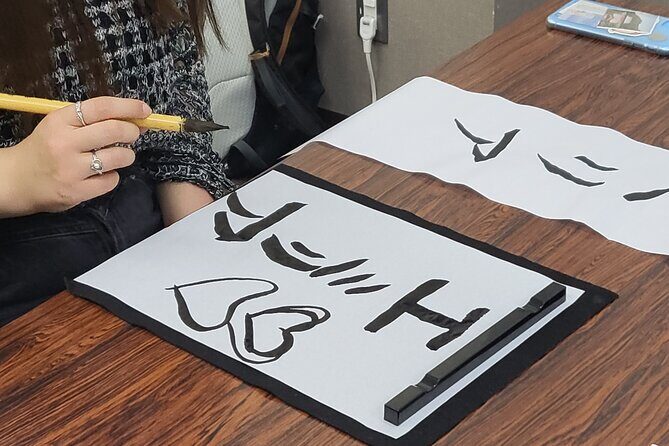
Namba is a great place to base yourself in Osaka. You get neon, crowds, and nonstop motion around Dotonbori, but right in the middle of it, this workshop creates a different mood: quiet concentration with ink and paper.
That balance is exactly what makes the experience feel worth your time. You get hands-on culture without spending half a day traveling between sights. And because the class is only about 2 hours, it fits cleanly into a full Osaka day—especially if you plan to eat around Dotonbori, Nihonbashi, or Kuromon Market before or after.
Also, the class is in a small group of up to 6, so it doesn’t turn into a mass activity where you watch more than you do. You’ll be able to follow along, ask questions, and get corrections while your brush is still moving.
You can also read our reviews of more tours and experiences in Osaka

What You’ll Make: Your Name in Kanji or Katakana
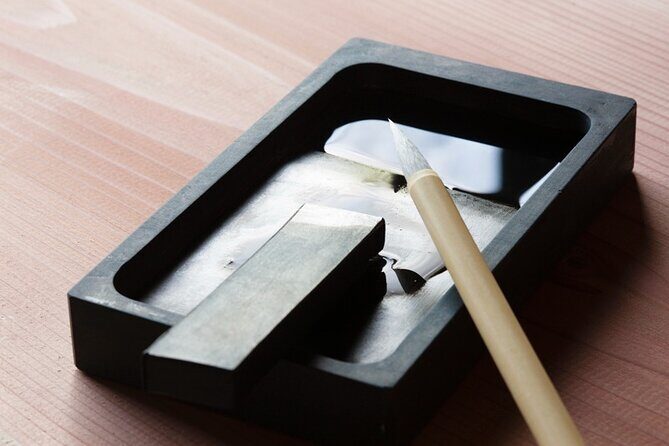
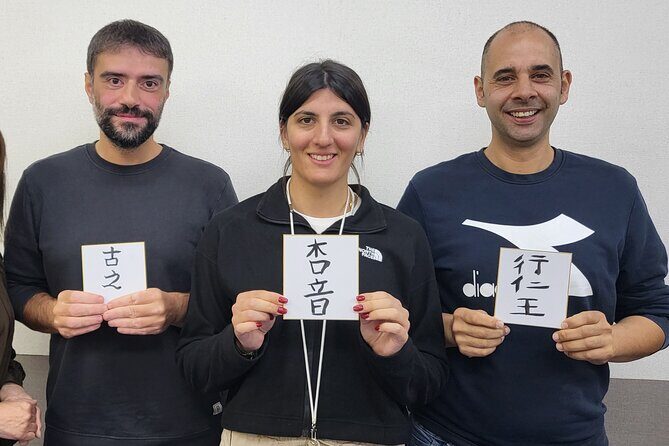
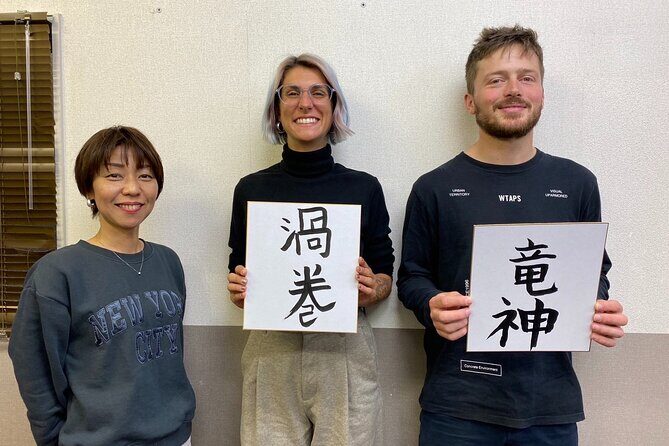
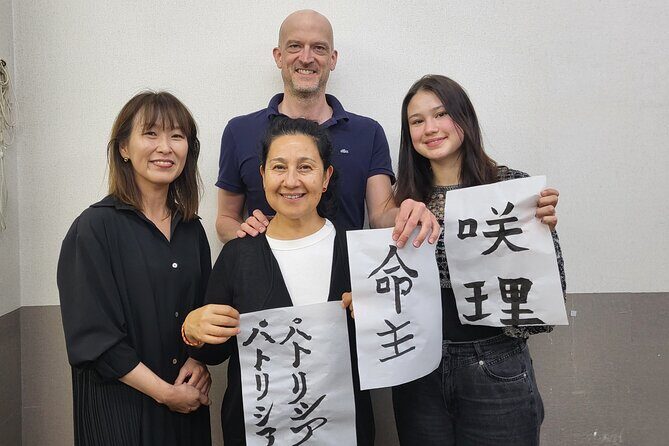
The most practical part of this workshop is the souvenir. At the end, you write your own name in Japanese—either kanji or katakana—and you take it home.
That matters because it changes the point of the class. This isn’t only about learning a few motions. It’s about making something you can show later and explain. Friends ask what it says; you can tell them you wrote it with a brush and ink in Namba.
You also get control over the style of your keepsake. The workshop uses colored paper or a name tag, so you aren’t stuck with one plain output. Even if your first character looks imperfect, it’s still yours—handwritten and made in real time.
One more nice touch: multiple participants mention learning not just how to write, but what the process means. So when you take your name home, it comes with context, not just a result.
The Teachers and the Shodo Mindset
Calligraphy in Japan isn’t treated like a craft hobby where you only care about the final look. It’s closer to a discipline—how you hold the brush, how you control pressure, how you plan each stroke.
In this workshop, you’re taught by a calligraphy instructor (you may hear names like Nao), with support from an English translator (names mentioned in feedback include Stephen/Stephan). That teacher-to-student setup is key. You’ll get clearer guidance than you’d get from a generic class where everyone follows one screen.
What stands out from participants’ descriptions is the combination of:
- instruction that feels patient and step-by-step
- explanations of the meaning behind calligraphy (including the idea of shodo)
- encouragement during the practice, which helps when the strokes feel tricky
If you’re worried you’ll be judged for your handwriting, relax. The class format is built for beginners, so you’re practicing technique and focus, not competing.
How the 2-Hour Workshop Flows (Without Wasting Your Time)
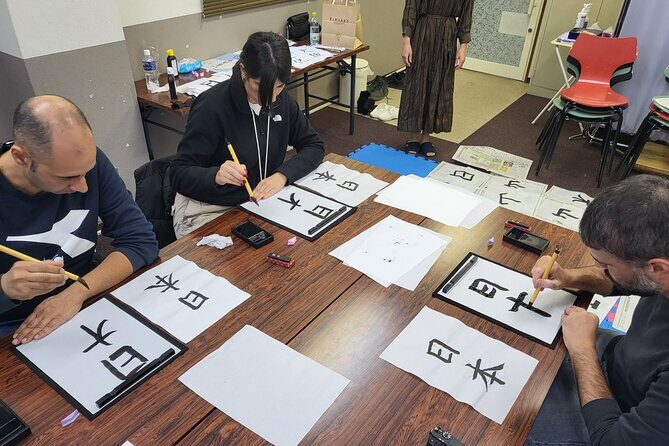
You’re looking at about 2 hours total, and the structure is built around momentum: learn, practice, write your name, finish your keepsake.
Here’s the practical flow you should expect:
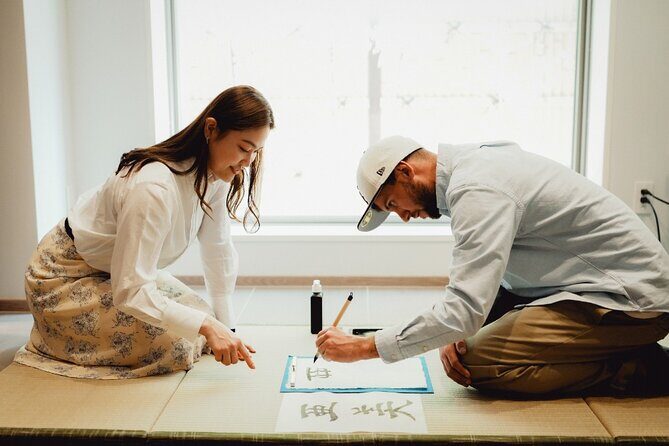
First comes the basics. You’ll get guided instruction on writing with a brush and ink. This is important because brushwork is different from a pen. The ink behaves differently, and the brush produces line variation based on pressure and speed.
Then you move into writing your own name. You’ll learn how to map your name into Japanese script—kanji or katakana—and you’ll practice the strokes needed for your characters.
Finally, you create the souvenir. The workshop’s goal is that you leave with an item you can bring home that looks like it came from a real class, not a worksheet you filled in later.
Because the group is small and the class is short, you’ll likely feel the time fly. That can be good. It means you’re not bored, and you’re not stuck in a long session where attention fades. The trade-off is that you’ll need to pay attention right away—if you check out for a few minutes, you’ll feel it when it’s your turn to write.
Where the Workshop Fits in Your Osaka Day
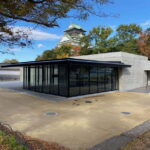
This class is based in Namba, and the meeting point is in the Naniwa Ward area around Nanbanaka. The workshop ends back at the same meeting point, so you don’t have to worry about crossing the city with ink-stained hands and a fresh souvenir.
From there, you’re close to major Osaka “walk and eat” neighborhoods:
- Dotonbori for bright street scenes and famous food stops
- Nihonbashi for shopping and traditional market energy
- Kuromon Market for browsing and tasting
So I’d plan it like this:
- If you like to start calm, do the workshop earlier, then reward yourself with a walk and street food afterward.
- If you prefer to explore first, do Dotonbori and Kuromon Market in the morning or afternoon, then return for a quieter, sit-down activity.
Either way, you’re smart to schedule the workshop with enough buffer. Calligraphy can create a relaxed pace, but it’s still focused. You don’t want to feel rushed by a later dinner reservation.



Price and Value: What $49.54 Buys You
At $49.54 per person for about 2 hours, the price is best understood as paying for instruction plus a take-home result you made yourself.
Here’s why it feels like fair value:
- You’re not just watching a demonstration. You’re writing your name in Japanese with guidance.
- The group is capped at 6, which usually means more individual help than larger classes.
- You get a physical keepsake—something you can carry home without needing to buy supplies later.
- You’re learning what shodo means, not only copying strokes.
The one “value” check I’d make is your expectations. If you’re hoping for a heavy museum-style lecture or a long, multi-day skill building session, this is not that. It’s a short, well-paced workshop. The payoff is the personal souvenir and the basics you can practice afterward.
Also, the average booking window is about 38 days in advance. That suggests it’s not a class that’s always easy to grab last minute, so I’d reserve when you know your Osaka dates.
Practical Notes for a Smooth Workshop
A few details from the way the experience is run are worth keeping in mind:
You’ll be near public transportation. The meeting point is in Namba and listed as close to transit, which helps if you’re bouncing between Osaka areas in the same day.
Bring patience with yourself. Even people who feel confident about trying new things often find brush calligraphy “harder than it looks.” That’s normal. The learning is the point.
Watch for wayfinding. One participant suggested there wasn’t enough signage near a nearby business. That doesn’t mean you’ll get lost, but it’s a good reminder to arrive on time and look for the correct building entrance on Nanbanaka.
You’ll finish with something you can display. That’s the best souvenir kind: personal, easy to understand, and tied to an actual skill you tried—not just a printed postcard.
Should You Book This Namba Calligraphy Class?
I’d book it if you want a short, meaningful Osaka activity that feels distinctly Japanese and hands-on. It’s a strong pick for solo visitors, couples, and families—especially if you like the idea of leaving with your own written name in kanji or katakana.
You should think twice if your main goal is high-energy sightseeing, because this is a focused sitting class. Also, if you hate anything skill-based that requires attention to small details, you may find the brushwork frustrating at first.
But if you’re curious about shodo, want a real keepsake, and like learning with your hands, this is an easy “yes” for a downtown Osaka day.