REVIEW · OSAKA
Osaka: Private Discovery Tour with a Local
Book on GetYourGuide →Operated by City Unscripted · Bookable on GetYourGuide
Osaka, walked at local speed. This private discovery tour pairs you with a local host for a 3-hour mix of big-name sights and everyday Osaka, with the route adjusted to your interests and how you like to move. You’ll get orientation fast, plus the kind of practical answers that usually take days of trial and error.
I especially like two things: you’re matched to a host based on your personality and what you want out of Osaka, and you can ask questions as you go about culture, etiquette, and where to eat. One drawback to plan for: food, attraction tickets, and transit costs aren’t included, so your total spend depends on what your host suggests and what you choose to pay for.
In This Review
- Key highlights that make this tour work
- How the local host match shapes your Osaka plan
- 3 hours is the sweet spot for first-time orientation
- What you’ll see: major sights plus everyday Osaka context
- How your host helps you navigate Osaka transport without stress
- Asking the questions you actually have, in plain language
- Price and value: why $114 can be a smart use of time
- Walking vs. transit: what to expect on the ground
- Your guide’s English support makes the difference feel real
- Who this private Osaka tour suits best
- Tips to get the most from your 3-hour window
- Should you book this private discovery tour?
- FAQ
- How long is the Osaka private discovery tour?
- Is this tour private or shared?
- What languages is the guide available in?
- What’s included in the tour price?
- Are food, tickets, and transit included?
- Where do we meet, and where does the tour end?
Key highlights that make this tour work
- A true private format with a single local host, so the pace and stops can match you
- Personality-based matching before you meet, which helps the itinerary feel tailored rather than generic
- Walking plus public transport so you learn the city flow, not just one neighborhood
- Cultural practice context, with possible shrine stops and explanations you can actually use
- Practical food and planning tips to help you make the rest of your trip easier
How the local host match shapes your Osaka plan
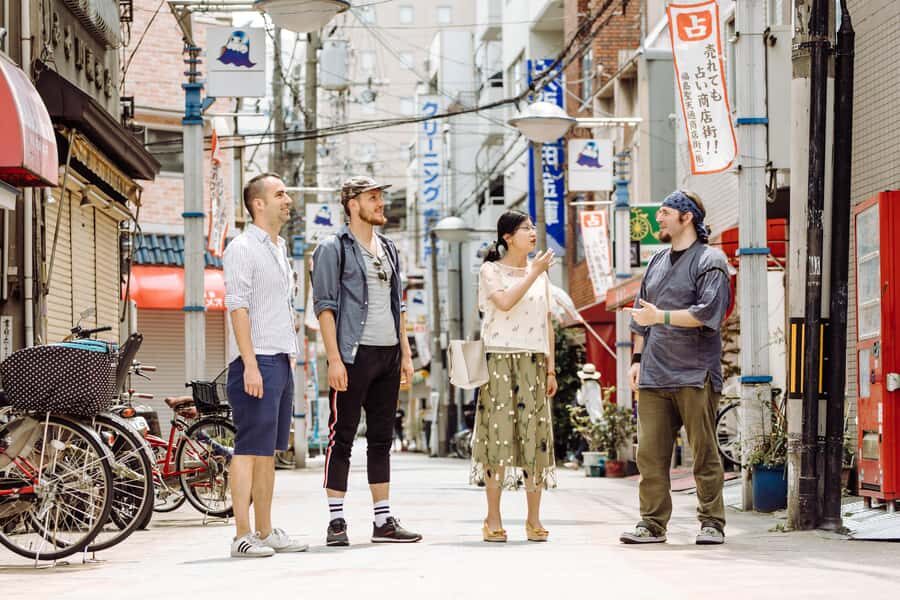
The best part of this tour is that you’re not stuck with a prewritten route. After you book, your local host reaches out within 24 hours to learn what you care about and how you want to spend the time. Think of it as the difference between following a map and having someone help you build a short game plan.
You’ll also agree on a meeting time and place through direct communication with your host. During the tour, the route stays flexible. If you change your mind mid-walk, you can pivot on the spot. That matters in Osaka, where different areas feel like different cities, and where one weather shift can make you want to trade an outdoor stretch for something more comfortable.
From the reviews, guides like Andre, Akira, and Hiro have stood out for being professional and friendly, with Akira called out for excellent English and for adjusting to physical limitations. That last point is worth noting: since this is a private setup, you’re more likely to get a route that fits how you actually move, not just how a group schedule moves.
You can also read our reviews of more private tours in Osaka

3 hours is the sweet spot for first-time orientation
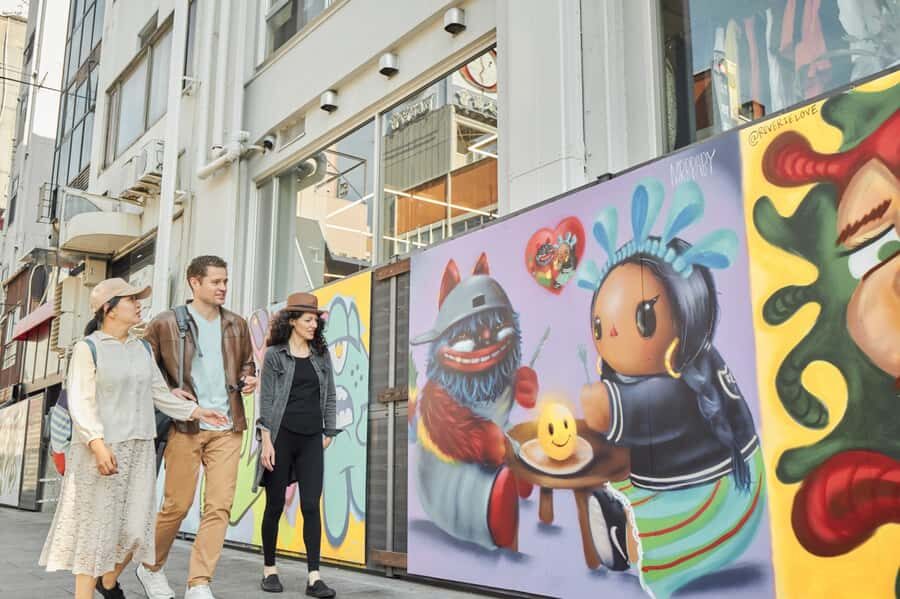
Three hours sounds short until you’re in Osaka and realize how quickly your brain needs structure. This tour is built for that moment. You start at a central-style meet-up option (hotel meet-up is available for central locations) or meet the host in front of a shop, and then you loop through the areas your host designed for you.
You’ll likely combine walking and public transport, depending on what’s best for your itinerary. That’s a big value point because you don’t just “see” the city—you learn how to get from place to place. Even if you’ve used transit before, a local can point out the quickest approach for the route you actually need, and help you avoid the time-wasters that happen when you’re figuring it out while hungry and jet-lagged.
Your tour ends back at the meeting point. That keeps the day tidy. You don’t have to wonder how to finish the last mile or whether your return plan will work with the rest of your evening.
What you’ll see: major sights plus everyday Osaka context
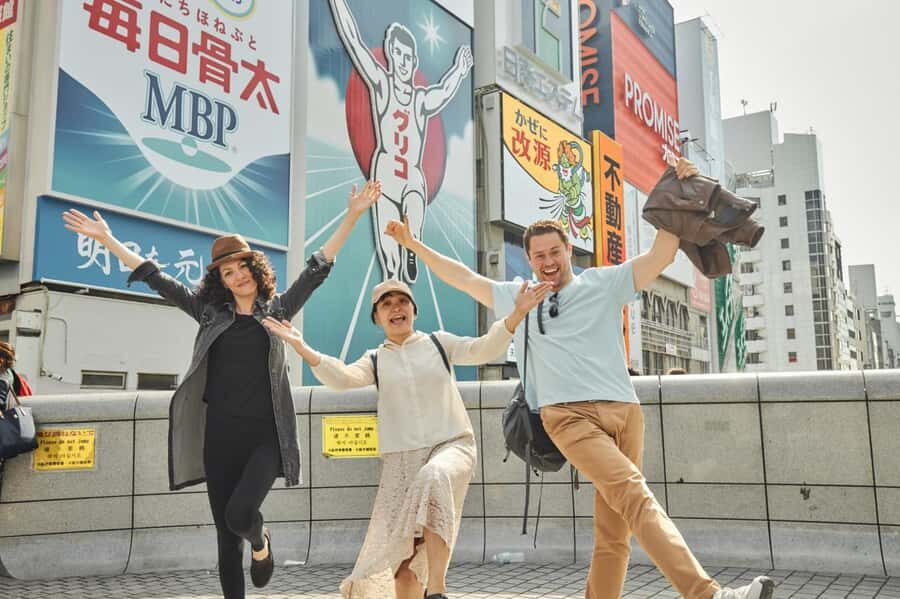
This is described as a tour of famous landmarks alongside lesser-known local stops. The key is that the itinerary is personalized, so the mix can shift. One day your host may lean more toward high-recognition tourist areas. Another day you might spend more time on quiet streets and cultural practice, depending on your interests.
Expect at least a quick orientation through the main sights in the area. The goal isn’t to “tick off” everything in Osaka in one go. It’s to give you context: what you’re looking at, why it matters, and what you should pay attention to when you return on your own.
Cultural practice also comes into play. The tour includes possibilities like visiting a shrine, and it’s paired with explanations about what you’re seeing and how to behave. That kind of guidance can make a big difference, because shrines and ceremonies can feel confusing if you’re unsure what’s expected. If culture is one of your priorities, you’ll likely appreciate that your host can tailor what they explain to your questions in real time.
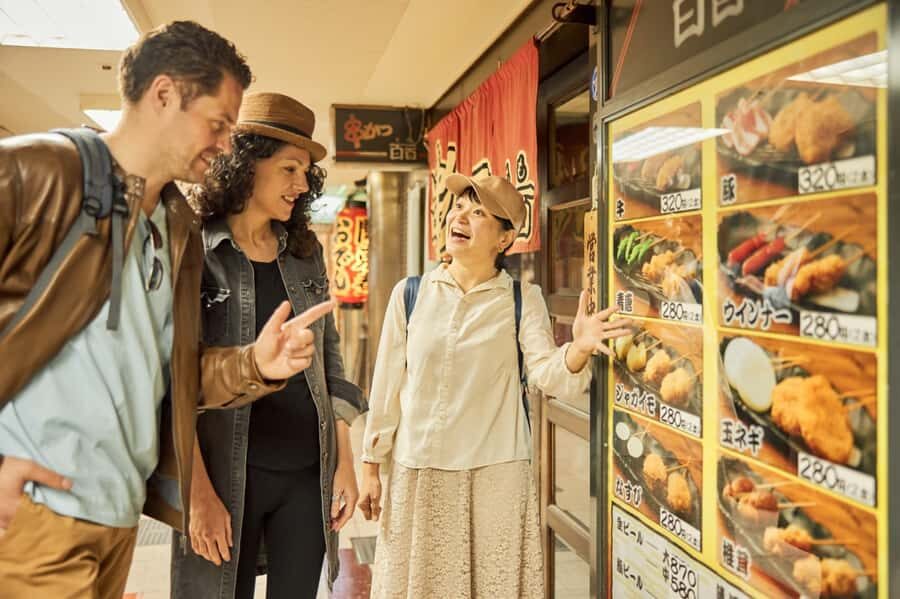
And because Osaka is famous for food energy, you may stop to try authentic street food (food itself isn’t included, but your host can guide you to good places). The value isn’t just taste—it’s knowing what to order and where to go without guessing.
How your host helps you navigate Osaka transport without stress
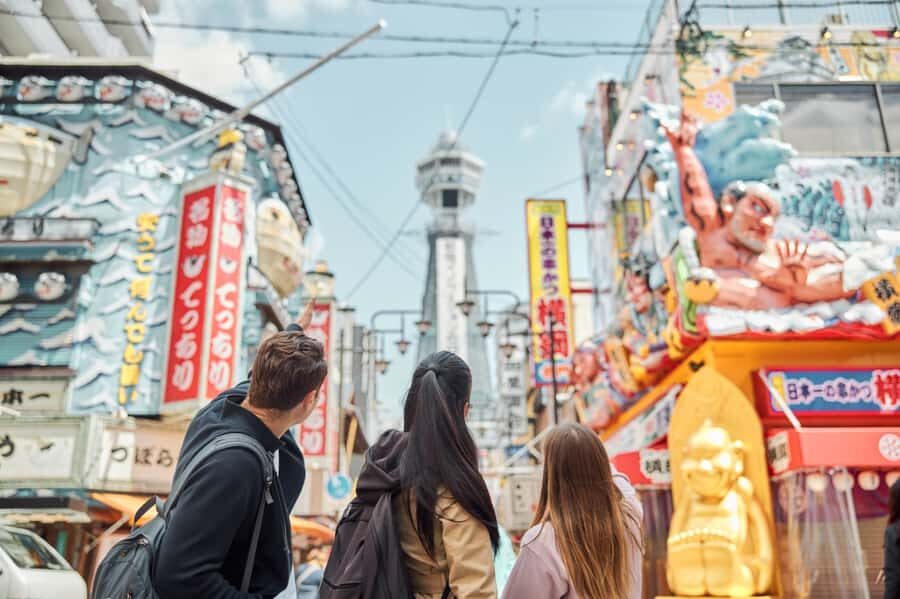
You’ll get familiar with the best ways to move around Osaka using its transport systems. That sounds abstract, but it’s practical. When you’re on your own, you often spend time re-checking routes, second-guessing station transfers, and trying to figure out what’s walkable versus not.
With a local host, you’re learning by watching how they make decisions: what route makes sense for time, what station approach saves effort, and how to keep moving smoothly during peak foot traffic. Since the tour can shift between walking and public transport, you’ll also learn the trade-offs—when it’s better to walk for atmosphere and when transit helps you avoid unnecessary detours.
One thing to keep in mind: transport costs aren’t included. Your host can show you the best way to go, but you’ll still pay for the rides you take. The upside is that the knowledge you gain can reduce your costs for the rest of your trip, because you won’t be learning the system from scratch every day.
Asking the questions you actually have, in plain language
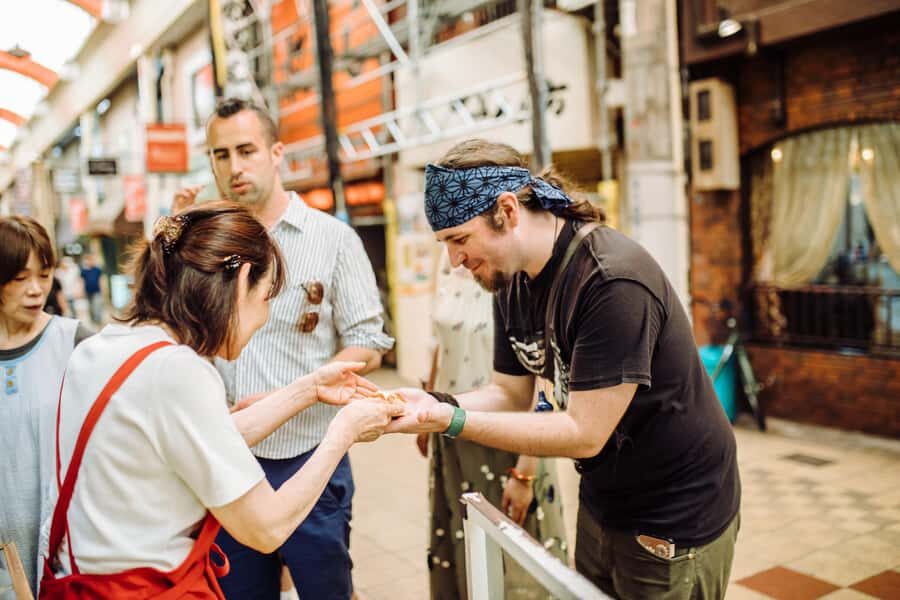
A big reason people book a private local tour is for the conversation. This one explicitly invites questions about exploring Osaka, cultural practice, and where to eat. That’s important because it shifts the tour from sightseeing to problem-solving.
Here are the types of questions that fit perfectly with what this tour is designed to do:
- Where should I go next after this, based on what I liked today
- What’s the basic etiquette around shrines and common cultural customs
- Where do locals tend to eat in the areas we’re passing
- If I only have one more evening, what would you prioritize and why
Your host can also adjust the route if they think something you’d enjoy is just around the corner, or if weather changes the plan. That flexibility can save you from the classic vacation situation where everyone stands around waiting for a scheduled time while the weather and energy move on.




Price and value: why $114 can be a smart use of time
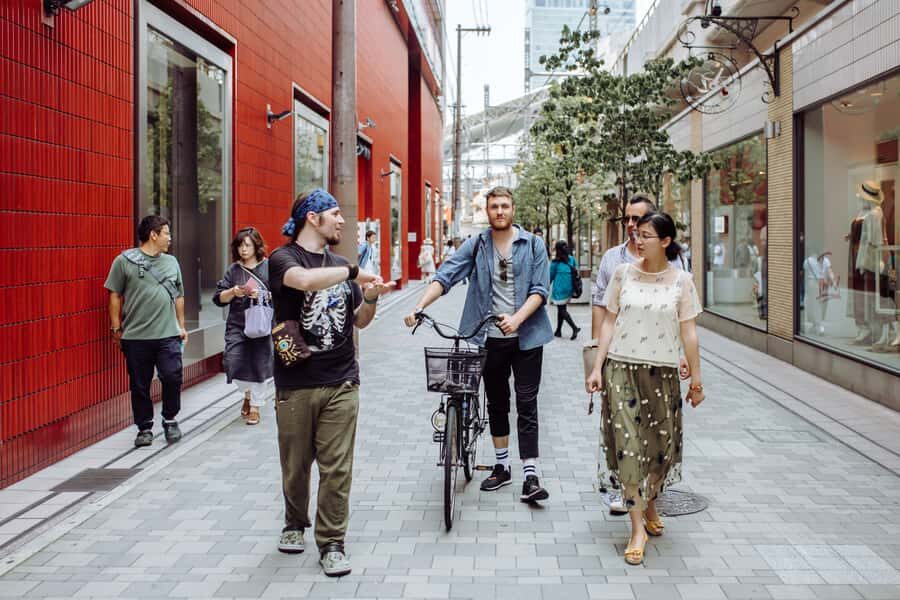
At $114 per person for 3 hours, this tour sits in the “worth it if it saves you time” category. Since it’s private, you’re paying for personalization: someone to match your interests, build a route around those interests, and keep you moving efficiently.
The value is strongest if:
- You want orientation in your first day or two
- You’d rather spend time learning where to go than searching online for hours
- You care about cultural practice and food, and want direct answers
- You want flexibility to change your mind during the tour
The math changes a bit because food and drinks aren’t included, and tickets to attractions aren’t included either. Transportation costs aren’t included either. So your total day spend might be higher if you choose to buy street food, pay for entry tickets, or take transit frequently.
Still, the trade-off can be favorable. If your host helps you make good choices quickly—where to eat, what to skip, and how to move between areas—you may end up spending less overall than if you fly solo and have to “fix” a bad plan later.
Walking vs. transit: what to expect on the ground
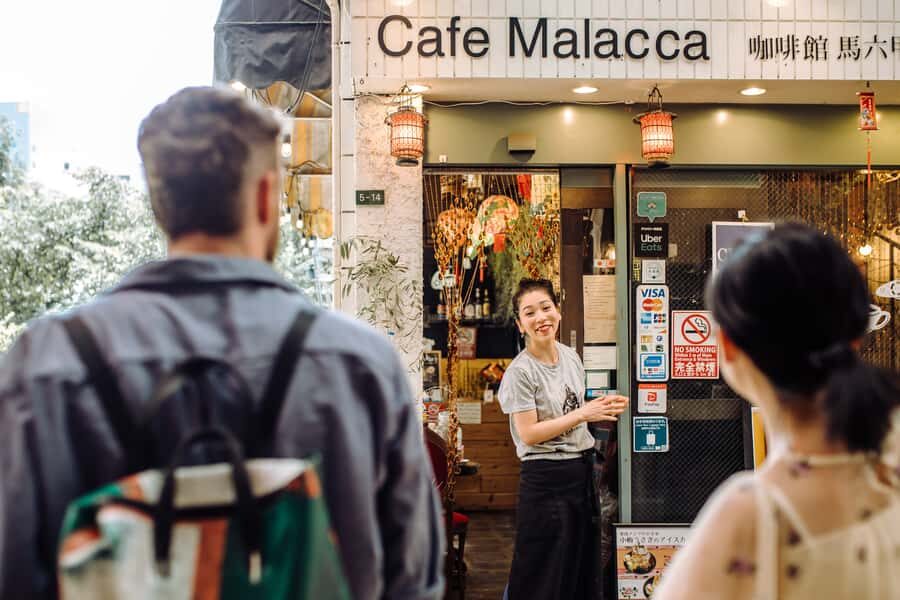
Because this is described as either walking or using public transport, your experience may feel different depending on your itinerary and your preferences. Walking can be great for Osaka’s street-level energy and quick sightlines. Transit can be better if your route needs to cover multiple areas without draining your legs.
The tour is also listed as wheelchair accessible. Since it’s private, that accessibility matters more than it might in a large group setting. One of the reviews specifically praised Akira for accommodating physical limitations, which suggests hosts may be willing to adjust routes and pacing where they can.
If you have mobility concerns, it’s smart to communicate those during the host message after booking, so the itinerary is built around your comfort level from the start.
Your guide’s English support makes the difference feel real

This tour runs with a live guide in English and Japanese. That matters because the best guidance isn’t just directions—it’s context. If you want to ask why something is done, what a custom means, or what to look for in a shrine setting, you need language clarity.
Reviews highlight guides who speak English exceptionally well, including the kind of professional polish you want when you’re asking practical questions. Hiro was described as very enjoyable, and Andre was praised for taking people to areas they wouldn’t have found on their own, even though time ran short. That’s a good reminder: a private tour can pack in a lot, but if you want extra stops, you’ll probably want to build that into the itinerary request.
Who this private Osaka tour suits best
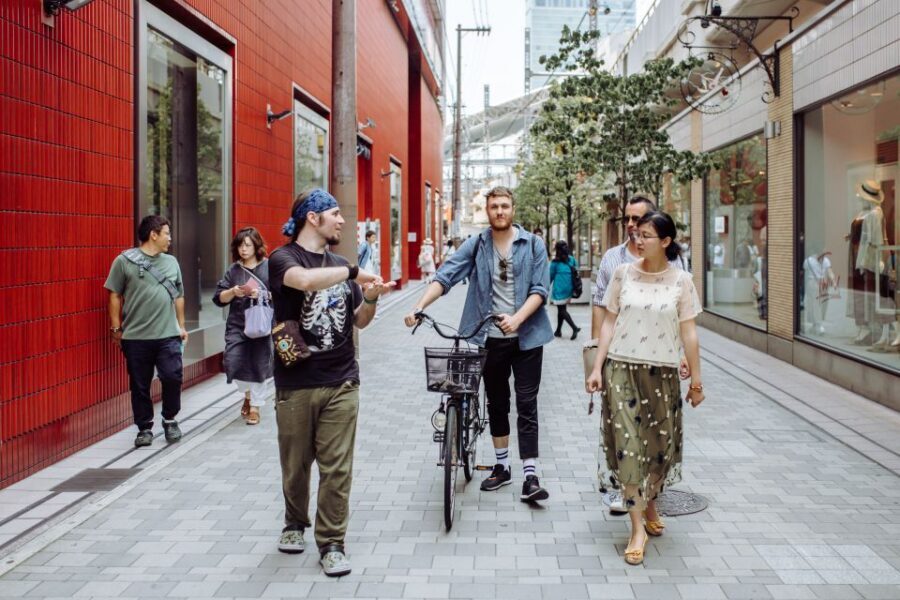
This experience is a strong match if you’re the kind of traveler who wants a shortcut to confidence. You’ll enjoy it if you:
- Want a tailored plan instead of a rigid group itinerary
- Like asking questions about culture and etiquette
- Appreciate local food guidance, even if you pay for what you eat
- Prefer learning the transport system with help, then wandering on your own afterward
It’s also a fit if you’re traveling with someone who has specific needs, since the route can be adjusted.
You might skip this tour if you’re the type who wants to spend the entire day roaming with zero structure, or if you have a very inflexible schedule that can’t handle itinerary tweaks due to weather or your own changing interests. Private tours are flexible, but they still take time.
Tips to get the most from your 3-hour window
Before you meet your host, think about what you want to walk away with. You’re paying for an experience that should leave you better prepared to explore the rest of Osaka.
Bring a quick plan with two or three priorities:
- One cultural interest (shrines, etiquette, traditions, or daily life)
- One food target (street food style, casual local meals, or a type of snack you want to try)
- One practical need (best way to get around, where to go next, or what to avoid)
During the tour, keep asking. The tour is designed for questions, and your host can steer you toward places you might not find alone. If you see something you like, say so early—private time works best when you communicate preferences quickly.
And since tickets and food aren’t included, decide in the moment. Your host can point you to options, but you control what you pay for.
Should you book this private discovery tour?
I’d book it if you want Osaka to feel easier on day one. The biggest payoff is the combination of a personal match plus practical guidance on how to move around and what to focus on. At $114 for a private 3-hour experience, you’re paying for time savings and better decisions, not just photos.
I’d hesitate only if you’re already fully comfortable navigating Osaka and you’re happy planning on your own without much guidance on culture, food, or etiquette. In that case, the extra cost may not feel worth it once you add potential extras like food and transit.
If your goal is to start your Osaka trip with clarity—what to do, where to go, and how to behave—this tour is built for that.
FAQ
How long is the Osaka private discovery tour?
It runs for 3 hours.
Is this tour private or shared?
It’s a private group experience, with you and your matched local host.
What languages is the guide available in?
The live guide is available in English and Japanese.
What’s included in the tour price?
Included are the private personalized experience, 3 hours with a local host, hotel meet-up for central locations (where available), and a walking experience.
Are food, tickets, and transit included?
No. Food and drinks, tickets to attractions, and transportation costs are not included.
Where do we meet, and where does the tour end?
You meet the host in front of a shop. The tour ends back at the meeting point.