Osaka temples do wellness better. This calm experience blends a foot bath with aroma oil massage, matcha facial care, and an ending tea ceremony in a traditional temple setting.
I especially like the small-group feel (up to 3 people) and the full cultural package: kimono staff, yukata dressing, and a complimentary photo you can take home.
One thing to think about: at $260.61 for about 3.5 hours, this is a splurge. If you only want a quick massage and nothing else, it may feel like more time and spending than you need.
In This Review
- Key highlights at a glance
- Temple Welcome and the Quiet Setup You Feel Immediately
- Foot Bath to Oil Massage: The Transition That Makes the Whole Session Work
- Fascia Release With a Bamboo Stick: Where Relaxation Gets More Targeted
- Matcha Facial Pack: Skin Care That Ties Into the Culture
- Head Spa After Your Bodywork: The Stress Melt Stage
- Tea Ceremony Finale With Traditional Sweets: Your Cultural Signature Memory
- Price, Timing, and Who This Osaka Temple Session Suits Best
- Smart Tips So Your 3.5 Hours Feel Effortless
- Should You Book the Zen Japanese Massage, Head Spa, and Matcha Facial?
- FAQ
- How long is the Zen Japanese Massage, Head Spa & Facial at the Temple?
- What’s the total price per person?
- What’s included in the session?
- Do I get to wear a yukata?
- Is matcha part of the experience?
- Is it a small group?
- Is it near public transportation?
- Can I cancel for free?
Key highlights at a glance
- Kimono welcome and yukata option: You get the temple calm plus a classic outfit moment.
- Foot bath to start: It helps you settle in before the bodywork begins.
- Aroma oil massage + essential oil choice: You pick the scent you’ll smell for much of the session.
- Bamboo fascia release: A focused technique aimed at deep tightness.
- Matcha facial pack and head spa: You finish with face and scalp relaxation, not just muscles.
- Tea ceremony with traditional sweets: The finale is part ritual, part treat.
Temple Welcome and the Quiet Setup You Feel Immediately
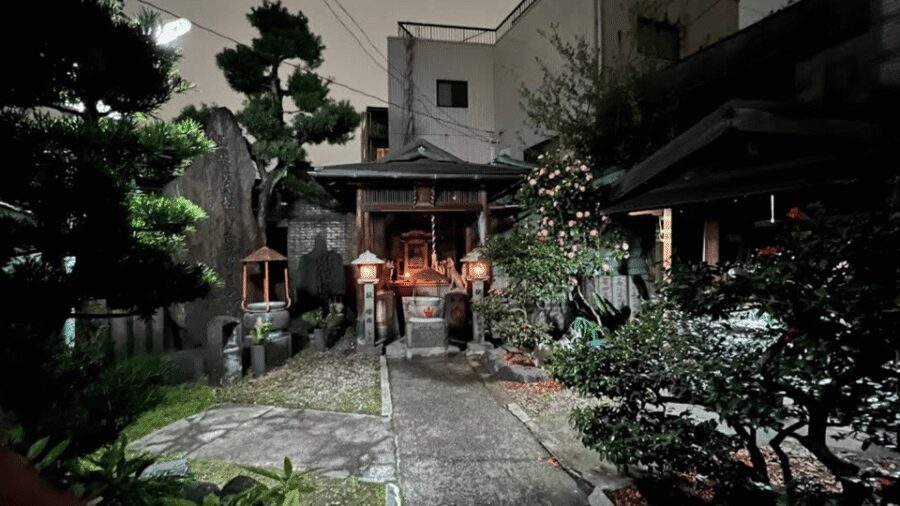
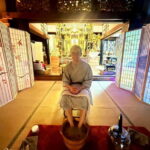
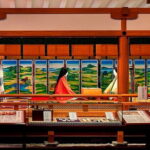
The first thing you notice is the pace. This isn’t a rush-through wellness stop. Staff in traditional kimonos greet you, and you’re given a chance to wear a yukata so you feel like you’ve stepped into a slower, older Osaka.
That matters because the session is built like a full reset. You’re not just lying on a table for 60 minutes and calling it a day. The flow starts gently, with space to breathe and adjust to being at a temple location rather than a typical spa.
You’ll also get an explanation from staff about the temple and how worship is done, using guidebooks. That turns the setting from background scenery into something you understand while you’re relaxing. It’s a small thing, but it makes the whole hour-by-hour experience feel intentional, not random.
Practical note: you get a mobile ticket, and the activity ends back at the meeting point. So you’re not wandering off into the city halfway through. You can treat this like a dedicated wellness block inside your day.
You can also read our reviews of more tours and experiences in Osaka
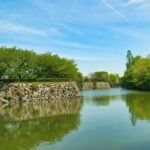
Foot Bath to Oil Massage: The Transition That Makes the Whole Session Work
The schedule moves in a smart order. First comes a relaxing foot bath. It’s simple, but it sets the tone. Your muscles warm up, your body shifts out of travel mode, and your mind stops scanning the next thing on your list.
Then you move into a full-body oil massage. You get to use an essential oil you prefer, which is more important than it sounds. Scent affects how your body holds tension. The right aroma can make the massage feel smoother and more calming. Even if you’re not the kind of person who cares about fragrances, this is still a nice touch because you’re not stuck with a generic smell.
Oil massage is also a comfortable entry point before more focused work. If you’re the type who dislikes intense pressure right away, this first stage gives your body a gentler ramp-up. If you love deep bodywork, you can still enjoy it here, but the best part is how it prepares you for what comes next.
You’ll be fully taken care of throughout, which is part of the value. You don’t have to figure out timing or translation beyond what staff explain. For a lot of people, that’s the real luxury: someone guides you through a structured relaxation sequence from start to finish.
Fascia Release With a Bamboo Stick: Where Relaxation Gets More Targeted
After the oil massage, you’ll experience fascia release using a bamboo stick. This is the part of the session that feels more specific and technical than a basic massage. The goal is easing deep tightness, not just loosening surface muscles.
What should you expect? Think of it as focused, methodical pressure and movement. The bamboo tool changes the feel compared with hands or typical massage techniques. It can feel firm and intentional, and if you carry tension in places like shoulders, back, or legs, this is where you’re likely to notice the session working on those stubborn spots.
Important consideration: fascia work can feel intense depending on your body and your therapist’s approach. If you’re sensitive to pressure or you’re managing a sore area, tell staff your preference early. This is one of those times where communication is what keeps the experience comfortable.
To me, this stage is one reason the session earns its price. It’s not just “relax, then relax more.” It’s a structured blend: comfort first, then targeted release, then a soothing finish for your head and skin.
Matcha Facial Pack: Skin Care That Ties Into the Culture
Next is a matcha facial treatment using high-quality matcha. You’ll get a facial pack designed to nourish your skin, and the matcha theme carries through the whole experience so it doesn’t feel like a random product splash at the end.
A matcha facial makes sense here because the session includes tea ceremony at the finale. You’re experiencing matcha in multiple forms—skin care during the middle, then a ceremonial drink and sweets later. That connection helps you remember the day as one coherent experience instead of a list of unrelated services.
Also, the facial stage pairs nicely with the massage stages before it. Your body is already warmed and relaxed, so your face and scalp work lands better. You’re not going into skincare while you’re still tense and stiff.
If you care about skincare, you’ll likely enjoy that the facial isn’t presented as a gimmick. It’s described as a treatment using matcha to nourish your skin. If you don’t usually buy fancy skincare, you might still appreciate it because it feels like a special ritual rather than a product commercial.
Head Spa After Your Bodywork: The Stress Melt Stage
Then comes the head spa, which is the payoff for a lot of people who hold tension in their neck, shoulders, and scalp without realizing it. Once you finish bodywork and facial care, the head spa feels like the session’s final layer—less about working out tight muscles and more about letting your nervous system downshift.
It’s also a smart timing choice. You’re unlikely to be mentally or physically fresh after the earlier stages, so doing head care near the end helps you finish in a calmer state. The contrast is what makes it satisfying: you started by warming and relaxing your feet, and you end by clearing your head.
This is also where the small-group format helps. With only a few people in the session, the overall vibe stays quiet. You can truly treat it as relaxation, not as background activity while you chat and wait your turn.

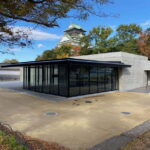


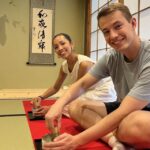
Tea Ceremony Finale With Traditional Sweets: Your Cultural Signature Memory
The tour ends with a tea ceremony and traditional Japanese sweets. This part is valuable because it’s not tacked on as entertainment. It’s a ritual that matches the tone of the massage and skincare—slow, focused, and grounded.
If you’ve been bouncing around Osaka all day, this finale gives you a “close the loop” moment. Instead of rushing out to your next plan, you sit down and let the experience settle. You get a cultural touchpoint you can actually remember, because it’s part of the physical flow of your day.
One more detail that boosts the memory: you’ll have a complimentary photo from the yukata moment. In the experience reviews, people also mention that staff make sure to take photos and even short films. That means your day doesn’t vanish into your camera roll as blurry shots of buildings. You’ll leave with something specific to remember the temple atmosphere and your outfit moment.
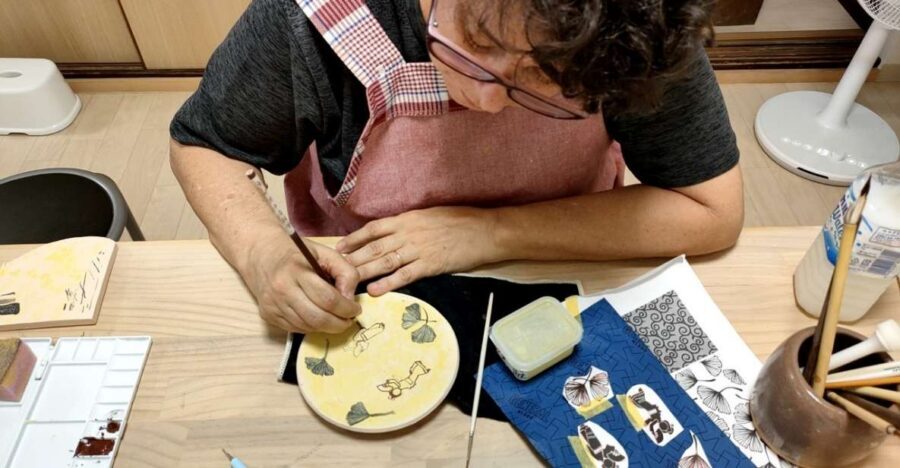
And if you’re curious about matcha, you’ll likely appreciate the matcha-focused learning element. Reviews specifically mention learning more about matcha, and there’s mention of matcha making as part of the overall experience. Even if your main interest is massage, that learning piece adds depth without derailing the relaxing schedule.
Price, Timing, and Who This Osaka Temple Session Suits Best
At $260.61 per person, this isn’t a casual impulse purchase. But when you break it down, the value becomes clearer: you’re getting a structured sequence—foot bath, oil massage, fascia release with bamboo, matcha facial treatment, head spa, plus a tea ceremony with sweets.
You’re also paying for guidance and a curated setting. You’re not figuring out how to dress for the moment, where to go inside a temple, or how the ritual part works. Staff handle explanations about the temple and worship, and you get a yukata photo without needing to coordinate with a separate photographer.
Timing is also a big deal. The activity is about 3 hours 30 minutes including the full flow, with the course described as a 180-minute experience. That’s long enough to matter, but not so long you feel trapped. It can be a great reset day-start or day-break plan if you want to recharge after travel.
Who should book?
- You want a calm, temple-based wellness experience, not a crowded spa.
- You like cultural context and enjoy ritual details like tea ceremony.
- You’re curious about matcha beyond just drinking it.
- You’re okay with a longer “session day” that includes massage plus skin and head care.
Who might skip it?
- You’re on a tight schedule and want something shorter.
- You only want a basic massage and would rather spend time seeing the city.
- You don’t want any facial or tea ceremony components and would feel time is wasted.
Smart Tips So Your 3.5 Hours Feel Effortless
A temple spa works best when you treat it like a mini retreat, not a checkbox. A few practical things help:
- Pick an essential oil scent you truly like. You’ll smell it during the oil massage, so it should match your mood.
- Tell staff if you prefer lighter pressure. Especially before bamboo fascia release, communicate what feels comfortable.
- Go in with a relaxed mind. The session includes worship explanations and a tea ceremony. Even if you don’t know the background, staff guide you with guidebooks.
- Plan your day around it. You’ll likely feel noticeably relaxed afterward, so schedule an easy next step—something low-key.
- Bring nothing complicated. A mobile ticket is used for this experience, but you’ll also be changing into a yukata. Keep your day bag simple.
- Use the photo moment. Get it done with a good pose and a calm face. It’s part of the memory you’re taking home, and staff handle it.
If you want one extra win: arrive having already decided you’ll enjoy the full sequence. When you commit to the arc—warm start, deep release, matcha skincare, head spa, tea ceremony—the experience feels complete.
Should You Book the Zen Japanese Massage, Head Spa, and Matcha Facial?
I’d book this if you want Osaka wellness that feels grounded in Japanese tradition, not just a body rub. The strongest reason is the full, coordinated flow: foot bath → oil massage → bamboo fascia release → matcha facial → head spa → tea ceremony, plus the yukata photo.
The biggest reason to hesitate is the splurge pricing. If you’re chasing a bargain, look elsewhere. But if you want a day reset with cultural structure and multiple relaxation stages, this is a high-value way to slow down in Osaka.
If you like massages that go beyond generic, and you enjoy matcha as a theme rather than a single product, you’re the exact person this is built for.
FAQ
How long is the Zen Japanese Massage, Head Spa & Facial at the Temple?
The experience is described as a 180-minute course, with an approximate total duration of 3 hours 30 minutes.
What’s the total price per person?
The price is listed as $260.61 per person.
What’s included in the session?
It includes a welcome in kimono, an optional yukata experience with a complimentary photo, a foot bath, a full-body oil massage with essential oil, fascia release with a bamboo stick, a matcha facial pack, a head spa, tea ceremony, and traditional Japanese sweets.
Do I get to wear a yukata?
Yes, you have the opportunity to wear a yukata.
Is matcha part of the experience?
Yes. You get a matcha facial pack, and the experience ends with a tea ceremony. There is also mention of matcha learning and matcha making as part of the overall experience.
Is it a small group?
Yes. The maximum group size is 3 travelers.
Is it near public transportation?
Yes, it is noted as being near public transportation.
Can I cancel for free?
Free cancellation is available. You can cancel up to 24 hours in advance of the experience for a full refund. If you cancel less than 24 hours before, the amount paid is not refunded.