REVIEW · OSAKA
Nara Deer Park, Uji Matcha, & Hot Spring Full-Day Tour from Osaka
Book on Viator →Operated by Hotel Takitei · Bookable on Viator
Deer, matcha, and hot springs in one day. This full-day tour links Nara Park with major Buddhist sights, then shifts gears to Uji’s matcha streets and a natural hot spring finish.
What I like most is the way the day gives you real time with the deer at Nara, including on-the-spot feeding tips from guides (Etta, Leo, and Yao are names that often come up). Second, I like that your day ends with Genji-no-Yu, a true natural onsen with traditional surroundings, so you leave Osaka in the morning and come home calmer.
One thing to watch: this is a shared group tour, so guidance can feel lighter depending on the day and your group’s language mix. A few people felt the explanations were more limited than expected, and the Nara time can feel quick if you want to linger with deer longer.
In This Review
- Key points
- Getting From Osaka: Namba Pickup and Shared-Van Timing
- Nara Park Deer Park: Fun, Fast, and the One Safety Rule
- Todai-ji Temple: The Great Buddha, Packed Into 40 Minutes
- Kasuga Taisha Lanterns and the Nara Atmosphere You Can Feel
- Uji Matcha Street: Where Snacks Become the Main Event
- Byodo-in Temple and the UNESCO Feel in Your Uji Stop
- Genji-no-Yu Hot Spring: The Best Way to End the Day
- Price and Fees: What $49.84 Really Buys You
- Guide Quality Can Change the Whole Vibe
- Who Should Book This Tour (and Who Should Skip It)
- Should You Book This Nara Deer Park, Uji Matcha, & Hot Spring Tour?
- FAQ
- Is lunch included in the tour price?
- What extra tickets do I need to pay during the day?
- How long is the tour and where does it start?
- Do I need cash for this tour?
- Are tattoos allowed in the hot spring?
- Is this a private tour?
Key points
- Nara Park deer time (about 1.5 hours) with practical feeding guidance and lots of photo chances
- Todai-ji’s Great Buddha with a short but focused temple visit and a separate admission fee
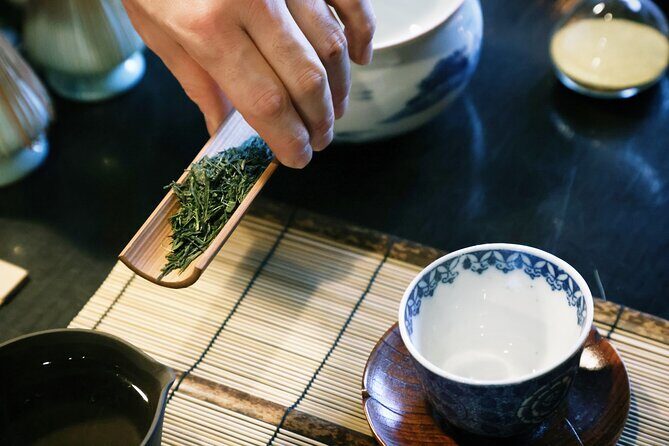
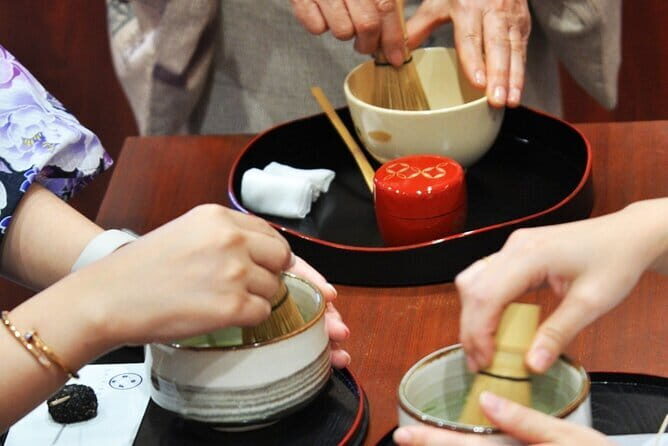
- Uji Matcha Street snacks like matcha ice cream, matcha cakes, and matcha-green soba
- Kasuga Taisha lantern scenery and time to take in Nara’s signature atmosphere
- Genji-no-Yu natural hot spring soak (about 1 hour) with clear tattoo rules
Getting From Osaka: Namba Pickup and Shared-Van Timing
This tour starts early in the Namba Shinsaibashi area, with pickup at Nipponbashi Exit 2 (Namba side). You’ll meet your guide at the address listed in the tour details, and the guide holds a yellow Gogoday flag—arrive 15 minutes early so you’re not hunting people while your morning slips by.
You’ll ride in an air-conditioned vehicle for round-trip transport. Group size can range from 10–45 seats, and if the group is smaller (under 13), the guide may also serve as the driver with only basic commentary. That matters because your “tour” time can be more about getting you efficiently from A to B than about a nonstop lecture.
The total day runs about 9 hours, and the pacing is built around hitting Nara and Uji without you having to plan trains or transfers yourself. That’s the value: you’re paying for someone to do the routing and keep the schedule moving.
You can also read our reviews of more tours and experiences in Osaka
Nara Park Deer Park: Fun, Fast, and the One Safety Rule
Nara Park is the obvious star—thousands of freely roaming deer, right in the park at the base of Mt. Wakakusa. Your stop is about 1 hour 30 minutes, and it’s long enough to wander, feed, and get a few great shots without feeling rushed to the point of panic.
Here’s the big practical note: be cautious when feeding the deer. Deer can be playful or persistent. If you bring cash snacks for yourself (and not for feeding, unless you’re using what the park provides), keep your attention on what’s in your hand. Don’t let your phone distract you at arm’s length—deer are fast.
Why this stop works so well on a guided day: you don’t have to figure out where the main deer clusters are or how to avoid getting stuck in the wrong path. And you’ll get quick guidance on how to handle the feeding safely—people mention this clearly when guides like Etta, Leo, and Yao are leading the group.
What you might want to prepare for: deer parks are busy. Wear comfortable shoes, and treat it like you’re walking through an animal area, not a museum. If you’re the kind of person who likes slow, dreamy wandering, you may want to keep your expectations aligned with the allotted time.
Todai-ji Temple: The Great Buddha, Packed Into 40 Minutes
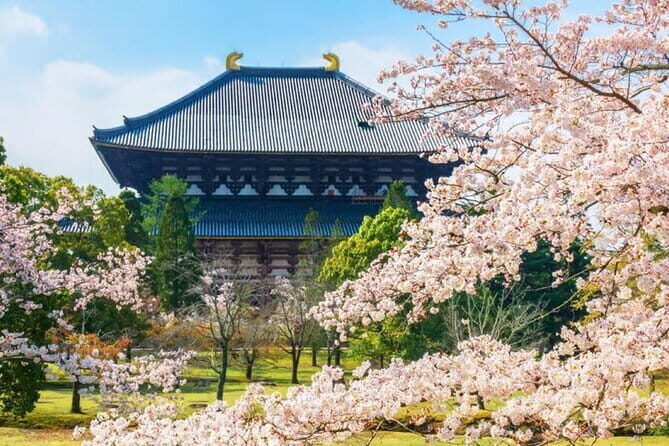
Todai-ji is one of Japan’s most famous temple complexes, and it’s easy to see why. You’ll get around 40 minutes at the temple area, which is enough to take in the big visual payoff—especially the Great Buddha statue.
Two practical things:
- Todai-ji admission is not included and is listed at $5.00 per person.
- Your time is limited, so plan to focus on the main halls and the big-feel viewpoints rather than trying to read every sign in detail.
This is where a good guide helps. Strong guides tend to give you the “what you’re looking at” context fast—how the complex fits into Japan’s Buddhist history and what makes the scale so memorable. Some guides also add quick tips for photo angles and what to prioritize first when you arrive, since everyone will be moving at roughly the same time.
Possible drawback: if you’re a slow temple wanderer, you can feel time pressure. But if you’re happy with a focused visit, Todai-ji is the kind of place where you still leave satisfied, even in a shorter slot.
Kasuga Taisha Lanterns and the Nara Atmosphere You Can Feel
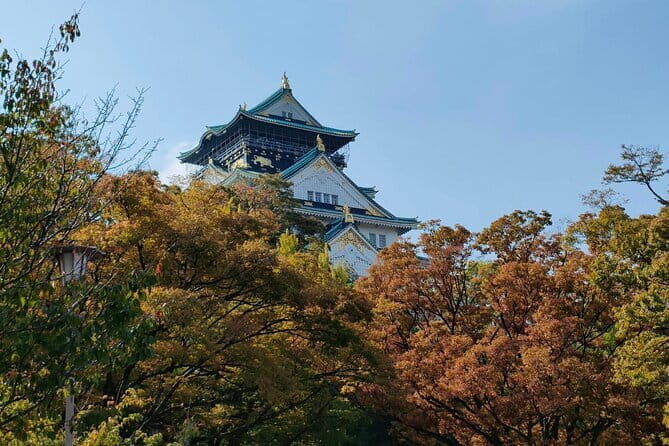
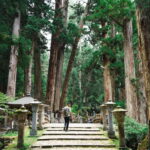
Nara isn’t only deer and a single temple. This tour’s Nara day also includes Kasuga Taisha, known for its lantern-lined scenery. Even if you’re not a lantern person, this shrine is a strong sensory contrast from the open park—more quiet, more shaded, more “old Japan” mood.
Why this matters on a one-day plan: it balances the “big landmark” energy of Todai-ji with something that feels smaller and more atmospheric. You don’t want your day to be only architecture viewing. Kasuga Taisha gives you a reason to slow down for a moment, take photos, and notice the lantern patterns.
Time can be tight depending on your day’s schedule. If you’re trying to capture great lantern photos, go early in your time slot and be willing to stand where people naturally pass. The guide can’t guarantee the perfect angle for every camera setup, but a solid guide will help you avoid the most obvious “wrong spot” mistakes.
Uji Matcha Street: Where Snacks Become the Main Event
Then comes the shift: Uji, the matcha-loving town. You’ll spend about 1 hour 30 minutes here, with time focused on Uji Matcha Street—a food corridor that’s basically built for green tea cravings.
Expect matcha-style treats like:
- matcha ice cream
- matcha cakes
- matcha-green soba noodles (yes, it’s a thing)
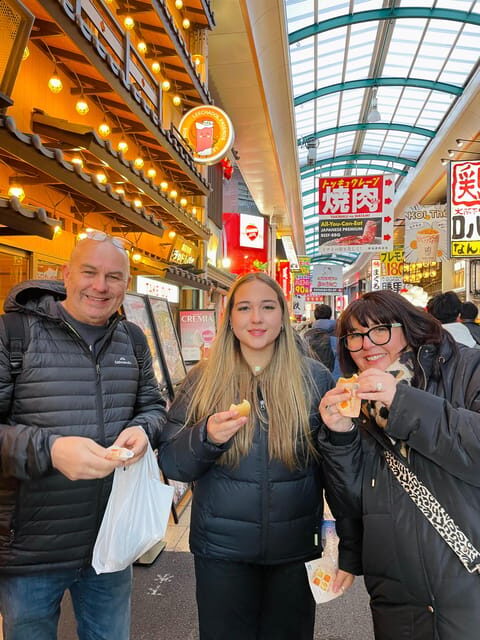
You’ll also have a guided “where to go” element, with stores described as recommended by your guide. This helps because Uji can feel like a blur of shops if you walk in without a plan. With a guide’s suggestions, you waste less time choosing, and you spend more time eating.
One more practical thing: bring cash. The tour notes that some attractions and shops may not accept credit cards, and matcha shops are exactly the kind of places where cash can still be the easiest route.
Is Uji worth it in the middle of a full day? For matcha fans, yes. The best part is that it’s fun on a group schedule. You can keep moving, taste multiple things, and still finish with time to get to the next stop without stress.
You can also read our reviews of more tours and experiences in Osaka

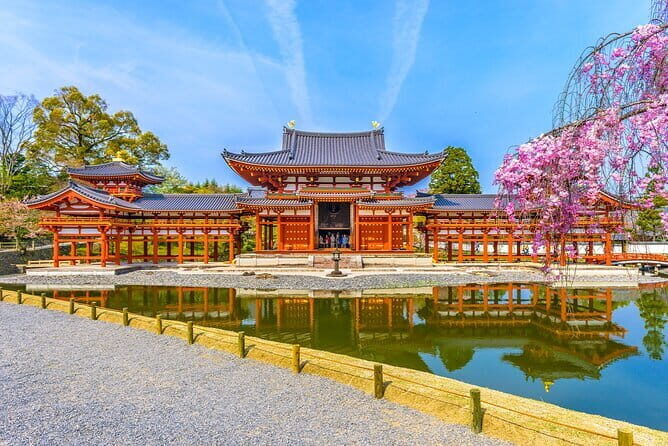
Byodo-in Temple and the UNESCO Feel in Your Uji Stop
Uji also includes Byodo-in Temple, a UNESCO World Heritage site. This is where the day adds a “big visual moment” beyond food.
You’ll want to treat this time as a photo-and-feel stop. It’s not the place to cram in ten goals. If you arrive and start scanning for what matters most (the key temple views), you’ll get the payoff without turning it into a chore.
If you’re the type who likes to learn what you’re seeing, ask your guide a simple question: what view should I prioritize first? In days when guides like Joe or Yao are on duty, people often report that the explanations make these landmarks easier to appreciate, instead of just walking past them while your brain tries to fill in the blanks.
Genji-no-Yu Hot Spring: The Best Way to End the Day
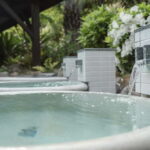
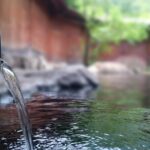
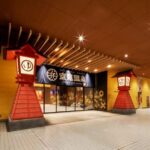
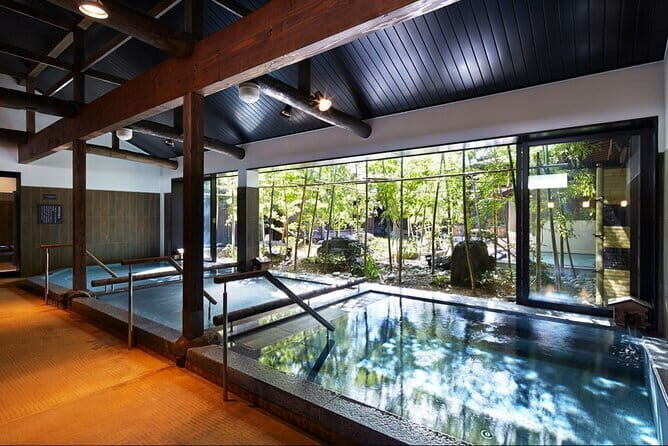
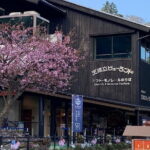
After all that walking and snack decisions, you get the real reset: Genji-no-Yu. This is Uji’s natural hot spring, with water said to come from 1111 meters underground. Your stop is about 1 hour.
The hot spring rules matter here:
- Tattoos are not permitted in most Japanese hot springs.
- Bathing is without clothing in Japan (so plan mentally for the etiquette).
Why the onsen finish works so well: it turns the entire day from “see and go” into “sit and recover.” You’re not just waiting for your body to cool down—you’re actively soaking in water that’s part of the local experience.
You’ll also feel the style difference. This is not a modern spa vibe. It’s traditional Japanese architecture and a quiet atmosphere designed for unwinding.
If you’re worried about timing, don’t be. One hour is usually enough to relax without feeling like you’re trapped. But do make sure you arrive on time at the start, since catching the next bus back to Osaka depends on the schedule staying on track.
Price and Fees: What $49.84 Really Buys You
At $49.84 per person, the tour price is mainly covering the stuff that’s hard to DIY quickly: round-trip transportation from Osaka, a multilingual guide, and driver/guide service fees.
What’s not included can add up:
- Lunch is not included
- Todai-ji admission is $5.00
- Hot spring entry is $9.00
So you should think of the true base cost as the tour price plus about $14 in listed entry fees, then budget for lunch and any snacks (Uji matcha spending is its own budget category).
Is it good value? It’s a solid deal if you want a structured day with transportation handled and you don’t want to fight train transfers plus timing. It’s less of a bargain if you’re a total schedule control person and you’d rather build your own route with longer temple stops and more Uji wandering.
In other words: pay if you want convenience and guidance. If you want maximum freedom, you’ll probably end up thinking about what you missed during the shorter time slots.
Guide Quality Can Change the Whole Vibe
This tour lives or dies by the guide experience. The guide you get can shape how much you feel like you’re learning versus just being transported.
Names that show up with strong praise include Etta, Leo, and Yao, often described as lively, helpful, and able to explain what to look for. Joe also gets credit for fun facts and keeping energy up. Even Lucia is mentioned for looking after someone who wasn’t feeling well.
On the flip side, some people felt English explanations were minimal or hard to follow because of how group language was handled, and a few described it as closer to a shuttle with limited guiding. That doesn’t mean the tour is bad—it means you should go in with the right expectations: this is a shared group day, and communication quality can vary.
My best practical advice: if you care about the narration, use a translation app before you go. And at the first stop, ask your guide one direct question about what you should prioritize. Good guides love that. Even when the language coverage is imperfect, a focused question can get you a useful answer.
Who Should Book This Tour (and Who Should Skip It)
This tour fits best if you:
- want a single-day plan that covers Nara + Uji + an onsen
- like animal interaction but can follow safety rules
- want matcha food without guessing where to go
- value convenience over total time freedom
You might skip it if you:
- need long, unhurried time at temples or the deer park
- strongly rely on detailed English narration throughout every stop
- have tattoo concerns for onsen entry (since the rules are restrictive in most places)
If you’re traveling with a group mindset, you’ll likely enjoy the flow. If you’re the type who hates schedule pressure, consider building a self-guided day instead.
Should You Book This Nara Deer Park, Uji Matcha, & Hot Spring Tour?
If you want a well-structured day with transport handled and the “wow” moments lined up—deer park cuteness, Todai-ji’s giant Buddha, Uji matcha snacks, and a natural onsen soak—then yes, this is a good pick. The price makes sense when you compare it to the cost of entry fees and the hassle of stitching together Nara and Uji on your own.
Just go in prepared. Wear comfortable shoes. Bring some cash. Respect the onsen rules. And accept that guide narration can vary in a shared group setting. If you do that, you’ll walk away with the kind of day that feels like Japan in a nutshell—green tea, history, and hot spring recovery.
FAQ
Is lunch included in the tour price?
No. Lunch is not included. You’ll want to budget time and money for eating on your own, especially in Uji where matcha snacks are a big part of the experience.
What extra tickets do I need to pay during the day?
Todai-ji Temple admission is listed at $5.00 per person, and Genji-no-Yu hot spring entry is listed at $9.00 per person. Those are not included in the tour price.
How long is the tour and where does it start?
The tour runs about 9 hours. Pickup starts at 8:30 am near Namba Shinsaibashi, with the meeting point at 1-chōme-3-6 Nipponbashi in Osaka.
Do I need cash for this tour?
Yes. The tour notes that some attractions and shops may not accept credit cards, so it’s smart to bring cash.
Are tattoos allowed in the hot spring?
Most Japanese hot springs do not permit tattoos. Also, bathing is done without clothing in Japan, so you should plan accordingly.
Is this a private tour?
No. It’s a shared group tour with a maximum of 40 travelers, and the guide provides multilingual explanations (English, Japanese, Traditional Chinese).