REVIEW · OSAKA
2-Day Bus Tour to Shirakawago & Hida No Sato Winter Illumination
Book on Viator →Operated by H.I.S.Co., Ltd. · Bookable on Viator
Winter in Japan hits different. This 2-day bus trip strings it together with snowy villages, lighted streets, and hot-spring recovery. I like that the day feels well paced for cold-season sightseeing, and you’re not just driving past places—you actually get time to walk and soak it in, especially at Shirakawa-go and Hida no Sato.
Two things I’d call out right away: the Hida no Sato winter illumination at night (it turns the village into a glow-walk), and the hotel setup at the end of Day 1—kaiseki dinner plus a rooftop open-air hot spring with views of the Alps. One thing to keep in mind: Day 1 is long on a bus, with multiple stops before you reach Takayama, so you’ll want to dress warm and expect a full day.
In This Review
- Key highlights at a glance
- How this 2-day winter route really feels
- Price and value: $318.68 with hotel and entries included
- Day 1 from Osaka: early start, big winter payoffs
- Meet in Osaka at 8:30 am
- Sekigahara stop: lunch plus Omi beef sushi making
- Shirakawa-go in winter: UNESCO that you can actually walk through
- Hida no Sato winter illumination: when the schedule turns into atmosphere
- Takayama hotel night: kaiseki and a rooftop open-air onsen
- Day 2: market morning, Edo-era building, and old streets
- Miyagawa Morning Market (9:00 am start)
- Takayama Jinya: an Edo-period governor’s office, still standing
- Sanmachi Suji old town: where the stroll does the work
- Hida Bussankan: souvenirs with a museum-shop vibe
- Guides, drivers, and why the service feels like part of the trip
- Winter-smart tips that match this exact itinerary
- Who this tour is best for
- Should you book 2-Day Bus Tour to Shirakawago & Hida No Sato Winter Illumination?
- FAQ
- What time do I need to meet in Osaka?
- Where is the meeting point?
- How long is the transfer from Osaka to Gifu Prefecture on Day 1?
- Are meals included on both days?
- Is the hotel dinner included on Day 1?
- Do I get admission to the Hida no Sato winter illumination?
- Is Takayama Jinya admission included?
- How close is the hotel to the train station?
- How big is the group?
- Is bottled water provided?
- Do I receive a mobile ticket?
Key highlights at a glance
- Hida no Sato light-up evening: included admission and a real nighttime stroll through the lights
- Rooftop open-air onsen after Day 1: kaiseki plus hot springs near JR Takayama Station
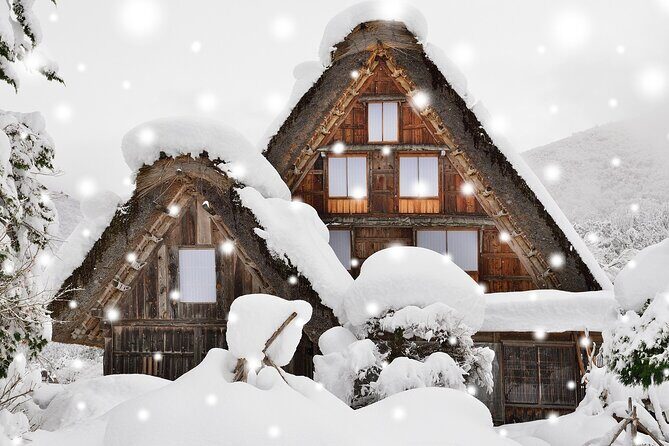
- Shirakawa-go UNESCO time to walk: gassho-zukuri village in silvery winter light
- Hands-on Omi beef sushi making: a lunch stop that’s more than just eating
- Edo-period Takayama Jinya: included admission plus an easy walk through the old town
How this 2-day winter route really feels
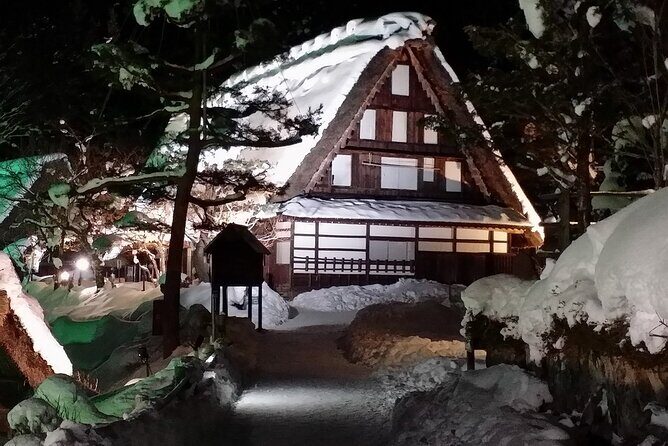
This tour is built for winter travelers who want classic Gifu sights without the stress of arranging everything yourself. You leave Osaka early, ride into the Hida region, and you’re rewarded with both daytime scenery (that thatched-roof look in winter) and nighttime atmosphere (the Hida village illumination).
I also like that the trip mixes big-name places with smaller, practical experiences. Shirakawa-go is the headline, sure. But you also get a hands-on lunch experience in Sekigahara, and Day 2 slows down with a morning market and a walk through Takayama’s old streets.
Group size matters in winter, because cold + crowds can turn sightseeing into a standing-around contest. This tour caps at 40 travelers, and the experience reviews I’ve seen suggest the group can run small on the bus. If you get a smaller group, it tends to make photo stops and timing feel easier.
You can also read our reviews of more tours and experiences in Osaka

Price and value: $318.68 with hotel and entries included
At $318.68 per person, the ticket price can look steep if you’re thinking only about transportation. But here’s the value math that matters:
What you’re getting that usually costs extra on your own:
- 1 hotel night in Takayama (with breakfast included)
- Lunch on Day 1
- Admissions to Hida no Sato light-up festival and Takayama Jinya
- Air-conditioned vehicle
- Bottled water each day
- Licensed tour guide
- A winter-friendly plan that saves you from day-to-day routing
What’s not covered:
- Dinner on Day 1 and Day 2
- Lunch on Day 2
So for me, the price makes more sense if you’d otherwise pay separately for intercity transport, entry tickets, and at least one guided day through the Hida region. You’re also buying convenience: two days where the order of sights is handled for you.
Day 1 from Osaka: early start, big winter payoffs
Meet in Osaka at 8:30 am
You meet at the Mainichi Newspaper Building at 8:30 am in Osaka. The guidance is clear: arrive 15 minutes early so you don’t start the day running behind. The meeting point is near public transportation, which helps if you’re staying somewhere central.
From there, you transfer by tour bus into Gifu Prefecture. The ride time is listed at about 2 hours 30 minutes. In winter, that’s not just travel time—it’s you watching daylight come in and getting ready for the colder parts of the day.
Sekigahara stop: lunch plus Omi beef sushi making
Lunch is not an afterthought here. You stop at Sekigahara Hanaibuki and do a hands-on Omi beef sushi-making experience. The stated time is 2 hours, and the tour includes lunch at this stop.
Why this matters: it breaks up the long bus day with something you participate in, not just something you photograph. It also gives you a taste of local flavor in a structured way, which can be handy when your Japanese is limited and you want the food moment to feel effortless.
You can also read our reviews of more tours and experiences in Osaka
Shirakawa-go in winter: UNESCO that you can actually walk through
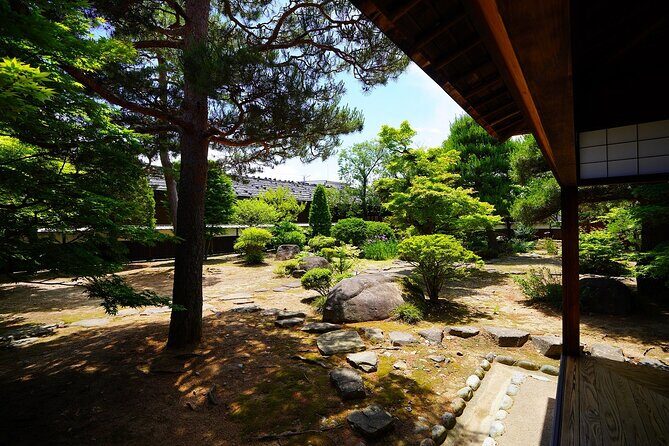
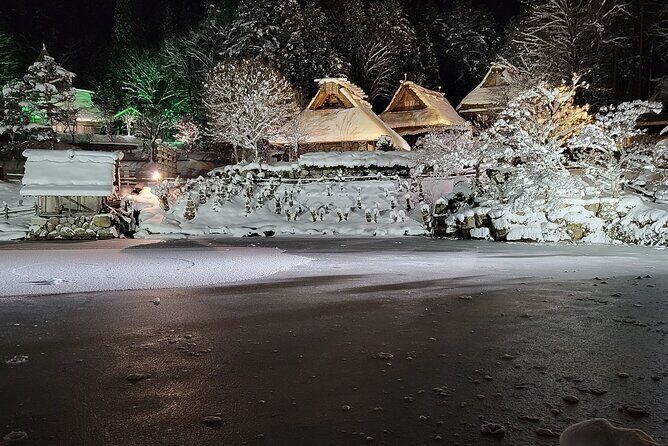
Next up is Shirakawa-go, timed at about 1 hour 30 minutes. This is the Gassho Zukuri Village, the UNESCO site known for the thatched-roof houses that look like hands held together in prayer.
Winter is the point. In snow season, the village tends to look brighter and more sharply defined than in rainy or green months. You get time to walk around the streets and village areas rather than doing a quick drive-by photo stop.
A practical note: winter lighting changes fast. If you care about photos, keep your pace steady and don’t wait until the last minutes to find your angles.
Hida no Sato winter illumination: when the schedule turns into atmosphere
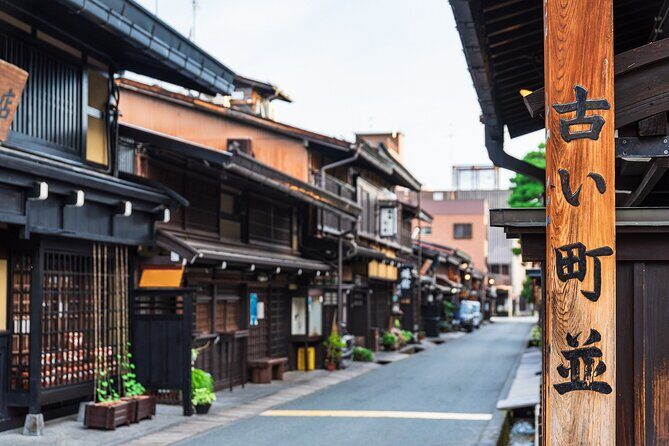
As evening arrives, Hida no Sato becomes the big night event. The tour lists the stop at 45 minutes, and the admission fee to the light-up festival is included.
This is one of the most valuable parts of the itinerary because it’s a different kind of sightseeing than daytime villages. You’re walking through a planned lighting display where shadows and glow do most of the work. In other words, you don’t need to be an architecture expert to appreciate it—you just need warm layers and comfortable shoes.
The shorter time window is worth considering. If you love slow wandering and want to linger, plan to enjoy the walk quickly and then focus on a couple of photo points instead of trying to see everything in one pass.
Takayama hotel night: kaiseki and a rooftop open-air onsen
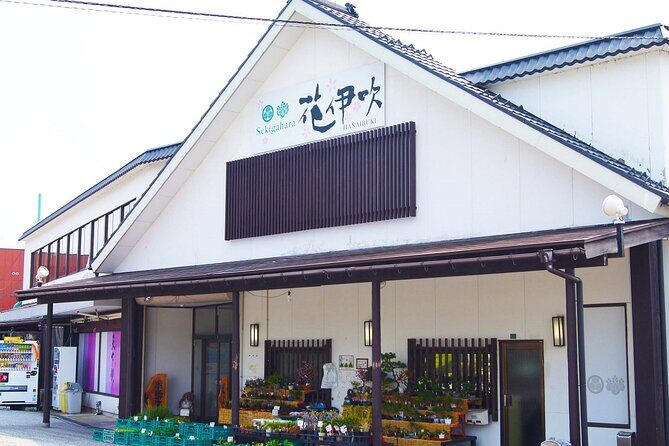
You arrive at the hotel at around 19:15 on Day 1. Dinner on Day 1 is included as kaiseki cuisine (the tour specifically notes you can relax with kaiseki and hot spring at the hotel).
The hotel location is also a big convenience win: it’s about a 5-minute walk from JR Takayama Station. That matters if you want flexibility, especially the next morning when you’re starting at 9:00 am.
Then there’s the feature I’d build the trip around: a rooftop open-air hot spring with views of the Alps. After a day of cold air and winter walking, it’s the kind of payoff that turns “I saw stuff” into “I feel recovered.”
Day 2: market morning, Edo-era building, and old streets
Miyagawa Morning Market (9:00 am start)
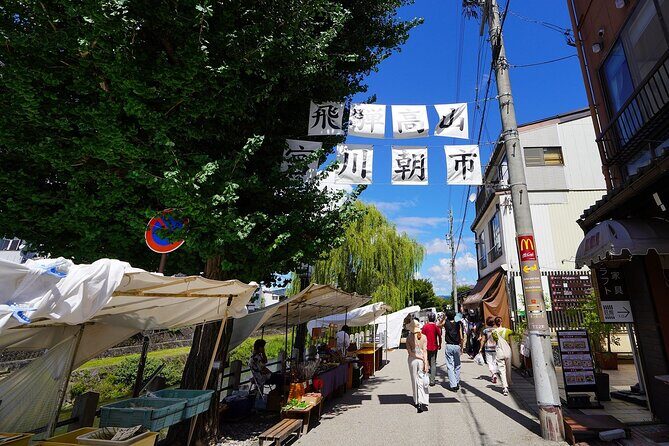
Day 2 starts with departure at 9:00 am for the Hida-Takayama Miyagawa Morning Market, with 1 hour 15 minutes on the schedule. The tour emphasizes browsing and buying souvenirs, plus chatting with locals.
I like morning markets because they’re practical and rewarding. You can snack, buy small gifts without overthinking, and it’s a calmer energy than the peak daylight rush.
If you’re hoping to pack a few consumables or omiyage items, this is your window. Since Day 2 lunch is on your own, you’ll either grab something there or pace your eating based on what you find.
Takayama Jinya: an Edo-period governor’s office, still standing
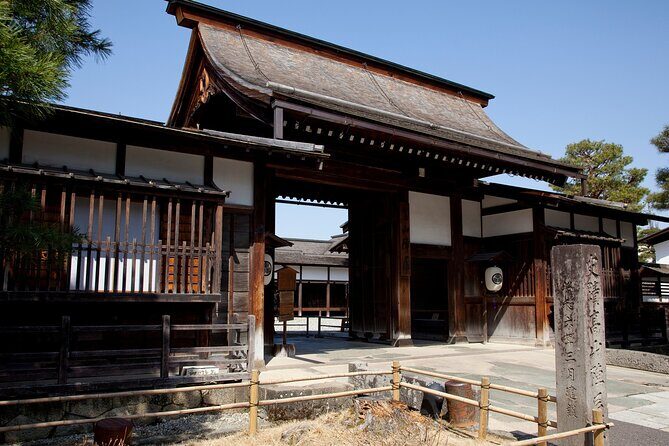
Next is Takayama Jinya, listed at 30 minutes with admission included. This building is described as the only site in Japan where a provincial governor and magistrate’s office remains with its main building intact.
Why I think this is worth your time: it gives context. Once you’ve walked old streets later, you can better picture how authority and administration worked in the region during the Edo period.
At only 30 minutes, you won’t feel dragged, and it won’t steal your day from the places you’ll actually wander.
Sanmachi Suji old town: where the stroll does the work
Then you move into Sanmachi Suji, the old town streets of Hida Takayama, for about 2 hours. This is also where you take lunch on your own, since Day 2 lunch isn’t included.
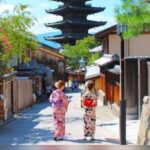
This is your free-walking block, which I prefer. It lets you slow down, pick your pace, and stop where something catches your eye. The streets are well preserved, and winter conditions often make the scenery feel more intimate because the walkways look quieter and the buildings stand out against pale light.
If you’re thinking about ordering lunch, give yourself a little margin. Two hours sounds like a lot until you factor in photo pauses, shop entrances, and bathroom breaks.
Hida Bussankan: souvenirs with a museum-shop vibe
After Sanmachi Suji, the tour includes Hida Bussankan for 50 minutes. Admission is listed as included, and the stop is positioned as a place to shop for souvenirs and gifts.
I treat stops like this as your “no-regrets” shopping time. You’re not forced to buy anything, but you can compare items in one place instead of chasing scattered shops while you’re already tired from walking.
If you found something you liked at the market that you want in more gift sizes, this is also a logical follow-up.
Guides, drivers, and why the service feels like part of the trip
One of the strongest themes from the experience is service quality. The tours I’ve reviewed highlighted a friendly, attentive guide and a smooth driver. Two named guides show up in feedback: Sir Julien and Tamy.
The kind of service that shows up in good guided trips is not flashy—it’s practical. People mentioned the guide staying approachable, helping on the spot when things went wrong, and even assisting with recovering items that were left behind. That’s the difference between a trip that’s merely organized and one that feels supported.
If you’re traveling solo, as couples, or with family, this matters. In winter, timing errors happen: trains delay, people lose gloves, buses run full. A competent guide reduces the stress so you can keep enjoying the sights.
Winter-smart tips that match this exact itinerary
This trip is made of cold-weather walks plus long rides. So I’d plan for the basics:
- Wear layers. You’ll be outside around Shirakawa-go and in the illumination walk at Hida no Sato, plus you’ll be out at the morning market and old streets on Day 2.
- Bring footwear you can trust on winter ground. You have multiple walking segments across both days.
- If you care about photos, prioritize early positioning at night. The illumination window is 45 minutes, so don’t assume you’ll get a second chance.
Also, keep the Day 2 lunch reality in mind. Since lunch is on your own, decide in advance whether you want to eat at the market first or hold out for something along Sanmachi Suji.
Who this tour is best for
I think this works especially well for:
- People who want the winter illumination + UNESCO village combo without planning transport
- Travelers who value guided timing, including admissions and a clear day-by-day sequence
- Solo travelers who want company and someone to ask questions to without feeling awkward
- Families and couples who want an easy hotel base in Takayama (near JR Takayama Station) and a hot spring reward after Day 1
If you hate early mornings or long bus rides, you might find Day 1 heavy. But if you like your days full and your evenings comfortable, this one has the right rhythm.
Should you book 2-Day Bus Tour to Shirakawago & Hida No Sato Winter Illumination?
I’d book it if you want a winter-focused itinerary where major sights are paired with comfort. The combination of Shirakawa-go, Hida no Sato lights, and that rooftop open-air onsen is hard to beat for the time and effort saved.
I wouldn’t book it if you’re the type who wants total freedom to roam on your own schedule. The light-up stop and sightseeing blocks are timeboxed, and Day 2 lunch is not included, so you’ll still be making some choices.
If you’re okay with a structured winter plan and you want the Hida region in the cold-season glow, this tour is good value for what’s included—and the service reputation makes me confident the day-to-day details will be handled.
FAQ
What time do I need to meet in Osaka?
You meet at 8:30 am at the Mainichi Newspaper Building. The tour asks you to arrive 15 minutes early.
Where is the meeting point?
The start point is in Osaka at Mainichi Newspaper Building, 3-chōme-4-5 Umeda, Kita Ward, Osaka, 530-0001, Japan.
How long is the transfer from Osaka to Gifu Prefecture on Day 1?
The bus transfer is listed at around 2 hours 30 minutes.
Are meals included on both days?
Yes for breakfast and partial lunches: lunch is included on Day 1, and breakfast is included. Dinner on Day 1 and Day 2 is not included, and lunch on Day 2 is not included.
Is the hotel dinner included on Day 1?
Day 1 includes kaiseki cuisine at the hotel, along with the hot spring experience.
Do I get admission to the Hida no Sato winter illumination?
Yes. The admission fee for Hida no sato Light up festival is included.
Is Takayama Jinya admission included?
Yes. The admission fee for Takayama Jinya is included.
How close is the hotel to the train station?
The hotel is about a 5-minute walk from JR Takayama Station.
How big is the group?
The tour has a maximum of 40 travelers.
Is bottled water provided?
Yes. Bottled water is provided each day.
Do I receive a mobile ticket?
Yes. The tour offers a mobile ticket.