REVIEW · OSAKA
Osaka: Dotonbori’s Bridges 20-Minute Cruise
Book on GetYourGuide →Operated by Top river cruise Ltd. · Bookable on GetYourGuide
Nine bridges, zero shoe-leather fatigue. This short Dotonbori river cruise is a smart break from the crush of Osaka’s most famous streets, letting you see big neon landmarks and bridge angles you simply can’t get on foot. I really like how the views are immediate—you’re on the water fast, with a breezy ride along a canal that feels made for photos.
Two more things I’d pick: the boat setup tends to feel comfortable, and the ride keeps energy up (music can be upbeat). One thing to plan around: it’s strict about safety, and you won’t be able to stand or move around during the cruise. Also, don’t count on a full, narrated sightseeing lecture every time—some departures are more water-first than commentary.
In This Review
- Key Highlights You’ll Notice Right Away
- Why This 20-Minute Dotonbori Cruise Works So Well
- Finding the Pier: Don Quijote, Tazaemon Bridge, and Ebisu Bridge
- What You’ll See: The Nine-Bridge Route From the Water
- Leaving from the Don Quijote pier
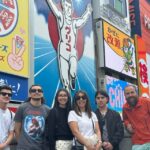
- Nippon-bashi Bridge and the Glico sign moment
- Ebisu-bashi Bridge and Dotonbori-bashi Bridge
- Ukiniwa-bashi Bridge is your turnaround
- Returning to the boarding spot
- On-Board Experience: Space, Roof Cover, and Music
- Price and Value: Is $12 for 20 Minutes Actually Worth It?
- Who Should Book This Cruise—and Who Might Skip It
- Practical Tips to Get the Best Out of Your Ride
- Book It or Pass: My Decision Rule
- FAQ
- How long is the Dotonbori bridges cruise?
- How much does it cost?
- Where do I meet for the cruise?
- What do I need to show when I arrive?
- Is food or drinks included?
- Does the cruise include rain protection?
- Does the boat allow standing or moving around?
- Should I expect a guide on board?
Key Highlights You’ll Notice Right Away
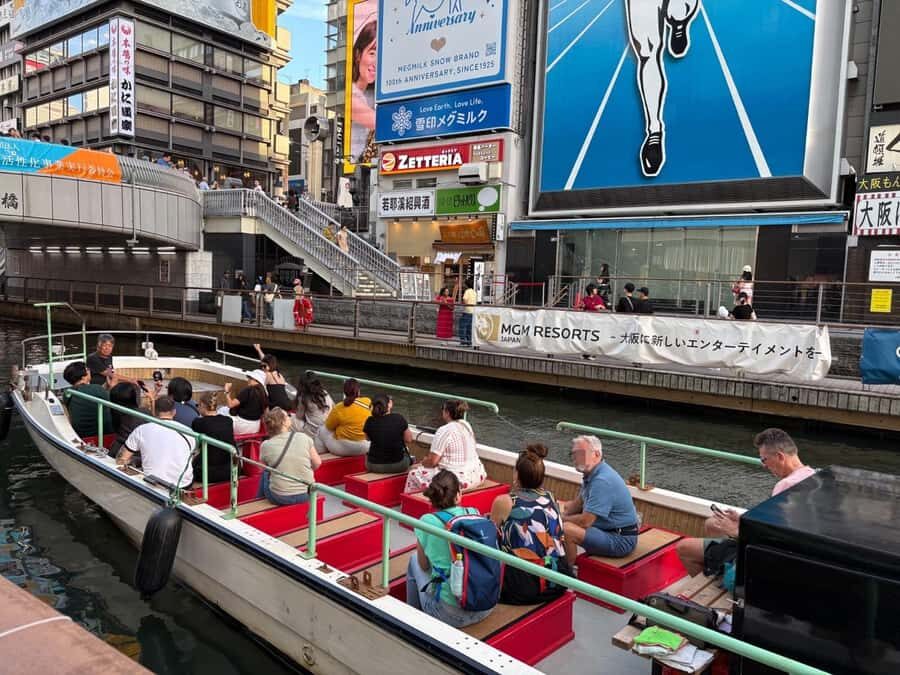
- Nine bridges in just 20 minutes, including Nippon-bashi and Ebisu-bashi
- Start area is easy to spot: in front of Don Quijote near Tazaemon Bridge and Ebisu Bridge
- Water-only sightseeing mode: expect visuals more than explanations
- Rain protection: there’s a clear plastic roof option
- Upbeat atmosphere from onboard music (on many trips)
- Safety rules are real: no standing or wandering during the ride
Why This 20-Minute Dotonbori Cruise Works So Well
Osaka’s Dotonbori can wear you out. It’s loud, packed, and full of people moving in every direction. This cruise gives you a reset. You’re still in the same neon-powered zone, but the river puts distance between you and the crowds, and suddenly the architecture looks different.
I love that it’s short enough to fit any day. Twenty minutes sounds tiny until you realize the route is built around the main visual payoffs—especially the bridges and the big landmark signage you’ve already seen from street level. From the water, those same icons come with scale and perspective. The bridges aren’t background details; they become frames for the whole scene.
The other big win is variety of angles. Bridges on foot feel like obstacles you pass. Bridges from the river become viewpoints, with water lines and reflections that change the mood instantly. If you want one simple activity that makes Dotonbori feel new again, this is it.
You can also read our reviews of more boat tours in Osaka
Finding the Pier: Don Quijote, Tazaemon Bridge, and Ebisu Bridge
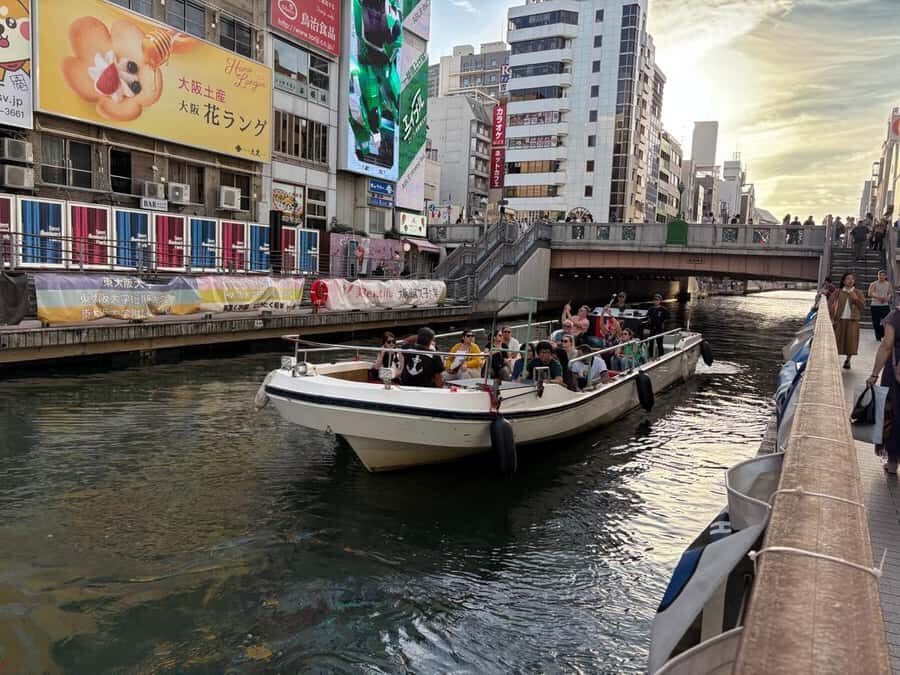
The cruise starts at a pier in front of Don Quijote, between Tazaemon Bridge and Ebisu Bridge. That’s helpful because you’re not hunting down a hidden dock. Don Quijote is basically a giant navigation landmark in itself, and the bridges give you a clear reference point.
Plan to arrive 5–10 minutes before departure. The boat typically arrives at the pier about 10 minutes before the start time, which means you can settle in and avoid that last-minute scramble. When you get there, show your voucher to the staff from PIRATES OF OSAKA.
If you’re combining this with walking time, build in a little buffer. Dotonbori is crowded, and even experienced walkers slow down when you hit packed sidewalks. Your biggest goal is being at the pier before boarding, not perfecting the route you walked to get there.
What You’ll See: The Nine-Bridge Route From the Water
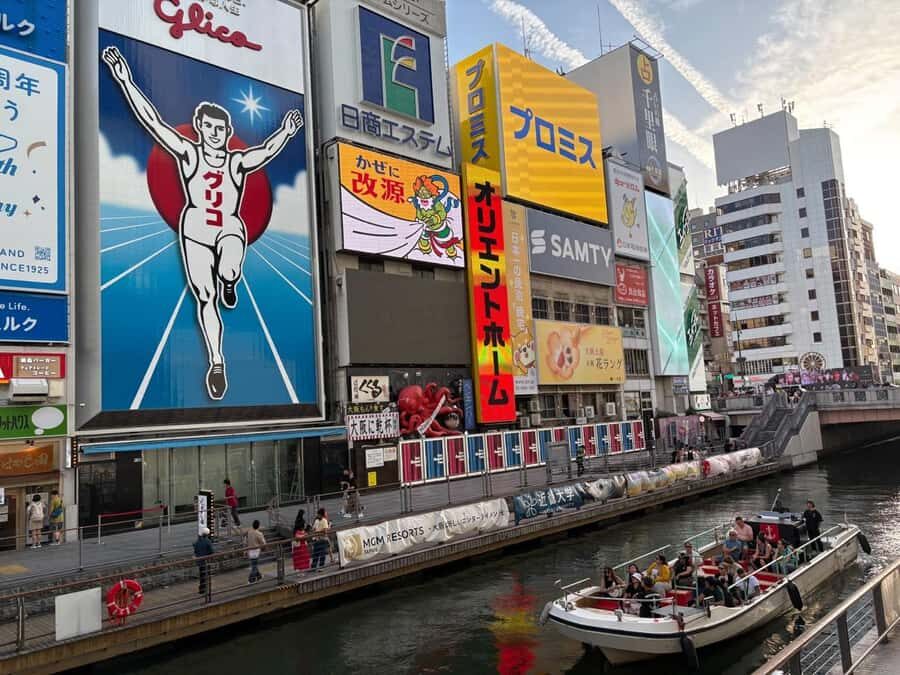
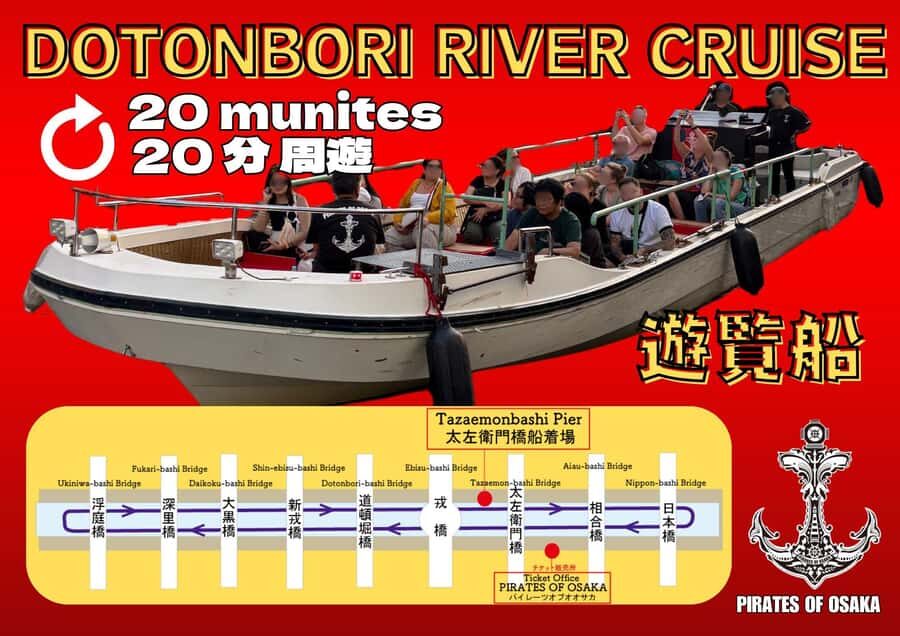
This is a 20-minute ride, and it’s paced like one: you’ll get a quick hit of the highlights, then a turn, then back. The cruise is designed as a loop that shows multiple bridges and major sights from unusual angles.
Here’s the shape of what you’ll catch:
Leaving from the Don Quijote pier
You start right where the Dotonbori action is thickest—right in front of Don Quijote, near the two major bridge reference points. Within minutes, you’re out over the water looking back at the buildings and the street glow.
Nippon-bashi Bridge and the Glico sign moment
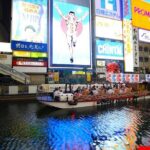
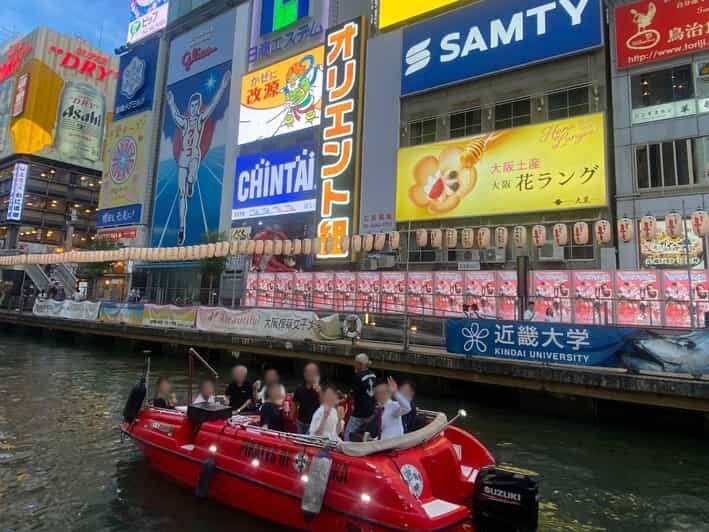
You’ll pass Nippon-bashi Bridge and get a view of the famous Glico advertisements. The “why it works” here is simple: signage and tall facades look flatter and more crowded from street level. From the river, the visuals stretch out, and you often get cleaner sightlines for photos without the same overhead clutter.



Ebisu-bashi Bridge and Dotonbori-bashi Bridge
Next comes Ebisu-bashi Bridge, followed by Dotonbori-bashi Bridge. These bridges aren’t just named for show. They help break the route into recognizable sections, so you’re not wondering where you are every few seconds. Also, when you’re moving, you get the kind of shifting perspective that makes Dotonbori feel cinematic.
Ukiniwa-bashi Bridge is your turnaround
You’ll take a turn after Ukiniwa-bashi Bridge and then head back toward where you started. This is good planning for your photos: you know there’s a midpoint shift, and you can adjust when you see the cruise swing.
Returning to the boarding spot
After the turnaround, you come back along the same general river corridor toward the dock area. The ride ends back at the meeting point, which keeps things simple—no transfer, no second pickup, no extra wandering at the end.
Bottom line: in just 20 minutes, you’re getting a high-density tour of the Dotonbori “poster spots.” It’s not a slow, deep history lesson. It’s a fast, focused viewing circuit—built for the best bridge and landmark angles.
On-Board Experience: Space, Roof Cover, and Music
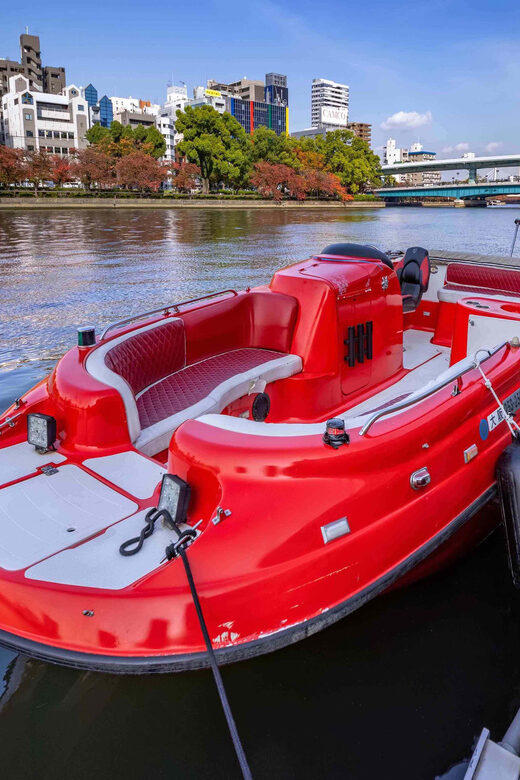
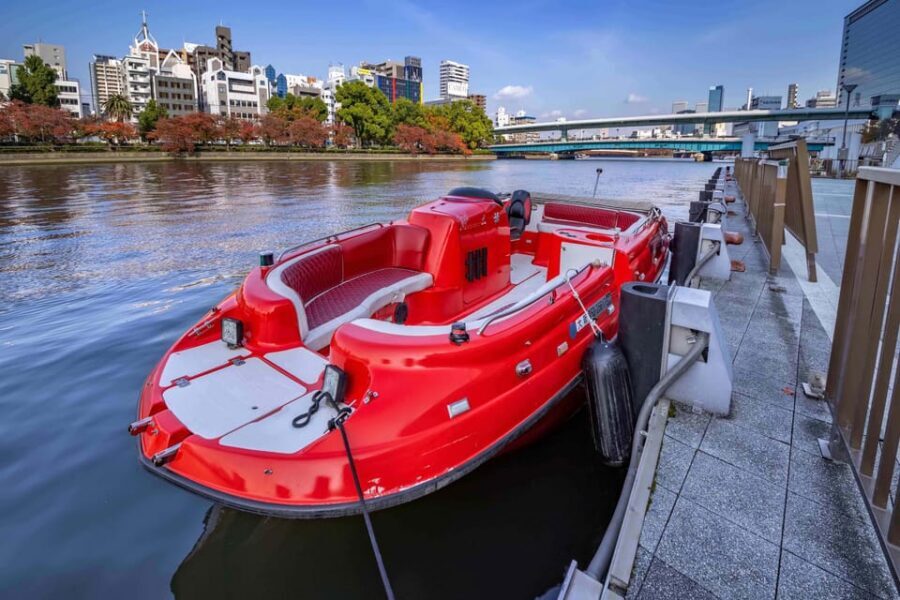
What the boat feels like matters on a short cruise, and the setup seems designed for comfort. One theme that comes up: there can be plenty of room, and the boat often has a clear plastic roof in case of rain. That matters because Osaka weather can switch quickly, and you still want to enjoy the ride without scrambling for cover.
Music is another part of the vibe. On many trips, it’s upbeat and makes the atmosphere feel lighter. Even if you’re traveling solo or not in a tour-group mood, it helps take the edge off the crowds outside the boat. You’re still in the same neon district—but the sound mix changes everything.
Now the trade-offs:
- You’re not allowed to stand or move around for safety. So if you’re hoping to reposition constantly for photos, you’ll need to work within your seat/position.
- There’s no mention of air conditioning. If you’re cruising in peak heat, plan like it’s a sun exposure moment—bring water and expect it to feel hotter than you’d like under a roof.
Price and Value: Is $12 for 20 Minutes Actually Worth It?
$12 per person is the kind of price that makes this an easy yes—if you’re in the right mindset. You’re not paying for a long museum-style program. You’re paying for one thing: a shortcut to better angles of Osaka’s most famous stretch.
Here’s how I think about the value:
- If you only walk Dotonbori, you’ll get the sights, but the river-level perspective is harder to replicate.
- A longer full-day sightseeing tour would cost more time and money, and it would still likely leave you with more walking in crowds.
- This cruise is short, predictable, and designed to “spend” your time on the most visual parts: bridges, landmark signage, and moving views.
It’s also a strong option when you want a break mid-day. Dotonbori can be exhausting on foot. This gives you a cooling-off pause that doesn’t send you far from the action.
On value alone, this scores well. The biggest reason people feel good about it is that it delivers what it promises: a compact river ride with bridge-and-sign views.
Who Should Book This Cruise—and Who Might Skip It
This cruise fits best if you want:
- A quick Dotonbori reset away from sidewalk crowds
- Photo-friendly bridge views without committing to a long boat excursion
- An activity that’s easy to slot into a sightseeing day
It’s also a good fit if you like activities that are simple and not overly complicated. The ride is mostly about visuals. If you’re expecting a step-by-step explanation of every building, you may find it lighter on narration than you’d hoped. Some departures run as a more water-only experience.
Consider skipping it if:
- You’re heat-sensitive and traveling on the hottest days (there’s no indication of cooling on board).
- You want hands-free wandering and standing for photos. Safety rules limit movement, so the “active photographer” style works less well here.
- You need a guaranteed English-speaking guide with detailed commentary every minute. Language is listed as Japanese and English, but the experience can vary between departures.
Practical Tips to Get the Best Out of Your Ride
A couple small moves can make this feel smoother:
- Arrive early. Dotonbori crowds can slow you down. Get to the pier first, then breathe.
- Bring a camera/phone you can steady. Since you can’t stand and roam, plan how you’ll frame shots from where you sit.
- If it rains, go anyway. The clear plastic roof is meant for exactly that.
- If it’s hot, plan hydration. There’s no air-conditioning mention, and one key caution is that heat can feel intense.
- Treat any narration as extra, not the main event. This is a view-driven cruise, and the bridges are the star.
Book It or Pass: My Decision Rule
I’d book this if you’re visiting Dotonbori and want a fast way to see the area from the water, especially the bridges and landmark signage like the Glico ads. At $12 for a 20-minute reset, it’s good value for most people who are already planning time in this district.
I’d think twice if you’re expecting a fully guided lecture and you really need constant English commentary. Also pause if you’re uncomfortable with heat and crowded street conditions before you board—because once you’re there, you’ll be under a roof that may feel warm in peak weather.
FAQ
How long is the Dotonbori bridges cruise?
It’s a 20-minute river cruise.
How much does it cost?
The price listed is $12 per person.
Where do I meet for the cruise?
Meet at the pier in front of Don Quijote, between Tazaemon Bridge and Ebisu Bridge.
What do I need to show when I arrive?
You’ll need to show your voucher to the PIRATES OF OSAKA staff.
Is food or drinks included?
No. Food and drinks are not included.
Does the cruise include rain protection?
There is a clear plastic roof on the boat, which helps in case of rain.
Does the boat allow standing or moving around?
No. For safety, you’re not allowed to stand and move around during the tour.
Should I expect a guide on board?
The activity lists Japanese and English, but some experiences run as a more straightforward water ride with little or no explanation. If you want commentary, plan for the visuals to be the main focus.