REVIEW · OSAKA
Sumo Wrestling Tournament Chair Seats & Expert Guide | Osaka Mar
Book on Viator →Operated by Smile Vista | Japan Exclusive Experience · Bookable on Viator
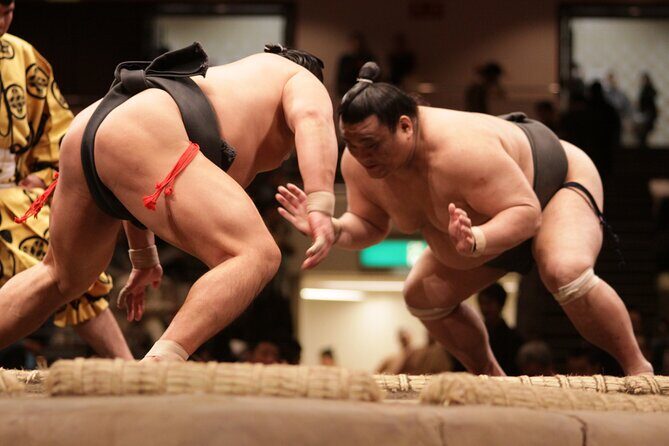
Watching sumo from front-row chair seats makes the whole sport feel close and human. What makes this experience special is the mix of premium viewing at Edion Arena Osaka and a small-group guide who turns what you’re seeing into something you actually understand.
I really like two things: first, the seats are in the front 1 to 2 rows in a chair setup, so you do not have to commit to seiza kneeling. Second, your guide—often names like Yuki or Mai-san depending on the day—explains the rules and the nuances while you watch, so you’re not just staring at movement you can’t decode.
One drawback to plan for: the session runs a set 4 hours and the tour time cannot be changed, so if you’re trying to fit this around other evening plans, you’ll need to leave a clear block. Also, the seating area can’t be chosen by participants in advance.
In This Review
- Key highlights you should care about
- Edion Arena Osaka Seats: Front Rows Without the Seiza Pain
- Meeting at 2:00 pm: Your Guide Helps You Get Your Bearings Fast
- Getting Into the Arena and Watching From the A Seats
- Nakabi Around 15:40: The Ceremony You Don’t Want to Miss
- 16:00 to 18:00: The Main Sumo Window Hits Hard
- The Little Extras: Seat-Time Learning, Museum, and Gift Store
- Group Size, Comfort, and Timing: How to Plan Your Day
- Price and Value: What $182 Buys You in Osaka
- Who This Tour Fits Best
- Should You Book Sumo Tournament Chair Seats and Expert Guide Osaka Mar?
- FAQ
- How long is the sumo tournament chair seat experience?
- Where do we meet for the tour?
- What seats are included?
- Can you eat or drink at your seat?
- Is re-entry allowed if I need to leave the venue?
- What is the cancellation window?
Key highlights you should care about
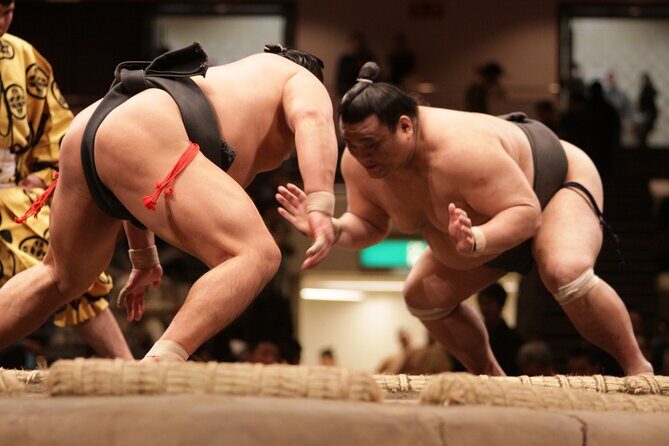
- Front 1–2 row A-class viewing with chair seats, which keeps comfort high for a full session
- Nakabi ceremony timing around 15:40, viewed from your seats before the strongest bouts
- A small group of up to 5 guests, so questions don’t get lost in the crowd
- Japanese TV coverage starts around 16:00, which is when the biggest momentum hits
- A take-home original sumo guidebook plus tour photos included
Edion Arena Osaka Seats: Front Rows Without the Seiza Pain
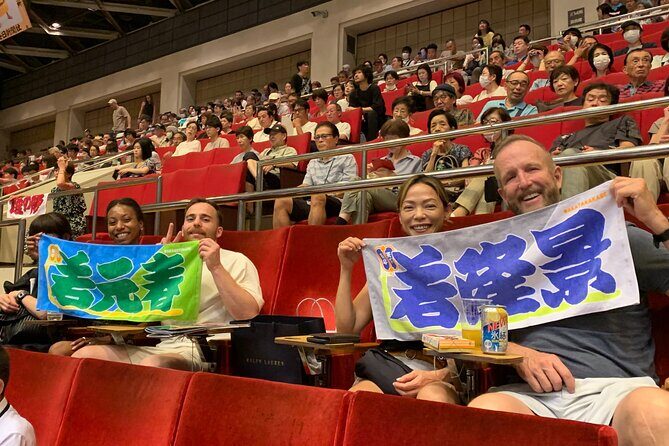
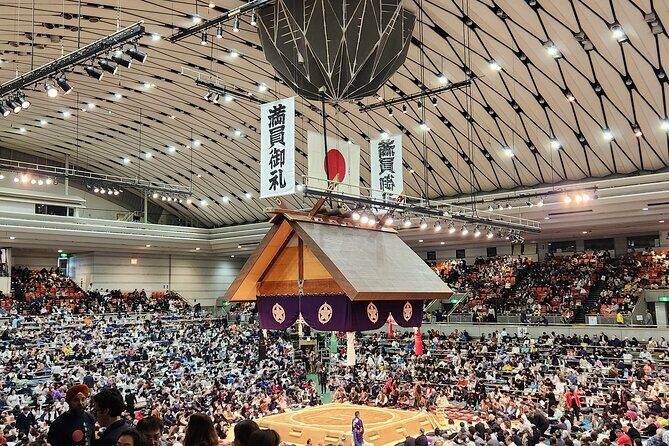
Edion Arena Osaka is an arena setting, but your ticket is built for comfort and sightlines. You’ll be in top-tier A-class seating in the front 1 to 2 rows, and the chair setup is the key difference maker. Instead of seiza, you sit normally in the seat design you’re given, which matters once your day includes walking, trains, and a packed schedule.
You’ll be on the second floor in the chair section, and that layout is meant to give you a panoramic view of the ring and the flow of action. From this kind of angle, it’s easier to track what both wrestlers are doing—hand placement, footwork, and the timing of grip attempts—because you’re not fighting your own body position.
Food and drink at your seat are allowed, which turns the last two hours of your viewing into something more like settling in than enduring a long, strict ceremony. That also means you can pace yourself. If you get hungry midway through the big bouts, you don’t have to leave your spot.
One small reality check: the seating area can’t be specified by you ahead of time. The good news is that you still get premium front-row placement in the chair section, but if you’re the kind of person who obsesses over pinpoint seat geometry, you’ll want to adjust expectations.
You can also read our reviews of more guided tours in Osaka


Meeting at 2:00 pm: Your Guide Helps You Get Your Bearings Fast
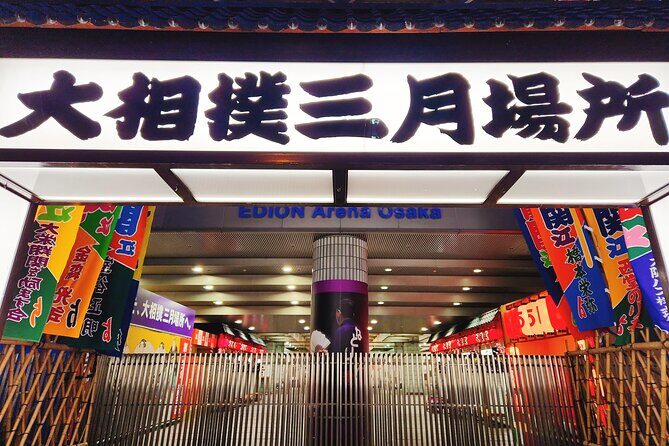
The tour begins at 14:00, and you meet at the front of the venue with your friendly guide. You’ll get the exact meeting point details up to 2 to 3 days before the event, which is helpful because arena entrances can be confusing when you’re arriving with a ticket and zero local context.
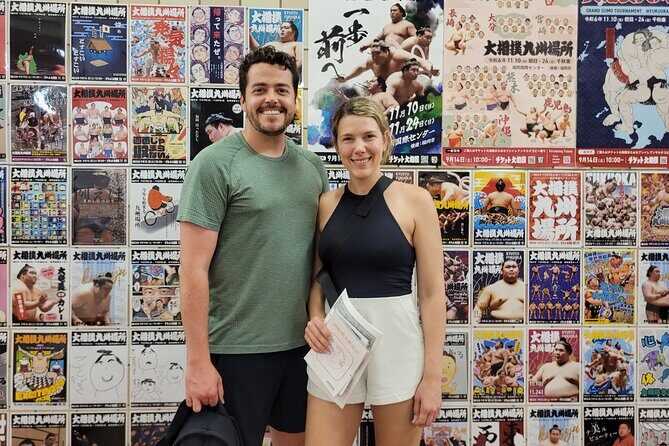
The group is intentionally small, up to 5 guests, and that changes the whole tone of the day. With a guide sitting with you, you can ask questions in the moment, which is the difference between watching sumo like a spectacle versus watching sumo like a sport with rules, roles, and rhythm.
Guides like Yuki and Mai-san are praised specifically for making the experience feel understandable, not intimidating. That matters because sumo can look simple until you learn what’s going on: how the ceremony fits, what certain actions mean, and how to interpret the pace of each bout.
The other practical advantage: you can move around once you’re in and settled at your seat. If you need to stretch, use the restroom, or check something nearby, you won’t feel locked into a single position for the entire session.
Getting Into the Arena and Watching From the A Seats
After you enter the venue, you’ll head to your assigned front-row chair seats. Once you’re there, you’re free to move around, but the tour is structured around the key moments that happen on a fixed schedule.
A detail I’m glad you should know up front: there’s re-entry possible once a day. If you need to leave the venue during the session, you should inform your guide. That gives you a safety valve if something comes up, but it also means you shouldn’t plan on skipping parts of the main action.
Because the session time cannot be changed, this isn’t the kind of activity you tack on whenever you want. You’re choosing a specific viewing window, and that’s why the timing around nakabi and the strongest bouts is built into the tour.
Nakabi Around 15:40: The Ceremony You Don’t Want to Miss
Around 15:40, the tour hits one of the most meaningful parts of the sumo day: the nakabi ceremony. This is a pre-match ceremony before bouts featuring particularly strong wrestlers begin.
Even if you don’t know the deeper symbolism, watching this from your seats helps you connect what you see later to why it feels formal. It’s the kind of moment where the arena mood shifts. You’re not just waiting for fighting to start; you’re watching a tradition begin.
Your guide will be with you, and that’s important because ceremonies like this are easier to appreciate when you understand the structure. Instead of thinking of it as a pause in the show, you can recognize it as the sport’s ritual opening—one that sets expectations for what comes next.
This timing is also a practical win. The most intense bouts aren’t just happening randomly. They’re clustered in a window, and being in the right seats for the lead-in helps you catch the best run without scrambling.
16:00 to 18:00: The Main Sumo Window Hits Hard
From about 16:00 to around 18:00 is the highlight stretch. This is when Japanese TV broadcasts begin as well, and the pacing tends to feel even more focused because the best-known matchups start coming into view.
This is the time when particularly strong sumo wrestlers begin their intense matches, and the arena energy tends to concentrate. If you’ve ever tried to watch sumo without context, this is where you’ll likely see the full value of a guide. The sport isn’t only about who is strongest; it’s about timing, balance, and technique under pressure.
From the chair seating on the second floor, the action stays visible as it shifts around the ring. You can keep an eye on the way wrestlers set their stance, make grips, and try to force the first decisive movement. And because you’re not in seiza, you can stay attentive rather than starting to dread the physical discomfort that often comes with long sitting rituals.
Also, because your guide sits with you, you can ask quick questions as the bouts unfold. Want help understanding what you’re noticing? Ask. Unsure why a certain pause or movement happened? Ask. That kind of real-time interpretation is what turns a sporting event into a learning experience.



The Little Extras: Seat-Time Learning, Museum, and Gift Store
The main event is watching bouts, but the experience also includes an educational layer. You get an original sumo guidebook, and you’ll hear explanations about history and rules as the day progresses. That helps you connect the tradition to the sport itself.
One extra that shows up in real day-of enjoyment: your guide may help you fit in time for the museum and the gift store. In particular, Yuki is praised for making sure this gets included, not skipped. Even if you’re only casually interested in sumo, that add-on tends to give you something satisfying to take home besides photos.
The guidebook + on-site explanations is a good combo. The guidebook helps you translate what you saw, and it’s the sort of souvenir that you’ll actually open again later.
Then there are the tour photos included. That’s a practical perk if you’re traveling in a group and want at least a few solid pictures without spending time juggling your camera around a crowded arena.
Group Size, Comfort, and Timing: How to Plan Your Day
This is set for roughly 4 hours, and the session runs inside a defined window. Since the tour time cannot be changed, plan your day so you can arrive without stress and stay present during the biggest bouts.
The small group size (up to 5 guests) is not just a marketing detail. It means your guide can keep you on track without rushing, and you can ask questions without feeling like you’re slowing a tour bus down.
Comfort matters here, and chair seating plus the ability to eat and drink at your spot lowers the friction of spending hours in one place. You’ll still walk and move a bit, but you’re not stuck kneeling.
What to consider: snacks are not listed as included, even though the experience description mentions snacks and drinks. That’s why I’d bring a light snack plan or budget for food once you’re inside, so you’re not caught hungry during the most intense portion of the day.
Finally, use the re-entry rule wisely. It’s there once a day, and if you really need to step out, tell your guide first. That way you don’t lose the flow of the ceremony and the main matches.
Price and Value: What $182 Buys You in Osaka
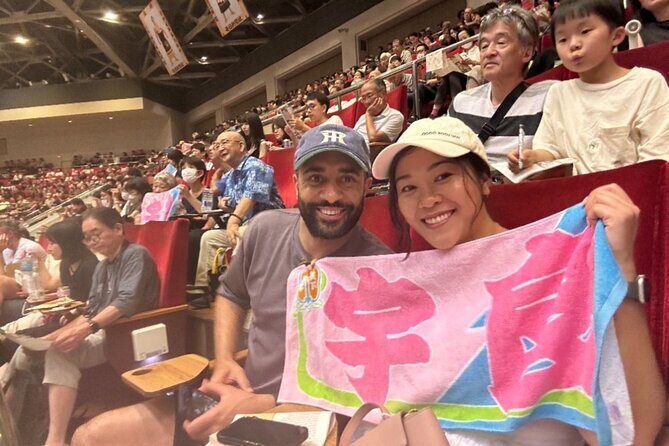
At $182 for about 4 hours, you’re paying for more than an arena ticket. You’re also paying for front 1–2 row access, a professional guide, an original guidebook, and tour photos.
If you were to buy seats on your own, you might spend money but still miss the context that makes sumo click. Here, the value is in the match between top seating and guided interpretation. You’re not only watching who’s strong; you’re learning why the bouts look the way they do, and what the ceremonies and rules mean.
The guide also reduces your mental load. The meeting point is handled, you get inside without confusion, and you’re guided through the key timing moments. For many visitors, that alone is worth something, especially if it’s your first sumo tournament in Japan.
So the best way to think about the price: you’re buying a smoother, smarter viewing experience with premium seats, not just a seat in a stadium.
Who This Tour Fits Best
This tour is ideal if you fall into any of these buckets:
- You’re curious about sumo but you want a guide to explain the rules and traditions as you watch
- You want front-row-ish viewing without dealing with seiza kneeling
- You prefer small groups and guided pacing over wandering on your own
- You want an Osaka cultural evening that feels more than superficial entertainment
If you already know sumo deeply, you might not need as much explanation. But even then, the front-row chair experience and the nakabi timing can still be a strong reason to book.
Should You Book Sumo Tournament Chair Seats and Expert Guide Osaka Mar?
I’d book it if you want the easiest path to a top-tier sumo viewing day. The combination of premium front-row chair seats, a small guided group, and the nakabi-to-main-bout schedule is a smart structure. You’ll spend your energy watching, not figuring out what you’re looking at.
I’d pause before booking if you’re the type who insists on changing time slots or building a custom agenda around the evening. The schedule is fixed, and you’re here for the whole arc from the ceremony through the final match.
If you do book, go in with a simple mindset: watch the sport, listen to the guide, and use the guidebook afterward to lock in what you learned. That’s how this becomes more than an event on your itinerary.
FAQ
How long is the sumo tournament chair seat experience?
It runs for about 4 hours.
Where do we meet for the tour?
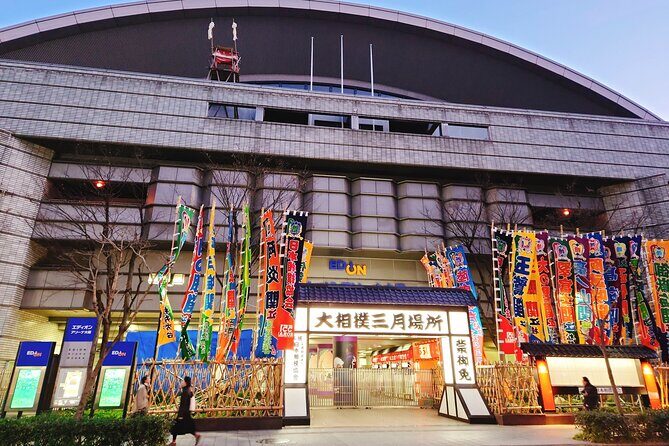
You meet at Edion Arena Osaka (Osaka, Naniwa Ward, Nanbanaka, 3-chōme 436), inside the Osaka Prefectural Gymnasium area.
What seats are included?
You get class A ticket seating in the front 1 to 2 rows, described as chair seats on the second floor with a panoramic view.
Can you eat or drink at your seat?
Yes. Eating and drinking at your seat is allowed.
Is re-entry allowed if I need to leave the venue?
Re-entry is possible once a day. If you need to leave, tell your guide.
What is the cancellation window?
You can cancel for a full refund up to 24 hours before the experience start time.