REVIEW · OSAKA
Osaka: Walking Tour and Top Highlights
Book on GetYourGuide →Operated by Osaka JOINER · Bookable on GetYourGuide
Osaka in four hours sounds fast, but it works. I like this tour because it strings together the city’s biggest “I get it now” moments, from Osaka Castle to neon-hit Dotonbori.
What I really enjoy is the mix: a deep hit of temple and garden time at Shitennoji and a practical food stop at Kuromon Ichiba Market where you can build your own snack plan. One caution: it’s still a walking tour, so expect extra steps, plus the subway rides and castle entry fees are on you.
In This Review
- Key Things I’d Tell You Before Booking
- Namba Walk Meeting Point: Easy Start, Less Guessing
- Osaka Castle Grounds: Views You Can Use Even If You Skip Entry
- Shinsekai and Tsutenkaku: Retro Street Energy, Real Break Time
- Shitennoji Temple: A Historical Pause That’s Still Worth the Time
- Kuromon Ichiba Market: Plan Your Snack Strategy, Then Eat Well
- Dotonbori Neon Hour: Where the City Turns Up the Volume
- What You’re Really Paying For: The Guide Makes This Tour
- Budget Reality Check: Subway, Castle Entry, and Food Add Up
- Who This Tour Fits Best (and Who Should Skip It)
- Final Call: Should You Book This Osaka Walking Tour?
- FAQ
- Where is the meeting point?
- How long is the Osaka walking tour?
- Is the tour guided in English?
- What is included in the price?
- What is not included?
- Do I need cash for this tour?
- What happens if it rains?
- Does the tour offer pickup?
- Is this tour private or small group?
- Can I cancel and get a refund?
Key Things I’d Tell You Before Booking
- You get a smart route through five anchor districts without needing to plan every transfer.
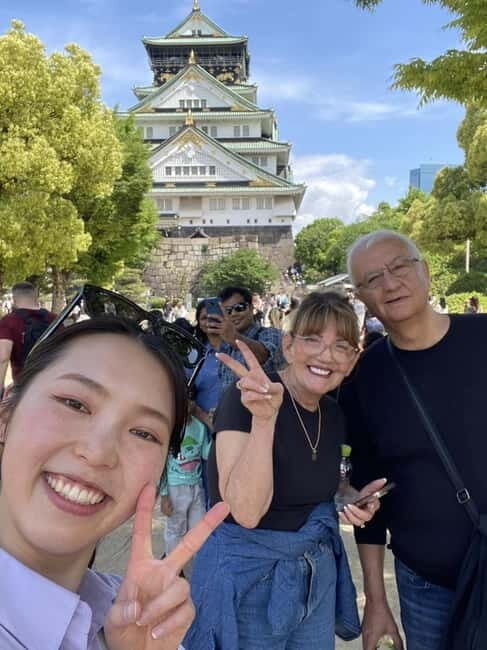
- Photo help is part of the job, and the guides are often praised for taking solid shots and making it easy to pose.
- Temple + street food + retro Osaka in one go means you’re not stuck choosing between history and eating.
- Shinsekai includes a short tea moment, and you may get the matcha-style experience if you chose that option.
- Pacing is flexible at stops, with some guides known for checking in on breaks and keeping the group moving.
- Cash matters for the guide payment, and a few site costs are separate.
Namba Walk Meeting Point: Easy Start, Less Guessing
This tour begins at the Namba Walk underground shopping area, inside the complex between exit B21 and B23. The store sits between the DOCOMO and MIZUNO shops, and Namba Walk has two walkways—so if you miss one, just hop to the other side.
If you booked a pickup, the guide meets you and holds a sign reading Osaka JOINER. Some schedules may not have the sign visible at all times, so don’t panic if you have to ask staff at the lobby for help locating your guide. Plan to show up about 10 minutes early so the whole group can roll on time.
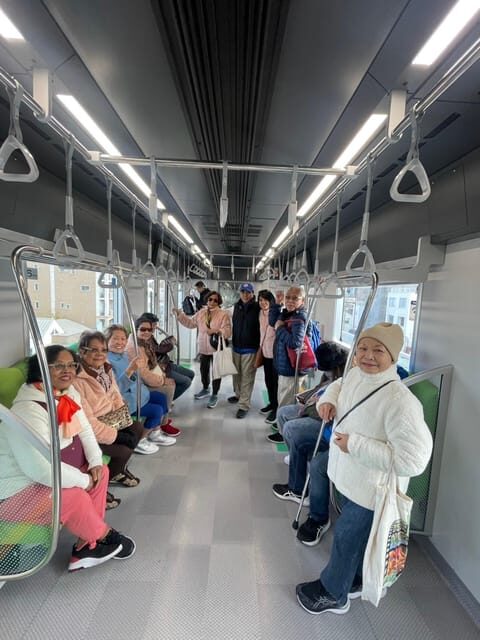
I like starting in Namba because it’s practical: you’re already in a transit-friendly zone, and the tour moves you through Osaka using a mix of short walks and subway hops. That means you spend less energy figuring out trains and more energy getting to the sights.
You can also read our reviews of more walking tours in Osaka

Osaka Castle Grounds: Views You Can Use Even If You Skip Entry
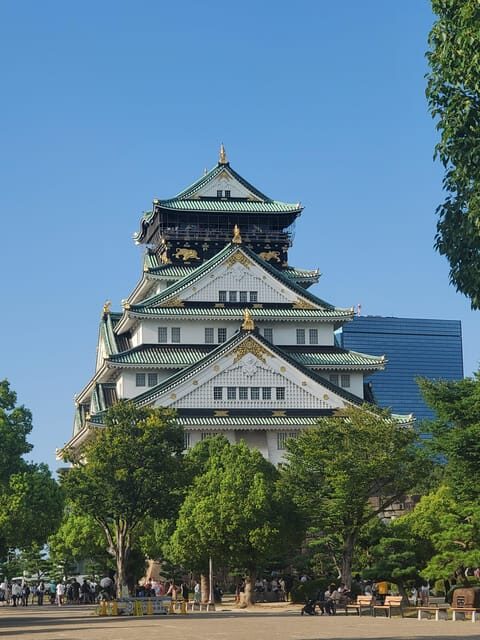
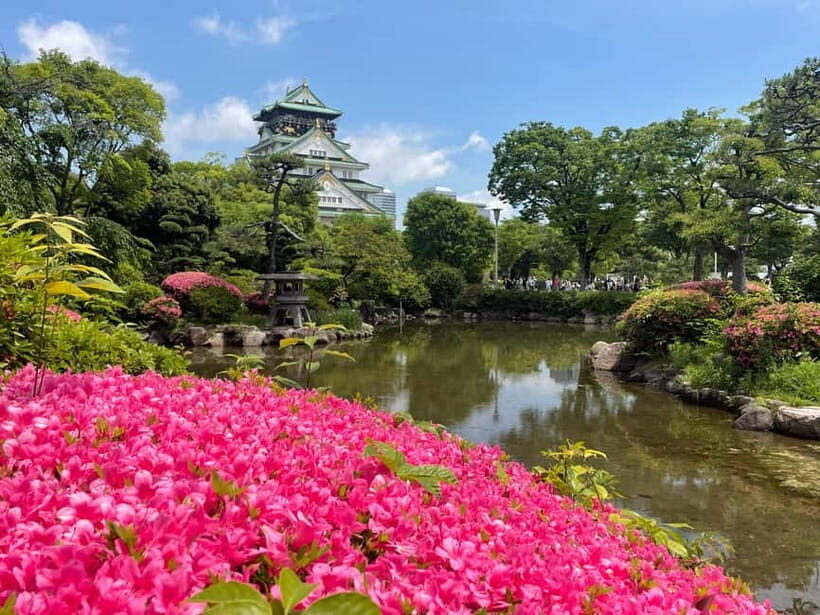
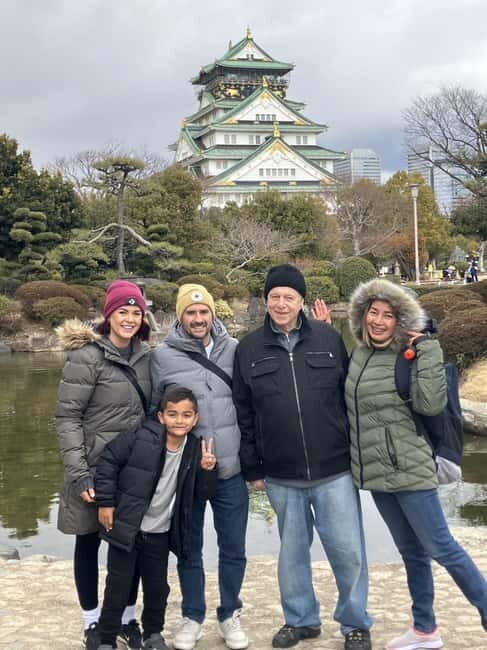
The castle stop is one of the main reasons to do a first-pass Osaka tour. You get a photo stop and time to tour the grounds and surrounding park area, which is where you’ll typically get the big postcard angles.
A key detail: castle entry fees are not included (1200 yen). If you’re the kind of traveler who wants to go inside museums and exhibits, bring extra yen. If you’d rather save money and focus on the exterior views and the park walk, you can still have a great time just from the grounds.
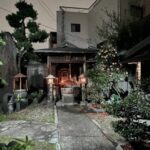
Right around this area, you also stop at Hokoku Shrine for a photo moment and a short guided segment. It’s quick, but it gives context that you’d otherwise miss if you only cared about the main castle photo.
What I like about this part of the day is that it sets a theme. Osaka isn’t just neon; it has deep roots, and the castle area helps you feel that before you jump to food streets and retro neighborhoods.
Shinsekai and Tsutenkaku: Retro Street Energy, Real Break Time
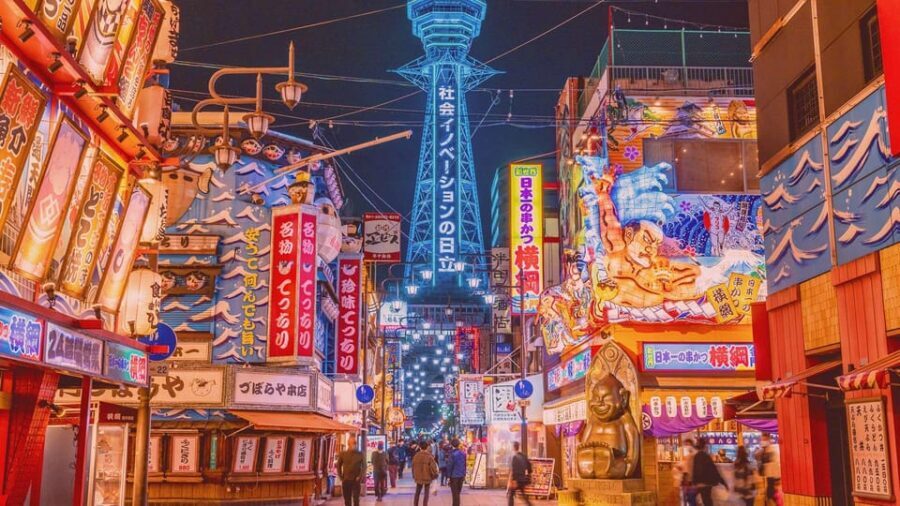
After the castle zone, you swing toward Shinsekai, the district famous for Tsutenkaku Tower and that old-school Osaka vibe. You’ll get free time here, not just sightseeing. That matters, because Shinsekai is the kind of place where you want a few minutes to look, snack, and wander without feeling rushed.
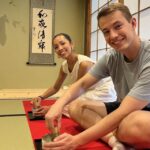
You also hit the Shinsekai Market area for a short tea break and a tea ceremony moment. If you selected a matcha option, this is where it likely comes into play. Either way, it’s a helpful rhythm change: after walking and photos, you get a short reset.
Tsutenkaku itself is a photo stop plus a quick look and sightseeing time. It’s not a long stop, so if you want a long climb or extra time taking photos from every angle, you may want to come back later on your own. For a 4-hour highlights tour, though, it hits the exact note most people want.
One practical tip: Shinsekai can feel like sensory overload in a fun way. If you’re prone to getting distracted by signs, snacks, and arcade lights, a guided route helps you keep momentum.
Shitennoji Temple: A Historical Pause That’s Still Worth the Time
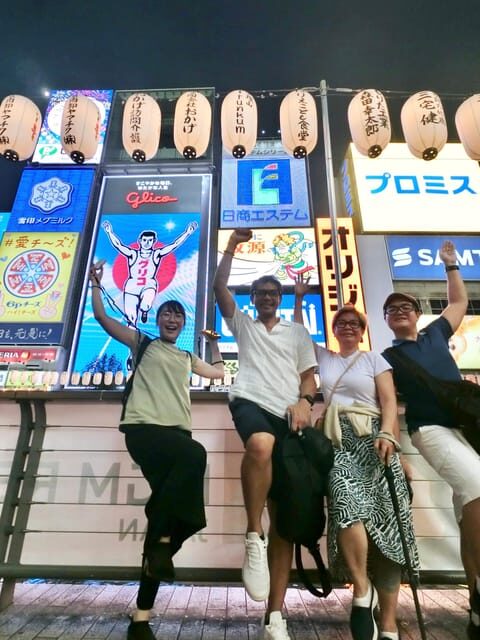
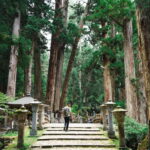
Shitennoji is one of Japan’s oldest Buddhist temples, and this stop gives you a calmer pace inside a day that otherwise moves fast. You’ll have time for a photo stop and guided sightseeing, plus time to walk the grounds and take in the architecture and gardens.
A temple stop works well in a highlights tour because it adds depth without needing you to study beforehand. Even if you’re not a religion-history person, you can still feel the place: it’s quiet, it’s structured, and it makes Osaka feel older than the neon.
The duration is about half an hour for the main temple visit, which is a sensible length for most people. If you love slow travel and want extra time, you may wish the stop were longer. But for a first-time tour, it gives you the core experience without swallowing your whole afternoon.
Dress for comfort here too. You’ll be on your feet, and temple areas are where a solid shoe matters more than people think.
Kuromon Ichiba Market: Plan Your Snack Strategy, Then Eat Well
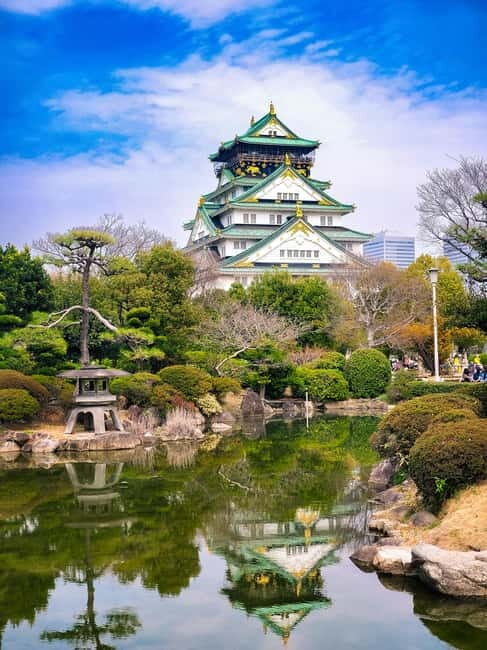
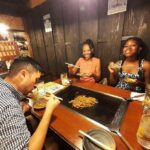
This is your food-market anchor: Kuromon Ichiba Market, often called Osaka’s kitchen. You get a break time that includes breakfast possibilities, street food time, and shopping opportunities. The guide also supports a food-tasting moment as part of the market stop, plus you’ll have time to explore.
Important: food and drinks aren’t included in the tour price. That means you control the budget. If you go in hungry and buy multiple items, it can add up fast. If you go in with a simple plan, you can turn this into one of your best-value meal experiences in Osaka.
I like markets like this on a tour because the guide helps you avoid the tourist trap problem—basically, choosing things that look good but aren’t actually worth the yen. And even if you end up branching off on your own for a snack, having a starting map keeps you from wandering in circles.
This stop pairs nicely with the rest of the day. You start with castle history, hit temple calm, then end up in a place that’s all appetite and energy. It feels like Osaka telling you what it does best.



Dotonbori Neon Hour: Where the City Turns Up the Volume
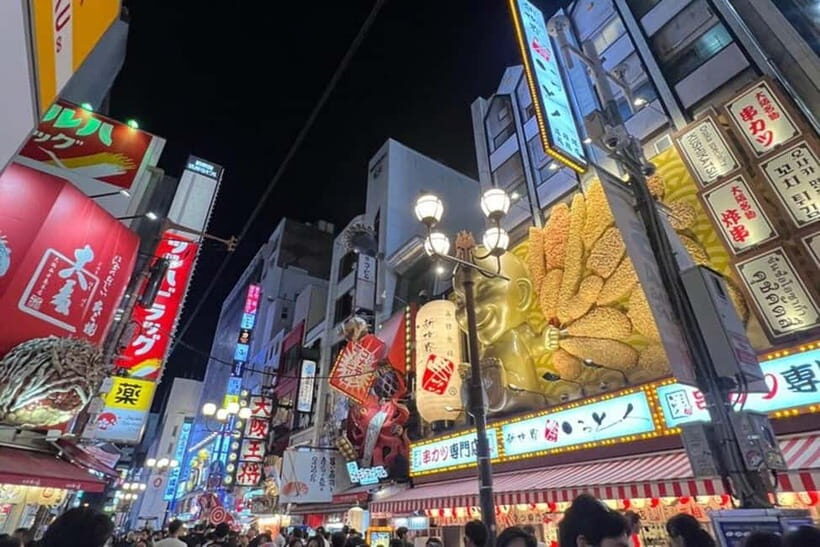
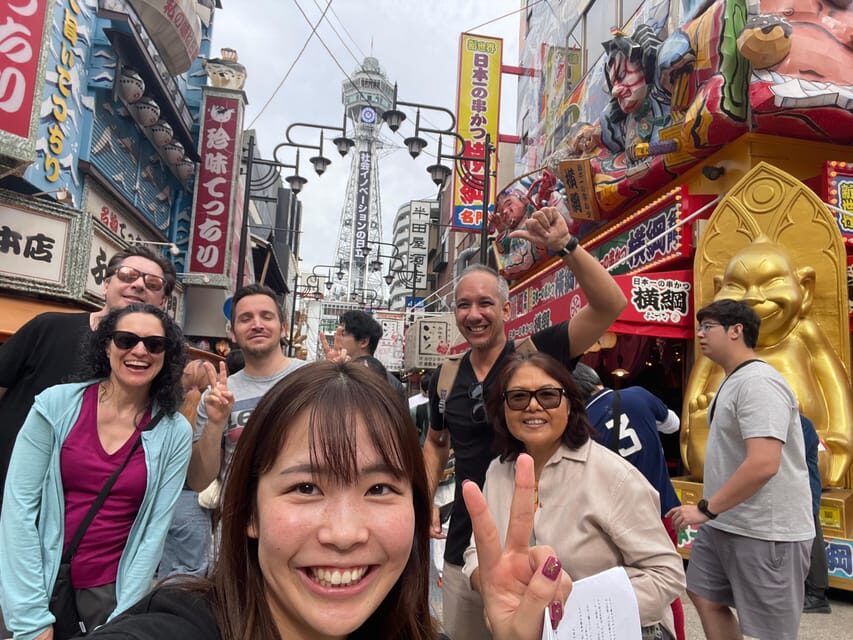
You finish with Dotonbori, Osaka’s neon-and-food district. This part is shorter: a photo stop plus sightseeing time. It’s enough time to see the big sights and feel the atmosphere, but not enough to fully shop or eat your way through every block.
I treat Dotonbori as your landing pad. The best move after the tour is to pick one or two priorities—maybe a specific snack, maybe one long photo loop, maybe a shopping mission—and then continue at your own pace. The tour gives you the first impressions and the direction, then you decide how long you stay.
If rain hits, don’t worry too much. The tour proceeds in rainy weather, so you’ll want a raincoat or umbrella. That’s especially true around Dotonbori, where the sidewalks can feel slick and you’ll be stopping for photos.
Dotonbori is also a smart place to end because it’s easy to return to later. It’s central to the Osaka vibe people come for.
What You’re Really Paying For: The Guide Makes This Tour
Yes, the tour price is $64 per person for about 4 hours, but the true value is what the guide adds. This is the kind of route where a guide can save you time, reduce confusion, and help you see more than you’d expect from the stop lengths.
The guides are frequently described as professional and accommodating. I’ve seen examples like Buchi, who waited when needed, shared useful info, and even suggested where to eat after the tour. Tony is praised for clear English and making it easier to get great photos. Minori is called out for pacing on hot days, including water breaks and keeping the group moving. And Haru is noted for helping people understand how to use the subway so you can keep exploring afterward without relying on taxis.
Even if you already know how to read transit maps, there’s a difference between navigating and understanding. Good guides translate Osaka’s signals—what matters, what’s worth a photo, and what you’ll want to remember later.
Budget Reality Check: Subway, Castle Entry, and Food Add Up
Here’s where I’d be blunt with you: the tour price is the base, not the full Osaka bill.
Not included costs you should plan for:
- Subway/metro rides (around 800 yen)
- Osaka Castle entry fees (1200 yen)
- Food and drinks
So if you’re the type who wants to enter the castle and eat a proper market lunch, your total will be higher than the $64 ticket. Still, it can be a great deal because you’re getting an organized route, English guidance, and support for photography.
Also remember: the guide payment is in cash. Bring cash, not just because you might want snacks, but because you need it for the guide.
If you use something like a Suica card for transit, it can simplify your subway spending because you’re not stuck with extra planning for all-day tickets. Just keep it flexible based on how you’re traveling that day.
Who This Tour Fits Best (and Who Should Skip It)
This is a strong fit for first-timers who want a quick orientation to Osaka’s top districts without spending half the day in planning mode. It’s also great for people who care about both sides of Osaka: history and food.
You’ll like it if you:
- want an English-speaking guide and fewer decision headaches
- like photo stops but don’t want to micromanage every transfer
- want to see a temple, a castle area, a food market, and the neon districts in one shot
You should skip it if you have mobility concerns. The tour isn’t suitable for people with mobility impairments, and it also isn’t meant for people over 75 or anyone with recent surgeries. It continues in rainy weather, so you should also be comfortable walking in less-than-ideal conditions.
Final Call: Should You Book This Osaka Walking Tour?
I’d book this tour if you have limited time and want the best shot at Osaka’s biggest highlights in one organized route. It’s especially worth it on a short stay, because you get clear anchors: Osaka Castle grounds, Shitennoji Temple, Shinsekai and Tsutenkaku, Kuromon Ichiba Market, and Dotonbori.
I wouldn’t book it if you hate walking, need a very slow pace, or you want lots of time inside each major site. The stops are well paced for a highlights tour, not for deep museum-style time or long shopping marathons.
If you do book, come prepared with comfortable shoes, bring cash, and decide in advance whether you want to pay the castle entry fee and how hungry you are for Kuromon. That one small planning step helps you enjoy the day instead of doing math mid-snack.
FAQ
Where is the meeting point?
The meeting point is in Namba Walk, an underground shopping area. The store is located between exit B21 and B23, between the DOCOMO and MIZUNO shops.
How long is the Osaka walking tour?
The tour lasts 4 hours.
Is the tour guided in English?
Yes. The tour includes an English-speaking guide.
What is included in the price?
Included features are the English-speaking guide, the walking tour, support for photography, and a matcha tea experience if you selected that option.
What is not included?
Subway/metro fees (around 800 yen), food and drinks, and Osaka Castle entry fees (1200 yen) are not included.
Do I need cash for this tour?
Yes. Payment for the guide must be made in cash, so bring cash with you.
What happens if it rains?
The tour proceeds in rainy weather. Bring a raincoat or an umbrella.
Does the tour offer pickup?
Pickup is optional for hotel meeting and also has an optional pickup near the cruise terminal for an additional fee of ¥5,000 (tax included). If you want cruise pickup, message at least one day before the tour.
Is this tour private or small group?
It’s available as private or small groups.
Can I cancel and get a refund?
Yes. You can cancel up to 24 hours in advance for a full refund. You also have a reserve now & pay later option.