REVIEW · OSAKA
From Osaka: Nara Private Tour with Meet-Up at Your Hotel
Book on GetYourGuide →Bookable on GetYourGuide
Nara can feel like a zoo or a maze. This tour keeps it calm and focused, with Todai-ji’s Great Buddha and deer feeding in Nara Park as the big wins. The one watch-out: lunch and local transport costs are not included in the $140 price.
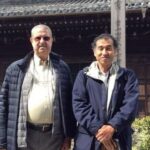
The real magic is your guide, Masa. He’s English-speaking, born and raised in Japan, and several guests praised how he communicated in advance (including WhatsApp) and managed crowds so you spend less time herding and more time seeing.
You’ll move through major highlights—temples, shrines, and even a garden—within a 6-hour day that starts and ends in Osaka. The itinerary includes entrance fees, but you’ll still want comfortable shoes because you’re on your feet through active, sometimes crowded, temple areas.
In This Review
- Key things that make this Nara day work so well
- Nara, First Capital Energy—Without the Headache
- Meeting Masa in Osaka: The Benefit of a Real Local Guide
- Kōfuku-ji and Higashimuki Shopping Street: UNESCO Meets Street-Level Nara
- Nara Park Deer Time: Fun, Photos, and Staying Clear of Trouble
- Todai-ji’s Great Buddha: The Main Event That’s Better With a Guide
- Himuro Shrine and Yoshikien Garden: Slower Stops That Round Out the Day
- Price and Value: What $140 Buys (and What It Doesn’t)
- Practical Notes: Timing, Walking, and What to Bring
- Who This Tour Fits Best
- Should you book the Osaka to Nara Private Tour?
- FAQ
- How long is the Nara private tour from Osaka?
- Is hotel pickup and return included?
- Which languages does the guide speak?
- Are entrance fees included?
- Is lunch included in the price?
- Is this a private group?
- Can I cancel for a full refund?
Key things that make this Nara day work so well
- Hotel meet-up and return: you’re not figuring out trains and meeting points alone
- Masa’s crowd and deer know-how: helps you avoid the chaos and keep distance from aggressive deer
- UNESCO stop at Kofuku-ji: the towering pagoda is a powerful Nara visual anchor
- Nara Park deer time with guidance: feeding is fun, but it’s handled safely
- Big ticket experience at Todai-ji: the Great Buddha is the main event
- More than temples: you also get a shrine stop and Yoshikien Garden
Nara, First Capital Energy—Without the Headache
Nara is a place where history feels physical. You’re walking through old temple layouts, looking up at Buddhist architecture, and then moments later you’re face-to-face with deer in Nara Park. The contrast can be charming… or confusing if you’re trying to self-navigate while trains and crowds eat your time.
This private format helps you keep a sane pace. Instead of bouncing between stations, you’re picked up from your hotel in Osaka and then guided through the key sites as one connected story. I like that the day is structured like a real visit, not a grab-bag of stops. You get the big UNESCO moments, then you get the iconic Nara Park scene, then you return to cultural sites that round out the city.
The day is also long enough to feel satisfying. Six hours gives you time for real temple viewing, plus breaks for photo moments and walking through the park. Still, be honest with yourself: this is not a sit-down museum loop. If you want a low-walking day, you’ll need to manage your expectations and wear comfortable shoes.
You can also read our reviews of more private tours in Osaka
Meeting Masa in Osaka: The Benefit of a Real Local Guide
One reason this tour earns strong marks is the guide. Masa comes across as organized, friendly, and very hands-on. Multiple people highlighted that he’s good at explaining the meaning behind what you’re seeing—so the Great Buddha isn’t just a huge statue, it’s part of a bigger cultural timeline.
Another practical win: pre-trip communication. Guests noted clear messages via WhatsApp before the excursion. That kind of setup matters more than it sounds. When you know where to meet, how the day will flow, and what to expect, you walk in less stressed.
I also appreciate the flexibility. A private guide means you can ask for a small adjustment without derailing everything. Some guests reported Masa accommodating preferences or adding a look at older areas when requested. Even without a detour, the ability to shift your pace—walk faster, pause for photos, or rest briefly—keeps the day from feeling like a rushed checklist.
And yes, the deer management is a big deal. Nara Park deer can be bold. Masa is praised for helping protect people from the more pushy interactions, and for steering you through busy spots so you don’t get trapped in slow-moving crowds.
Kōfuku-ji and Higashimuki Shopping Street: UNESCO Meets Street-Level Nara
The day starts with a guided walk through Higashimuki Shopping Street. Think of this as a quick taste of everyday Nara life—shops, storefront energy, and local atmosphere—before you step into the heavier historic sites. The tour keeps it short (about 20 minutes), so it doesn’t slow you down, but it gives you a sense that Nara is still living, not frozen in time.
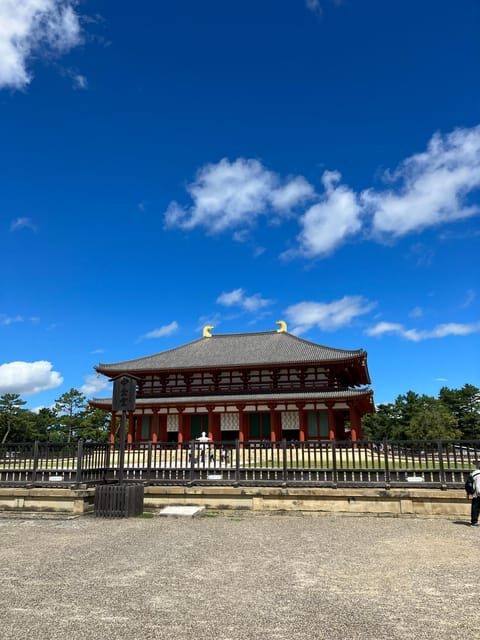
Then comes Kōfuku-ji, a UNESCO World Heritage Site. This stop is where the tour’s “spiritual heritage” theme becomes visible. The pagoda here is the visual anchor, and the guide helps you connect the architecture to what Nara was building and preserving over time. Even if you’re not an architecture nerd, the scale and placement of the structures make it obvious why UNESCO rated it so highly.
A key benefit of having a guide at Kōfuku-ji is context. You can look up at a towering structure and still not know what you’re looking at. With guidance, the temple grounds turn from scenery into meaning: why this place mattered, and how the design reflects belief and history.
Potential drawback: temple areas can be busy. If you hate crowds, you’ll want to lean on your guide’s timing and routing. The tour’s private structure is built for that—so you’re not stuck following everyone else’s footsteps at the slowest moment.
Nara Park Deer Time: Fun, Photos, and Staying Clear of Trouble
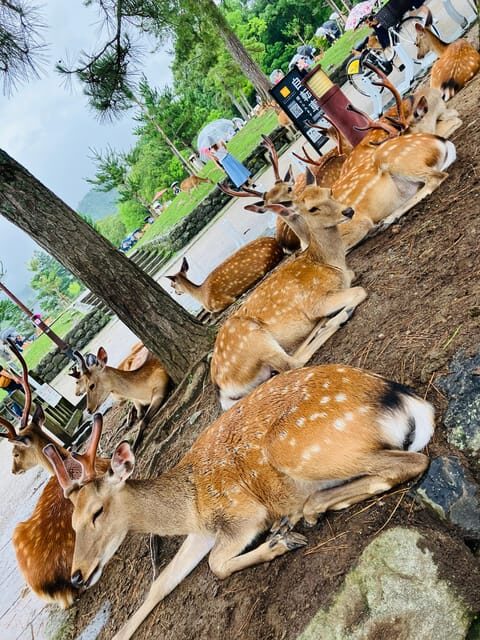
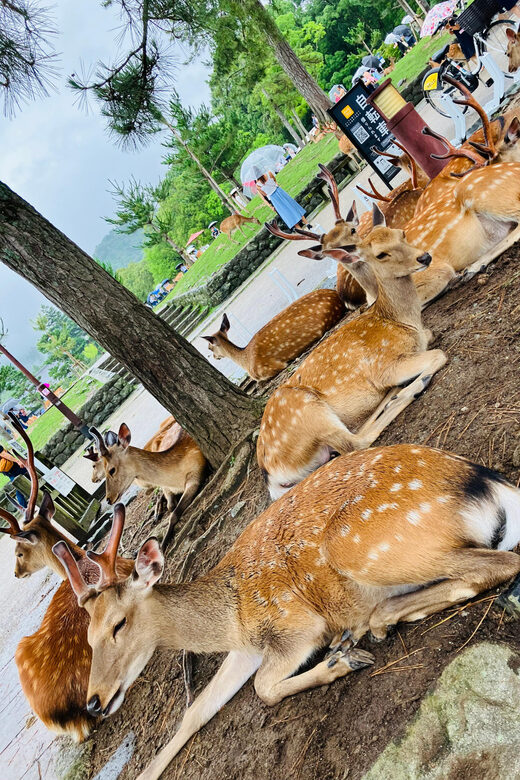
Nara Park is the moment most people came for: deer roaming freely through the landscape. Feeding them is part of the experience, and it’s genuinely one of the most memorable things you’ll do in Japan—because it’s playful, spontaneous, and very Nara.
But here’s the practical truth: deer are wild animals in a tourist zone. Some can be pushy. What makes this tour feel worth it is that your guide actively helps you manage distance and movement. Guests praised Masa for protecting people from aggressive deer, which means you can relax and enjoy the scene instead of hovering your feet and clutching your snack supply like a nervous movie extra.
You’ll also get a guided walking flow through the park. The stop is about 30 minutes, which is long enough to watch deer behaviors, get photos, and enjoy the open views with mountains around you. It’s also short enough to keep the day moving toward the main temple experience without exhausting you.
Quick tip: wear shoes you trust. Even if the ground looks flat, you’ll walk across uneven park paths and temple approach lanes. Bring water, especially in warm weather, because park time plus temple time adds up.
Todai-ji’s Great Buddha: The Main Event That’s Better With a Guide
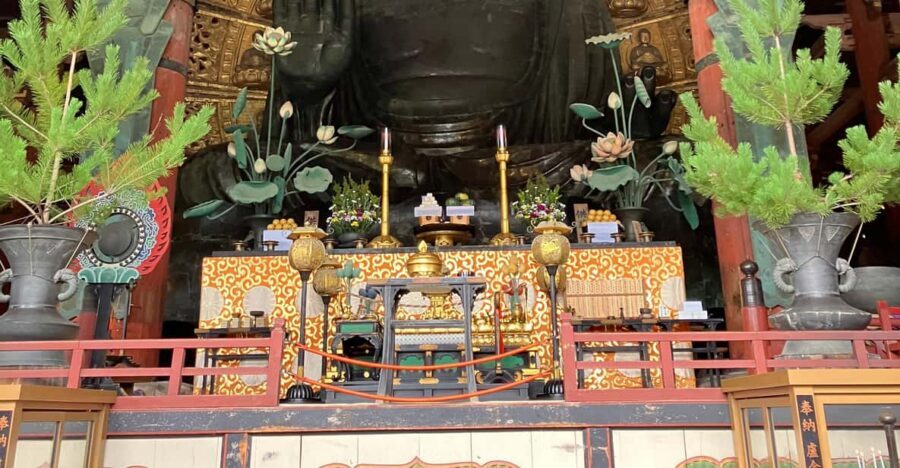
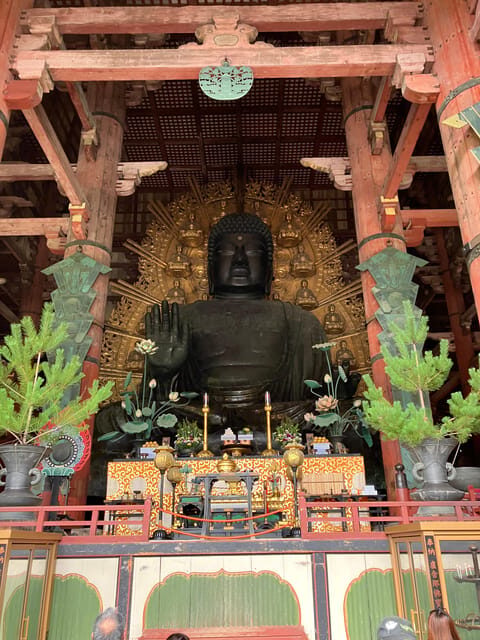
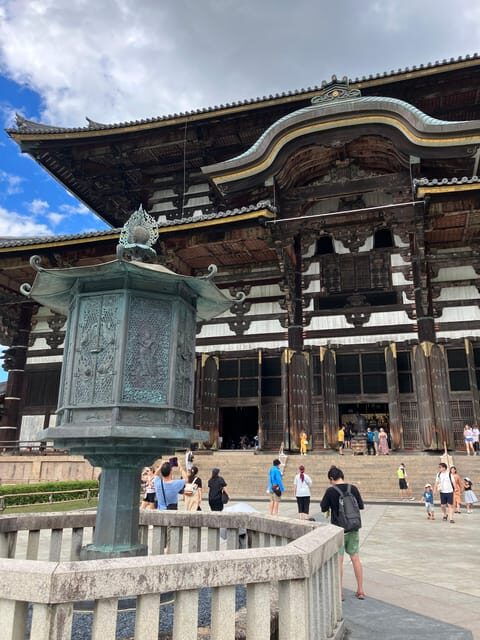
Todai-ji Temple is the big centerpiece. It’s home to the Great Buddha, one of the largest bronze Buddha statues in the world. If you only have one “wow” stop in Nara, this is usually it. The scale hits quickly—your brain registers size before your eyes catch every detail.
What you gain with a private guide is understanding. It’s easy to look at a massive statue and stop at impressive. Masa’s explanations help you connect the Great Buddha to the temple’s role in Nara’s spiritual life and broader Japanese history. When you understand what the site represents, it sticks with you long after the photos fade.
This portion of the tour runs about one hour with guidance. That’s a good length: enough time to absorb the space, walk the grounds, and settle into watching rather than sprinting. If you’re the kind of person who likes to read and reflect, the pacing gives you a chance to do that without feeling forced.
Another reason private guides help: crowd handling. Todai-ji can feel packed, and the worst time to get fun photos is when everyone else is pushing forward at the same moment. Several guests noted Masa’s ability to avoid the busiest pockets, so you spend less time fighting for angles.


Himuro Shrine and Yoshikien Garden: Slower Stops That Round Out the Day
After Todai-ji, the tour doesn’t just keep you in the main temple lane. You get a stop at Himuro Shrine (about 20 minutes guided). Shrines can be quick if you don’t know what to notice. With a guide, you tend to pick up the important cues—how the space functions, what the setting suggests, and why it belongs in Nara’s larger spiritual map.
Then you end with Yoshikien Garden (about 20 minutes guided). Gardens are a smart way to balance a day of large religious buildings. They give you a chance to slow down. Even if you only have a short visit, this kind of stop changes the rhythm: less waiting in temple crowds, more quiet looking and breathing.
One thing to expect: short garden visits mean you won’t see every corner like a dedicated garden tour. But for a six-hour day trip, the tradeoff makes sense. You’re getting a broader snapshot of Nara’s culture without turning the day into a marathon of long entrances and long lines.
Price and Value: What $140 Buys (and What It Doesn’t)
At $140 per person for a six-hour private tour, the big value is not just “transport plus tickets.” The value is the combination of guide time, site entrance fees, and the ability to move as a small group without waiting around or guessing.
Entrance fees to the featured sites are included. That’s important because temple and garden admissions add up fast when you’re piecing things together on your own day. You’re also paying for an English-speaking guide born and raised in Japan. That kind of local perspective can make the difference between seeing monuments and actually understanding them.
Where the math changes: meals and beverages are not included. The tour includes a lunch stop at a local restaurant for about one hour, but you’ll pay for your own food. Transportation fees also aren’t included in the listing price. You’ll want to budget extra for getting between Osaka and Nara and for any local movement that isn’t covered.
Is $140 still fair? For a private half-day with multiple major UNESCO-level sights, a guide who helps manage crowds and deer, and included entrance fees, it usually makes sense—especially if you’re traveling with a couple or a small group and want to avoid the stress of DIY routing.
Practical Notes: Timing, Walking, and What to Bring
This is a full day experience, even though it’s only six hours on paper. The day includes guided stops at multiple sites, plus time to travel from Osaka to Nara and back. The travel time listed is 70 minutes by train each way, and the total schedule depends on where your Osaka hotel pickup is.
That means you’ll want to treat the day like a “walk-and-see” program, not an easy stroller tour. Bring comfortable shoes, and consider that you’ll be standing and walking through temple grounds and park paths. Add sunscreen and water to the basics, because Nara Park and open temple areas can be sunny.
For lunch: the tour makes a stop, but the cost of your meal isn’t included. If you don’t want surprises, set aside money for lunch before you go. If you’re picky about food, tell your guide what you prefer when you’re together—private tours are better at accommodating than fixed-group schedules.
Who This Tour Fits Best
This is a great fit if you:
- Want a clear, guided route through Nara without figuring out transit on the fly
- Care about understanding what you’re looking at, not just collecting photos
- Prefer a private pace, especially when crowds and deer could get chaotic
- Travel in a group small enough to benefit from a private guide setup
If you’re the type who loves DIY sightseeing and doesn’t mind navigating trains and crowds, you can piece together Nara yourself. But if your goal is a smooth, confidence-building day with major sights handled in a smart order, this private format does that job.
Should you book the Osaka to Nara Private Tour?
If you value time and want less stress around crowds (especially Nara Park), I’d book this. The combination of Masa as your guide, included entrance fees, and the focus on major highlights like Kōfuku-ji and Todai-ji gives you a “best of Nara” day without the usual DIY friction.
I’d pause only if you have a tight budget for add-ons, because lunch and transportation fees aren’t included, and you’ll want to plan for them. Also, if you dislike walking at all, the temple-and-park flow may feel like a lot.
For most people visiting Osaka who want one high-impact Nara day, this tour is a strong choice.
FAQ
How long is the Nara private tour from Osaka?
The tour lasts 6 hours total.
Is hotel pickup and return included?
Yes. The guide meets you at your hotel in Osaka and returns with you at the end of the tour.
Which languages does the guide speak?
The live guide speaks English and Japanese.
Are entrance fees included?
Yes. Entrance fees to all the listed sites are included.
Is lunch included in the price?
Lunch is not included in the price. The tour includes a lunch stop at a local restaurant.
Is this a private group?
Yes, it is a private group.
Can I cancel for a full refund?
Yes. You can cancel up to 24 hours in advance for a full refund.