REVIEW · OSAKA
Osaka Abeno Harukas 300 Observatory ETicket
Book on Viator →Operated by Royal Smart Tourism · Bookable on Viator
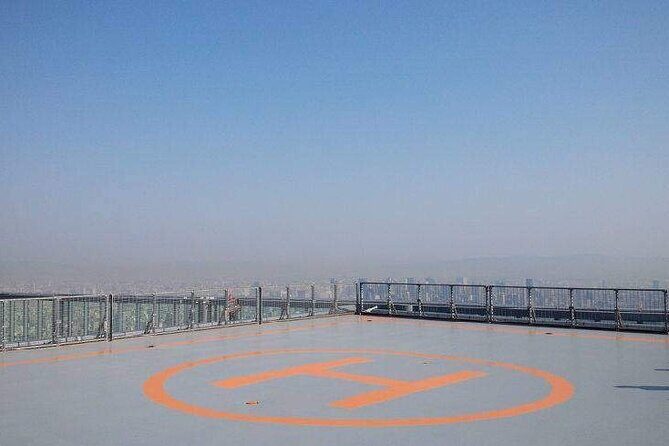
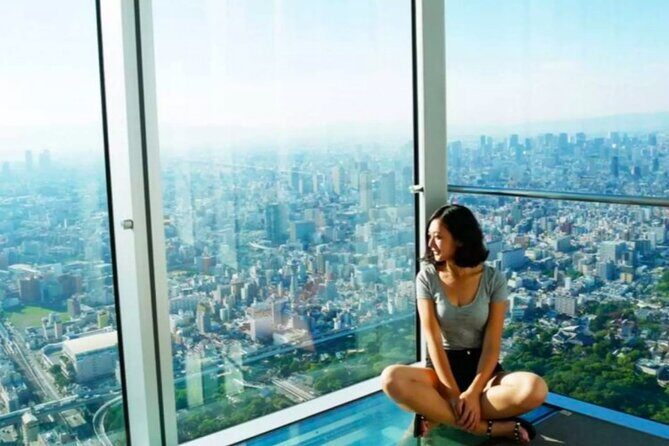
Osaka from 300 meters feels unreal. The Harukas 300 Observatory experience lets you step from a luxury-packed skyscraper world into wide-open views that make Osaka feel both huge and easy to read. I like the 360° glass viewing deck for picture-perfect city geometry, and I really enjoy the calmer outdoor moment up on the open-air plaza.
Here’s my second favorite part: the 58th-floor open-air plaza area gives you fresh air and a breather between shots and shopping stops. The one drawback to keep in mind is that the elevator line can move a bit slowly at peak times, so plan a little buffer if you’re chasing a tight sunset window.
In This Review
- Key highlights worth timing
- Harukas 300 Observatory: what makes it special above Tennoji
- Timing is everything: sunset, night lights, and weather planning
- Floor by floor: 58th-floor open-air plaza and Sky Garden 300
- The 60th-floor 360° deck: your Osaka from every angle
- The included ticket experience: what you’re actually paying for
- How long it takes (and how to make the most of 1–3 hours)
- Getting your e-ticket turned into admission fast
- Pairing it with a Tennoji day: easy add-ons nearby
- Who should book this e-ticket, and who might skip it
- Should you book Harukas 300 Observatory e-ticket?
- FAQ
- What is included with the Osaka Abeno Harukas 300 e-ticket?
- How long does the Harukas 300 Observatory visit take?
- Where do I exchange my mobile voucher for the admission ticket?
- Do I need to print the ticket?
- Is a photo ID required?
- What are the main viewing areas inside Harukas 300?
- Can I change or cancel my booking?
- What happens if the weather is poor?
Key highlights worth timing

- 300 meters up (58th–60th floors): you get both an outdoor plaza and a top observation deck.
- 360° viewing deck: glass-enclosed, great for steady photos and all-around Osaka views.
- Open-air plaza on the 58th floor: a quick reset with air and gardens before the top deck.
- Night lights with music: the skyline look changes after dark, and the building puts on a light-and-music moment.
- Sky Garden 300 restaurant: a meal option on-site if you want food without commuting back down.
- Easy pairing with Tennoji: you’re in Osaka’s Tennoji area, with good public transport access.
Harukas 300 Observatory: what makes it special above Tennoji
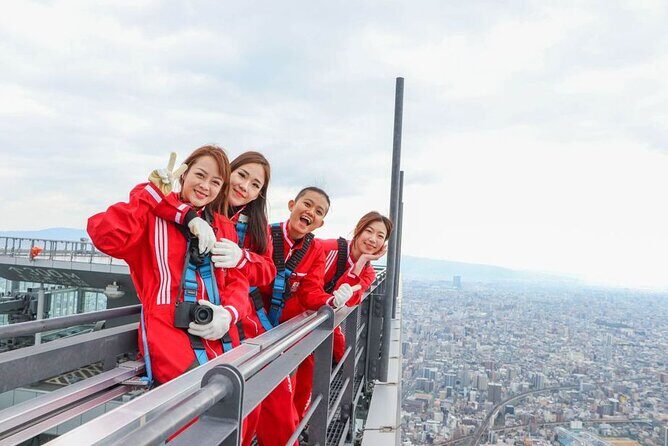
Harukas 300 sits inside Abeno Harukas, one of Osaka’s most recognizable tall buildings. The big idea is simple: you go up through a tower that’s busy with shops, hotels, restaurants, and art spaces, then you transition to floors designed for looking outward.
I like that the layout gives you different kinds of views instead of one single room. On the way up, you get an outdoor break at the 58th-floor open-air plaza, and then you finish at the 60th-floor observation deck for the wide panoramic view. That matters because Osaka changes fast with light. If you’re the type who likes to see a skyline evolve, this building makes that easy.
Also, you’re not locked into just “look and leave.” Even within the observatory area, there’s a calm, higher-level atmosphere, including a small museum space you can use if you want to slow down and not just stare out the glass.
You can also read our reviews of more tours and experiences in Osaka.


Timing is everything: sunset, night lights, and weather planning
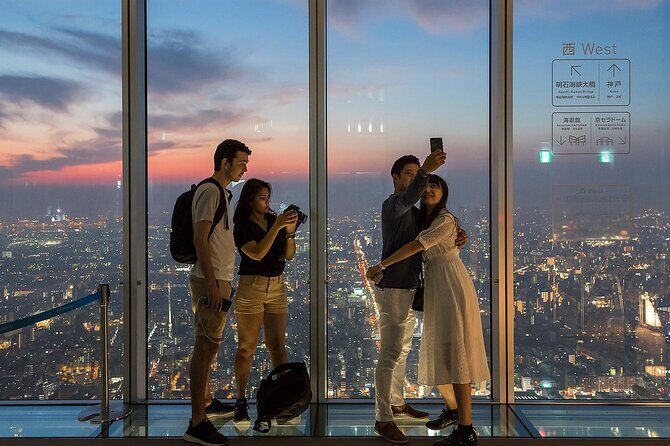
If you want the best payoff, aim for the hour when the sky shifts. The observatory experience is at its most photogenic when you can compare daytime brightness with evening lights. One practical tip is to plan for sunset and then stay long enough to catch the night glow, especially since the building’s night show includes light and music.
Now, there’s a real-world consideration: the experience requires good weather. If weather is poor, you may be offered a different date or a full refund. So I’d treat the sky forecast like part of the itinerary, not a footnote.
If you’re traveling in busy seasons, remember that the elevator line can affect your exact timing. You don’t need to panic, but you should give yourself buffer time if your goal is a specific sunset minute.
Floor by floor: 58th-floor open-air plaza and Sky Garden 300
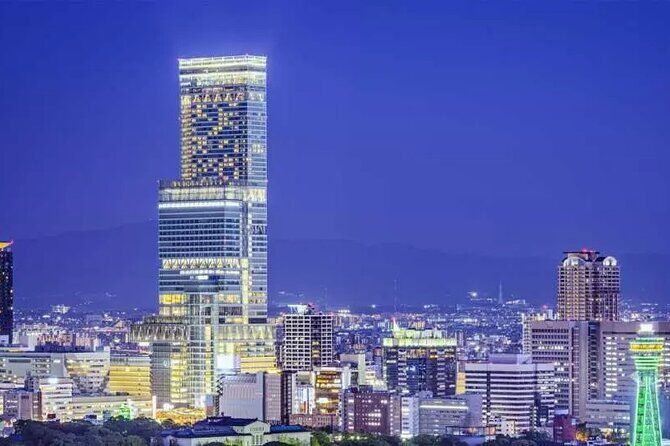
Your visit starts by moving into the observatory section of Abeno Harukas and taking a swift elevator ride up. The first real “wow” moment for many people comes when you step out onto the open-air plaza at the 58th floor.
This is where the experience stops feeling like a pure observation deck. You get outdoor air and a quieter feel, plus outdoor garden views that add a bit of softness to the tall-city view. It’s also an area that’s handy if you want a reset between photo angles. Instead of standing in one spot, you can stretch, walk a little, and reframe your shots.
If you’re hungry, the Sky Garden 300 restaurant on the 58th floor can be a convenient option. The data doesn’t give menu details, but the value here is time: you can eat while still being in the same building zone, rather than dropping back down and returning later.
One more nice detail from the experience design: this mid-level outdoor space gives you a less claustrophobic feeling before you move into the glass-enclosed top deck. That’s especially helpful if you get photo-bounced between crowds and you want a calmer moment.
The 60th-floor 360° deck: your Osaka from every angle
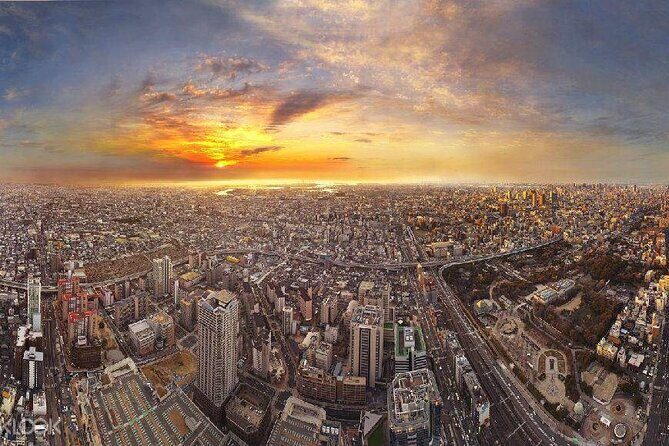
The final stop is the 60th-floor observation deck, and it’s built for panorama. The big selling point is the 360° view from behind a glass-enclosed deck, which helps you look around without constantly changing your orientation.
This part is where Osaka’s scale hits you. From 300 meters up, you see how the city spreads and how neighborhoods connect. Even if you don’t recognize every landmark, you start understanding the “shape” of the city—major roads, cluster patterns, and how far the built-up areas stretch.
Practical photo note: a glass deck can create reflections depending on the time of day and your position. If you’re shooting with a phone, use the angle that gives you the clearest city view rather than the brightest reflection. If you’re using a camera, that means experimenting with where you stand along the deck.
Also, if you like calm spaces, don’t rush straight to the center. The deck layout lets you find a quieter edge sometimes, and that makes waiting for light changes easier.
The included ticket experience: what you’re actually paying for
Your ticket is admission to Harukas 300 Observatory. The price is listed at $14.00 per person, with most bookings happening about 20 days in advance on average. You’re also looking at 1 to 3 hours on-site, which is a realistic range for a viewpoint that includes outdoor space plus time to explore a bit inside.
Here’s how I think about value at this price. You’re paying for vertical travel and access to a specific high-altitude view, not a long guided program. That can be a great deal if your goal is just the skyline and you don’t want to negotiate multiple transport legs. It’s less of a bargain if you plan to spend most of your time shopping or lingering far outside the observatory zones.
The big value boosters are:
- You don’t need to line up for basic admission if your e-ticket is ready.
- You get both an outdoor plaza and an all-around viewing deck, so you’re not doing a “5-minute viewpoint and done” routine.
- You can plan a full light cycle—day-to-night—if the weather cooperates.






How long it takes (and how to make the most of 1–3 hours)
The visit length is approximate 1 to 3 hours, and you’ll feel that range based on two things: crowds and how long you stay for light changes.
If you want a straightforward visit:
1) Start at the deck sequence soon after you exchange your voucher.
2) Use the open-air plaza for a short reset and a few shots.
3) Go up to the 60th-floor deck for the panoramic view and stay until the light shifts.
If you like moving slower:
- Add time for the small museum area on the upper floors, since it gives you a calmer indoor break if the crowds are heavy.
- Use the outdoor plaza as your “in-between” space so you’re not just waiting in one spot.
If crowds make you impatient, remember the elevator line can be slower at peak times. That’s why I think it’s smart to arrive with a bit of wiggle room, especially around sunset.
Getting your e-ticket turned into admission fast
You’ll receive an e-ticket by email one day before your date, and you can show it from your smartphone (no need to print). When you arrive, you’ll exchange the mobile voucher at the Information Desk on the 16th floor of Abeno Harukas.
One more thing that matters in the moment: you need a valid photo ID/passport for entrance. If you forget it, you’ll lose time sorting it out at the door, and there’s a no-show policy if you miss your time slot.
So I’d do this: keep your phone voucher ready, bring your ID, and get to the building early enough to handle elevator queues without rushing your photos.
Pairing it with a Tennoji day: easy add-ons nearby
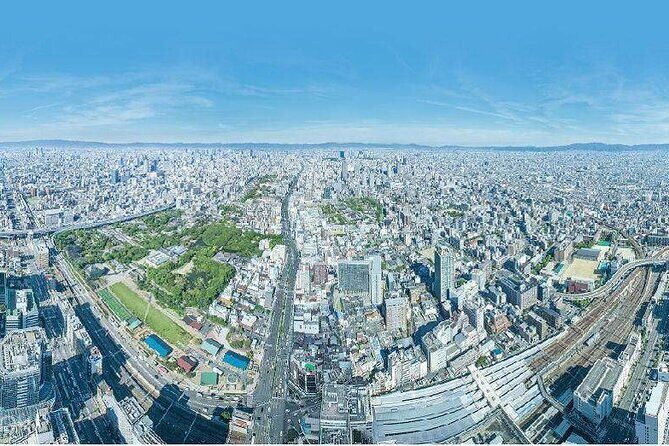
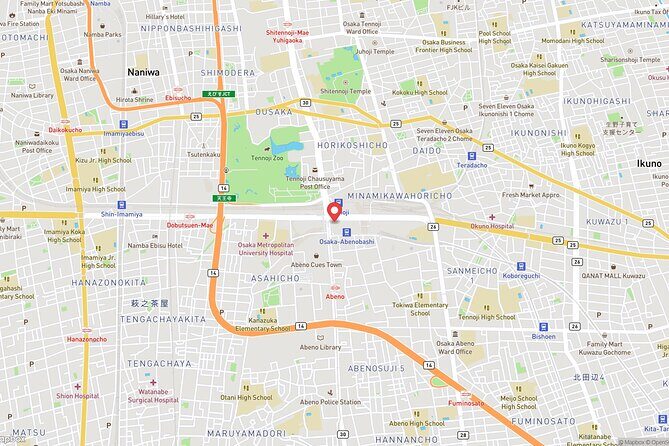
Abeno Harukas is in Osaka’s Tennoji district, and the location is described as near public transportation. That makes Harukas 300 a good anchor stop in an itinerary, especially if you’re already spending time around Tennoji.
From the vibe described, the building sits near greener spaces too, and that can be a nice contrast: you get city height and then can return to street level for a calmer stroll. Even if you don’t plan a full schedule, it’s easy to build a satisfying half-day by combining one major viewpoint with nearby walking time.
Who should book this e-ticket, and who might skip it
I’d book this if you want:
- Big Osaka skyline views with minimal fuss.
- A viewpoint that includes both indoor deck time and outdoor plaza time.
- Day-to-night photo potential, especially if you like city lights.
You might consider skipping if:
- You’re only interested in a quick look and you hate waiting in any line at all.
- Your dates are fixed and your weather window is unpredictable, since the experience depends on good weather.
This works well for couples, friends, and solo visitors who like a clean, self-paced viewpoint. It also fits families who can handle an elevator-to-deck outing, but children must be accompanied by an adult at all times.
Should you book Harukas 300 Observatory e-ticket?
Yes, if your priority is a high-altitude, 360° Osaka view and you want it on a timeline that can capture both sunset and night lights. The $14 admission price is modest for a 300-meter observatory experience that mixes an open-air plaza and a panoramic glass deck.
Book it when you can line up with good weather, and give yourself a little buffer for elevator queues. If you’re chasing a perfect light moment, build your day so you’re not sprinting from transit with seconds to spare. Do that, and Harukas 300 is the kind of Osaka stop that makes the city feel real in your mind, not just something you pass through.
FAQ
What is included with the Osaka Abeno Harukas 300 e-ticket?
Your e-ticket includes the admission ticket to Harukas 300 Observatory. Food, drinks, and shopping are not included.
How long does the Harukas 300 Observatory visit take?
The experience duration is listed as about 1 to 3 hours.
Where do I exchange my mobile voucher for the admission ticket?
You present the mobile voucher at the Information Desk on the 16th floor of Abeno HARUKAS and exchange it for the admission ticket.
Do I need to print the ticket?
No. You can show the e-ticket from your smartphone. E-tickets are forwarded by email one day before the tour date.
Is a photo ID required?
Yes. You must bring a valid photo ID/passport, and it is required to be displayed at the entrance.
What are the main viewing areas inside Harukas 300?
You can access the 58th-floor open-air plaza and the 60th-floor 360° glass-enclosed observation deck.
Can I change or cancel my booking?
This experience is non-refundable and cannot be changed for any reason.
What happens if the weather is poor?
The experience requires good weather. If it’s canceled due to poor weather, you’ll be offered a different date or a full refund.