REVIEW · OSAKA
Osaka Sushi Miso soup Adventure: A Journey of Exotic Flavors
Book on GetYourGuide →Operated by yuki Japanese cooking class · Bookable on GetYourGuide
Sushi starts with rice, not fish. In Osaka, this hands-on class with Chef Yuki teaches you how to build great sushi from scratch, plus how to make miso soup that actually tastes like Japan. I like how practical it is, especially when it comes to seasoning rice and working with toppings like tuna zuke and kombu-jime salmon. One thing to consider: this class is not in the middle of the most famous tourist streets, so you’ll want an easy plan to reach Nukata Station.
What also makes this experience work is the small group size. With a limit of 6, you get real attention while you’re making nigiri, rolling hosomaki, and cooking tamagoyaki in a Japanese-style square pan. I also like that you’re not just memorizing steps. You’re learning the logic behind them—especially dashi, wasabi basics, and how sushi rice should feel and look.
It lasts 3 hours, which sounds short until you’re busy rolling, cutting, and plating. If you’re the type who freezes the second you smell kombu, you’ll still be fine—but come ready to cook, not just watch.
In This Review
- Key things you’ll do (and remember)
- Chef Yuki’s Osaka kitchen: why the vibe matters
- The 3-hour sushi rhythm: what happens when
- 1) Getting started with sushi basics (rice first)
- 2) Dashi and miso: the flavor backbone
- 3) Tuna zuke and kombu-jime salmon: build flavor, then learn why it works
- 4) Nigiri: turning rice into sushi
- 5) Hosomaki: thin rolls with control
- 6) Tamagoyaki: the Japanese rolled omelet
- 7) Eat what you made, like you mean it
- Why the tuna zuke and kombu-jime lesson is such good value
- Miso soup and dashi: the skill that upgrades everything on your table
- The teaching style: small group, clear feedback, real “try this” moments
- Price and value: is $96 per person actually fair?
- Getting there from Namba: keep it simple
- Who should book this (and who might want a different plan)
- Should you book the Osaka sushi and miso class with Chef Yuki?
- FAQ
- Where is the meeting point for the class?
- How long is the experience?
- What is the price per person?
- Is the instruction in English?
- How many people are in the group?
- What dishes are included in the class?
- How do I get there from Namba Station?
- What is the cancellation policy?
- Can I reserve without paying right away?
Key things you’ll do (and remember)
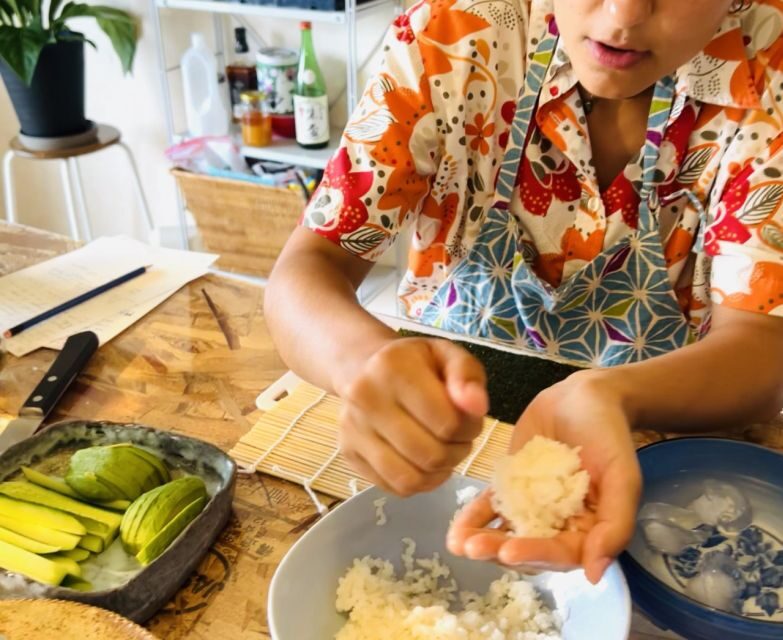
- Hands-on sushi techniques: you make nigiri, hosomaki, and tamagoyaki, not just a single roll
- Rice skills that transfer home: you learn how to treat sushi rice in a traditional way
- Two toppings with real life value: tuna zuke and kombu-jime salmon for better flavor and freshness
- Homemade miso soup: made from scratch as the full finishing touch
- Small-group teaching: limited to 6 participants, so you can ask questions while you cook
Chef Yuki’s Osaka kitchen: why the vibe matters
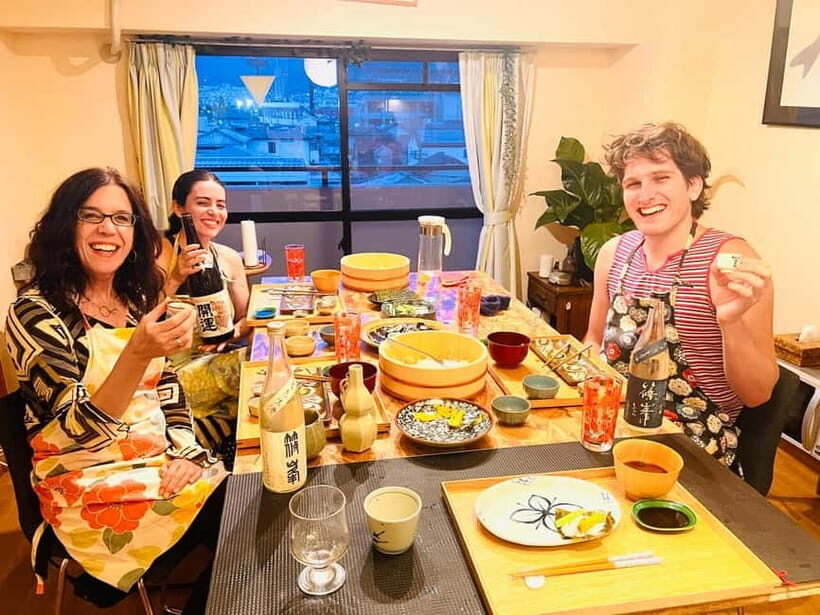
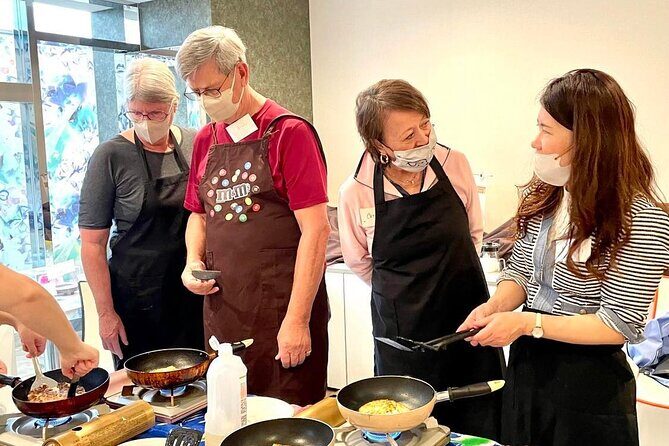
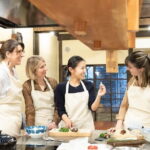
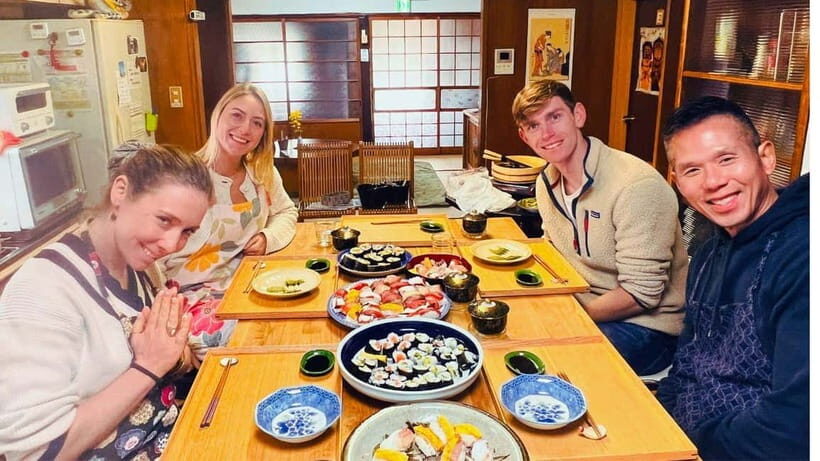
This class feels like cooking with someone who genuinely cares about the details. Chef Yuki teaches in English, and the pace stays friendly. You’re not being rushed through a “watch me, then eat” format. You’ll work with fresh ingredients and traditional seasonings while she shows you what good looks like, then hands you the tools.
I like that it’s cozy. There’s no big production-line energy. That matters because sushi is picky. Even if you’re not chasing restaurant perfection, you’ll notice small differences: how the rice is seasoned, how fish is handled, and how the roll holds together.
There’s also a social payoff. By the end, you’ll eat what you made as a group. That’s when the class stops feeling like homework and starts feeling like dinner you earned.
You can also read our reviews of more tours and experiences in Osaka.


The 3-hour sushi rhythm: what happens when
You’re in class for 3 hours, and the structure is built to keep you moving. Expect an early focus on the foundation, then a shift into building pieces of sushi one by one.
1) Getting started with sushi basics (rice first)
Sushi usually gets sold as fish and tricks. Here, you start with rice—because that’s the real make-or-break part. You learn how to prepare and treat sushi rice properly, including using a traditional pot approach. This is the kind of technique that’s hard to learn from a recipe alone. In class, you can see the texture you’re aiming for and adjust while you go.
This is also where you’ll hear the reasoning behind seasoning. If your rice is too dry or too wet, everything else suffers. When you get rice right, nigiri feels natural. When you get rice wrong, even a perfect topping tastes off.
2) Dashi and miso: the flavor backbone
You’ll also work with the soup side of Japanese cooking. The class includes miso soup made from scratch, and you’ll learn basics around dashi (the stock that makes miso soup taste round and savory instead of flat).
This matters for two reasons:
- Miso soup isn’t an accessory. It’s a whole flavor system.
- Once you understand dashi, you start thinking differently about seasoning at home.
Chef Yuki’s approach is practical. You’ll understand what you’re tasting and why you’re tasting it.
3) Tuna zuke and kombu-jime salmon: build flavor, then learn why it works
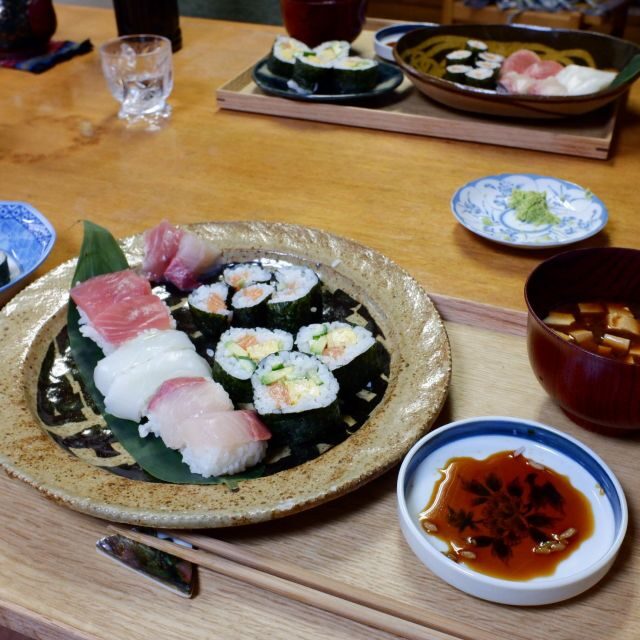
This is one of the most useful parts of the course. You’ll master two toppings that sound fancy but are actually clever for real life:
- Tuna zuke (marinated tuna): tuna gets treated with a soy-based marinade approach that boosts flavor.
- Kombu-jime salmon (kelp-cured salmon): salmon is cured with kombu, a technique that has been used for ages.
Here’s the big win for you: these methods help with practical freshness. The class specifically highlights that you can preserve these toppings for about 3–4 days. That makes sushi-making at home much more realistic, especially if the freshest fish isn’t easy where you live.
Also, don’t ignore the lesson beneath the technique. You’re learning how curing and marinating change flavor and texture. That’s transferable, even beyond these exact toppings.

4) Nigiri: turning rice into sushi
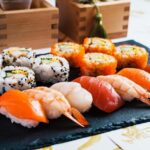
Once the rice foundation is set, you move into nigiri. Nigiri is deceptively simple: fish on seasoned rice. But it’s also where technique shows.
You’ll learn how to balance rice and topping so it doesn’t fall apart or feel sloppy. Since this is hands-on, you get feedback while you’re forming pieces, not after.
5) Hosomaki: thin rolls with control
Next come hosomaki, the thin rolls. This is a great exercise because thin rolls demand more control. You’ll practice keeping the roll tight without crushing the ingredients, and you’ll learn how to place and roll for a clean cut.
Hosomaki is also easier to repeat at home than bigger rolls. If you want a sushi skill that you’ll actually use again, this is it.
6) Tamagoyaki: the Japanese rolled omelet
You’ll cook tamagoyaki, using a square pan. This part adds a different skill set, and that’s good. Sushi classes often focus only on raw fish. Here you get the egg technique that shows up on Japanese plates everywhere.
Tamagoyaki teaches patience: layering, rolling, and getting a consistent texture. Even if your first few pieces look imperfect, you’ll understand the rhythm by the time you finish.
7) Eat what you made, like you mean it
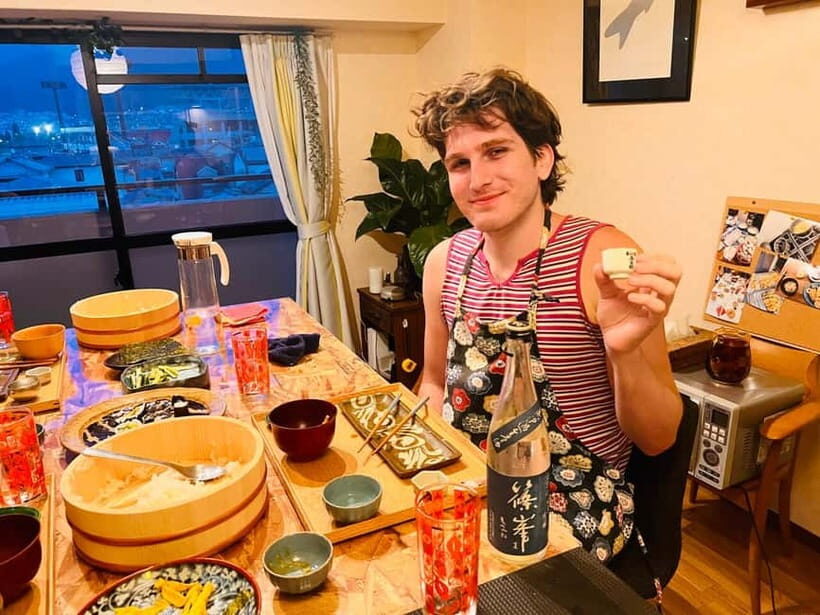
At the end, you’ll enjoy the sushi and soup you created together. That’s part of the value. You don’t just learn. You taste, compare your work to the goal, and walk away with a “this is what good tastes like” memory.
Why the tuna zuke and kombu-jime lesson is such good value
Let’s talk about why these two toppings get so much attention in this course.
Most sushi classes teach techniques that are fun but hard to reproduce. You’ll need very fresh fish, and you’ll need it on the day. That’s expensive and stressful for many people.
Here, Chef Yuki focuses on practical methods that keep flavor strong for a few days. Tuna zuke and kombu-jime salmon aren’t just delicious. They’re also a way to make sushi-making fit into normal life.
For you, the payoff looks like this:
- You can build sushi nights at home without hunting for the absolute freshest catch that morning.
- You learn food handling habits that make you more confident in your kitchen.
- You’ll understand how marinade and curing affect the end result, instead of treating it like a mystery ingredient.
If you’re chasing a class that gives you skills you’ll use again, this is a smart choice.
Miso soup and dashi: the skill that upgrades everything on your table
Miso soup is included, and it’s not an afterthought. You make it from scratch. That means you’ll leave with more than a single dish you can repeat.
You’ll learn how dashi functions as the base. When you get the stock right, miso has somewhere to land. Without good dashi, miso can taste harsh or one-note.
A bonus: miso soup is forgiving compared with sushi rice. Even if you mess up one sushi piece, soup can still taste right. That helps you gain confidence fast. And confidence matters, because sushi is technique-heavy.
Chef Yuki also teaches other cooking basics that show up again and again in Japanese cooking, including elements like wasabi prep. Even if you don’t use every micro-step later, you’ll understand what matters.
The teaching style: small group, clear feedback, real “try this” moments
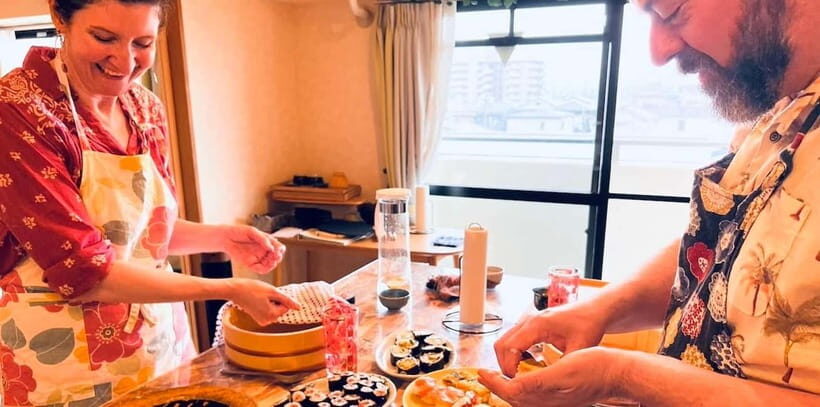
This is limited to 6 participants, and it shows. If you struggle with rice pressure or rolling tightness, you don’t get left alone. You get guidance while your hands are still learning.
A few reviews highlighted how personal the class feels, including the chance for extra family flexibility. One participant even said they brought a baby and the host supported the experience. If you’re traveling with kids, that’s a promising sign—but still, message your needs ahead of time so you can plan.
English instruction is another key point. You’re not stuck interpreting cooking movements without context. You’ll get explanations that help you cook better next time, not just follow steps.
Price and value: is $96 per person actually fair?
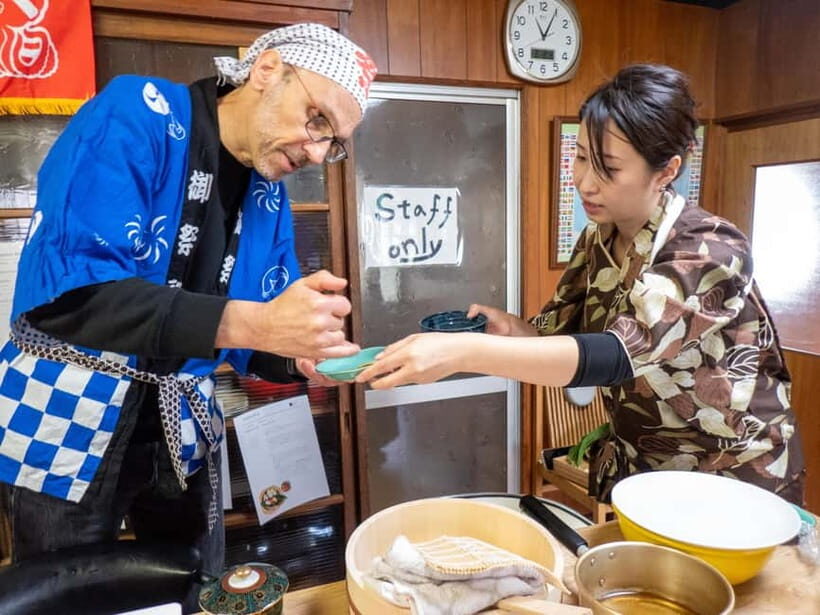
At $96 per person for 3 hours, this isn’t the cheapest food activity in Osaka. But it can be very fair if you value skills over selfies.
Here’s what you’re paying for:
- Fresh ingredients and traditional seasonings included
- A trained chef teaching you multiple sushi styles: nigiri, hosomaki, and tamagoyaki
- Two higher-skill toppings: tuna zuke and kombu-jime salmon
- Miso soup from scratch
- Small-group attention (max 6)
- English instruction
Plus, many participants say Chef Yuki sends recipes/notes after the class. That adds real value. If you leave with a way to repeat the results, your per-hour cost drops fast.
If you’re only interested in eating sushi, skip this and go find a great omakase spot. But if you want a skill you can carry home, $96 starts making sense quickly.
Getting there from Namba: keep it simple
The meeting point is at 4-19 Nukata-cho, Osaka, at a white building near Nukata Station. It’s about a 5-minute walk from the station, and you’ll want to arrive about 10 minutes early so you can start on time.
If you’re coming from Namba Station, the suggested route is:
- Take the Kintetsu Nara Line
- Get off at Nukata Station (about 30 minutes, ¥430)
- Walk to 4-19 Nukata-cho (about 5 minutes)
One practical tip: read the address carefully before you leave Namba. Osaka station navigation can be easy once you’re in the right line, but your time gets wasted if you’re wandering after you arrive.
Also, some participants said Chef Yuki meets people near the station area (like at a convenience store). If you receive a specific meet-up note, follow it.
Who should book this (and who might want a different plan)
Book this if:
- You want an Osaka sushi-making class that teaches more than one type of sushi
- You care about making sushi at home, not just eating sushi once
- You want miso soup training alongside sushi
- You prefer small-group cooking with clear guidance in English
Consider skipping if:
- You only want a quick snack and a sightseeing stop
- You’re uncomfortable cooking with your hands (this class is hands-on)
- You’re allergic or avoiding seafood in a way that can’t be accommodated (the class includes fish-focused toppings, and the data doesn’t list a guaranteed alternative)
If you’ve ever watched sushi videos and thought, I can’t do that, this class is a strong next step. You’ll learn the parts that make it possible.
Should you book the Osaka sushi and miso class with Chef Yuki?
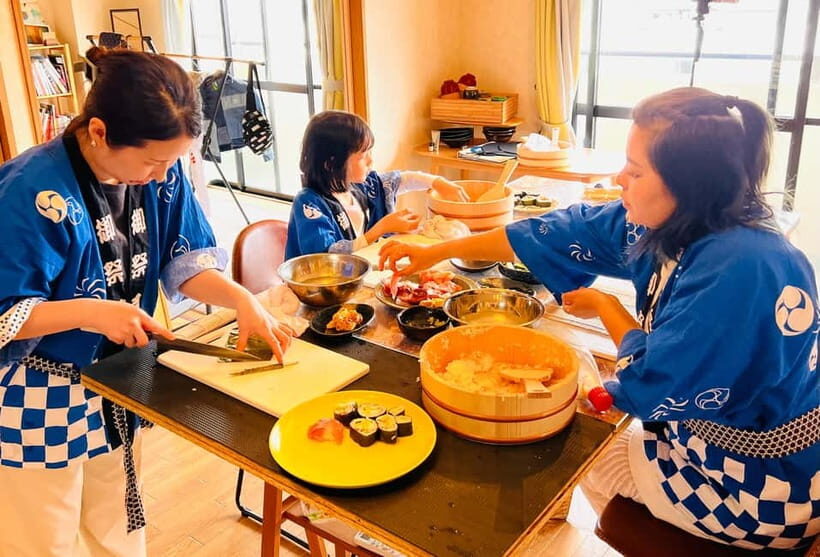
Yes, if your goal is to leave with skills you can repeat. You’re getting sushi rice know-how, nigiri, hosomaki, tamagoyaki, and a proper finish with miso soup. The most compelling part is the focus on toppings like tuna zuke and kombu-jime salmon, because those techniques make sushi at home more realistic.
If you’re choosing between this class and yet another food tour, go with the one that teaches you something you can cook later. This is that kind of experience.
FAQ
Where is the meeting point for the class?
The meeting point is at 4-19 Nukata-cho, Osaka. You should look for a white building near Nukata Station, about a 5-minute walk away.
How long is the experience?
The class lasts 3 hours.
What is the price per person?
The price is $96 per person.
Is the instruction in English?
Yes. The instructor teaches in English.
How many people are in the group?
The class is a small group limited to 6 participants.
What dishes are included in the class?
You’ll make nigiri sushi, tuna zuke (marinated tuna), kombu-jime salmon (kelp-cured salmon), hosomaki, tamagoyaki, and miso soup.
How do I get there from Namba Station?
Take the Kintetsu Nara Line from Osaka Namba Station bound for Kintetsu Nara, get off at Nukata Station (about 30 minutes, ¥430), then walk about 5 minutes to 4-19 Nukata-cho.
What is the cancellation policy?
You can cancel up to 24 hours in advance for a full refund.
Can I reserve without paying right away?
Yes. There is a reserve now & pay later option.