REVIEW · OSAKA
Osaka and Nara Attractive One Day private Tour
Book on Viator →Operated by Sato · Bookable on Viator
Osaka and Nara in one day is a smart way to see UNESCO-style highlights without spending half your trip figuring out transit. This is a private tour with an air-conditioned vehicle and pickup from Osaka Station, so the day runs like a plan. I especially like that the experience can be handled by guides such as Talha, Ben, and Malik, who were praised for making the route feel smooth and easy.
What I like most is the mix of big-ticket sights and grounded local life. You’ll get calm, early Buddhism at Shitennoji, then shift gears to Dotonbori for street-food chaos (the neon kind), and end in Nara with deer and one of Japan’s most famous Buddha halls—if you choose that stop. There’s also a hotspot on board, which is handy when you want maps or translations during the ride.
One consideration: a couple reviews paint a picture of this being more “transport with scheduled stops” than a full commentary tour at every site. Also, several major stops are optional and have separate admission fees you pay on arrival.
In This Review
- Key things that make this Osaka + Nara day tour work
- The 10-hour Osaka–Nara schedule that fits real life
- Pickup at Osaka Station: how the logistics affect your day
- Osaka Castle (optional): the famous silhouette, and what the fee really means
- Shitennoji Temple: the calm stop that anchors the day
- Dotonbori Street: where Osaka turns loud and hungry (2 hours)
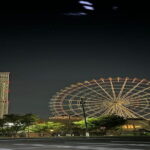
- Umeda Sky Building (optional): 173 meters of city views
- Todai-ji and Nara Park: giant Buddha plus deer time
- Todai-ji Temple (optional): the Great Buddha Hall
- Nara Park (included): the deer and the strolling pace
- Price and value: $550 per group plus optional admissions
- The “tour” style you should expect: great when the guide clicks
- Who this Osaka and Nara private tour is best for
- Should you book this Osaka and Nara private tour?
- FAQ
- How many people can join the private tour?
- How long is the Osaka and Nara tour?
- Is pickup included, and where does the tour start?
- Does the tour include a guide?
- Are admission tickets included?
- Which stops are free?
- What’s included in the price?
- What is the cancellation policy?
Key things that make this Osaka + Nara day tour work
- Private, up to 5 people: you ride together in your own AC vehicle, not in a coach with strangers.
- 10 hours total, with travel already built in: about 2 hours is set aside for getting between places.
- Clear hit list: Osaka Castle (optional), Shitennoji, Dotonbori, Umeda Sky (optional), Todai-ji (optional), and Nara Park.
- Good value if you fill the group: $550 per group can land at a reasonable per-person cost.
- Free stops are real breathing room: Shitennoji, Dotonbori, and Nara Park all have free admission.
- Pay-as-you-go for the big ticket views: you’ll budget for Osaka Castle, Umeda Sky, and Todai-ji if you go.
The 10-hour Osaka–Nara schedule that fits real life
This is built as a full-day loop: about 10 hours total, including roughly 2 hours of travel time between locations. The walking burden is manageable by design because the stops are spaced and grouped—temples in Osaka, a lively food street, then the Nara sights with deer time.
Here’s how the pacing usually feels in practice: you get around 1 to 2 hours per main stop, with a longer block at Dotonbori (2 hours) and a longer slot at Todai-ji (2 hours). That structure matters because it keeps the day from turning into “you see everything for 10 minutes.” If you like to take photos, look around shops, or just sit for a moment, this schedule gives you space to do it.
You also have flexibility: the tour notes that Osaka Castle, Umeda Sky Building, and Todai-ji are optional, meaning you can decide what to spend extra on (and what to skip) based on your energy level. That’s a big deal for a day trip, because Osaka and Nara can feel like a lot back-to-back.
You can also read our reviews of more private tours in Osaka
Pickup at Osaka Station: how the logistics affect your day
The meeting point is Osaka Station 3-chōme-1-1, Umeda (Kita Ward), and the tour ends back at that same meeting spot. Pickup is offered, and you’re traveling in an air-conditioned vehicle with private transportation.
Why I think that matters: when you have a tight itinerary, the “getting there” part can ruin your timing. By handling pickup and routing inside one day, you’re more likely to hit the key moments—castle views, the big Buddha hall, the deer park—without losing chunks of time to transit confusion.
Also, this isn’t a crowded group experience. It’s private, so your group stays together and you can usually adapt your pace. One detail I’d call out is that child seats are included, which can help families avoid scrambling for safety gear.
And yes, you get a mobile ticket and a hotspot on board. You’ll be able to check directions or restaurant info on the fly without eating your phone battery.
Osaka Castle (optional): the famous silhouette, and what the fee really means
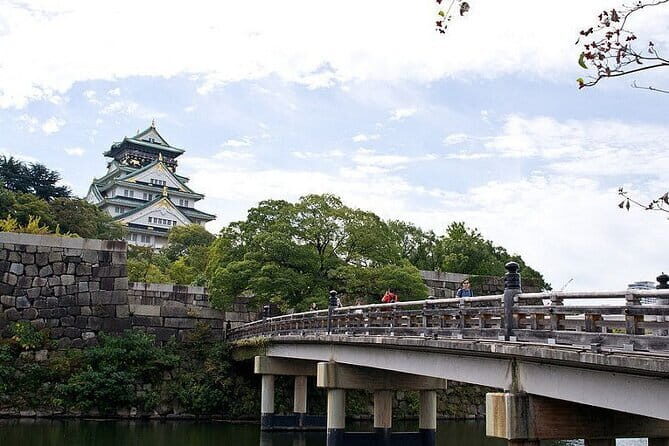
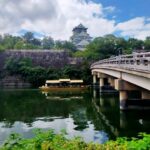
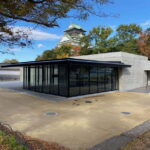
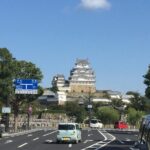
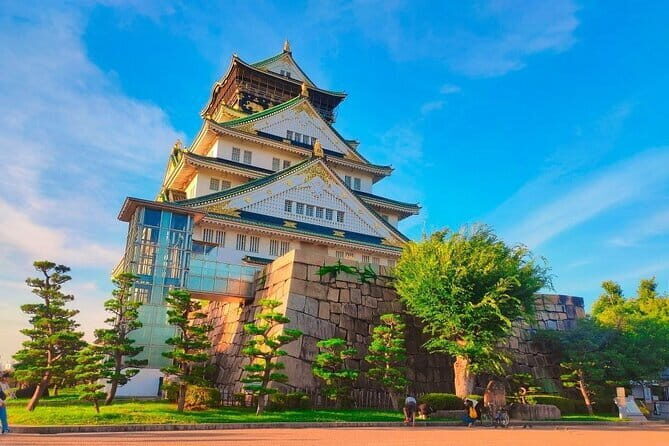
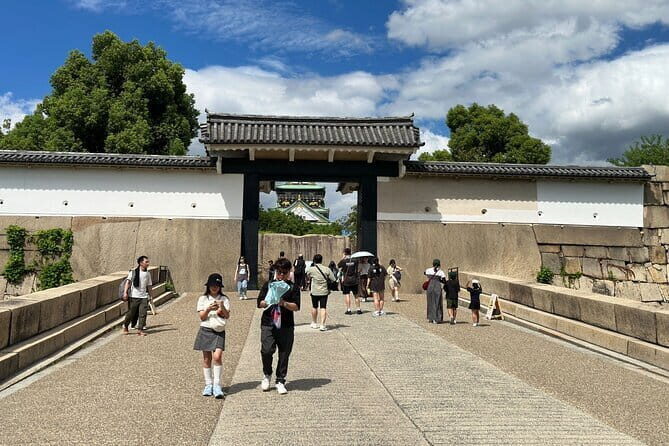
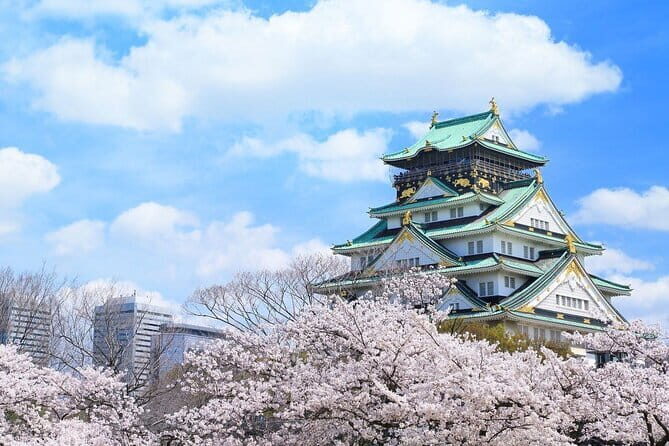
Osaka Castle is one of those sights that people build the day around, even if they’re not history nerds. It was originally built in the late 1500s by Toyotomi Hideyoshi as a symbol of Japan’s unification after a long period of civil war. The castle also played a central role in the Battle of Osaka (1614–1615).
The current structure is a modern reconstruction completed in 1931, after the original was destroyed multiple times. That detail matters: you’re visiting a rebuilt landmark, but it still captures the iconic presence that makes Osaka recognizable on postcards and skyline photos.
The tour gives you about 1 hour here, and the admission fee is listed as $5 USD paid on arrival. If you’re trying to keep spending down, you can skip it—especially if you mainly want views and photos later from Umeda Sky.
If you do go, go with a simple plan: treat the castle as your Osaka icon stop. Walk the grounds, take photos, and keep your time tight so you don’t steal minutes from Nara, where you may want more unhurried time.
Shitennoji Temple: the calm stop that anchors the day
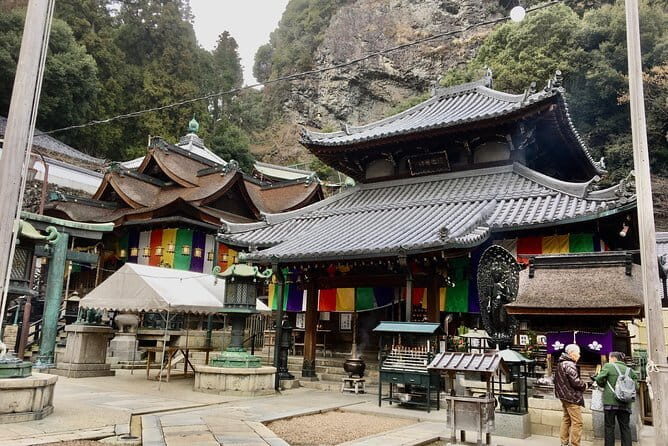
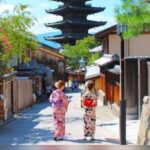
Shitennoji is the kind of place that steadies your pace. It’s one of Osaka’s oldest Buddhist temples, originally built in 593 AD by Prince Shōtoku, during the early spread of Buddhism in Japan. The temple is described as Japan’s first officially established Buddhist temple, connected to the Four Heavenly Kings (Shitenno), who were believed to guard the world from evil.
You get about 1 hour, and admission is free. The architecture detail is worth noticing: there’s a five-story pagoda designed symmetrically, reflecting early temple layout traditions.
This stop is also a helpful contrast to Dotonbori later. If your day is heavy on photos and crowds, Shitennoji gives you a quieter mental reset. And because it’s free, it’s a low-risk, high-reward choice when you’re trying to keep the day balanced.
Practical tip: spend your first few minutes figuring out where you want to stand for photos. After that, slow down and just walk the grounds. This is one of those sites where you don’t need to rush to feel the atmosphere.
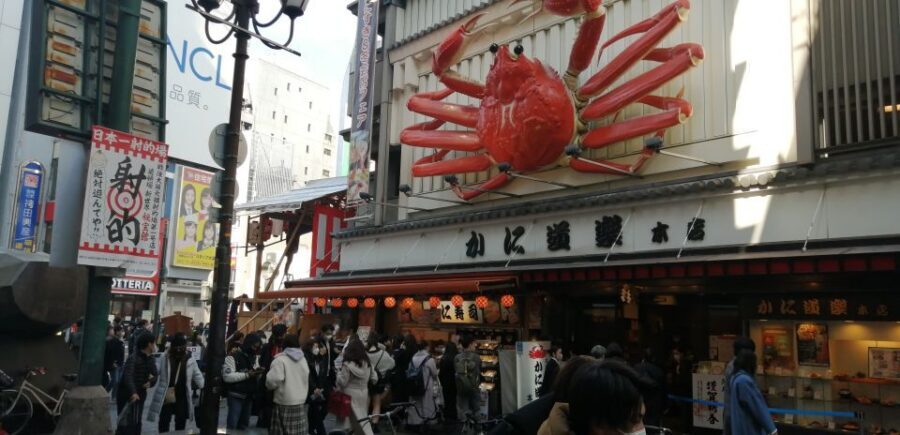
Dotonbori Street: where Osaka turns loud and hungry (2 hours)
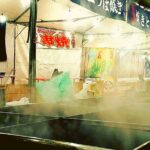
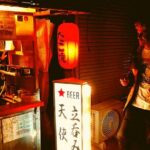
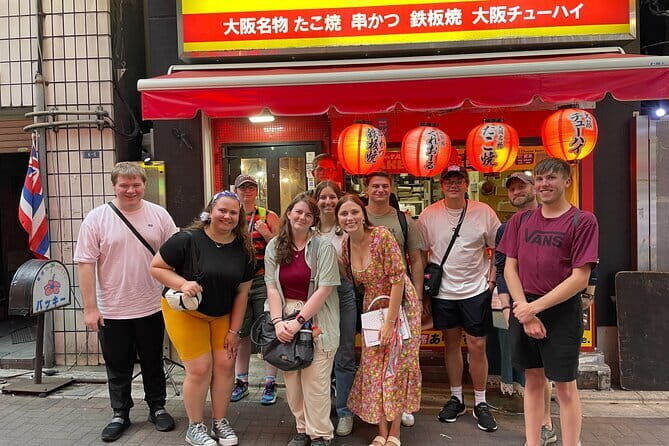
Dotonbori is the street you come to for neon and food. It runs along the canal and is known for giant illuminated billboards, including the famous Glico Running Man sign that dates back to the 1930s.
You’ll have about 2 hours here, with free admission. That longer block is smart because food takes time. And it’s also the moment of the day where you’ll likely get the most “I’m actually in Japan” feeling—because Osaka is a city of energy, not just temples and photos.
What to look for: takoyaki (octopus balls), savory pancakes, kushikatsu (deep-fried skewers), and ramen. You don’t need to eat everything, but it’s great to try one or two items and keep walking. If you want variety, treat it like tasting, not a full meal.
If you’re traveling with kids or anyone picky, Dotonbori is also easier than you’d think. The street has plenty of familiar formats (noodles, skewers, snack plates). Bring your appetite and a little patience for crowds—this is popular.
You can also read our reviews of more tours and experiences in Osaka

Umeda Sky Building (optional): 173 meters of city views
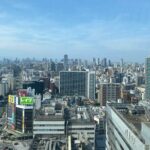
Umeda Sky Building is the modern counterweight to the temples. It’s a striking structure: two 40-story towers connected at the top by a floating garden observatory, completed in 1993. It reaches 173 meters and is set up for wide panoramic views—360 degrees from the observatory.
The ride time here is listed as 1 hour, and the admission fee is $10 USD paid on arrival. Since it’s optional, decide based on weather and energy. If skies are clear, this is a great place to get your Osaka “big picture.” If it’s overcast, you might still get good views, but the skyline drama could be reduced.
This stop is particularly worth it if you like photos or if you want a visual sense of scale—Osaka feels huge when you see the city spread out around you. The glass-covered escalators connecting the towers also add a fun “floating” sensation as you go up.
My practical suggestion: time your Umeda Sky visit around your photo goals. If you care about daytime clarity, pick that. If you want night lights, that may be more memorable, but the tour schedule doesn’t specify timing beyond stop order, so plan to follow your guide’s call on the day.
Todai-ji and Nara Park: giant Buddha plus deer time
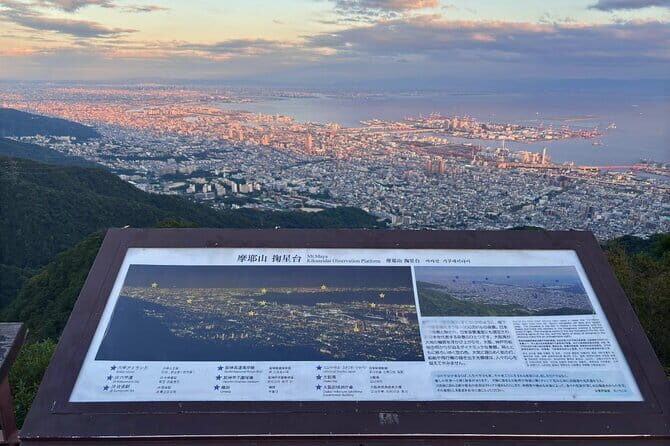
This is the emotional highlight of the day for a lot of people: Todai-ji for the Buddha and Nara Park for the deer.
Todai-ji Temple (optional): the Great Buddha Hall
Todai-ji is famous for the deers nearby and for its enormous Buddha. The Great Buddha Hall (Daibutsuden) houses the Daibutsu, a massive bronze Vairocana Buddha statue about 15 meters tall and weighing around 500 tons. The bronze statue was cast in 752 AD and is framed as a major icon of peace and prosperity.
Todai-ji was originally constructed in the 8th century, and the tour gives you about 2 hours here. Admission is not included, and the fee is listed as $2 USD paid on arrival.
Even if you’ve seen Buddha statues in other countries, the size and scale at Todai-ji is hard to match. This is one of Japan’s most famous religious monuments, and that “wow” comes from scale, materials, and the sense of place.
If you’re debating whether to pay for this stop: compare your day preferences. If you love major monuments and want a top-tier cultural moment, go. If you’re more interested in street life and casual sightseeing, you could skip it and spend more time in Nara Park instead.
Nara Park (included): the deer and the strolling pace
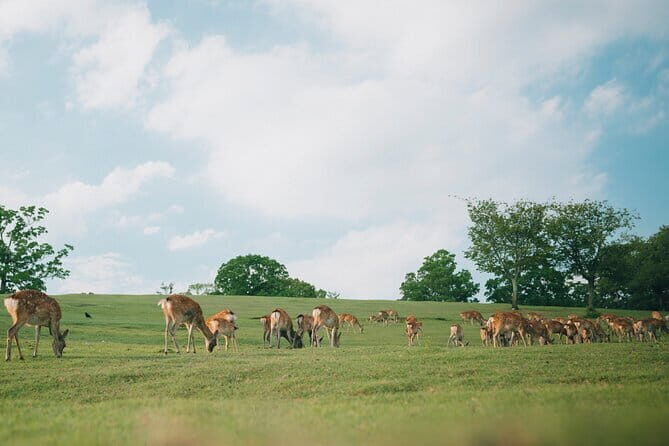
Nara Park is where your day relaxes. It’s about 500 hectares and is home to over 1,000 free-roaming deer. The deer are described as tame and accustomed to human interaction, and you can buy shika senbei (deer crackers) to feed them.
The tour slot is 1 hour, and admission is free. You’ll also be close to major historic sites around the park area, including Tōdai-ji, Kōfuku-ji, and Kasuga Taisha (not as separate timed stops in this itinerary, but they’re part of the wider Nara area you’ll be near).
The deer often bow when they approach for crackers, which makes this a fun stop even for non-museum people. Just use common sense: keep the crackers in hand, and don’t get too aggressive with photos up close.
Price and value: $550 per group plus optional admissions
The price is $550 USD per group (up to 5). That’s not cheap for one person, but it can become fair value when you split it.
- For a full group of 5, you’re effectively paying about $110 per person for a full-day private itinerary.
- For 2 people, it’s closer to $275 per person, which is where the value depends on whether you want convenience over savings.
Here’s what you’re getting for that money: private AC vehicle, tolls/taxes, child seats, pickup and return to the meeting point, and a hotspot on board. Plus, you have set time blocks that add up neatly to the 10-hour day.
Then there are the admissions:
- Osaka Castle: $5 USD (optional)
- Umeda Sky Building: $10 USD (optional)
- Todai-ji: $2 USD (optional)
Free stops: Shitennoji, Dotonbori, Nara Park.
So your total add-on cost depends on your choices. In other words, this tour isn’t forcing you to pay for everything. If you’re budget-conscious, you can pick only one “paid monument” stop and still get a strong day out of the free temple and street-food sections.
One more value note from the reviews: multiple 5/5 comments focused on drivers/guide performance—good pacing, helpful suggestions, and getting you to stops smoothly. That human element is part of what you’re paying for.
The “tour” style you should expect: great when the guide clicks
The overall review rating is 4.4 out of 5 across 11 reviews, and the best feedback clusters around the day feeling well-run and the guide being helpful.
Some of the praised names include Talha, Ben, and Malik. The comments highlight that the driver/guide was accommodating and helped with route decisions and recommendations, especially for reaching Nara Park, temples, and the Osaka Castle area and then winding up at Osaka Station.
That said, one lower rating included a complaint that it felt more like transport with scheduled stops, with limited guidance once you arrived. Another review mentioned a same-day cancellation due to a driver problem.
So here’s the balanced way to think about it: plan for a private ride and structured timing first. If you want heavy explanation at each site, you should ask ahead about how much commentary you’ll get and how the guide will handle flexible requests during the day.
If you’re the type who enjoys walking around and learning from signage plus your own curiosity, you’ll probably be fine. If you want a true “storyteller guide” at every stop, clarify before you lock it in.
Who this Osaka and Nara private tour is best for
This works well for:
- Families who want child seats and a single-day plan with minimal transit stress.
- Small groups (up to 5) who want the convenience of private transport.
- First-time visitors who want a balanced day: one major castle icon, one major Buddhist temple/monument area, plus a lively street-food neighborhood.
- People who like choosing optional paid highlights based on time and weather.
It may be less ideal if:
- You’re traveling solo and want the lowest possible cost.
- You expect a fully guided, lecture-style experience at every site, every minute.
- Your day is extremely time-sensitive and you can’t handle the risk of schedule disruption on rare operational days.
Should you book this Osaka and Nara private tour?
I’d book it if you want a clean, realistic day that covers Osaka’s most recognizable experiences and Nara’s top sights without headaches. The free stops (Shitennoji, Dotonbori, Nara Park) make it easy to balance your budget, and the optional paid sights let you shape the day.
I’d pass or at least confirm details if you need guaranteed, in-depth guiding at each monument, or if you’re only traveling with one other person and you’re cost-sensitive. In that case, the private format can feel pricey per person.
If you do book, do this before you go: decide what matters most—castle icon, skyline views, or the Great Buddha—and plan to pay only for the optional stops that match your priorities. You’ll get the day you want, not the one someone else assumed you wanted.
FAQ
How many people can join the private tour?
The tour is priced per group and is listed as up to 5 people.
How long is the Osaka and Nara tour?
It’s about 10 hours (approx.).
Is pickup included, and where does the tour start?
Pickup is offered, and the meeting point is Osaka Station 3-chōme-1-1 Umeda, Kita Ward, Osaka, 530-0001, Japan.
Does the tour include a guide?
The experience is private transportation with a hotspot on board, and it’s described as a private tour/activity. Your guide or driver approach may vary by day.
Are admission tickets included?
Not all admission is included. Osaka Castle, Umeda Sky Building, and Todai-ji are listed as optional paid admissions you pay on arrival.
Which stops are free?
Shitennoji, Dotonbori, and Nara Park are listed as free admission in the itinerary.
What’s included in the price?
Included items are an air-conditioned vehicle, private transportation, child seats, toll & taxes, and a hotspot on the board.
What is the cancellation policy?
You can cancel up to 24 hours in advance for a full refund, and changes within 24 hours aren’t accepted.