REVIEW · OSAKA
Osaka:SUMO BEATS SHOWCASE: Taiko Drum and Wagyu burger!
Book on GetYourGuide →Operated by 株式会社TryHard Japan · Bookable on GetYourGuide
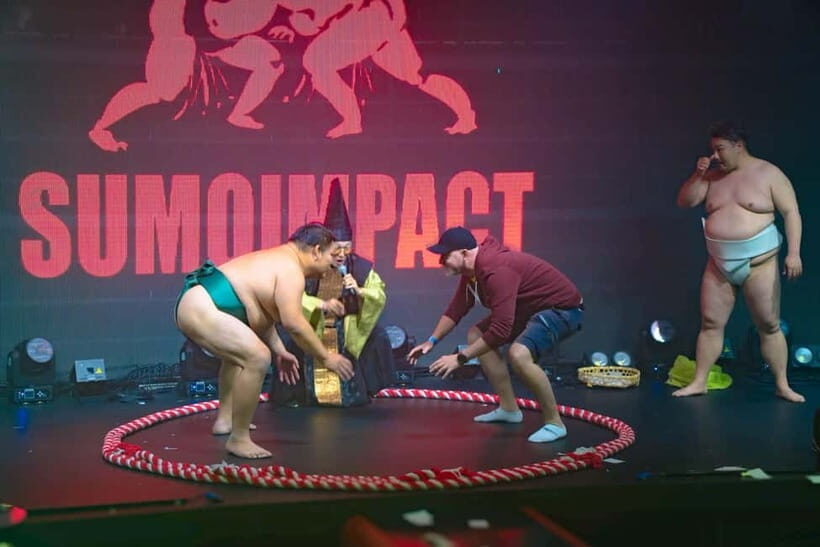
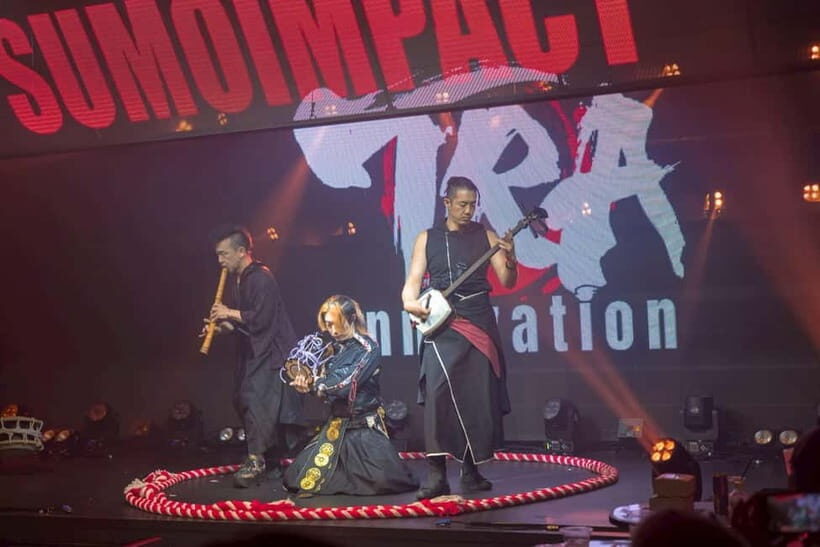
Silence breaks, then the drums hit hard. At PICCADILLY PREMIUM in Umeda, Osaka, this SUMO BEATS Showcase mixes a serious sumo match feel with live taiko drums and other traditional instruments like flute and shamisen.
What I like most is the way the show doesn’t treat sumo like wallpaper. You get interactive pieces where you can try your hand, and the included SUMO Wagyu Burger turns the night into a full experience, not just a seat-and-watch ticket. One consideration: if you expect an old-school, museum-quiet sumo vibe, this is staged like a nightclub event, so the tone may not land the same for everyone.
In This Review
- Key takeaways before you go
- Umeda’s PICCADILLY PREMIUM: where sumo meets a nightclub
- The night’s rhythm: when to arrive and how to avoid stress
- From silence to impact: the opening that sets the tone
- Sumo + live instruments: how the segments connect
- The participatory sumo challenge: where the fun gets physical
- Ending with wrestler interaction: the human side of the spectacle
- Sumo Wagyu Burger and drinks: good value, watch the temperature
- What’s authentic here, and what’s intentionally not
- Getting there: finding the place without losing your evening
- Who should book this SUMO BEATS Showcase night?
- Price and value: is $67 a fair deal?
- Should you book it?
- FAQ
- Where is the SUMO BEATS Showcase held?
- What is included in the $67 per person price?
- Is there a vegan option?
- What traditional instruments are part of the performance?
- Is the venue non-smoking?
- When does reception start?
- When should I be seated?
- Is there anything interactive or participatory?
- Do you interact with sumo wrestlers?
- Can I reserve and pay later?
- Is there a cancellation refund?
Key takeaways before you go
- Real-match energy: You’re meant to watch sumo as an actual contest, right in front of you.
- Taiko + traditional instruments: The performance blends taiko drums with flute and shamisen.
- You can participate: There’s a participatory sumo challenge, not only a demonstration.
- Meet-the-wrestlers moment: The ending includes interaction with sumo wrestlers.
- Food is part of the ticket: Admission includes a SUMO Wagyu Burger plus one drink, with a vegan soy-meat option.
Umeda’s PICCADILLY PREMIUM: where sumo meets a nightclub
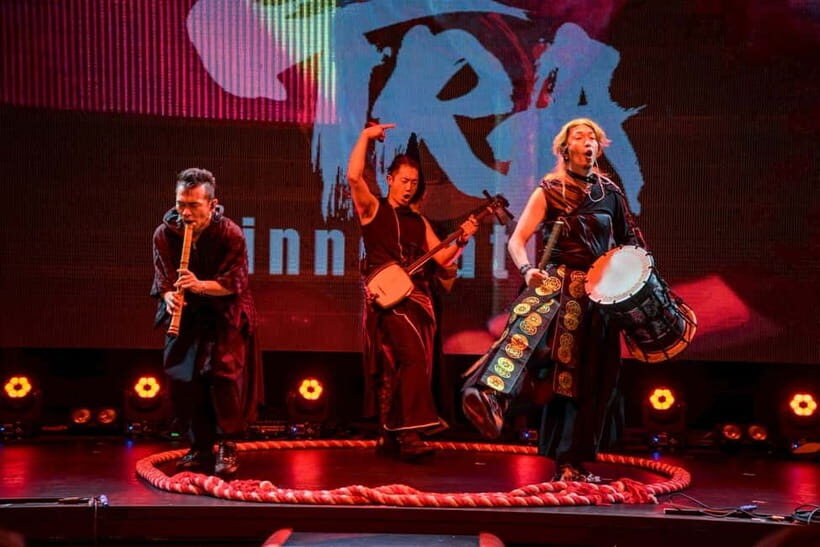
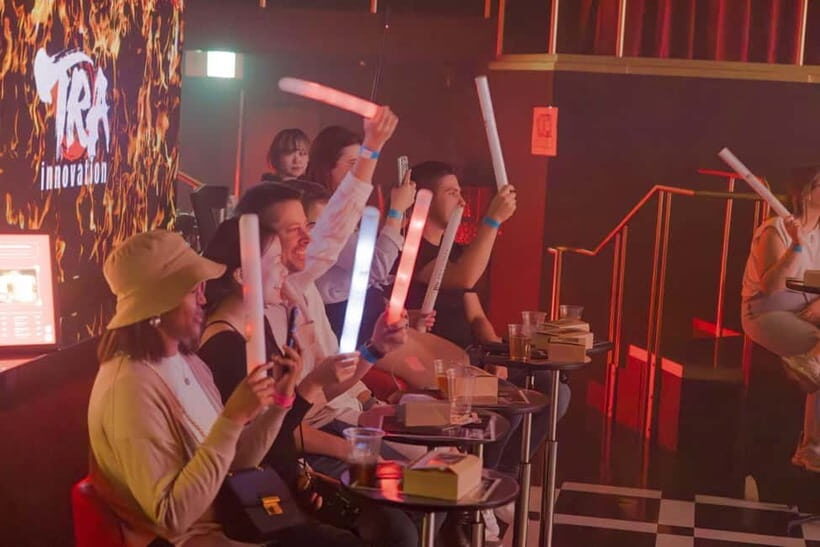
This event is held at PICCADILLY PREMIUM in Umeda, Osaka, and that location matters. You’re not stepping into a quiet cultural hall. You’re heading into a nightlife venue with show lighting, a live host, and music that’s designed to get the room engaged.
That’s exactly why it feels different from a standard sightseeing stop. Instead of treating Japanese tradition as something you observe from a distance, the format pushes you to react—clap, watch closely, and then join in during the participatory moments. If you’re the type who loves performances where you don’t just sit there, you’ll probably have more fun here than at a passive show.
The other big reason the venue works is sound. The event is built around traditional instruments, especially taiko drums, and those low, physical beats translate well in a club setting. Even if you’re not a sumo expert, you’ll feel the pacing and impact as the show ramps up.
You can also read our reviews of more tours and experiences in Osaka.


The night’s rhythm: when to arrive and how to avoid stress

Reception starts 45 minutes before the performance. That gives you time to get oriented, grab your included drink, and settle in before the main action begins. Do yourself a favor and plan to arrive with buffer; it can be crowded, and you may need extra time before you’re seated.
You should aim to be seated 15 minutes before the show starts. I like that rule because it removes guesswork—if you show up late, you risk losing the best moments right at the beginning. And this is a show where the opening matters: it starts in silence, then the performance detonates into sound and movement.
Also, the venue is non-smoking, and there’s a smoking booth at a separate location. That’s good to know ahead of time so you don’t feel stuck waiting around if you’re a smoker. If you want to keep things simple, just plan for non-smoking and skip any mid-show exits.
Finally, the “pay later” style booking is available, which makes it easier to fit into a flexible Osaka itinerary. If you’re building your days around weather or other reservations, this helps you keep options open.
From silence to impact: the opening that sets the tone
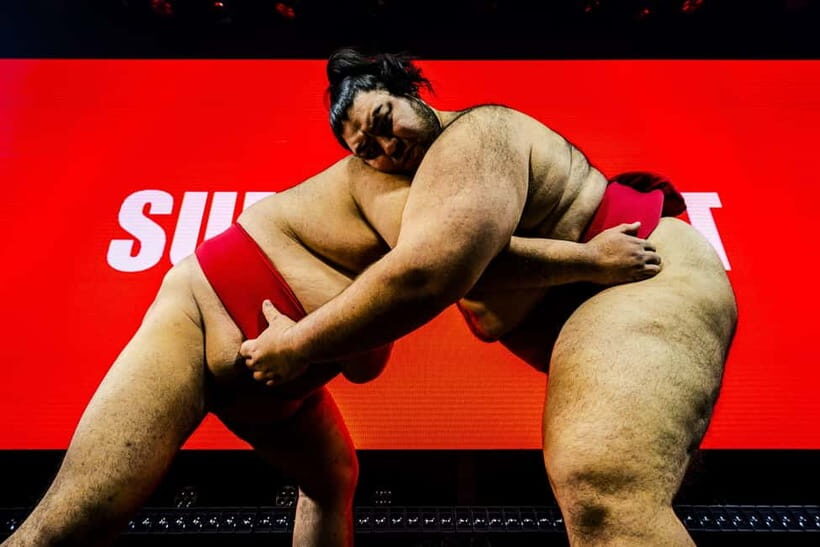
The show’s first beat is intentional: it begins in silence, then turns into an explosion of energy. That matters because it trains you to pay attention immediately. You’re not easing in with background music; you’re being pulled into the pace of the performance from the first moments.
After that jolt, the event shifts into the concept behind SUMO BEATS: the learning of sumo paired with the resonance of traditional Japanese instruments. Expect segments that connect movement, rhythm, and the idea of fighting spirit—not just random music between sumo moments.
One thing I find smart here is that the pacing matches what people tend to remember. You remember the first big sound. You remember the moment the crowd starts paying closer attention. Then you’re more ready for the participatory parts later.
If you’re going with family, it’s also a show that can keep different ages engaged: the drums and instruments carry energy even for folks who don’t know sumo. Then the visuals and wrestling intensity bring in the “real contest” crowd.
Sumo + live instruments: how the segments connect
This showcase is built around a collaboration of sumo with traditional instruments—taiko, flute, and shamisen. The point isn’t just to add music to a wrestling performance. The point is to connect the rhythm of sound with the tone of combat: tension, buildup, and release.
You’ll likely notice how the show is organized into clear moments. The format describes a learning-style section, then a “clash of traditions” theme where the fighting spirit takes center stage. That structure matters because it turns complicated culture into something you can follow in real time.
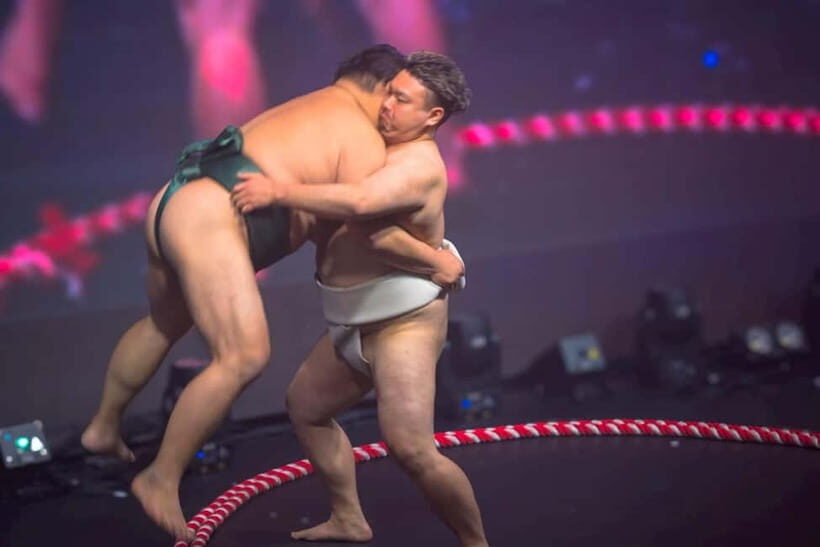
You’re also told you’ll be watching something more serious than a typical “just a show” performance. Instead of sumo being treated like a backdrop, you’re meant to see wrestlers in a genuine contest-style atmosphere, up close enough that it feels substantial.
For first-timers, that approach is valuable. You don’t need background knowledge to understand that this is intense and physical. You just need to watch the match moments carefully and listen when the host explains what you’re seeing.
The participatory sumo challenge: where the fun gets physical
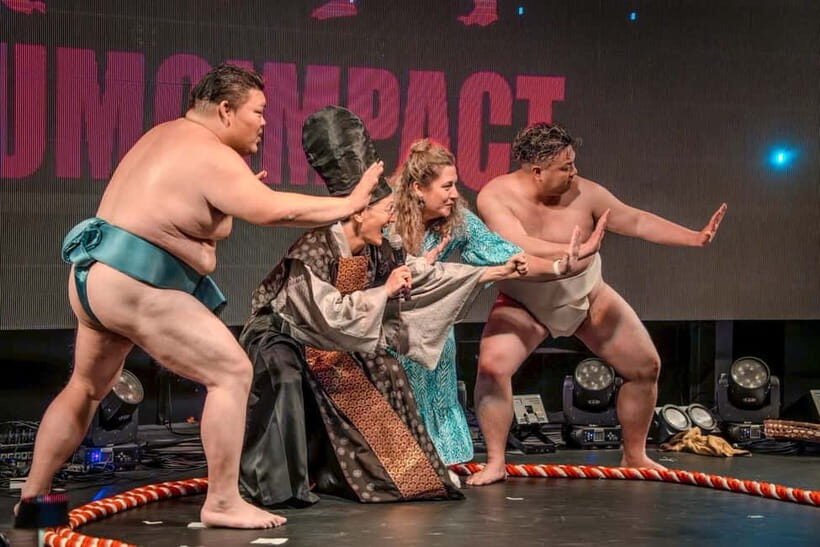
The best part for many people is the participatory sumo challenge. This isn’t only about watching strength; it’s about giving you a small chance to try, even if you’re not a wrestler. When a show hands you a moment to participate, it instantly becomes memorable.
In the available feedback, this is often called the favorite segment. That makes sense. It’s the moment you stop being an audience member and become part of the rhythm of the night—like you’re stepping into the theme for real, for a minute.
If you’re going with friends and want a story to laugh about later, this is where it happens. If you’re going with kids or teens, this is also where you can turn culture into something interactive instead of passive.
Just be prepared that the event is a performance space inside a nightlife venue. You’ll likely be following directions from staff and the host, and you should keep your energy ready for a quick participation window.


Ending with wrestler interaction: the human side of the spectacle
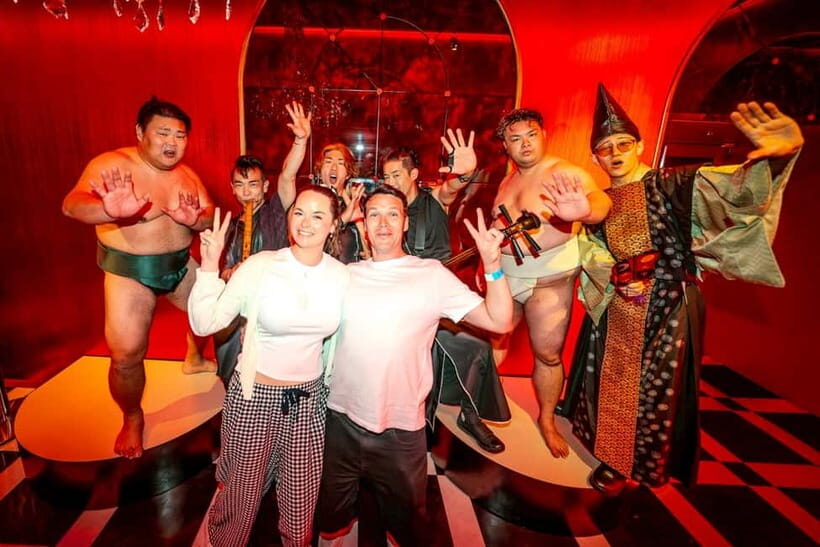
The show ends with interaction with sumo wrestlers. That final moment matters because it flips the feeling from “big dramatic match” back to “people.” You’re not only seeing traditional sport energy—you’re getting a chance to meet the performers as individuals.
This is also a smart way to close the loop. Earlier, you watch sumo and experience the traditional instrument music. Later, you get a more personal connection at the finish. It’s how you turn a one-hour or one-evening show into a full memory.
The best part about endings like this is that they work for different travel styles. If you came for cultural learning, you still leave with that connection. If you came because you wanted something fun and different, you leave with the payoff that the night wasn’t only staged entertainment.
Sumo Wagyu Burger and drinks: good value, watch the temperature
The ticket price is $67 per person, and your admission includes a SUMO Wagyu Burger plus one drink. When a package includes food and drink, the real question becomes value: does the meal feel like it’s part of the experience rather than an afterthought?
Based on what you’re told to expect, the burger is part of the theme—called Sumo Wagyu Burger for a reason. And there’s a vegan option too, made with soy meat instead of Wagyu, so you don’t have to sit out the main food moment.
One practical note: the burger has been served cold for at least some people. That’s not something you can fix once you’re seated, but it’s worth setting expectations. If warm food is your priority, consider eating a light snack earlier and treating the burger as part of the show.
That said, people also describe the burger as good, and the drinks as enjoyable. So the overall experience usually lands well—the meal is simply not guaranteed to be hot the moment it reaches you.
What’s authentic here, and what’s intentionally not
Let’s be honest: this is sumo culture presented inside a nightclub-style performance. That means the choreography, the host style, and the overall show tone are designed for entertainment energy, not strict traditional pageantry.
Most of the feedback leans positive: the host and DJ, plus the live band, help keep things moving and funny, and the event often feels informative rather than confusing. The mixture of musical performance, sumo demonstration, and audience participation also tends to work well for families.
Still, one criticism pops up about an awkward moment and a lack of authenticity. That’s a reminder that interpretation can vary. If you want sumo presented with a very formal tone, this might feel too hybrid—traditional elements layered into a modern stage.
My balanced take: treat it as an introduction and an experience, not a substitute for a traditional sumo setting. You’ll probably enjoy it most if your goal is to see how Japanese culture can be reworked into a modern show while keeping sumo as the centerpiece.
Getting there: finding the place without losing your evening
A recurring practical issue is that the venue can be tricky to find at first. One common pattern in the feedback is that people were worried at the beginning, then got quick help through chat once they realized what to do next.
So here’s my advice: confirm your exact entrance and plan to arrive early enough that “finding it” doesn’t eat into your show time. With reception happening 45 minutes before, you have a window to figure things out without rushing.
Also, because it’s a nightclub location, it may feel different from other cultural spots you’ve seen in Osaka. If you keep your expectations aligned—show-first, entertainment-first—it won’t feel like a mismatch.
Who should book this SUMO BEATS Showcase night?
This works best if you want a mix of culture and fun in one ticket. You’ll probably enjoy it if:
- You like live music performances, especially taiko energy.
- You want sumo presented up close as a real contest feel, not only a remote spectator show.
- You’re excited by interactive moments where you can actually join in.
- You’re visiting Osaka with friends or family and want an evening that doesn’t require deep planning.
It may not be your best fit if you:
- Want a quiet, formal traditional-only experience.
- Are extremely sensitive to show pacing or stage moments that feel modern or playful.
- Can’t handle colder meal temperature expectations, since the burger has been served cold for some.
The nice part is that even first-timers usually have enough context from the host, plus the visuals of wrestling and the loud, clear structure of instrument-driven segments.
Price and value: is $67 a fair deal?
At $67 per person, the value comes from what’s included: admission, a SUMO Wagyu Burger, and one drink. For Osaka, that’s a reasonable bundle price when you consider you’re paying for a live, multi-part performance with live traditional instruments and interactive segments.
If you were to buy a drink and a meal plus pay for a similar-scale show separately, the total often creeps up. Here, the meal and drink are built into the same entry price, which makes it easier to budget for an evening out.
The interaction piece also supports the value. Watching is fun, but participating tends to be what turns a “good show” into a “memorable story.” And ending with wrestler interaction gives you a final payoff that feels more than just entertainment.
Should you book it?
Yes, I’d book it if you want an evening that blends sumo with live traditional music and still lets you get involved. Plan to arrive with breathing room for check-in, and aim to be seated 15 minutes before the start so you don’t miss the opening silence-to-impact moment.
Go in expecting a nightclub-style performance tone, not strict museum formality. If that sounds like your kind of cultural experience, this one has enough energy—plus the included burger and drink—to make the $67 feel like a fair swap for a fun Osaka night.
FAQ
Where is the SUMO BEATS Showcase held?
It takes place at PICCADILLY PREMIUM in Umeda, Osaka.
What is included in the $67 per person price?
Admission plus a SUMO Wagyu Burger, and one drink.
Is there a vegan option?
Yes. For vegans, there is a burger made with soy meat instead of Wagyu.
What traditional instruments are part of the performance?
The show includes taiko drums along with flute and shamisen.
Is the venue non-smoking?
Yes. The venue is non-smoking, and there is a smoking booth available at a separate location.
When does reception start?
Reception starts 45 minutes before the performance.
When should I be seated?
You should be seated 15 minutes before the show starts.
Is there anything interactive or participatory?
Yes. There is a participatory sumo challenge where you can join in.
Do you interact with sumo wrestlers?
Yes. The ending includes interaction with sumo wrestlers.
Can I reserve and pay later?
Yes. The experience offers Reserve & Pay Later.
Is there a cancellation refund?
You can cancel up to 24 hours in advance for a full refund.