REVIEW · OSAKA
Osaka:Bamboo Healing Massage at the Temple <90-min>
Book on Viator →Operated by Japanese Massage 唯一無二-the one & only- · Bookable on Viator
Relaxation gets real in a working temple setting. This Osaka experience pairs a temple massage with bamboo fascia release, plus a yukata photo and a tea ceremony so you get calm and culture, not just a treatment.
I especially like the pacing: you start with a warm foot bath, then move into a full-body oil massage with fascia work, and end with a proper tea moment. One thing to plan for: the meeting spot can be a little tricky to find, so give yourself buffer time and double-check the exact pin.
In This Review
- Key Highlights I Think You’ll Care About
- A Temple Setting in Osaka That Keeps Things Grounded
- Meeting Point and Timing: Give Yourself a Little Extra Time
- Warm Welcome, Kimono Staff, and the Yukata Photo Moment
- Foot Bath First: The Best Way to Quiet Your Body Fast
- Oil Massage With Your Essential Oil Choice
- Bamboo Fascia Release: What It’s Doing and Why People Like It
- Meditation in the Shrine (A Short Ritual Moment)
- Tea Ceremony With Wagashi: The Calm Finish That Matters
- Why the Price Can Make Sense for a 90-Min Mind-Body Session
- Who This Is Best For (and Who Should Think Twice)
- Practical Notes That Will Help You Enjoy It
- Should You Book This Osaka Temple Massage?
- FAQ
- FAQ
- How long is the experience?
- Where does the experience start?
- Does it end at the same place?
- Is this experience private?
- What happens first during the session?
- Do I get to wear a yukata?
- Is a photo included?
- What type of massage is included?
- Is there a tea ceremony?
- Can I bring a service animal?
- Is free cancellation available?
Key Highlights I Think You’ll Care About
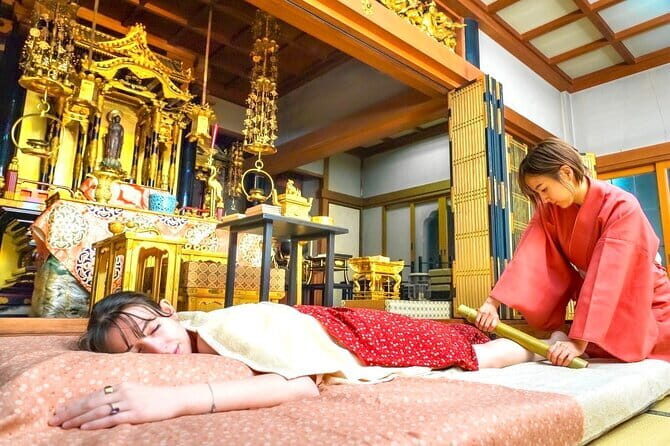
- Temple setting for the whole experience: you’ll get guidance on how worship works, not just spa steps
- Yukata + complimentary photo: a quick memory you can take home without hassle
- Bamboo stick fascia release: the technique is the star for easing deep tension
- Essential oil is part of it: you’ll use your preferred oil for the body massage
- Tea ceremony with wagashi: the finish feels ceremonial, not rushed
A Temple Setting in Osaka That Keeps Things Grounded
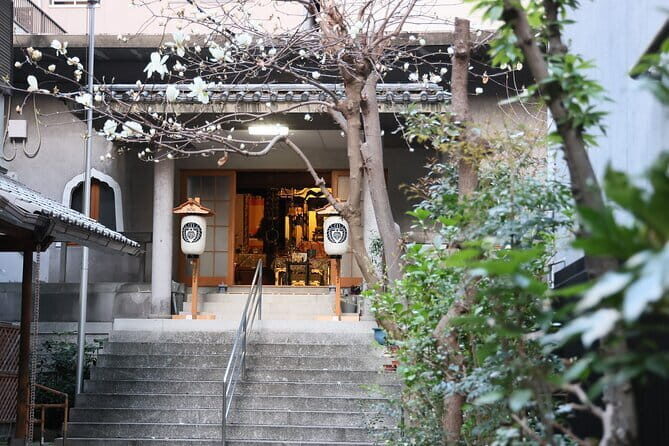
This is the kind of relaxation you can feel in your shoulders. Instead of a hotel spa vibe, you’re in a traditional temple atmosphere where the staff wear kimonos and the flow of the visit follows Japanese ritual. Even before the massage begins, the mood is already calmer, which matters if you’re the type who gets tense the second you sit still.
You’re also not just there to lie down. You’ll get explanations about the temple’s history and origins, plus basic guidance on worship using guidebooks. That “small context” piece is one of the reasons this feels more meaningful than a standard appointment.
You can also read our reviews of more tours and experiences in Osaka.


Meeting Point and Timing: Give Yourself a Little Extra Time
The experience starts and ends back at the meeting point: Tossa de coracao, 1-chōme-6-19 Kitahorie, Nishi Ward, Osaka, 550-0014. It’s near public transportation, and you’ll receive confirmation at booking time, but the exact location can be finicky in practice.
From my perspective (and this is practical advice), this is one of those activities where arriving 10–15 minutes early is worth it. Osaka street navigation can be quick, but a wrong turn costs time—especially if you’re carrying a phone signal problem or you’re navigating in low visibility.
Warm Welcome, Kimono Staff, and the Yukata Photo Moment
When you arrive, the staff welcome you dressed in traditional kimonos. You’ll also have the chance to wear a yukata, which instantly changes the feel of the day. It’s not just a photo prop; it gives you that cultural “switch” where you stop thinking like a tourist and start participating in the moment.
A complimentary photo is included, tied to this yukata moment. What I like about this setup is that it’s handled for you. You don’t have to negotiate angles, wrangle camera settings, or hunt for a friend who can take a clean picture while you try to look relaxed.
If you’re traveling solo and you normally worry about feeling awkward in activities, the photo + guidance component helps. You’ll have a clear step-by-step experience rather than figuring things out alone.
Foot Bath First: The Best Way to Quiet Your Body Fast
Before any hands-on work, you start with a soothing foot bath. This is more than a nice add-on. It’s a signal to your body that you’re switching from walking and navigating to resting and receiving care.
Why this matters: foot warmth often reduces that restless feeling you get when you’re on your feet all day. It also helps you settle into the session—so when the massage begins, you’re already in a slower rhythm.
Oil Massage With Your Essential Oil Choice
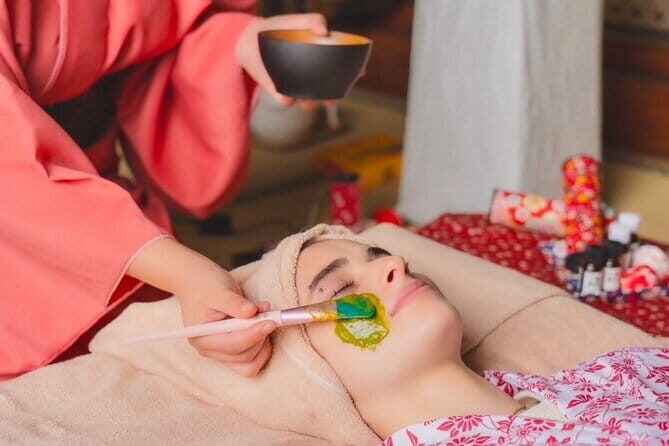
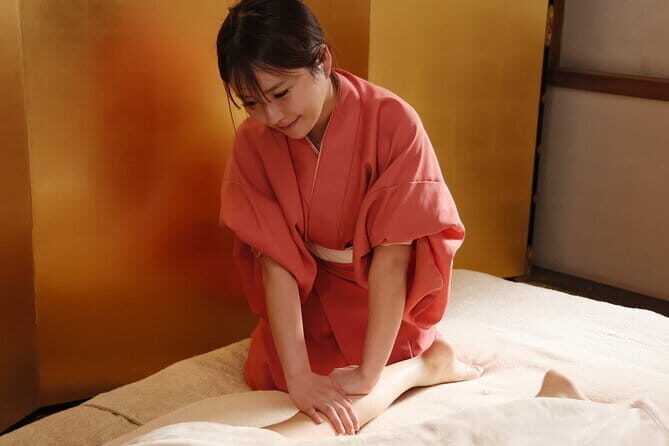
Next comes the full-body oil massage. You’ll use your favorite essential oil, which is a surprisingly important detail. Scent affects comfort and focus. If you tend to be sensitive to smells, you can lean into an oil that feels pleasant and calming to you.
The goal here is tension relief and rejuvenation through a Japan-style approach. And since it’s “full-body,” you’re not just treating one sore area—you’re getting a broader reset. That makes it a good match for people who carry daily stress in their shoulders, neck, lower back, or legs.
One practical note: since you’re using massage oil, you’ll likely want to come with a relaxed mindset and wear something comfortable beforehand. The activity is designed to be unhurried, and it runs in a private format (only your group participates).


Bamboo Fascia Release: What It’s Doing and Why People Like It
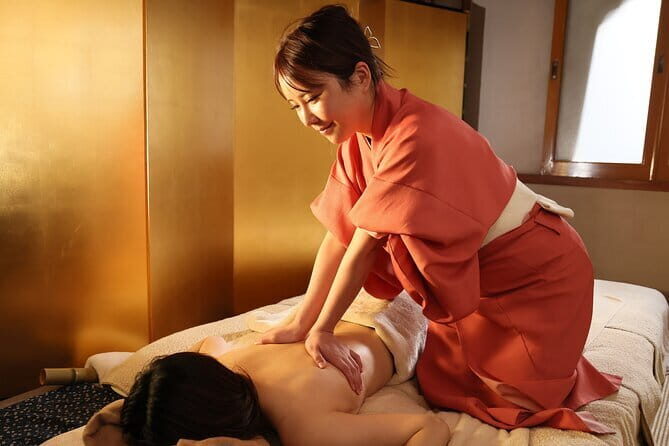
The signature technique is fascia release with a bamboo stick. If you’ve never experienced fascia work, here’s the simple way to think about it: fascia is the connective tissue network that can tighten around muscles. When it’s tense, you feel “stuck” even if you stretch.
The bamboo tool is used to help ease deep tightness. In practice, this tends to feel more focused than a basic knead. It’s also part of the reason people talk about this as an experience, not just a massage. You’re not only getting comfort—you’re getting a targeted method aimed at releasing stubborn tension.
A balanced expectation helps here. Bamboo fascia release isn’t the same as gentle relaxation only. It’s meant to work. If you prefer very light pressure, you may want to manage your expectations beforehand and communicate your comfort level clearly at the start.
Meditation in the Shrine (A Short Ritual Moment)
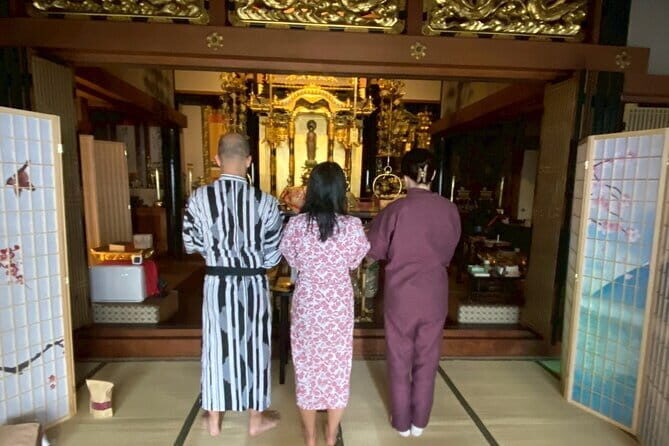
Along the way, there’s also a mini meditation in the shrine. This is one of those pieces that can be brief, but it changes the tone of the session. After hands-on body work, your mind can run ahead again—so having that small structured calm moment can help you stay present.
Even if meditation isn’t your thing, think of it as a guided pause. You’ll be in a quiet setting, supported by the ritual around you.
Tea Ceremony With Wagashi: The Calm Finish That Matters
The end of the experience is an authentic tea ceremony, including wagashi (traditional Japanese sweets). This is a strong closing choice because it keeps the relaxation going. You go from physical release to a sensory, slow moment—warm tea, sweet accompaniment, and a cultural rhythm.
Why I think this works for real life: it gives you a “landing.” After a massage, many people feel mentally back in motion immediately. Here, you’re guided into a calmer pace first—so the session doesn’t end when your hands-on time ends.
It also pairs nicely with the earlier yukata photo moment. The whole arc feels like one continuous experience: dressing → body care → ritual pause → tea.
Why the Price Can Make Sense for a 90-Min Mind-Body Session
The price is $130.31 per person, and the experience typically runs about 2 hours (approx.), described as a 90-minute course. That difference matters: the massage and tea are the big blocks, but you also have time for yukata, explanations, foot bath, and the shrine moment.
So what are you paying for?
- A temple setting with ritual guidance, not just a massage room
- Hands-on massage with fascia release using a bamboo stick
- Your own essential oil choice for the oil massage
- A included yukata moment with a complimentary photo
- A tea ceremony with wagashi
Compared with massage-only experiences, the cultural elements aren’t decorative here. They affect the flow, pacing, and atmosphere. If you love massages and you also want a real temple cultural touchpoint, this tends to feel like good value.
If you mainly want a quick, no-frills session, you might question the added steps. But if you want the body work plus the quiet cultural structure, the price starts to feel more reasonable.
Who This Is Best For (and Who Should Think Twice)
This works especially well if you want:
- A relaxing body-mind experience rather than a generic spa appointment
- Something comforting for solo travel where you get clear guidance and a private setup
- An interest in temple culture through short explanations and simple ritual moments
- A massage style that includes fascia release, not just general kneading
Think twice if you:
- Prefer only very light pressure and want to avoid fascia techniques that are meant to work on deeper tension
- Get stressed by finding locations and hate last-minute navigation—because the meeting point can be harder to spot than you’d expect, even though it’s near public transport
Practical Notes That Will Help You Enjoy It
Here are the small things that can make a big difference:
- Wear something you can change comfortably from. You’ll have a yukata moment.
- Decide beforehand what essential oil vibe you want. You’ll be using your favorite essential oil during the massage.
- Bring patience for the cultural rhythm. It’s not just a massage; it includes explanations, a shrine moment, and tea.
One extra note: you’re asked not to call Saishoji Temple directly for reservations or questions. If you need help, you should use the provided email route through the operator.
Should You Book This Osaka Temple Massage?
I’d book it if you want a real temple calm experience that goes beyond massage. The mix of bamboo fascia release, the yukata photo, and the tea ceremony with wagashi creates a full arc—body relief plus cultural ritual.
I’d hesitate only if you’re extremely location-averse or you prefer ultra-soft massage pressure. Otherwise, this is a strong choice for anyone who wants relaxation with structure, guidance, and a memory you can take home.
FAQ
FAQ
How long is the experience?
It’s listed as a 90-minute course, with an overall duration of about 2 hours.
Where does the experience start?
The meeting point is Tossa de coracao, 1-chōme-6-19 Kitahorie, Nishi Ward, Osaka, 550-0014, Japan.
Does it end at the same place?
Yes, the activity ends back at the meeting point.
Is this experience private?
Yes. It’s a private tour/activity, and only your group participates.
What happens first during the session?
You start with a soothing foot bath.
Do I get to wear a yukata?
Yes. You have the opportunity to wear a yukata.
Is a photo included?
Yes. There is a complimentary photo related to the yukata moment.
What type of massage is included?
You’ll receive a full-body oil massage using your favorite essential oil, along with fascia release using a bamboo stick.
Is there a tea ceremony?
Yes. The experience ends with an authentic tea ceremony, including wagashi.
Can I bring a service animal?
Yes. Service animals are allowed.
Is free cancellation available?
Yes. You can cancel up to 24 hours in advance for a full refund.