REVIEW · OSAKA
Ramen Craftsman Experience in Osaka
Book on Viator →Operated by Menya SHU · Bookable on Viator
Ramen goes from mystery to hands-on in Osaka. At Menya SHU, Shu runs a small, rented-out kitchen where you choose a ramen style and toppings, get clear step-by-step guidance, and then eat what you made—this small group setup is a big part of why it feels so personal. My other favorite part is the hands-on cooking, including boiling noodles on-site and assembling your bowl. The one drawback to plan around: the cooking uses a gas stove, so infants can’t participate.
You’re in for about 1 hour of focused fun. The format is a charter style class for up to 4 people at a time, so you’re not stuck watching from the sidelines. You’ll pick from four ramen options: chicken white soup, seafood chicken white soup with clam broth, Chinese soba (soy sauce ramen), or sea bream dashi salt ramen.
In This Review
- Key things to know before you book
- Menya SHU Kitchen Class: Why This Osaka Ramen Experience Feels Different
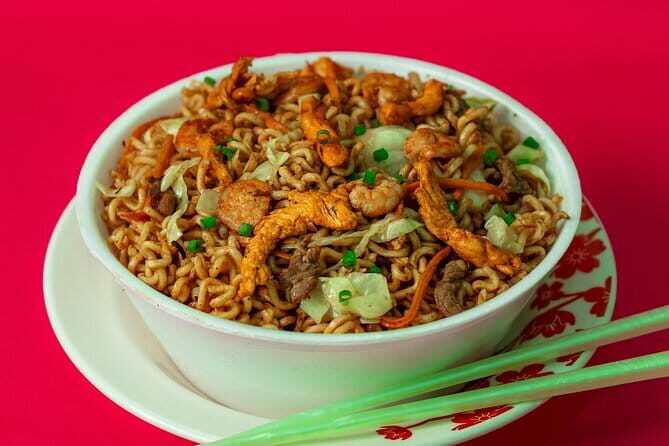
- Choosing Your Ramen Bowls: Broths, Noodles, and Toppings
- Inside the 1-Hour Workshop: From Ingredient Talk to Your Finished Lunch
- What You Learn About Ramen (Beyond the Recipe Card)
- Small Group Setup and Host Energy (Shu, Amanda, and Family-Run Warmth)
- Price and Value in Osaka: What $42.94 Really Buys
- Getting There and Timing: Meeting Point at Menya SHU
- Who Should Book This Ramen Craftsman Experience (and Who Might Not)
- Should You Book This Ramen Craftsman Class at Menya SHU?
- FAQ
- How long is the Ramen Craftsman Experience?
- How many people are in each class?
- What ramen styles can I choose from?
- What’s included in the price?
- Can kids participate?
- What if I’m late or need to cancel?
Key things to know before you book
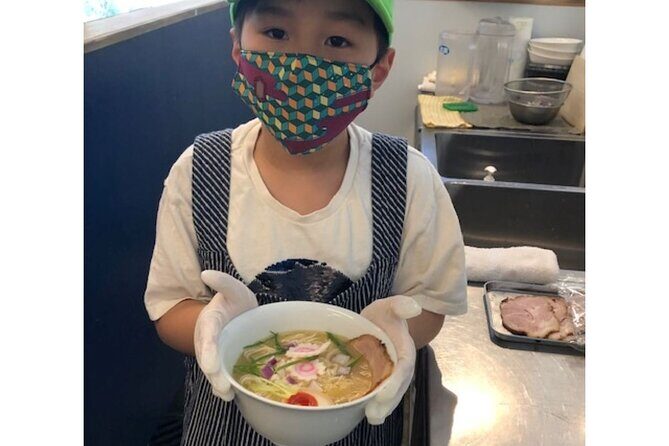
- Small group, charter-style kitchen time: up to four people at a time, which keeps the pace easy and the help close.
- You choose your ramen: pick your preferred flavor/broth style and select toppings.
- Hands-on steps, not just a demo: you’ll do noodle boiling and the bowl-building flow in the ramen shop kitchen.
- Ingredient explanations before cooking: you learn what goes into the ramen before heat hits the noodles.
- Lunch is included: your finished ramen is part of the experience, along with utensils, aprons, and gloves.
- No-stress approach to gear: you don’t bring knives, gear, or “cooking experience” confidence.
Menya SHU Kitchen Class: Why This Osaka Ramen Experience Feels Different
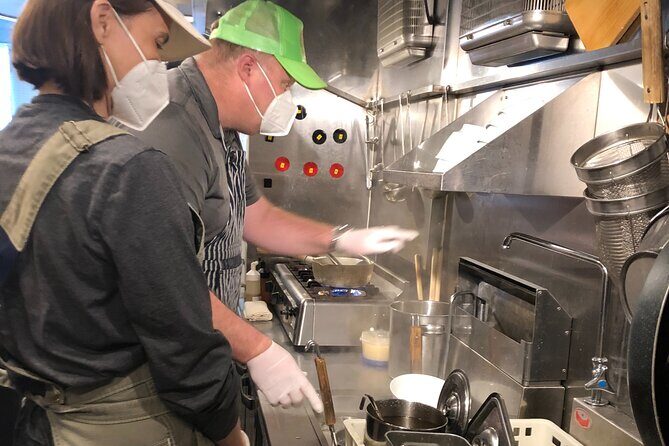
If you’re going to learn ramen, you want more than a quick meal and a couple of photos. This class is run out of a working ramen shop kitchen, with Shu at the center of the action (and his family helping make it welcoming). Instead of sitting at a table while someone else cooks, you’re in the workspace where an Osaka ramen order gets assembled.
The small group size matters more than it sounds. With only up to four participants, you get enough time to try the steps yourself without the instructor rushing to keep a big class moving. It also makes questions practical. When you’re unsure about something—timing, texture, or what an ingredient is doing in the bowl—you can ask and adjust right then.
One more thing I like: the “chef” part is real, but you’re not thrown into the most exhausting part. Shu prepares the ramen soup in advance because it takes several days to make, and the class focuses on the steps you can learn and do during your session. You still experience the ramen-making process end-to-end: ingredients intro, noodle boiling on a gas stove, soup work, presentation, and then eating.
You can also read our reviews of more tours and experiences in Osaka.



Choosing Your Ramen Bowls: Broths, Noodles, and Toppings
Your first decision is the ramen style. From there, you customize the toppings.
Here are the four ramen choices you can make:
- ① Chicken white soup ramen
- ② Seafood chicken white soup ramen (clam broth)
- ③ Chinese soba (soy sauce ramen)
- ④ Sea bream dashi salt ramen
What I think is smart about these options is how they cover different ramen directions. You’re not just picking a color of broth. You’re choosing the vibe: creamy chicken-based white soup, a seafood-forward clam broth variation, a soy-sauce Chinese soba style, or a lighter dashi-salt profile built around sea bream.
Then you add toppings. The class is explicit that you choose your preferred toppings, and everything is handled in a way that keeps the class manageable for a small group. If you’re picky about flavors, this is the point where you get control, rather than eating whatever the kitchen decides that day.
Inside the 1-Hour Workshop: From Ingredient Talk to Your Finished Lunch
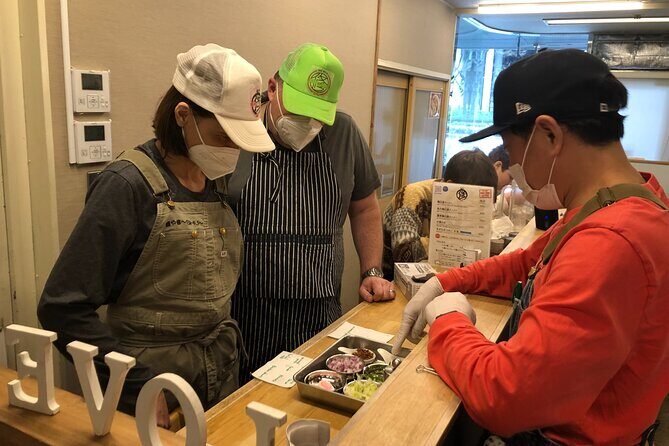
This is a 1-hour experience, and the flow is designed to keep it clear and hands-on. Even though the soup base is made ahead of time, you’ll still go through the core “ramen order” steps that make the dish feel alive.
Here’s the typical session rhythm:
1) Welcome and ramen basics
You start with explanations of the ramen ingredients and utensils. This is important because ramen ingredients can look simple until you understand what role each one plays. By the time noodles hit the water, you know what you’re aiming for.
2) Boiling the noodles
You’ll experience the actual boiling of the ramen using the shop’s gas stove. This is the part where timing matters most, and it’s also where you get that real cook-in-a-real-kitchen feeling. The class isn’t theoretical—you’re actively participating in a key step.
3) Preparing the soup and building the bowl
Shu prepares the soup base ahead (because it takes days), but you’ll handle the final steps in the class workflow. In other words, you get the payoff steps—mixing, finishing, presenting—without needing to recreate multi-day broth work.
4) Presentation and eating
Once assembled, you get to eat what you made. You’re not just tasting something you passively received; you’re tasting your decisions, your noodle experience, and how the final bowl comes together.
A small practical note: the activity is a charter, so the kitchen is rented out for the group session. That tends to keep the experience calm and focused. You’re cooking in the same place where the restaurant normally operates, which is a big part of the “no tourist filter” feeling people talk about.
What You Learn About Ramen (Beyond the Recipe Card)
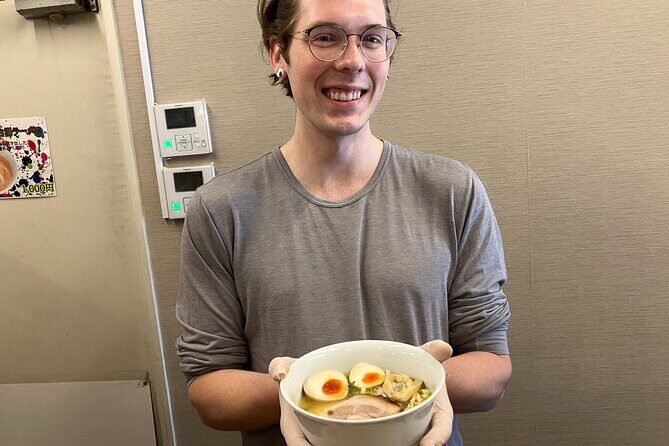
This class is best if you want understanding, not just instructions.
The ingredient briefing is built around teaching you what each component does before you start cooking. That sets up your entire session. You’re not guessing why one choice tastes different from another. Instead, you learn how the parts connect into a coherent bowl.
You’ll also learn through the process itself. Many of the most useful lessons in ramen come from feel and timing—when noodles are ready, how the soup is brought together for serving, and what “presentation” means in a real ramen shop kitchen.
And while the class may not be about making every element from scratch, it still gives you a useful lens: ramen is labor-heavy, and the “secret” often isn’t a single magical step. It’s consistency and finishing. Shu handles the multi-day soup base, and you practice the steps guests can actually take home as knowledge.
One extra bonus from what people shared in past experiences: you may get hands-on tasks that go beyond just tasting, like assembling parts of the order behind the counter. Some sessions have included steps such as shaking noodles and cutting an egg in half, and you’ll definitely be close to the action rather than stuck watching from the corner.
Small Group Setup and Host Energy (Shu, Amanda, and Family-Run Warmth)
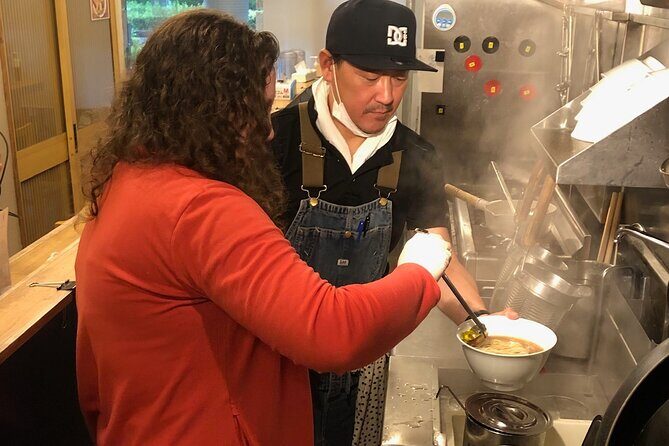
A lot of cooking classes in Japan are “teaching moments” with a fixed menu. This one feels more like joining a family-run ramen operation for an hour.
Shu is the host and instructor, and his communication style is a major part of the success. People highlight that his English is strong and that he’s friendly, personable, and energetic. If you’re worried about the language barrier, this setup is reassuring: the class is structured so you’re hearing what you need right before you do it.
In a number of experiences, his wife Amanda has also been mentioned as part of the welcoming team. That family dynamic shows up in the way questions get handled and the way the pace stays comfortable, even if you’re not sure what you’re doing at the start.
The biggest value of the small group size is also the least flashy: you feel included. You get enough attention to correct mistakes and enough time to enjoy the process, not just race through it.




Price and Value in Osaka: What $42.94 Really Buys
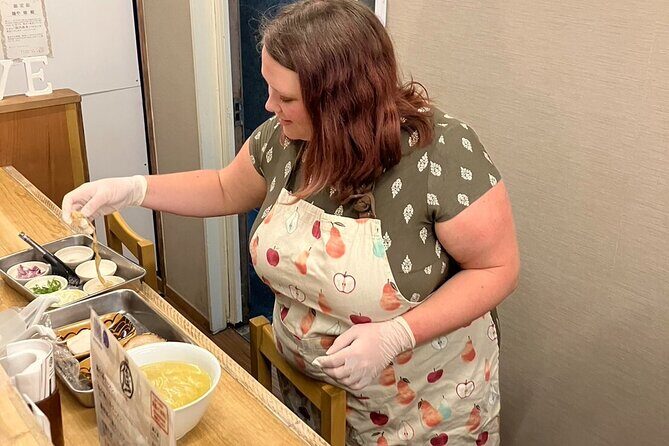
At $42.94 per person, this can look like a splurge if you’re comparing it to a regular bowl of ramen at a street stall. But the value comes from what’s included.
You get:
- Lunch included (your finished ramen)
- A hands-on cooking workshop (not a passive tasting)
- Utensils, aprons, and gloves provided
- Small class size (up to 4 at once)
- A chef-led workflow inside a real Osaka ramen shop kitchen
When you calculate it that way, the price starts to make sense. You’re paying for instruction, workspace access, and the labor of running a guided class in a commercial kitchen. And because soup base is prepared ahead, you still get a high-quality ramen experience without the class becoming a multi-day project.
Also, this is an activity that tends to get booked ahead—on average around 10 days in advance. That’s a sign of demand, not guaranteed quality, but it does tell you the class is limited by design (small group, rented kitchen, one-hour slot).
Getting There and Timing: Meeting Point at Menya SHU
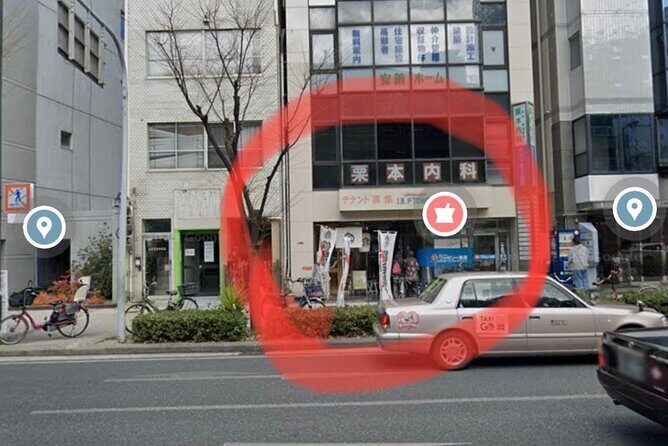
The meeting point is:
麺や修 ~shu~ 11-7 Higashikōzuchō, Tennoji Ward, Osaka, 543-0021, Japan
It’s noted as near public transportation, so you shouldn’t need complicated planning. Still, because this is a timed class inside a working shop, treat arrival like you would for a tour with a hard start: show up a few minutes early and stay flexible.
If you’re running late, the rule is clear: you should let them know, and if you can’t meet within 15 minutes of the reservation start time, the booking can be cancelled since it affects the schedule.
Who Should Book This Ramen Craftsman Experience (and Who Might Not)
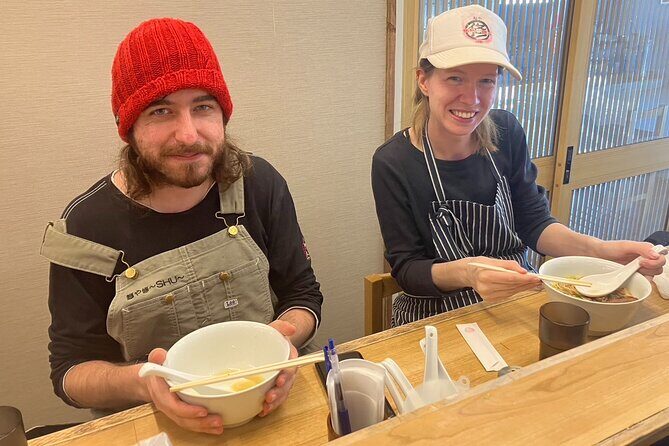
Book this if you want:
- Hands-on cooking in Osaka, not a lecture
- A small group experience where you can ask questions
- Ramen customization, with a real choice among broth styles
- A meal that feels earned, because you cooked and assembled it
You might consider skipping it if:
- You’re traveling with an infant, because the class uses a gas stove
- You want an all-day deep-diet workshop. This is about an hour of focused steps, not a long multi-session project
Family fit is also worth noting. While infants can’t participate, small children are allowed from about 7 years old. That makes it a rare class where families can do something together in Osaka beyond just eating.
If you’re the type who enjoys food culture through technique—timing, ingredients, and how a ramen shop actually works—this is a great use of one evening or one meal block.
Should You Book This Ramen Craftsman Class at Menya SHU?
I’d book it if you want one Osaka experience that’s equal parts learning and eating, with minimal waiting around. The small group format, the chef-led ingredient explanation, and the fact that you cook key steps on-site make it a strong choice for people who don’t want just another restaurant meal.
I’d also book it early in your planning if you’re set on a specific date. The limited group size and tight schedule mean it can sell out.
If you’re on the fence because you’re not sure you’ll learn much, focus on this: you’re not learning ramen as a distant idea. You’re boiling noodles, working through soup assembly, and then eating the results in the same place the ramen shop runs day-to-day. That’s the whole point.
FAQ
How long is the Ramen Craftsman Experience?
It runs for about 1 hour.
How many people are in each class?
This is a small group experience with a maximum of 4 travelers at the same time.
What ramen styles can I choose from?
You can choose one of these ramen options:
1) Chicken white soup ramen
2) Seafood chicken white soup ramen (clam broth)
3) Chinese soba (soy sauce ramen)
4) Sea bream dashi salt ramen
What’s included in the price?
Lunch is included, and the class provides cooking utensils, aprons, and gloves.
Can kids participate?
The experience isn’t suitable for infants because it uses a gas stove. Small children (about 7 years old) can participate.
What if I’m late or need to cancel?
You should notify them if you will be late. If you can’t meet within 15 minutes of the reservation start time, it will be cancelled. Free cancellation is available up to 24 hours in advance for a full refund. Within 24 hours of the start time, refunds aren’t available.