REVIEW · OSAKA
ZEN therapy | Shiatsu-style massage, EnergyTherapy & Japanese Tea
Book on Viator →Operated by 水素セラピーMAITRII · Bookable on Viator
Qi work feels mysterious, until it’s in your hands.
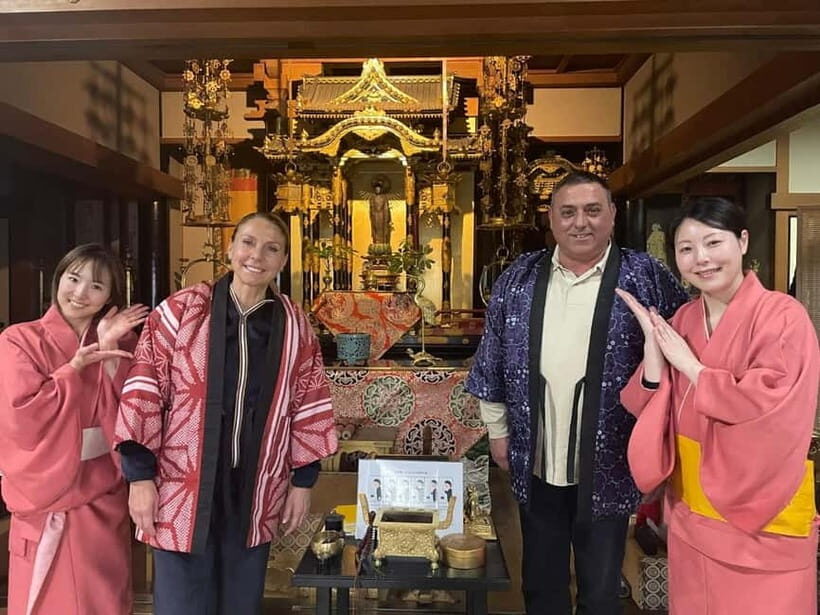
This ZEN therapy blends shiatsu-style massage, Japanese-style energy treatment, and a calm Zen routine with crystals, plus a matcha tea finish that turns a typical massage stop into something more like a reset. You’ll also change into a Zen monk-style kimono called samue, which makes the whole thing feel grounded from minute one.
What I like most is the focus on both body and mental calm: hands-on shiatsu pressure paired with energy balancing done by an energy specialist. I also really appreciate the tangible, detailed setup—high-quality Japanese crystals, and even special artificial quartz placed as part of the therapy room setup—then you get a treatment report afterward with your energy status and future advice.
One thing to consider: this isn’t a strict “sports massage” or quick tension-buster. If you’re mainly skeptical about energy medicine, you may find the approach less concrete than a normal massage plan, so it helps to go in with curiosity rather than expecting medical results.
In This Review
- Key takeaways
- ZEN therapy in Osaka: shiatsu meets qi/ki balancing
- What makes this different from a standard massage?
- Step 1: changing into the Zen samue kimono and setting the mood
- Step 2: shiatsu-style massage plus energy therapy that aims at your qi/ki
- What happens during the bodywork?
- The crystal bed and the artificial quartz detail
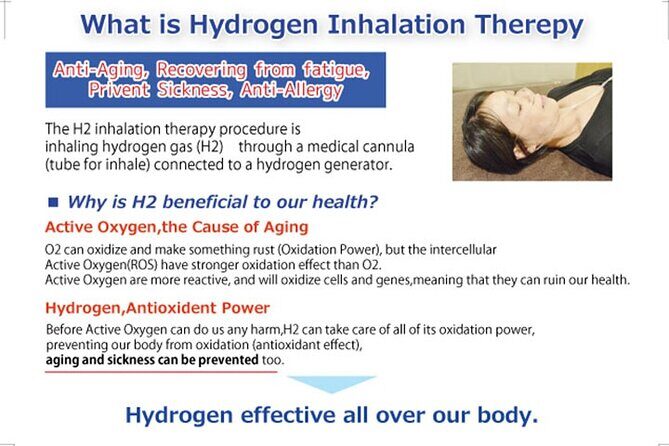
- Step 3: H2 inhalation therapy and relaxation at MAITRII
- Step 4: matcha and tea sweets, then your energy status report
- What to do with the report
- How long should you book: 30, 60, 90, or 120 minutes
- A practical way to choose
- Price and logistics in Osaka (near Shin-Osaka)
- Booking timing
- Getting there
- Who should book ZEN therapy, and who might skip it
- A helpful mindset for skeptics
- Should you book ZEN therapy in Osaka?
- FAQ
- How long is the ZEN therapy session?
- What’s included in the session?
- Do I get to wear the Zen samue kimono?
- Is the experience private?
- What kind of energy setup is used during the treatment?
- Where does the session take place?
- What’s the cancellation policy?
Key takeaways
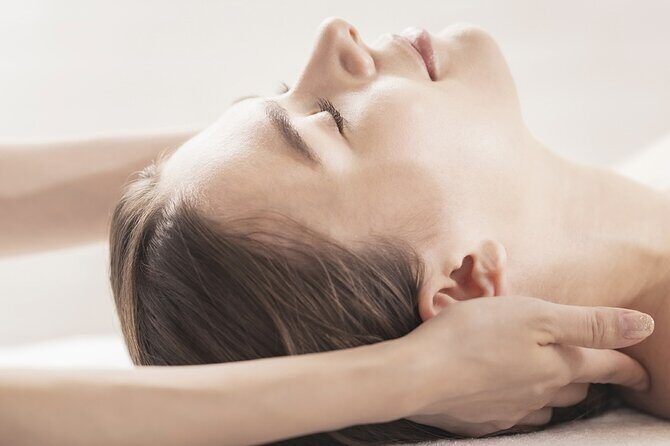
- Shiatsu + energy work focused on qi/ki circulation and recharging your bioenergy
- Crystal bed and special artificial quartz used to amplify healing energy
- Zen samue kimono to shift your mindset into a more mindful, relaxed state
- Matcha and tea sweets as a proper ritual-like landing after the session
- Treatment report describing your energy status and advice going forward
- Private room experience reserved for your group with a therapist
ZEN therapy in Osaka: shiatsu meets qi/ki balancing
If you’ve ever left a massage feeling temporarily better but not fully reset, this kind of session is built for the second part. ZEN therapy in Osaka is designed around the idea that your body’s circulation of energy (qi/ki) affects how you feel physically and mentally. The plan combines shiatsu-style massage and energy therapy, using Oriental-medicine concepts that focus on clearing out “unwanted” energy tied to stress and toxins and then recharging what you need.
In practical terms, you get hands-on bodywork. But you also get a guided energy process that the therapist treats as real work, not just “extra.” The room setup matters here, too: the treatment uses high-quality Japanese crystals under the bed to help “amplify” good energy and regulate the field. Add in the Zen mindfulness framing, plus a final tea ritual, and it’s less like a quick appointment and more like an intentional experience.
You can also read our reviews of more tours and experiences in Osaka.


What makes this different from a standard massage?
Most massage sessions focus mainly on muscle tension and blood flow. This one says the target is broader: energy circulation plus mental calm. You’ll feel the bodywork, but the session is structured around qi/ki balancing as the headline outcome.
And the details aren’t vague. The therapy description specifically points to:
- shiatsu-style relaxation to remove unwanted qi stored by toxins and stress
- recharging with the necessary energetic/bioenergy
- a crystal-boosted environment using high-quality Japanese crystals
- special technology including artificial quartz with well-ordered crystals
Whether or not you’re already into energy medicine, the structure is clear: bodywork first, energy balancing through the environment, then a calmer, more reflective landing with tea.
Step 1: changing into the Zen samue kimono and setting the mood
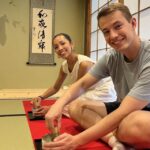
Before the main treatment, you change into a Zen monk-style kimono called samue. This is more than a cute prop. The therapy is presented as a blend of Zen concepts and hands-on healing, and wearing samue is part of moving your mindset toward stillness and mindfulness.
You’ll also notice that the overall experience is paced like a ritual:
- change into samue
- begin the body/energy treatment
- finish with matcha and tea sweets
- receive a treatment report
That rhythm matters if you tend to hold tension in your mind as much as your shoulders. Even if you don’t buy every energy concept, the session is designed to reduce mental noise, and the kimono moment helps the transition.
If you want to take that comfort home, you can purchase a samue robe as a souvenir. The idea is that it’s comfortable enough for relaxing time or even going out for a walk, and it’s also described as fitting for experiencing zazen in a temple context.
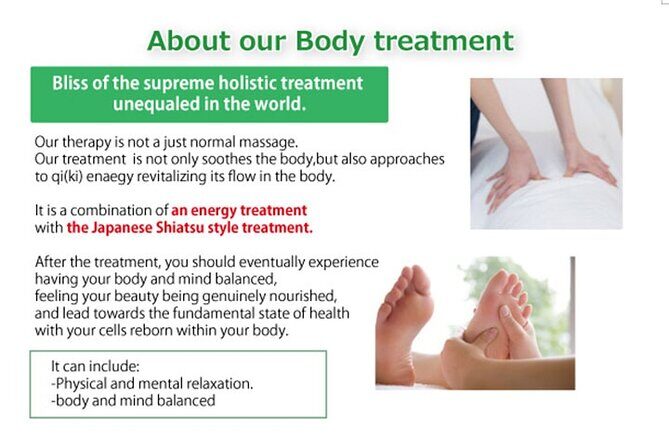
Step 2: shiatsu-style massage plus energy therapy that aims at your qi/ki

The core of the session is shiatsu-style massage, but it’s guided through an energy-lens. The therapist relaxes your body using Oriental-medicine-style qi ideas—removing unwanted energy that’s built up from toxins and stress, then recharging you with the energetic/bioenergy you need.
What happens during the bodywork?
You can expect full-body qi balancing massage using a shiatsu-style approach. The description also frames the mind element as part of the work: the therapy is said to detoxify the mind and thoughts so your mental state becomes calm.
You’ll also see the therapy tied to therapists with specific training credentials (Clinical Energy Medicine Therapists® is named in the process). That doesn’t automatically make it “more true,” but it does suggest the provider treats this as a structured discipline rather than a casual massage add-on.



The crystal bed and the artificial quartz detail
This is one of the most distinctive parts of the experience.
High-quality crystals are placed under the bed to amplify good energy and regulate the energy field. Then the room setup also uses special artificial quartz, described as taking several years to complete and designed to make better use of Japanese technology. The explanation given is that ordered, high-quality crystal structure can amplify healing energy more ideally than natural quartz with irregular crystals.
Again, you don’t have to believe in energy medicine on day one to appreciate the intention. If you’re someone who benefits from environments that feel “held” and calm—dim, quiet, and structured—this setup is designed for that.
Step 3: H2 inhalation therapy and relaxation at MAITRII

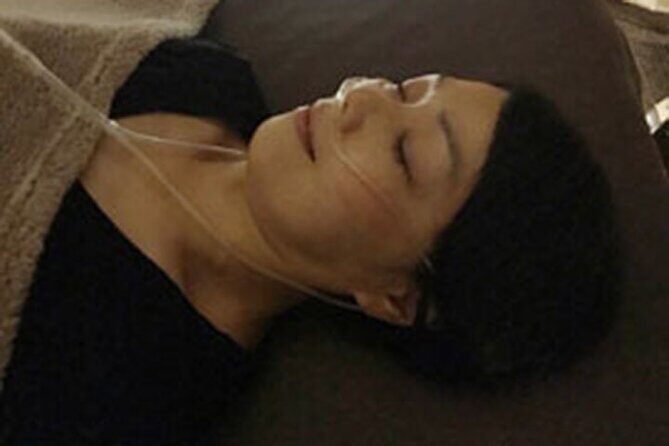
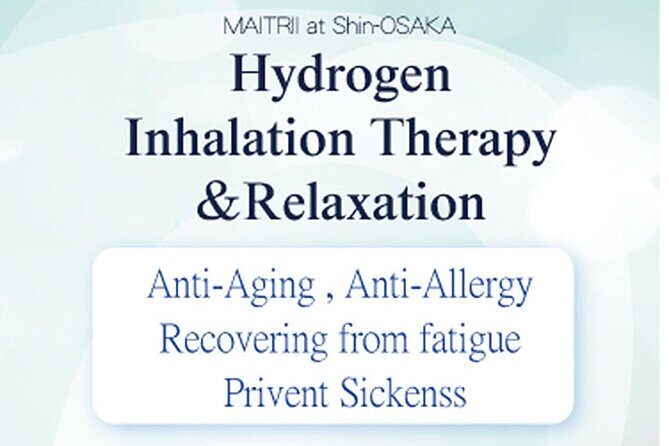
Your session is run through MAITRII, and the meeting point name includes H2 inhalation therapy and relaxation. That means your experience is likely integrated into a broader approach at that location—starting with H2 inhalation therapy and then moving into the Zen therapy body/energy process.
One reason I think this matters: it gives the appointment a clearer start-to-finish flow. People who are tired often want a first step that feels like it’s doing something right away. H2 inhalation therapy plus relaxation is positioned as that opening.
Also, the feedback you’ll see associated with the experience often pairs hydrogen inhalation therapy with body massage in a “feel better” package. That combination points to the provider’s emphasis on tiredness recovery and deep relaxation, not just general wellness aesthetics.
Step 4: matcha and tea sweets, then your energy status report

After the hands-on and energy work, you get a tea ritual landing: matcha and tea sweets. It’s described like coming out at tea, which is a nice phrase because it signals the session isn’t supposed to end abruptly. Instead, you transition out of treatment mode into something warm and slow.
Then you receive a treatment report. The therapist shares your energy status and gives advice for the future. If you like sessions where you leave with more than a vague “feel relaxed,” this is a big plus. It’s also consistent with the experience’s broader promise: recovery, deep relaxation, and longer-term mind/body balance.
What to do with the report
The report is there to guide what comes next. You should use it as a conversation starter, especially if you plan to schedule repeat sessions. If your goal is anti-aging or disease prevention (listed among the promised outcomes), the advice portion becomes your “action item” area—things to consider for future care.
Even if you’re only booking this once, you can still ask practical questions during the report portion: What should you watch for? What kind of energy imbalance might be linked to your stress level or fatigue?
How long should you book: 30, 60, 90, or 120 minutes
The experience offers four time options:
- 30 minutes
- 60 minutes
- 90 minutes
- 120 minutes (described as premium/luxury forehand, and also listed as the luxury option)
The tour summary also lists a 1 hour (approx.) duration and a price of $57.23 per person. That lines up most closely with the 60-minute slot. If you book longer, it’s reasonable to expect more time for both the shiatsu work and the energy balancing process, plus a smoother landing.
A practical way to choose
- Choose 30 minutes if you want a taste of the approach and you’re mostly after relaxation.
- Choose 60 minutes if you want a full standard reset with time to settle in and finish with tea and the report.
- Choose 90 minutes if you’re carrying fatigue and want extra time for energy balancing and body release.
- Choose 120 minutes if you feel worn down, and you want the most complete session block.
The key detail from the experience description is that if you’re concerned about parts of the body being too elaborate, you should choose premium or luxury. That seems counterintuitive at first—usually you’d think “shorter is safer.” But within this provider’s framing, longer sessions may allow pacing and careful targeting, so you don’t feel rushed or overwhelmed.
Also, the longer-course choice shows up in the positive feedback. People who booked the longest option often described the combination of shiatsu and energy work as exactly what they were looking for, with a noticeable improvement in how they felt afterward, even if they weren’t coming in as believers.
Price and logistics in Osaka (near Shin-Osaka)
The listed price is $57.23 per person. That’s not a “cheap and cheerful” massage price in Osaka terms, but it also isn’t a luxury spa rate if you’re comparing what’s actually included. Here you’re getting:
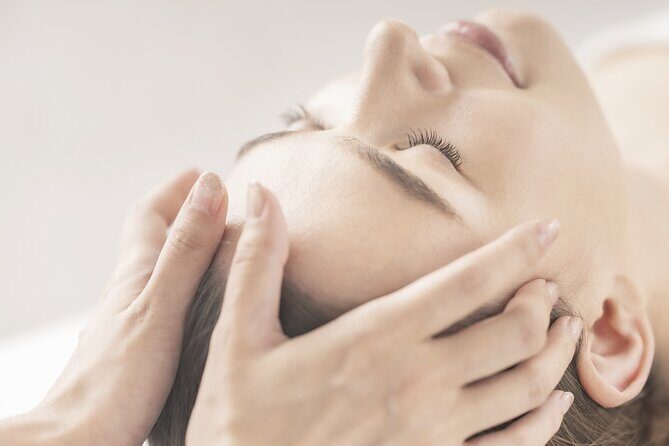
- shiatsu-style massage using energy therapy
- energy balancing aimed at qi/ki
- crystal-enhanced setup using high-quality crystals and special artificial quartz
- matcha and tea sweets
- a treatment report with energy status and advice
- changing into the samue kimono
Plus, the experience is described as a private room with a therapist reserved for your party. In other words, you’re not squeezed into a shared appointment line.
Booking timing
The average booking window is about 19 days in advance, which suggests you’ll want to reserve ahead if you have firm plans in Osaka. If you’re interested in the 90 or 120-minute options, earlier booking makes even more sense.
Getting there
The start point is MAITRII at:
Shi-Osaka-daichi-building 8F, 5丁目-6-16 6 NishinakaJima, Yodogawa-ku, Osaka (532-0011)
It’s described as near public transportation, which helps if you’re pairing it with other Shin-Osaka area plans. And because it’s a mobile ticket, you’ll want to keep your ticket accessible on your phone.
Who should book ZEN therapy, and who might skip it
This experience fits best if you like one of these ideas:
- you want relaxation that’s more structured than a generic spa stop
- you’re open to qi/ki energy concepts and want to experience energy therapy with crystal setup
- you enjoy Japanese ritual pacing (kimono + matcha)
- you like leaving with a treatment report and practical advice
It might be less satisfying if:
- you only want deep tissue sports work and nothing else
- you’re expecting a strictly medical procedure or a guaranteed health outcome (the description uses wellness and prevention language, not clinical treatment claims)
A helpful mindset for skeptics
If you’re not convinced about energy healing yet, this is still worth trying as a body-based experience. The hands-on shiatsu-style massage is part of the core offering, and the relaxation plus tea landing can still feel genuinely restorative even if the energy explanation stays theoretical for you.
But it’s smartest to go in with the right expectation: you’re booking a ZEN-framed wellness ritual, not a typical one-hour treadmill-style recovery session.
Should you book ZEN therapy in Osaka?
If you want a massage appointment that feels intentional—shiatsu-style bodywork plus energy balancing, crystal-enhanced setup, samue kimono, and matcha at the end—then yes, it’s an easy choice. The value is strongest when you care about the whole experience package: body, mind calm, and a guided aftercare report.
I’d especially recommend the longer session options (90 or 120) if you’re truly carrying fatigue or you want more time for the energy approach. If you’re just curious and want to test-drive the concept, the 30-minute or standard 60-minute option can be a good starting point.
One last practical note: check your schedule so you don’t book something stressful right after. Even if you feel fine, you’ll likely want a calmer transition after the tea and report.
FAQ
How long is the ZEN therapy session?
The experience is listed as 1 hour (approx.) for the standard option. It also offers 30 minutes, 60 minutes, 90 minutes, and 120 minutes options.
What’s included in the session?
It includes full-body qi/energy balancing using shiatsu-style massage, plus a Japanese Zen tea ritual with matcha and tea sweets. You also receive a treatment report describing your energy status and advice for the future.
Do I get to wear the Zen samue kimono?
Yes. You change into a Zen monk-style kimono called samue before the treatment.
Is the experience private?
Yes. It’s described as a private tour/activity, with only your group participating, and a private room with a therapist is reserved.
What kind of energy setup is used during the treatment?
The therapy description says high-quality Japanese crystals are placed under the bed to amplify good energy and regulate the energy field. It also mentions special artificial quartz made with Japanese technology.
Where does the session take place?
It starts at MAITRII, H2 Inhalation Therapy & relaxation, Shi-Osaka-daiichi-building 8F, 5丁目-6-16 6 西中島 (Yodogawa-ku), Osaka (532-0011, Japan). It ends back at the meeting point.
What’s the cancellation policy?
Free cancellation is available up to 24 hours in advance for a full refund. If you cancel less than 24 hours before the experience’s start time, the amount paid is not refunded.