REVIEW · OSAKA
Discover Osaka, Private Customizable Tour with Expert Guides
Book on GetYourGuide →Operated by OTOMO Travel · Bookable on GetYourGuide
Neon and temples, in your own order. This private Osaka tour lets you pick the mix of sights, and you travel between them by train with an English guide.
I especially like two things. First, the customizable itinerary means you can lean historical (Osaka Castle, Shitennoji) or modern (Dotonbori, Shinsekai, shopping streets) depending on your mood. Second, the pacing gives you real time at each stop, so you’re not just doing a quick photo and sprinting away.
One consideration: entrance fees, lunch, and train fares are not included, and some spots can be cash-only. Your final cost can creep up if you add several paid attractions or tours.
In This Review
- Key highlights worth your attention
- How the custom plan really works in Osaka
- Osaka Castle: the photo moment plus the context
- Shitennoji Temple: where old Osaka still feels alive
- Janjanyokocho and lunch: snack-street Osaka with a plan
- Shinsekai and Dotonbori: two neon slices, short and sweet
- Shinsekai (about 20 minutes)
- Dotonbori (about 20 minutes)
- Train time between neighborhoods (and how much you should expect to pay)
- Price and value: is $229 for up to 6 fair?
- The guide factor: great English can make or break the day
- Who this Osaka private tour is best for
- Should you book this Osaka private customizable tour?
- FAQ
- FAQ
- How long is the tour?
- How many people can be in the private group?
- What’s included in the price?
- Is lunch included?
- Are entrance fees and train fares included?
- Can I customize which Osaka neighborhoods and attractions you visit?
- Is the guide English-speaking?
- What if the weather is bad?
- Is this tour wheelchair accessible?
Key highlights worth your attention
- A guide builds your day around your choices, after you submit what you want to see
- Hotel meet-up in Osaka makes the start feel smooth (and less stressful)
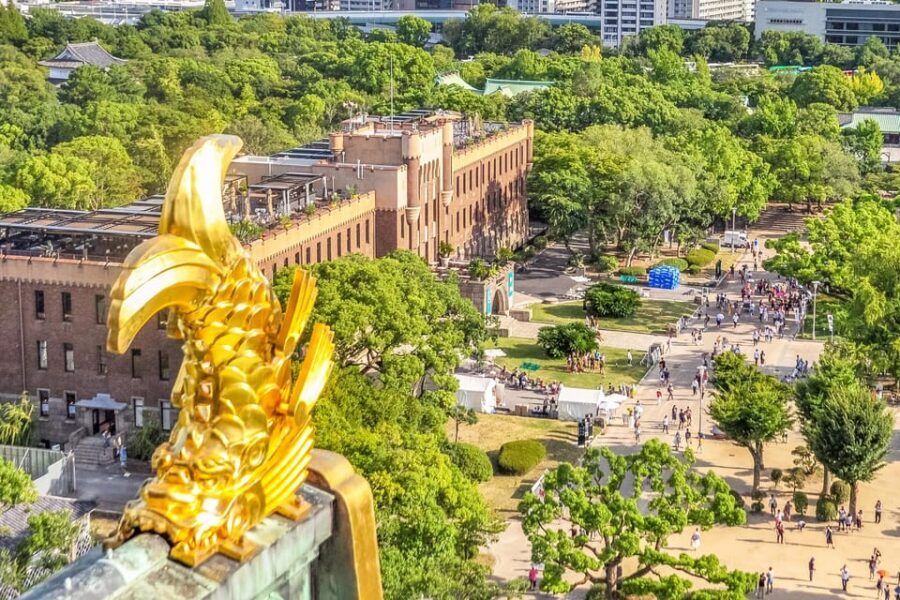
- Osaka Castle + Shitennoji give you strong anchors for both city history and spiritual Osaka
- Shopping-street time includes a neighborhood-food lunch opportunity
- Short, smart stops at Shinsekai and Dotonbori fit into a compact route
- Your experience may vary by guide, especially with English skills and communication style
How the custom plan really works in Osaka
The biggest advantage of this tour is that it isn’t a fixed checklist. After you book, you’ll get a link to a Google form where you share your pickup location and the places you want. Your guide reviews your answers and turns that into a day plan that fits your interests.
That flexibility matters in Osaka because the city is basically a series of different “moods” in connected neighborhoods. One person wants castle views and old temple quiet. Another wants neon, street food, and the energy around Dotonbori. Here, you can steer the day either way, while still using a smart route.
About a week-to-two-weeks before your tour, your guide contacts you (via WhatsApp or email) to talk through the itinerary you requested. It’s not just a formality—use that message. If you care about food, say so. If you want fewer crowds, say so. If you’re traveling with kids, say so. The more specific you are, the more your guide can shape the day.
One practical note: the itinerary you see as a reference can be adjusted. For a 4-hour version, you’ll typically reach 2–3 attractions. For a longer 7-hour version, expect 4–5 attractions. That’s the core tradeoff: more time means less rushing between neighborhoods.
You can also read our reviews of more private tours in Osaka

Osaka Castle: the photo moment plus the context
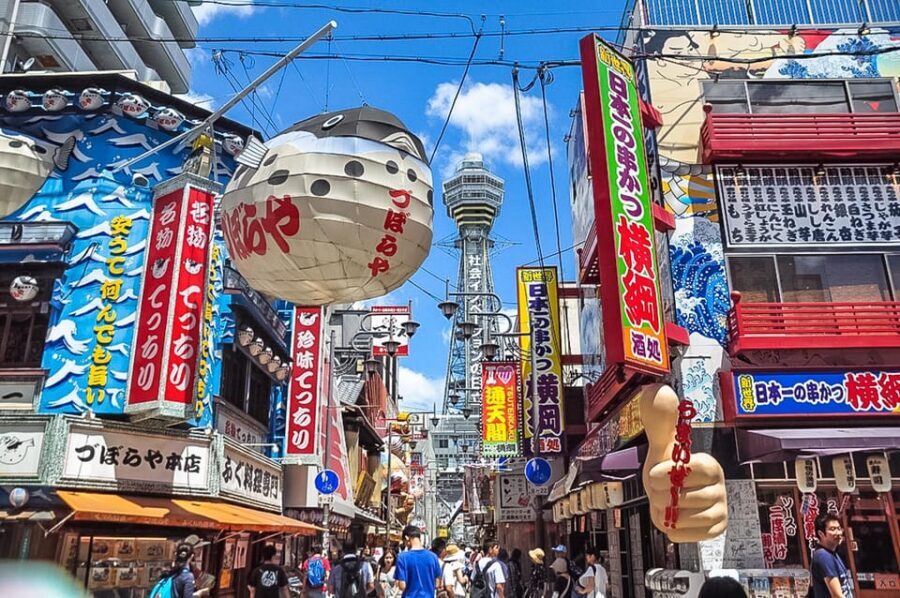
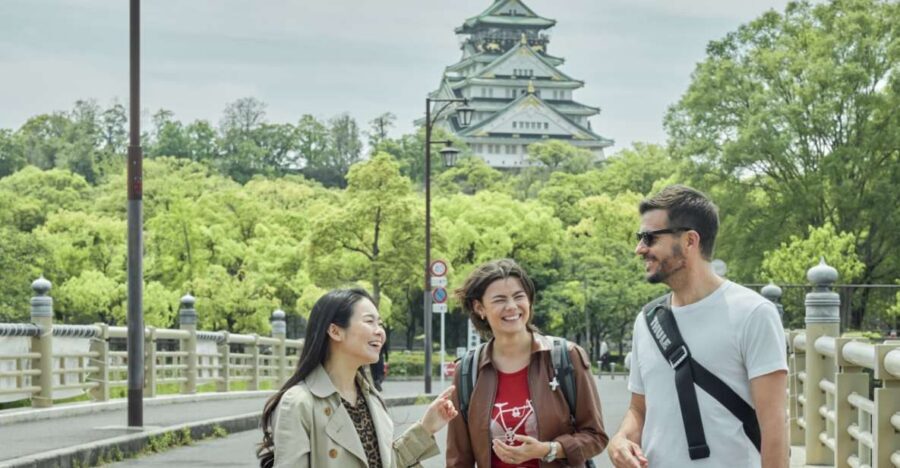
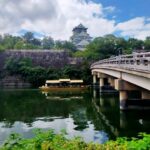
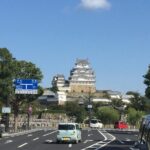
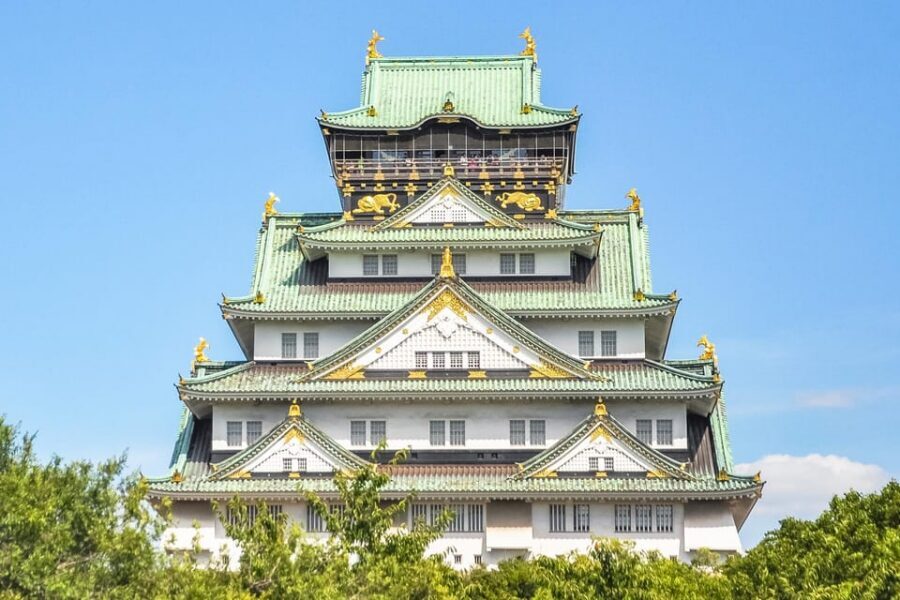
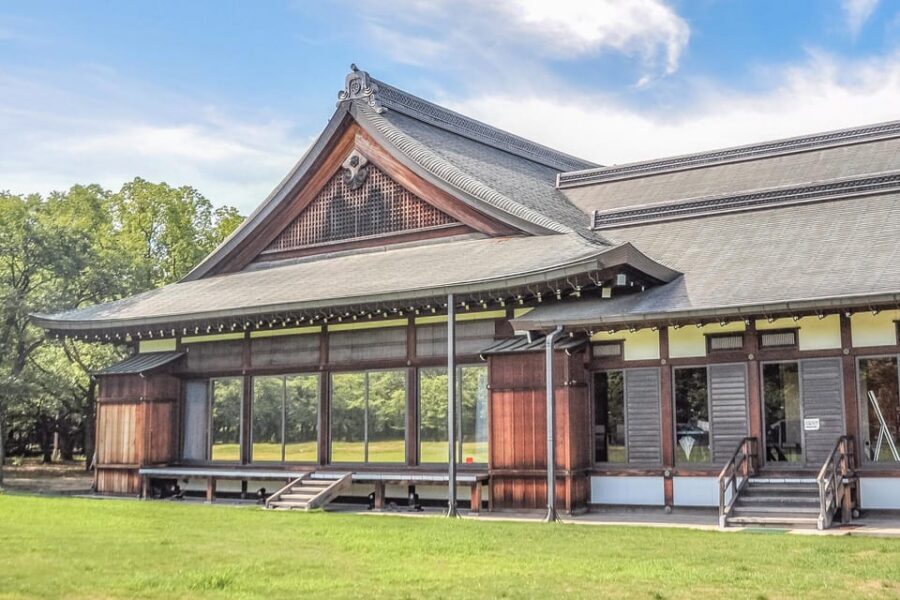
Osaka Castle is a classic reason to come to Osaka, but it’s also a good test of how helpful your guide will be. In this tour flow, you’ll get about 70 minutes for Osaka Castle, with a photo stop, a guided visit, and time to look around.
Why that works: Osaka Castle is huge in both size and symbolism. If you go without context, you can end up staring at walls and missing why everyone takes it so seriously. With a guide, you’re more likely to notice details you’d otherwise skip—how it fits into the story of the city, and what to look for as you walk.
What to do with your time there:
- Bring your camera, but also plan for a slow walk. The view angles matter.
- If the castle grounds feel crowded, your guide can help you reposition for better lines of sight.
- Wear shoes you can walk in. Even if the tour is only 70 minutes, the castle area adds up.
Drawback to know: Osaka Castle is popular, so it can be busy. If you’re sensitive to crowds, your best move is to ask your guide to prioritize the time-of-day route that reduces your exposure.
Shitennoji Temple: where old Osaka still feels alive
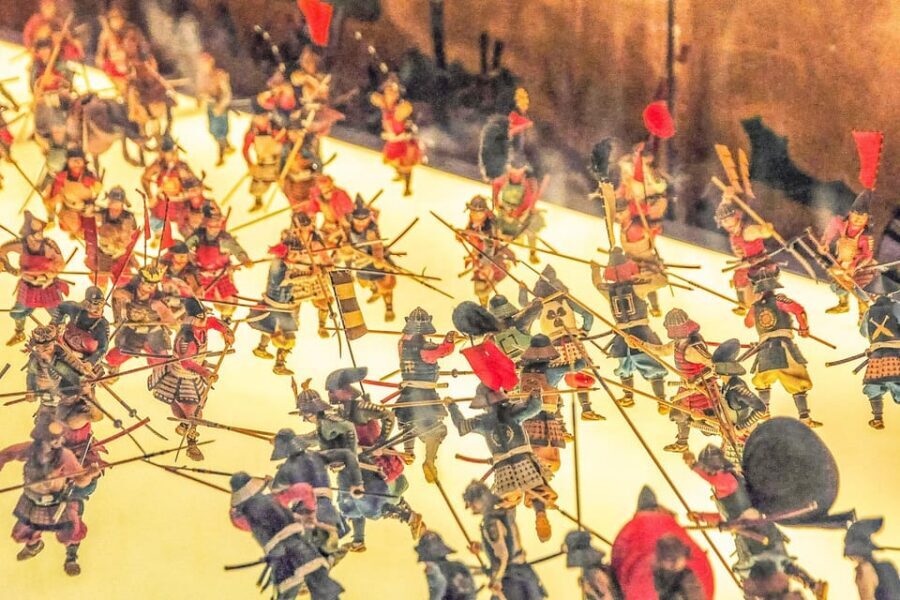
Next up is Shitennoji, one of Osaka’s most significant temples, with about 100 minutes here. That’s a generous window—long enough not just to pass through, but to actually observe how the space works.
This stop tends to become the “reset” in the middle of a day that also includes shopping streets and neon. Shitennoji is a good place to slow down. Your guide’s job is to help you read what you’re seeing—so you understand why particular areas matter, how visitors typically move through, and what the temple’s presence means in Osaka culture.
What I like about giving Shitennoji more time: it helps you avoid turning the day into a simple lineup of tourist boxes. Instead, the experience has contrast. You go from castle history to temple traditions, and then to the louder streets of Osaka.
Potential drawback: since it’s a longer visit, your overall energy depends on your pace. If you’re the type who wants quick hits, you might want to tell your guide upfront. A good guide will adjust how you spend your time here without cutting it short.
Janjanyokocho and lunch: snack-street Osaka with a plan

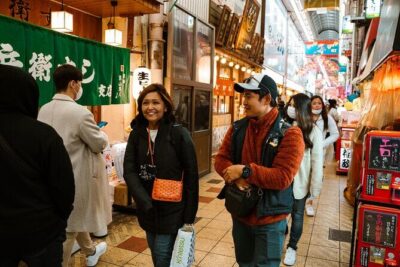
One of the smarter parts of this tour is the neighborhood-street time in and around Janjanyokocho Nanyodori-shotengai, with about 80 minutes. This is where Osaka shows its everyday character: shopping arcades, small eateries, and all the small decisions that locals make without thinking.
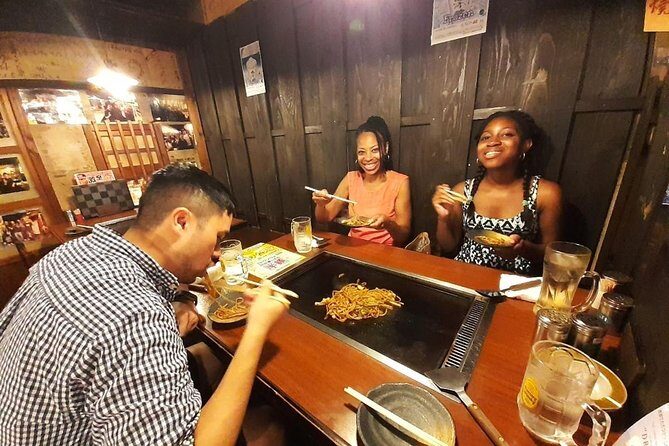
In the tour flow, lunch is part of this block. You’re not just handed a meal—you’re in a place where choices exist, and your guide can help you pick something that matches what you’re in the mood for.
A real-world example from one English-speaking guide: Kiriko Sugahara led a group through Osaka Castle and then multiple shrines, temples, and neighborhoods, and she even brought them to her favorite restaurant for lunch. The food was described as both excellent and good value. That’s the kind of practical payoff you can get when your guide actually knows the area and communicates well.
A caution: lunch isn’t included, and some places in Japan focus on cash. Bring cash ready, just in case. Also, food streets can involve small queues or limited seating, so being flexible helps.
Shinsekai and Dotonbori: two neon slices, short and sweet
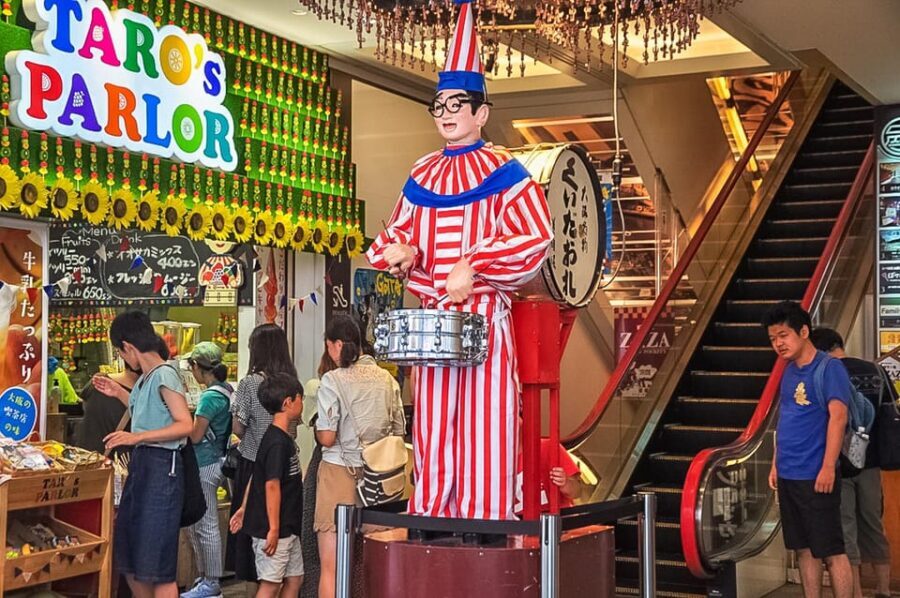
After you settle into the day’s rhythm, the tour finishes with two major neighborhoods. The stops are brief by design, so you can cover more of Osaka without losing your feet.



Shinsekai (about 20 minutes)
You’ll get time to visit Shinsekai. Think of it as a neighborhood where old-school Osaka visuals and signs still feel part of the street. You won’t have time to “deep linger,” but you will get your bearings and a sense of what makes Shinsekai different from the other areas.
Good approach here: use your guide to point out what you’d otherwise miss—where to look for the iconic atmosphere and how to walk the streets efficiently.
Dotonbori (about 20 minutes)
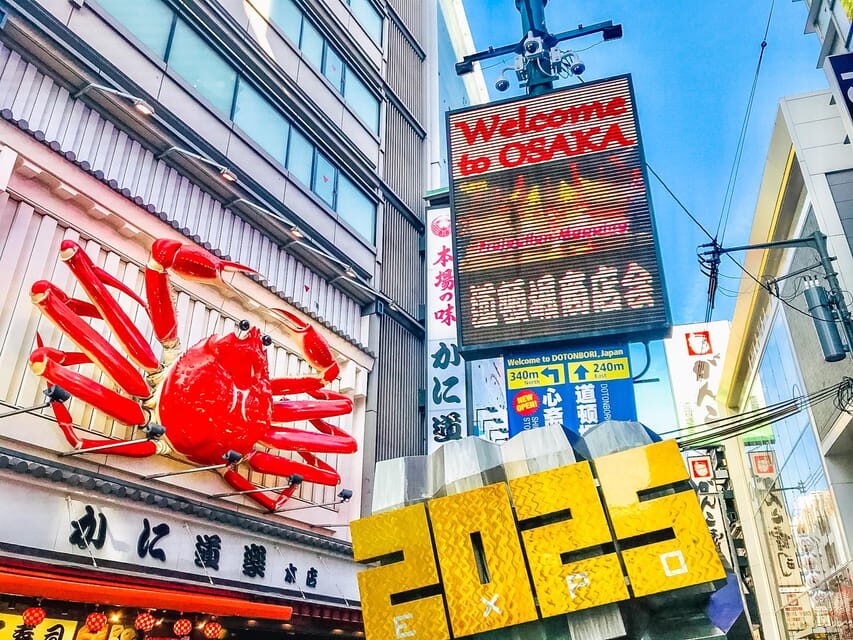
Then you move to Dotonbori for guided sightseeing, about 20 minutes. This is Osaka’s famous neon strip area, known for its energy and photo-worthy spots.
The advantage of short timing: you get the vibe without turning your whole day into one long crowd-management exercise. The drawback: if you fall in love with Dotonbori on sight, 20 minutes can feel too short. That’s where customization helps—if Dotonbori is your priority, tell your guide. A longer version of the tour can shift time toward the places you care about most.
Train time between neighborhoods (and how much you should expect to pay)
The tour uses local trains between stops, which is one of the best ways to understand Osaka. You don’t just “arrive by taxi.” You watch how people move, how neighborhoods connect, and how efficient the network is.
Still, there’s an important money detail: while the route uses trains, transportation fees are not included. So you should expect to pay your share of train fares on the day.
Practically, this is why the tour works best when you:
- Plan to use Japan’s transit system anyway
- Prefer a route you can’t easily piece together alone
- Like having a guide handle timing and direction
If you’re trying to keep costs ultra-tight, ask your guide whether your selected spots will require extra paid transit segments or paid add-ons. The tour itself gives you structure; you manage your personal spend.
Price and value: is $229 for up to 6 fair?
The price is $229 per group, sized for up to 6 people. That’s a key value point because you’re paying for a private guide, not per person.
Here’s what you’re getting for that money:
- A private group experience (no sharing your guide with strangers)
- An English live tour guide
- Hotel meet-up within a designated Osaka area
- A day planned around your interests
Here’s what is not included:
- Transportation fees
- Entrance fees
- Lunch
- Personal expenses
- Some guide-related necessities you may need to discuss directly
So is it good value? Usually, yes—especially if you have 3–6 people. The private nature makes it easier to slow down, ask questions, and move without waiting for a big tour group.
Where it can disappoint: if your chosen itinerary includes multiple paid attractions and lots of additional costs, the final day spend can rise. Also, since only the guide and planning are included, you’ll want to decide in advance what you’re okay paying for.
The guide factor: great English can make or break the day
This kind of private tour lives or dies by communication. One guide named in a positive experience was Kiriko Sugahara. The feedback highlighted her strong English and her flexibility, plus her willingness to answer big questions about Osaka life, society, school, and even practical topics like toilets. That kind of conversation turns sightseeing into real understanding.
On the other hand, another experience reported weak English and poor communication. That doesn’t mean the whole tour concept is bad—it means your day could swing depending on the guide assigned.
How you can protect yourself:
- Be clear about what you want to talk about (food, history, daily life).
- Use your pre-tour message to confirm your expectations for English communication.
- If you don’t understand directions easily, ask your guide to repeat and slow down rather than pretending you’re fine.
A small, honest truth: a private tour gives you personal attention, but it also means the guide’s style becomes your experience. Choose your stops and your questions wisely, and you’ll get more out of whoever you’re with.
Who this Osaka private tour is best for
I think this tour fits best if you want structure without losing freedom.
It works well for:
- Families who want a planned route but need flexibility
- Friends or small groups (up to 6) who want one guide instead of a crowded group
- First-time visitors who want the main Osaka anchors—Osaka Castle, Shitennoji, Shinsekai, and Dotonbori
- People who like mixing history with modern city energy
It may be less ideal if:
- You’re in a wheelchair (the tour isn’t suitable for wheelchair users)
- You’re traveling with pets (pets aren’t allowed)
- You want a fully cost-included tour. You’ll pay entrance fees and transit fares separately.
Should you book this Osaka private customizable tour?
If you like the idea of getting your Osaka day shaped around your interests—rather than following someone else’s pace—this tour can be a strong choice. The biggest wins are the private guide, the chance to build your itinerary, and the smart inclusion of both major sights and neighborhood street time.
Book it if you:
- Have 3–6 people and want private value
- Want an English guide who can answer questions and connect the dots
- Are okay managing extra costs like trains, entries, and lunch
Skip or rethink it if:
- You need everything fully included in one price
- You’re extremely worried about cash-only spots (you can carry cash, but it’s still a factor)
- You’re very sensitive to communication quality and can’t handle explanations that don’t land well
FAQ
FAQ
How long is the tour?
The duration options are 4 to 7 hours, depending on availability.
How many people can be in the private group?
The tour price is listed per group up to 6 people, and it’s a private group experience.
What’s included in the price?
Included are the tour guide, a customizable private tour, and hotel meet-up within the designated area in Osaka.
Is lunch included?
Lunch is not included. Lunch may happen during the street-food/shopping stop depending on your itinerary choices.
Are entrance fees and train fares included?
No. Transportation fees and entrance fees are not included, so you’ll want to budget for transit and paid sites.
Can I customize which Osaka neighborhoods and attractions you visit?
Yes. After booking, you’ll fill out a Google form with pickup and spots you want, and the guide creates an itinerary based on your responses.
Is the guide English-speaking?
Yes, the live tour guide is listed as English.
What if the weather is bad?
If the weather is bad on the day, there’s a possibility that transportation, destinations, and routes may be changed.
Is this tour wheelchair accessible?
No. It’s listed as not suitable for wheelchair users.