REVIEW · OSAKA
From Osaka: 10-hour Private Customized Tour to Nara
Book on GetYourGuide →Operated by EverTravel · Bookable on GetYourGuide
Nara is small, but it can feel like a lot. A private Osaka-to-Nara car tour is interesting because you get door-to-door convenience and a day that can bend around you, not the other way around. I especially like the flexible pickup and drop-off (hotel, station, airport) and the fact you’re not fighting trains, maps, or Japanese signage all day. One thing to consider: the English-speaking guide is optional, so you should confirm whether you’re getting real guided interpretation or mainly a driver/escort.
This is a 10-hour format with a clear backbone (Nara Park and Todai-ji in the morning, historic streets and temples after, then shopping before heading back). You can also adjust the day when traffic or crowd levels change. If you want the big Nara hits plus a bit of breathing room to wander, this kind of private routing is a smart way to spend your time.
In This Review
- Key things to know before you go
- A private Osaka to Nara day that saves your energy
- Price and what you’re really paying for ($651 per group up to 3)
- Morning anchor: Nara Park and Todai-ji (Daibutsu-den time)
- What Nara Park is for
- Todai-ji and the Daibutsu-den stop
- Nara Town Historic District: old streets, gardens, and temple variety
- Why this section is valuable
- The drawback to plan for
- Toshodai-ji Temple and Nara National Museum: balance for your afternoon
- Hankaku Bookstore and souvenir time: the practical finale
- How to use this time well
- The driver and the English question: how not to get disappointed
- Timing and pacing: making the 10 hours feel long (not rushed)
- Who this Osaka to Nara private tour fits best
- Should you book this private tour from Osaka to Nara?
- FAQ
- How long is the Osaka to Nara private tour?
- What’s the pickup and drop-off setup?
- Is an English-speaking guide included?
- What’s included in the price?
- What’s not included?
- Can the tour be extended beyond 10 hours?
- Is there a cancellation option?
Key things to know before you go
- Door-to-door pickup and drop-off anywhere in Osaka you choose
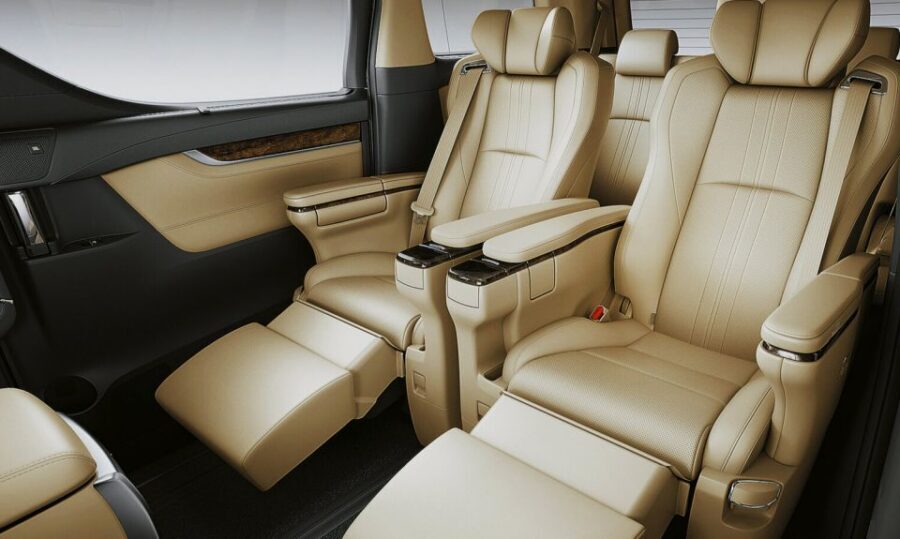
- Professional driver + air-conditioned vehicle for a stress-free ride
- Customizable pacing so you can linger at temples or speed up
- Nara Park + Todai-ji/Daibutsu-den as the morning anchor
- Historic districts and major temples built into the plan
- English guide is optional, so clarify language support when booking
A private Osaka to Nara day that saves your energy
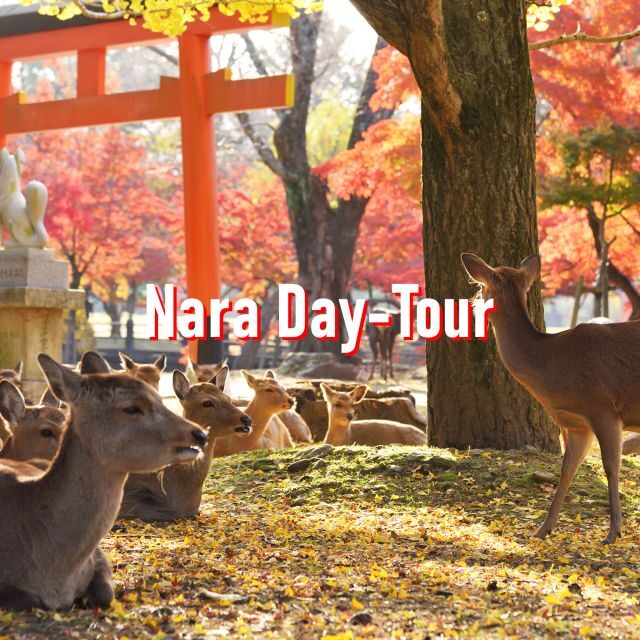
Most people underestimate how much effort a day trip from Osaka to Nara can take. The route is short on paper, but the real work is getting from one sight to the next while coordinating trains, walking, and crowd timing. With this tour, I like that the car does the boring part for you. You show up, you ride, you get dropped near the places you want, and you keep your brainpower for the scenery and stories.
Because it’s private, you’re also not locked to a fixed group tempo. If you want more time with the deer at Nara Park, or you’d rather linger longer at temples and old streets, you can usually shape the day as you go. And if your group moves at different speeds, that flexibility matters.
The biggest value, though, is what you don’t have to manage: navigation, transit timing, and language barriers. Even when you know a little Japanese, it’s still tiring to play “where is the stop, which exit, which direction” all day. Here, the driver handles those logistics.
You can also read our reviews of more private tours in Osaka
Price and what you’re really paying for ($651 per group up to 3)
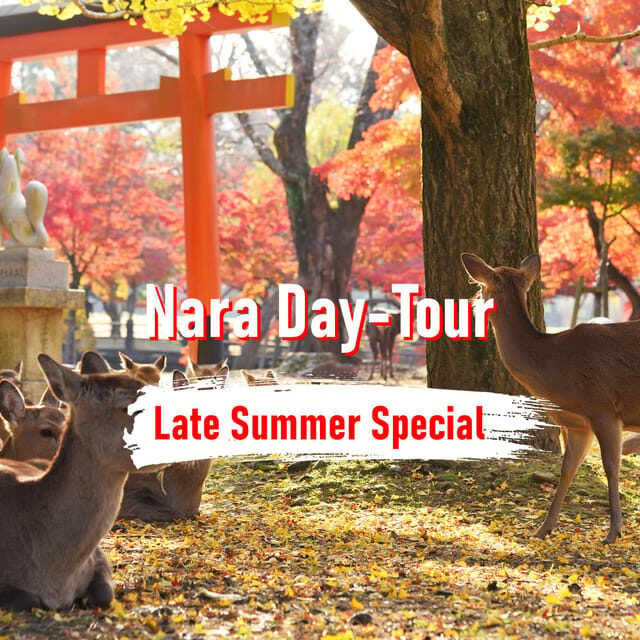
The price is $651 per group up to 3 people for 10 hours. That sounds steep until you compare what it replaces: multiple train rides, taxis, and the time lost to logistics. For small groups, private transport can be closer to “worth it” than “wow that’s expensive,” especially when you’re trying to see a lot without feeling rushed.
Here’s what’s included that reduces surprise costs:
- Hotel pickup and drop-off
- Air-conditioned vehicle
- Professional driver
- 10 hours of services in total, with extension available for an added charge
- All fees and taxes, including parking fees
Admission tickets and meals are not included, so you still need a separate budget for entry fees and lunch. But transport costs are handled up front, which is a big deal when you want a smooth day.
Also watch the overtime rates, because your 10 hours can stretch quickly if you want extra museum time or if crowds are heavier than expected. The tour notes overtime is $30/hour without a guide and $50/hour with a guide. If you care about a long stop at one site, plan your priorities early so you don’t end up paying for every extra half hour.
One practical note: baby or child counts as one participant, so if you’re thinking of counting kids as free, don’t. Build that into your group size math.
Morning anchor: Nara Park and Todai-ji (Daibutsu-den time)

Your tour day starts with a pickup in Osaka around 8:00 AM, then a drive of about 1 hour to Nara. That timing is ideal because it puts you at your first big draw before the day fully heats up and crowds thicken.
What Nara Park is for
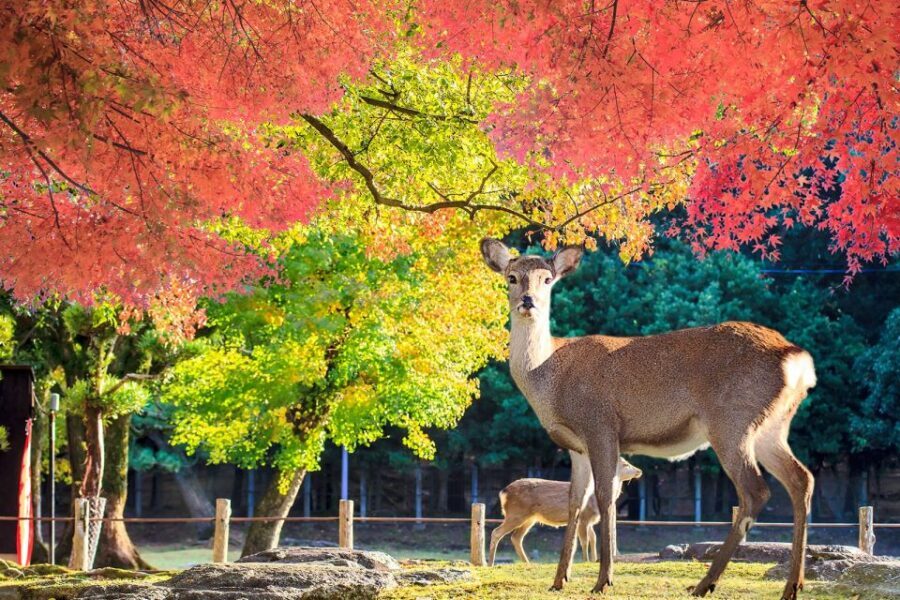
Nara Park is famous for its wild deer, and that simple fact shapes the whole atmosphere. Expect deer to be part of your walking route and your photos. Even if you’ve seen deer in other places, Nara’s density and visibility are what make it feel special. It’s not a quiet stroll, but it’s an easy place to relax because you can just wander and look around without worrying about transport.
Todai-ji and the Daibutsu-den stop
The centerpiece here is Todai-ji and Daibutsu-den, which houses the world’s largest bronze Buddha statue (the tour explicitly calls it out as the world’s largest bronze Buddha). Seeing that statue in person is the kind of moment that’s hard to fake with photos.
If you want the most satisfying experience, I’d treat this as your “slow down and look” block. Don’t rush past details you can’t read fully in a glance. With a private car, you’re not pressed by a schedule board in front of a group; you can take the time you need.
A small consideration: the tour’s overall schedule includes multiple sites, so if you’re the type who needs a long museum-style pace, you may want to set expectations with the driver about how long you want at Todai-ji/Daibutsu-den early on.




Nara Town Historic District: old streets, gardens, and temple variety
After the morning, the plan shifts toward the area the tour describes as the Nara Town Historic District. This is the part of the day where you get something more human-scaled: traditional streets, older buildings, and a slower rhythm.
The itinerary example includes sights such as Kasuga Taisha and Horyu-ji Temple as part of this historic wandering window. Even without a deep background in each site, it’s a good mix because you get different “flavors” of Nara’s religious and cultural identity: shrine atmosphere here, temple architecture there, and the in-between charm of walking.
Why this section is valuable
Transportation is often what breaks a day trip. A private car helps, but the real value is how this part of the schedule is set up to let you move at walking speed. Historic districts work best when you can pause for small discoveries: a building facade, a quiet garden corner, a view from a side street.
The drawback to plan for
Historic walking areas can be surprisingly time-consuming if you like to explore every alley. If you’re worried about fitting everything, choose your style in advance: either commit to wandering broadly in this district, or treat it as a highlights pass and save more time for Todai-ji and any indoor stops you care about.
Toshodai-ji Temple and Nara National Museum: balance for your afternoon
From about 1:30 PM to 3:00 PM in the itinerary example, you can add two more major culture-and-history stops: the Nara National Museum and Toshodai-ji Temple. This is where the day becomes more than iconic sights. It’s also your chance to understand what you’re seeing.
The tour specifically frames Toshodai-ji Temple as a place to learn more about Nara’s history and culture. That makes sense in the afternoon because you’ve already handled the “wow” moments (deer, bronze Buddha), so shifting to learning works better after you’ve had time to absorb the atmosphere.
The museum is a flexible tool in a day like this. If weather or crowd levels slow you down, it can be the right choice to regroup indoors. If you’re energized and want more context, it’s also a great way to connect the dots between the temples you just visited.
You’ll also likely need a lunch decision around 12:30 PM to 1:30 PM. The tour notes lunch fare isn’t included, and you can stop at a nearby restaurant or snack bar. This is one of the easiest places to personalize: pick something close to keep the day flowing, or choose a longer meal if your group values downtime.
Hankaku Bookstore and souvenir time: the practical finale

The itinerary example ends with a shop-friendly window from about 3:30 PM to 5:00 PM, including Hankaku Bookstore and street shops for souvenirs and specialty items.
This segment matters more than people think. When you visit big temples and historic districts, it’s easy to end the day without anything tangible to remember it by, besides photos. A bookstore stop and nearby street shopping gives you a low-stakes way to bring Nara home.
How to use this time well
If you enjoy browsing, this is a good time to move slowly. If you’re trying to beat fatigue, treat it as quick-hit shopping: pick one or two categories (souvenirs, snacks, books) and set a time limit. A private car means you can do that without worrying about missing a group deadline.
Then you head back to Osaka, typically around 5:00 PM to 6:00 PM, ending near your chosen drop-off location.
The driver and the English question: how not to get disappointed
Here’s the part I’d pay attention to before you book: language support.
The tour info says an English-speaking tour guide is optional, and it also lists languages Japanese and English. That flexibility is great when everything lines up. But the name of the game is clarity: are you getting a true guide who can explain sites, or are you getting a driver/escort who can handle logistics and basic communication?
I saw examples of real-world mismatches in the details you provided. In one case, a driver named Wang was described as nice but unable to understand English well, with communication mainly via gestures and signage. In another case, Bai was described as super nice, but the experience felt more like an escort than an actual knowledgeable guide. On the other hand, there are also clearly positive outcomes, including a case with an amazing guide who went out of her way to make everything better.
So here’s my practical advice:
- When booking, make sure you understand what you’re selecting for the “English-speaking guide” option.
- If you want deep explanations at Todai-ji, Kasuga Taisha, Horyu-ji, and Toshodai-ji, confirm that the guide role is part of what you’re paying for.
- If you don’t get a strong English guide, you can still have a great day, but adjust expectations toward sites you can enjoy visually and atmospherically.
Even with a non-English driver, the tour still works because the biggest value is transportation and pacing. But if your main goal is commentary and cultural context in English, double-check that language support is actually in place.
Timing and pacing: making the 10 hours feel long (not rushed)
Ten hours is a healthy amount of time, but it can still feel tight if you stack too many long stops. The itinerary example gives a workable flow:
- 8:00–9:00 AM: Osaka to Nara drive
- 9:00–10:30 AM: Nara Park, including Todai-ji/Daibutsu-den
- 11:00 AM–12:30 PM: Historic district wandering (with Kasuga Taisha and Horyu-ji referenced in the plan)
- 12:30–1:30 PM: Lunch (not included)
- 1:30–3:00 PM: Museum and Toshodai-ji
- 3:30–5:00 PM: Hankaku Bookstore and street shops
- 5:00–6:00 PM: Return to Osaka
Notice there’s a small gap between 10:30 and 11:00 in the example. Real schedules can shift due to traffic and visit time, and the tour explicitly says the timing can change based on passenger flow and how long you take at each stop. That’s normal.
My tip: treat the itinerary as a backbone, not a prison. If you love temples, you may want more time around Todai-ji and Toshodai-ji. If your group prefers photos and walking, you might extend the historic streets and Nara Park window. With a private car and driver, you can usually adjust without turning the day into a stressed sprint.
Who this Osaka to Nara private tour fits best
This tour style is especially good if you match one of these profiles:
- Couples who want a calm day with door-to-door comfort and no navigation stress.
- Families with kids who need smoother logistics than trains plus transfers.
- Small groups (up to 3) that want to keep costs reasonable per person while still enjoying privacy.
- Visitors who value flexibility, meaning you want to linger in Nara Park or swap in your favorite stop rather than follow a rigid bus schedule.
If you’re a solo traveler, the private format can also be a strong choice because it protects your time. It’s just you and your driver, so your pace is yours.
If your priority is heavy English interpretation, do your homework on the guide option first (that’s the one area where the experience can vary).
Should you book this private tour from Osaka to Nara?
I’d book it if you want a straightforward way to hit Nara’s big icons—Todai-ji/Daibutsu-den, Nara Park, historic streets, and Toshodai-ji—without turning your day into a logistics problem. The door-to-door pickup, private car comfort, and ability to adjust timing are exactly what you want for a stress-free day trip.
I would hesitate or at least confirm details if English guidance is central to your experience. The tour can still be enjoyable without a strong English guide because you’ll get transportation and a good route, but the depth of site storytelling may change depending on what’s included.
If you’re flexible on lunch, comfortable with a packed but workable schedule, and you verify your language setup, this is the kind of private day that makes Nara feel easy.
FAQ
How long is the Osaka to Nara private tour?
It lasts 10 hours total.
What’s the pickup and drop-off setup?
You can request flexible pickup and drop-off at your preferred Osaka location, such as your hotel, airport, or train station.
Is an English-speaking guide included?
An English-speaking tour guide is optional. The tour also lists Japanese and English language options.
What’s included in the price?
Included: hotel pickup and drop-off, an air-conditioned vehicle, a professional driver, 10 hours of services (extendable with charge), and all fees and taxes including parking fees.
What’s not included?
Admission tickets and food and drinks are not included.
Can the tour be extended beyond 10 hours?
Yes, overtime is available with an added charge: $30 per hour without a guide, or $50 per hour with a guide.
Is there a cancellation option?
You can cancel up to 24 hours in advance for a full refund.