REVIEW · OSAKA
Osaka: Koji Kinutani Tenku Art Museum Entry Ticket
Book on GetYourGuide →Operated by LINKTIVITY Inc. · Bookable on GetYourGuide
Art moves with music in Osaka. The Koji Kinutani Tenku Art Museum turns paintings into a full-body show, especially on its 3m x 14m round screen where images and sound play together. It feels like an indoor theme park, but the subject is serious art.
What I love most is the way the museum builds two distinct moods. The exhibition hall splits into a blue zone tied to the blueness of Italy skies (where Koji Kinutani studied abroad), and a red zone that channels traditional Japan with red walls and lattice-like patterns.
One consideration: this place is technology-forward. If you mostly want quiet, classic gallery walking, you may find the 3D screen and VR experiences take center stage more than you expect.
In This Review
- Key Points to Know Before You Go
- A 3D Art Theme Park in Osaka’s Umeda Sky Building
- The Blue and Red Rooms: Italy Skies Meets Traditional Japan
- Tenku Gallery Photo Time and the Yodogawa River View
- VR with Koji Kinutani: Getting Closer to the Artist
- Workshops, Frescos, and Programs for All Ages
- Tenku Café and the Museum Shop: Plan a Break and Take Home Art
- Combo Ticket Value: Add the Floating Garden Observatory
- Price and Logistics: Is This Worth $8?
- Who This Is Best For (and Who Might Want Another Plan)
- Practical Tips to Make Your Visit Smooth
- Should You Book This Osaka Ticket?
- FAQ
- How long is the ticket valid?
- What’s included with the Koji Kinutani Tenku Art Museum ticket?
- Is the Floating Garden Observatory included in the same ticket?
- Where do I exchange my ticket voucher?
- What are the museum opening hours?
- Is the Tenku Gallery good for photos?
- Are food and drinks allowed inside the museum?
- Is there a free admission option for kids?
- Are workshops and workshop materials included?
Key Points to Know Before You Go
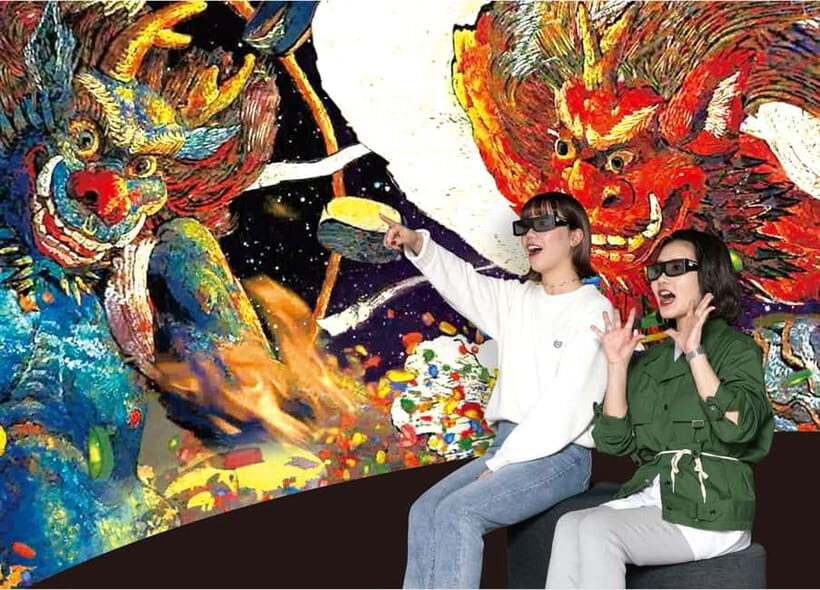
- 3m x 14m round screen: giant-scale 3D images paired with music
- Blue and red exhibition zones: Italy-sky inspiration versus traditional Japan design
- Tenku Gallery photo spot: a nice place for commemorative shots plus a view over the Yodogawa River
- VR experience with Koji Kinutani: includes a museum tour by the artist and a rare talk from his Tokyo studio
- Hands-on fresco and painting programs: workshops exist, but you need reservations and workshop materials aren’t included
- Combo ticket option: add a visit to the Umeda Sky Building’s open-air 360° observatory
A 3D Art Theme Park in Osaka’s Umeda Sky Building
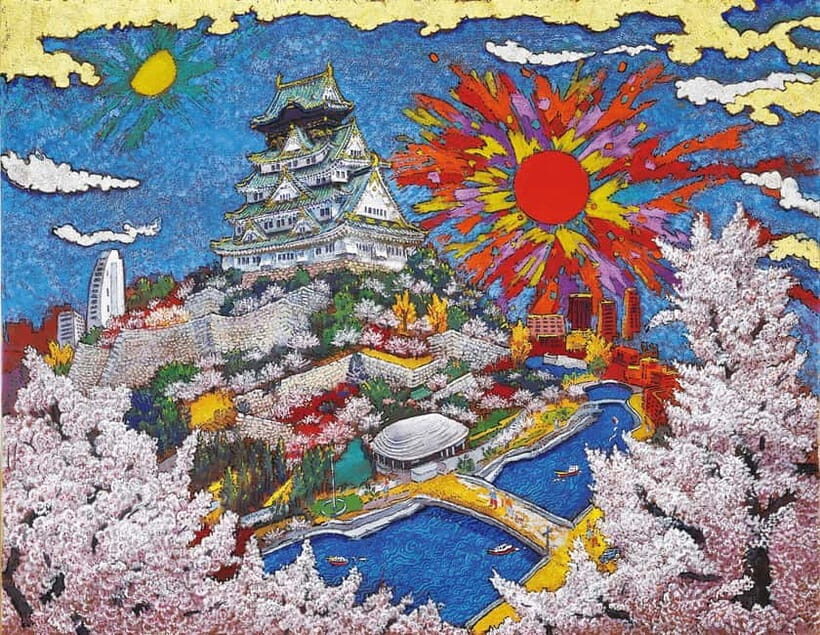
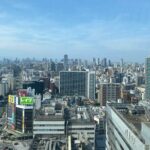
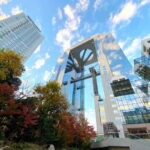
Start with location, because it makes planning easy. The Koji Kinutani Tenku Art Museum is on the 27F of the Umeda Sky Building Tower West. It’s a short walk from major hubs like JR Osaka Station and Osaka Metro Umeda Station (about 9 minutes), which matters when you’re fitting it into a tight Osaka day.
Now the experience itself: the museum’s signature moment is that round screen setup, measuring 3 meters by 14 meters. Instead of paintings stuck behind glass, you get an art show that uses scale, color, and sound to make images feel like they’re unfolding around you. It’s the kind of place where your brain keeps recalculating what you’re seeing. The 3D effect is the point, and it’s hard to ignore once it starts.
I also like how the museum doesn’t just throw art at you. It wraps everything in a clear atmosphere: paintings + music, big screens, and spaces designed to feel like you’re inside the artwork. That can be fun even if you’re not a hardcore museum person. And if you are an art person, the tech becomes a way to experience form and emotion, not just a gimmick.
You can also read our reviews of more tours and experiences in Osaka
The Blue and Red Rooms: Italy Skies Meets Traditional Japan
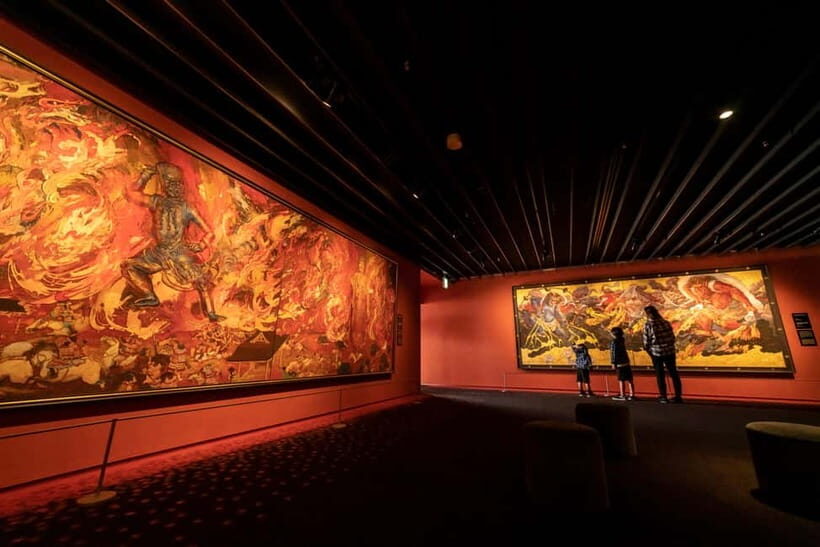
Inside the museum, the exhibition hall is split into two clear zones. There’s a blue area meant to evoke the blueness of Italy skies—connected to Koji Kinutani’s study abroad. Then there’s a red area focused on the spirit of traditional Japan, built with red walls and lattice-style designs.
This isn’t just decoration. It changes how you feel while you look. In the blue zone, you’re guided toward a calmer, airy mood. In the red zone, the visual language gets warmer and more structured, with patterns that feel like you’re stepping into Japanese interior design. If you’re the type who can get tired in long museums, this split helps you keep your interest because each room has its own emotional temperature.
You’ll also see rotating special exhibitions. Twice a year, the museum presents new themes, and works related to those concepts are displayed throughout the hall. On top of that, you can find the museum’s frescos—vivid mural paintings that are often described as roots of Kinutani’s art. Even if you only spend a short time here, these large mural-style works give you a stronger sense of where the visuals come from, before the modern 3D and VR versions.
Tenku Gallery Photo Time and the Yodogawa River View
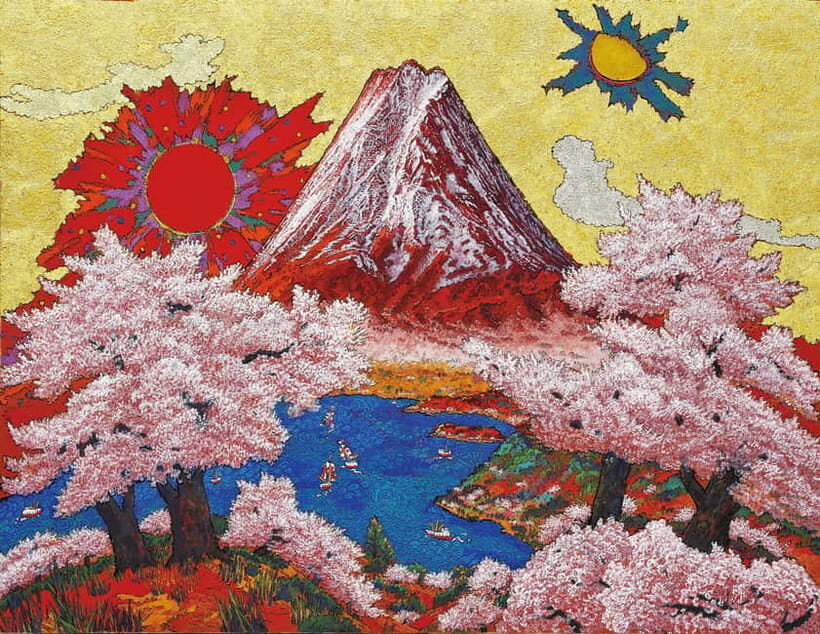
One practical reason I like the Tenku Gallery: it’s designed for photos. You can take pictures there, and it’s a built-in “pause and remember” stop, not just a place you might accidentally skip.
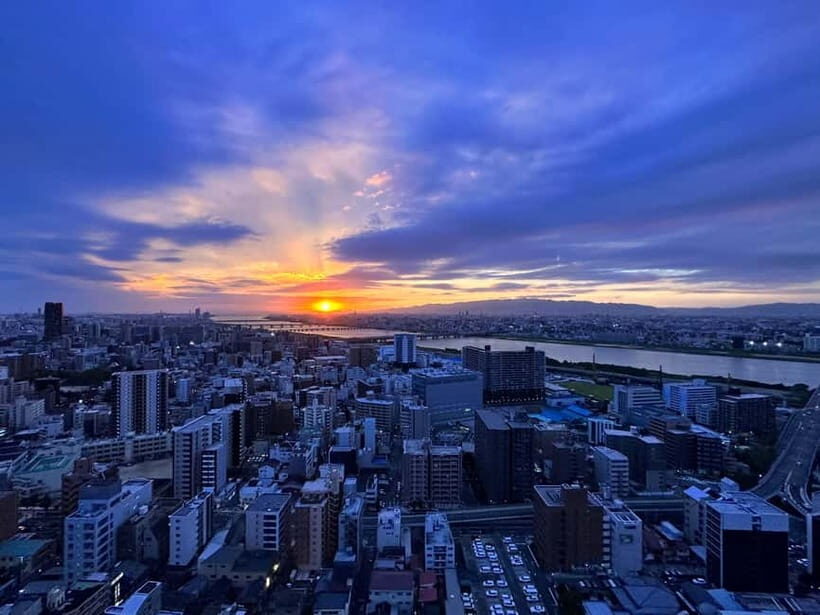
This gallery also works as a visual breather. It’s described as a scenic, out-of-the-way spot where you can look down on the Yodogawa River flowing through Osaka’s cityscape. That matters because a museum like this is packed with visual stimulation. A bit of open sightline over the river helps you reset before the VR and hands-on areas.
Another small benefit: Tenku Gallery feels like a natural transition between indoor art viewing and the museum’s tech-heavy moments. You’re not rushing through. You’re stepping into a different kind of seeing—less about screen effects and more about looking at the city from above.
VR with Koji Kinutani: Getting Closer to the Artist
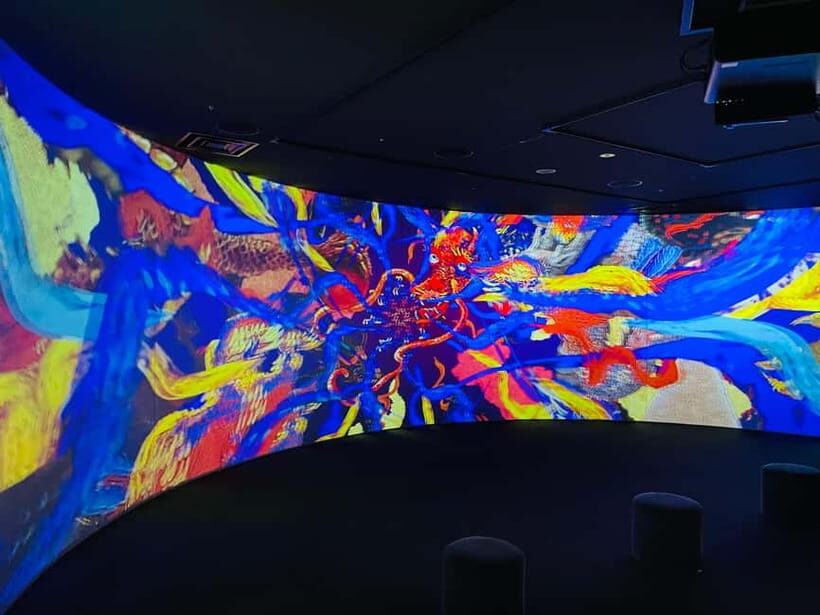
The museum doesn’t stop at the giant 3D screen. It adds a powerful VR experience that’s specifically aimed at getting you closer to Koji Kinutani as a person, not only as an artist name on a ticket.
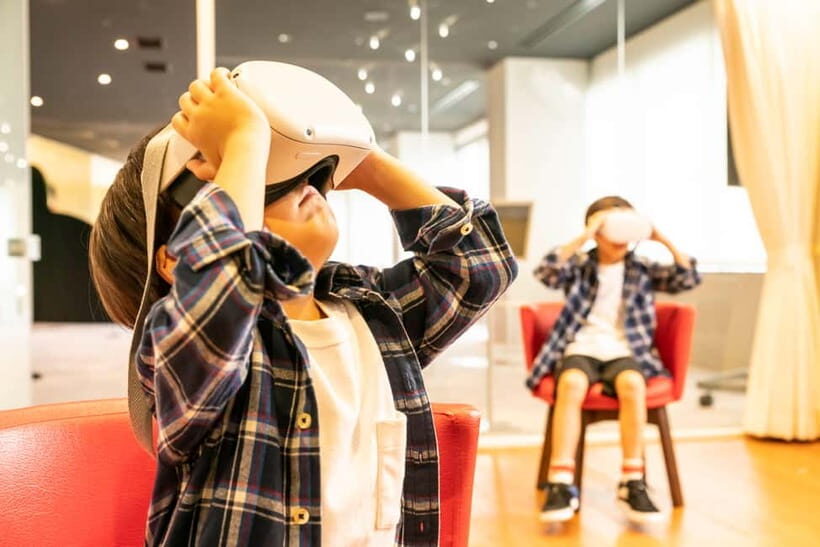
The VR program includes a tour of the museum by Koji Kinutani himself, plus a rare talk in his Tokyo studio that is normally closed to visitors. That’s a big deal for anyone who likes context. A lot of art experiences are one-way: you look, you move on. Here, the artist’s voice and presence are built into the program, which changes the way you interpret the visuals you saw earlier.
What to expect in the real world: VR can feel intense, so I’d treat it as a “main event” in your visit plan. If you’re sensitive to motion, you may want to pace yourself, because the whole point is to make the art feel immediate and close. Still, even if you’re not a VR fan, the fact that the content includes an artist-led tour means it’s not just a generic tech show.
Workshops, Frescos, and Programs for All Ages
If you want the experience to go beyond watching, the museum has programs. You’ll find options for different ages, including hands-on fresco (mural) painting and painting classes with lectures by Koji Kinutani himself.
Important detail: workshops require reservations. Also, workshop materials are not included in the ticket. So if you’re planning to do something hands-on, budget extra time and be ready to pay for materials directly.
Even if you don’t take a workshop, the existence of these classes shapes the rest of the visit. You can see the museum as teaching you how to look. The fresco element especially helps connect the dots between traditional painting roots and the later 3D, color, and composition you experience on the screen.
If you’re visiting with kids, this kind of active option is a lifesaver. A museum can otherwise feel long for younger attention spans. Here, there’s at least a chance to switch from passive viewing to making something for yourself.
You can also read our reviews of more museum experiences in Osaka
Tenku Café and the Museum Shop: Plan a Break and Take Home Art
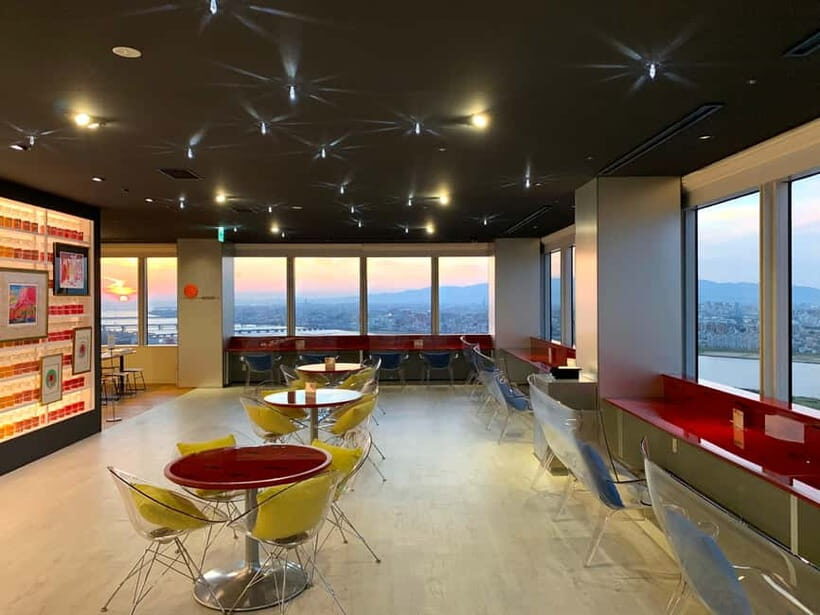
You’ll have a place to recharge at the Tenku cafe. It’s described as having a rich, colorful artistic atmosphere. There’s also a neat detail: the rows of colorful pigment bottles used in alfresco-style painting are referenced as part of the cafe setting, so it feels like a continuation of the art-world theme rather than a bland pit stop.
The cafe also gives you a relaxing moment after the heavy visual moments. It’s a good time to sit, look at the view, and let the art sink in. Just remember: food and drinks aren’t allowed inside the museum spaces, so the cafe is where you’ll want to handle snacks and drinks.
Don’t skip the shop either. The museum shop is described as well stocked with goods featuring motifs from the works, plus original postcards and more. That makes it easy to buy something that feels tied to the art you just saw, rather than a random souvenir. If you like giving gifts that match the trip’s theme, this is a straightforward win.
Combo Ticket Value: Add the Floating Garden Observatory
If you’re doing more than one “wow” moment in Osaka, consider the Combo ticket. The combo combines admission to the museum with admission to the Floating Garden Observatory at the Umeda Sky Building.
This is not a small add-on. The observatory is 170 meters above ground, and it includes an open-air skywalk. You get a dynamic 360-degree view of Osaka, and it’s described as spectacular both day and night. The skywalk component is key because it feels more exposed than many indoor observatories.
Value-wise, the combo makes sense if your Osaka day plan already includes Umeda. You’re basically bundling two major attractions inside the same complex area, saving time and making your visit flow better. If you only care about the museum and you already have another rooftop plan, the basic museum ticket may be the cleaner choice.
Also note: it’s only included when you select the Floating Garden Observatory combo option.
Price and Logistics: Is This Worth $8?
At about $8 per person for the museum entry, the pricing is fairly easy to justify—especially because this isn’t a standard “walk through paintings” museum. You’re paying for a package experience: large-scale 3D screen artwork, themed exhibition zones, and a VR program that includes an artist-led element.
That’s what creates the value. You get multiple “modes” of seeing:
- looking at staged exhibitions (blue/red zones and frescos),
- reacting to big-screen 3D projections,
- and then switching to VR for a closer-to-the-artist context.
If you’re someone who enjoys multimedia art, you’ll likely feel like the ticket is doing real work. If you’re more interested in silent, classical gallery experiences, you might feel the money is purchasing effects more than paintings. But even then, the frescos and the themed rooms add a traditional backbone.
For logistics, you’ll exchange your ticket voucher at the museum reception desk. In practical terms, that means you want to arrive with enough buffer to handle that quickly, especially if you’re also planning to hit the Umeda Sky Building observatory.
Who This Is Best For (and Who Might Want Another Plan)
This museum fits best if you like any mix of these:
- art plus sound and technology,
- visual effects that change how you interpret color and composition,
- a museum visit that feels structured like a themed experience,
- and families who want a mix of viewing and hands-on options.
It’s also a strong choice if you want the Osaka skyline as part of the same day. With the combo ticket, you can transition from art-world visuals to city-world views without changing the whole rhythm of your day.
On the other hand, if you prefer museums where the main action is slow walking, quiet reading, and minimal tech, you may find the attention is too split between projections, screens, and VR. In that case, you can still enjoy it, but I’d plan it as a highlight stop, not a full-day replacement for quieter cultural museums.
Practical Tips to Make Your Visit Smooth
First, check the schedule. The museum’s hours vary by day:
- Mondays, Wednesdays, Thursdays, Sundays: 10:00–18:00
- Fridays, Saturdays, and the day before national holidays: 10:00–20:00
Admission closes 30 minutes before the listed closing time.
It’s closed on Tuesdays, with a noted exception: if Tuesday is a national holiday, it’s open on Tuesday and closed on the following weekday. It’s also closed December 30–January 3, and during exhibition change periods.
A couple more must-know items:
- Food and drinks are not allowed in the museum.
- Pets are not allowed (assistance dogs are allowed).
- Elementary students and younger have free admission.
- Student tickets are available for junior high, high school, and university students, but you need to present your student ID.
Finally, keep special dates in mind. The museum notes that both tickets (museum and combo with observatory) aren’t valid on special business days like Yodogawa Fireworks Festival days. If you’re visiting around a major event, double-check before you rely on the planned itinerary.
Should You Book This Osaka Ticket?
Yes, you should book it if you want a museum that feels like an experience, not a chore: the giant 3D round-screen art, themed blue and red galleries, and the VR program with Koji Kinutani are the kind of mix that can make one Osaka day feel memorable.
I’d skip or rethink if you’re traveling with limited patience for screens and VR, or if you only want traditional museum quiet. Also, if you’re aiming to do a workshop, factor in reservations and the fact that materials aren’t included.
If you’re on the fence, consider this simple decision rule: if you’re excited by the idea of art that uses technology to bring color and form forward, the ticket is a strong value at around $8. If not, you may still enjoy it, but you’ll likely prefer a different kind of Osaka museum day.
FAQ
How long is the ticket valid?
The admission ticket is valid for one day, so you’ll want to plan to use it during a single visit day.
What’s included with the Koji Kinutani Tenku Art Museum ticket?
The included admission covers entry to the Koji Kinutani Tenku Art Museum.
Is the Floating Garden Observatory included in the same ticket?
It is only included if you select the combo ticket that includes admission to both the museum and the Floating Garden Observatory.
Where do I exchange my ticket voucher?
You exchange the ticket voucher at the museum reception desk.
What are the museum opening hours?
The museum hours vary by day:
- Mon/Wed/Thu/Sun: 10:00–18:00
- Fri/Sat and the day before national holidays: 10:00–20:00
Admission is until 30 minutes before closing.
Is the Tenku Gallery good for photos?
Yes. The Tenku Gallery is a place where you can take photos for commemorative pictures.
Are food and drinks allowed inside the museum?
No. Food and drinks are not allowed.
Is there a free admission option for kids?
Yes. Admission is free for elementary school students and younger.
Are workshops and workshop materials included?
Programs like hands-on fresco painting and classes exist, but workshop participation requires reservations, and workshop materials are not included.