REVIEW · OSAKA
Have Fun in KANSAI Pass (1 Week Free Pass)
Book on GetYourGuide →Operated by GlobalTix JP · Bookable on GetYourGuide
A one-pass week in Kansai is tempting. The Kansai Pass 1 Week Free Pass is built for independent travel across Osaka, Kyoto, and Kobe, with access to major sights like Osaka Castle, Kinkaku-ji, and Fushimi Inari, plus nature days at Mount Yoshino and Mount Koya. The idea is simple: move around freely and trade ticket headaches for a pre-arranged pass.
What I like most is the flexibility. You can use the pass at your own pace and aim your days at the places you actually care about, whether that’s temple time in Kyoto or food time in Kobe. I also like that the pass is described as including unlimited travel on trains, buses, and ferries across Kansai, so you’re not constantly recalculating fares.
One drawback to keep in mind: this is not a do-everything-for-you magic ticket. Each participating venue can be used only once, some activities may require reservations, and using the voucher correctly can take a bit of checking before you count on specific entry days.
In This Review
- Key Things Worth Knowing Before You Go
- Price and Value: What You’re Really Paying For
- How the Pass Works: Redemption, Timing, and the One-Time Rule
- Your Week in Kansai: A Flexible Plan That Actually Makes Sense
- Osaka Castle Day: Big-Sight Time Without Ticket Stress
- Kyoto Icons: Kinkaku-ji and Fushimi Inari Without Overplanning
- Kobe Food Day: Use the Pass for City Energy and Snacks
- Mount Yoshino for Cherry Blossoms: Spring Magic with a Realistic Plan
- Mount Koya: Trails, Ancient Temples, and UNESCO-Grade Atmosphere
- The Coupon Bonus from 5/6: Small Discounts That Add Up
- Extra Date-Specific Add-Ons: Nara Ticket and Sky Museum
- Transport Coverage: The Part to Confirm Before You Rely on It
- Who This Pass Fits Best (And Who Should Skip It)
- Should You Book the Kansai Pass 1 Week Free Pass?
- FAQ
- How much does the Kansai Pass 1 Week Free Pass cost?
- What destinations does the pass cover?
- Is it valid for one day or a week?
- How many venues can I use with the pass?
- Where do I redeem the voucher?
- Do I need reservations for any activities?
- Can I get a refund?
Key Things Worth Knowing Before You Go
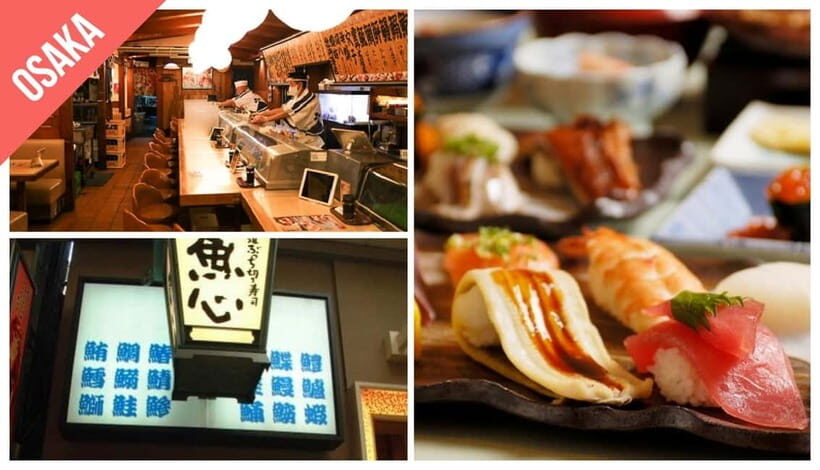
- 3 or 6 venue entries within 7 days: You’re choosing how to maximize value based on how many stops you want.
- Major anchors plus day trips: Osaka Castle, Kinkaku-ji, Fushimi Inari, Mount Yoshino, and Mount Koya fit naturally into a week.
- Unlimited rides promise: The pass includes trains, buses, and ferries across Kansai, but you should verify it matches your exact routes.
- Redemption happens at the locations: The meeting point is basically: go straight to the attractions and facilities to redeem.
- Some add-ons require reservations: Tsuki To Suppon and Diving Shop KUROCHAN are specifically noted as reservation-needed.
- Coupons can add extra value in early May: Starting 5/6 there are ¥1000 discount coupons at 13 stores, plus specific restaurant and rental perks.
Price and Value: What You’re Really Paying For

At $29 per person, the Kansai Pass is priced like a budget-friendly “you move, it covers things” product. The real question is value: will you use enough of it to justify skipping individual tickets?
Here’s the value logic I use when deciding on passes like this:
- If you’re planning a week that includes several “paid-ish” stops plus transportation between Osaka, Kyoto, and Kobe, the odds are better you’ll feel the savings.
- If you mostly want free areas (or you’ll only manage one or two booked entries), then the pass can become less satisfying fast. The pass includes access to 3 or 6 participating venues, and your totals are capped by how many venues you actually use within the allowed time window.
Also, don’t forget the “silent cost” of any pass: time spent planning and double-checking. The pass says it reduces language and ticket friction, but you still need to make sure the venue rules match your schedule—especially because each facility can only be used once and re-entry isn’t allowed.
If you’re the kind of traveler who likes to wing a bit, this can still work. Just do a quick scan of participating facilities and their business hours/holidays first, so you don’t waste one of your limited uses.
You can also read our reviews of more tours and experiences in Osaka.


How the Pass Works: Redemption, Timing, and the One-Time Rule
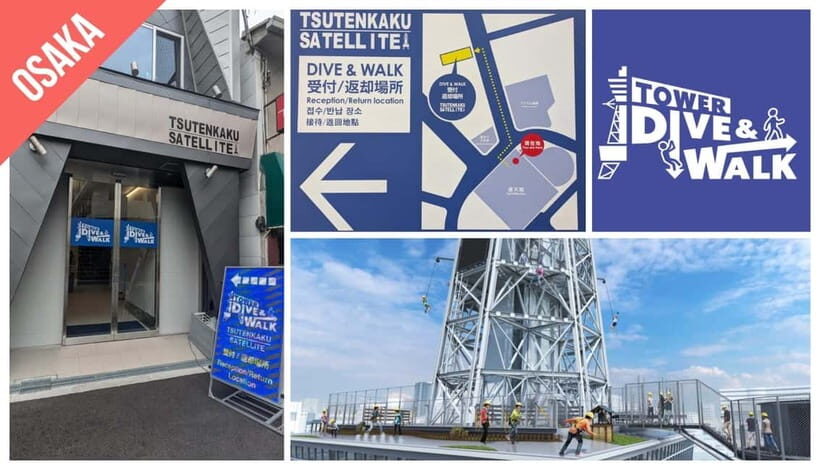
This pass is issued by GlobalTix JP, and the biggest operational detail is how you actually use it.
- You redeem directly at attractions, restaurants, and facilities in Osaka, Kyoto, and Kobe. There isn’t a central pickup-style meeting where someone hands you a magic card and you’re done.
- The pass is described as valid 1 day (you check availability to see starting times), while venue access is within 7 days. In plain terms: you buy with a start day, then you have a week to spend your venue entries.
- Each facility can only be used once, and re-entry is not allowed. That changes how you should behave in each location. If you’re thinking you might come back later the same day, this pass isn’t designed for that.
Practical tip: before your trip day, screenshot or save the list of participating venues you’re interested in, and confirm the hours for the day you plan to go. The pass guidance explicitly says to check business hours and holidays in advance using their filter page:
https://www.travelcontentsapp.com/Filter/have-fun-in-kansai-1-week-free-pass/en
The small effort up front can save you from the most common pass problem: showing up at the right place on the wrong day—or spending your limited entry on a venue that ends up being closed when you arrive.
Your Week in Kansai: A Flexible Plan That Actually Makes Sense
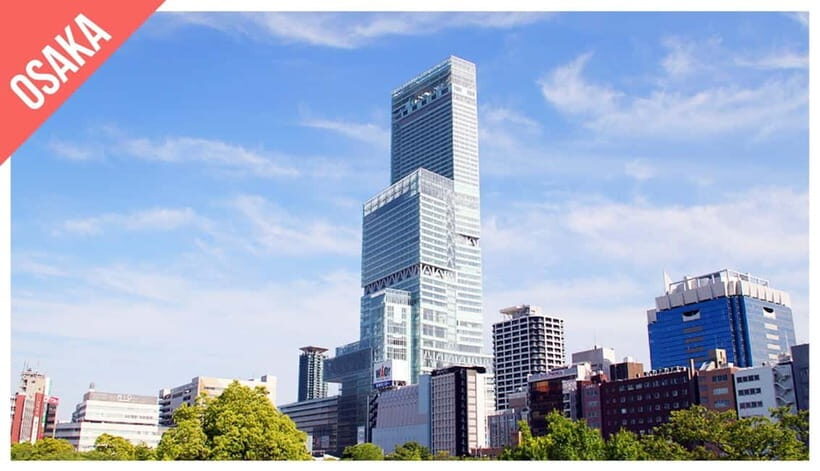
The pass is built for independent travel, which means you’re not locked into a rigid schedule. The smart move is to design your week around geography and timing.
Think in zones:
- Osaka: Your “big city” base for iconic sights and fast connections.
- Kyoto: Temple-heavy days with flexible pacing and classic landmarks like Kinkaku-ji and Fushimi Inari Taisha.
- Kobe: A compact city day you can pair with food-focused exploring.
- Nature day trips: Mount Yoshino for spring cherry blossoms and Mount Koya for UNESCO-world-heritage-area trails and ancient temple atmosphere.
The reason this structure works is simple: Kansai distances are manageable, but hopping everywhere without a plan burns time. With the pass, transport is supposed to be easy, so use that advantage to group nearby things and avoid unnecessary back-and-forth.
Osaka Castle Day: Big-Sight Time Without Ticket Stress

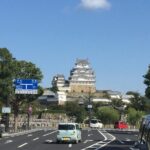
Osaka is a strong anchor city for this pass, because it gives you a major “headline” attraction right at the start: Osaka Castle, described as a 16th-century symbol of strength and beauty.
What you’ll get from using your pass here:
- A clear first win. It’s easy to feel like you got value when you start with a landmark this famous.
- Less decision fatigue. Even if you change your Kyoto plan later, Osaka Castle can stay fixed as your dependable cornerstone.
The one consideration: if you’re doing Osaka Castle plus a lot of other stops on the same day, don’t overpack your schedule. Famous sights draw crowds, and the pass doesn’t change that reality. Give yourself buffer time for transit and walking.
Kyoto Icons: Kinkaku-ji and Fushimi Inari Without Overplanning
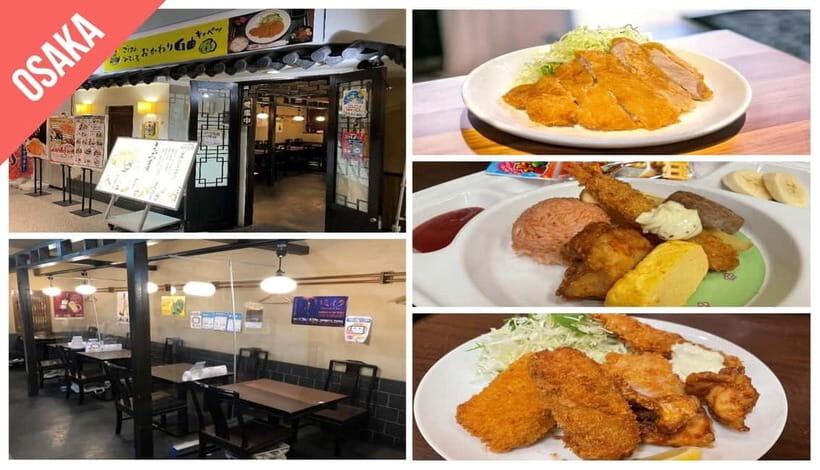
Kyoto is where this pass really earns its keep, at least on paper. It points to two signature stops:
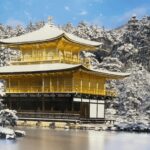
- Kinkaku-ji (Golden Pavilion): a must-see temple experience.
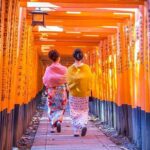
- Fushimi Inari Taisha Shrine: the iconic shrine complex associated with thousands of torii gates.
Why I like this pairing for pass users:
- They let you split your Kyoto day into two moods. One is focused on the temple setting; the other is more of a walking-and-exploring experience.
- You can adjust pacing easily. If you want a slower Kyoto day, you can spend longer on the shrine approach areas and let the day unfold.
The drawback to plan around is simple: Kyoto timing matters. Temple and shrine visits are very schedule-and-traffic dependent. The pass doesn’t remove that. So choose your approach with care: build in time so you’re not rushing just to fit in your remaining limited venue entry count.





Kobe Food Day: Use the Pass for City Energy and Snacks
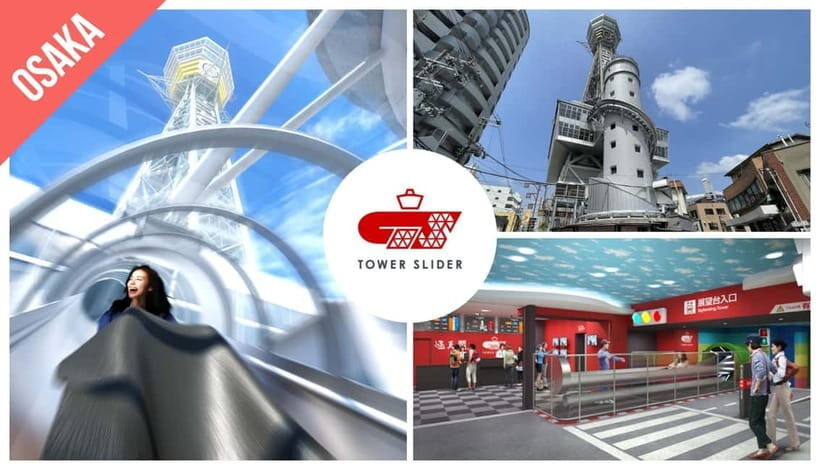
Kobe is included as a destination focus in the pass highlights, known for delicious food and lively streets.
If you like self-guided travel, Kobe is a great place to cash in your “no ticket hunting” advantage. You can use the day for:
- trying local food,
- walking neighborhoods at your own pace,
- and turning the pass into time savings rather than just entry credits.
What to watch: Kobe is compact, but it can still be tempting to overcommit. If you’ve already spent your limited venue entries on Osaka and Kyoto, you might still want to count Kobe as a normal exploration day—use your transit coverage to move efficiently even if you’re not using a venue entry every hour.
Mount Yoshino for Cherry Blossoms: Spring Magic with a Realistic Plan
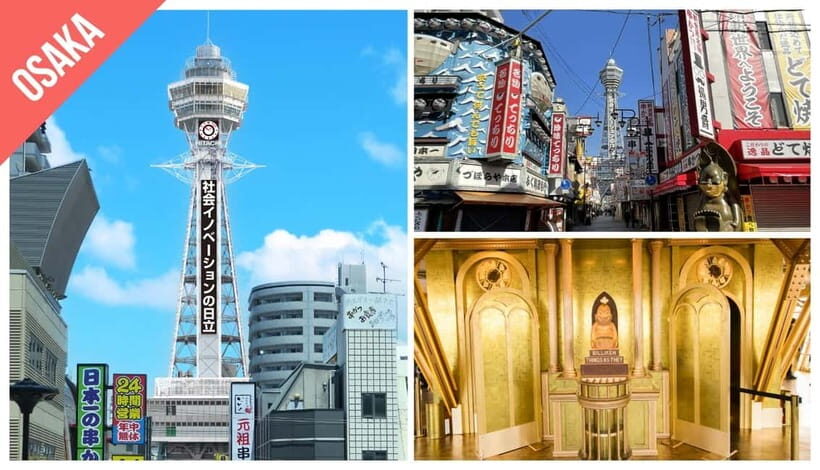
Mount Yoshino is specifically highlighted for cherry blossoms in spring. That’s a very seasonal reason to use the pass.
If you’re traveling during cherry blossom season, this day trip can be a big emotional payoff. But it also needs respect:
- Seasonal crowds can make travel time longer than expected.
- You’ll want to keep your plan simple and avoid stacking too many other “must-sees” on the same day.
This is where a pass helps: transport is part of the package description (trains, buses, ferries), so you can focus on enjoying the scenery rather than spreadsheeting fares. Still, keep your expectations realistic and allow extra buffer.
Mount Koya: Trails, Ancient Temples, and UNESCO-Grade Atmosphere

Mount Koya is another highlight, with the pass pointing you toward nature trails and ancient temples, plus its status as a UNESCO World Heritage area.
This is the kind of day that rewards a calmer pace. Instead of treating it like a quick checklist stop, consider it as a “slow day” where you let the walking and temple ambience do the work.
The only caution is logistical realism:
- If you’re the type who wants a jam-packed schedule, Mount Koya may feel like it asks for time you didn’t plan to spend.
- If you’re traveling outside peak seasons, you might find fewer “event vibes,” but the trail and temple atmosphere can still be rewarding.
Use the pass here if you want contrast: city landmarks one day, a temple-and-trail day the next.
The Coupon Bonus from 5/6: Small Discounts That Add Up
One of the most practical extras starts from 5/6. You can get ¥1000 discount coupons at 13 stores including:
- Butcher Gyuhya Shinsaibashi
- Showa Horumon
- HAYA
- KODAWARI-TEI
The notes add more useful specifics:
- Tsuki To Suppon and Diving Shop KUROCHAN require reservations.
- There’s an Ikaruga-cho E-BIKE rental for 2 hours at ¥3000.
- There’s a lunch discount at Traditional House Restaurant Felice Piccione.
This matters because coupons can turn a good pass into a clearly better deal. If your trip lines up with early May, you can plan at least one meal or activity around these partner stores, so the pass creates savings beyond venue entries.
If your dates don’t line up with 5/6, don’t worry. It doesn’t remove the pass value, but it does remove a nice bonus layer.
Extra Date-Specific Add-Ons: Nara Ticket and Sky Museum
The pass also lists two date-based extras:
- From 5/7: access to the Nara Four Temples Tour Ticket.
- From 5/8: visit Kuniyasu Koji Sky Museum with an admission ticket.
If your schedule matches those dates, it’s worth building your week around them. Those added items can help you reach the “I used enough of the pass” feeling faster.
If your schedule doesn’t align, the core value is still the venue entries plus the transit coverage described in the highlights.
Transport Coverage: The Part to Confirm Before You Rely on It
The pass highlights unlimited travel on trains, buses, and ferries across Kansai. That sounds like a dream for moving between Osaka, Kyoto, Kobe, and day trips.
Here’s the practical way to use that advantage without regret:
- Plan your route like you’re covered broadly, but be ready to adjust if a specific line or ride doesn’t work the way you expected.
- If you’re unsure, test with a short ride early in your week so you discover the real-world rules before you commit to a long day trip.
One subtle but important point: the pass is described in broad terms, but you still need to match it to actual services and stations you plan to use. The pass can’t help you if your route choices don’t fit the system that’s included.
Who This Pass Fits Best (And Who Should Skip It)
This is a good fit if you:
- want an easy, self-guided week in Osaka + Kyoto + Kobe,
- like mixing famous landmarks with at least one nature day (Mount Yoshino or Mount Koya),
- can do a bit of planning so your limited venue entries land on days when places are actually open.
It’s a weaker fit if you:
- hate checking rules and venue availability,
- want to use the same venue multiple times in one trip,
- prefer a fully guided “everything handled” style.
Also consider how many venue entries you realistically will use. The pass can be worth it for 3 entries if you choose smart priorities, but 6 entries only makes sense if your plan truly hits multiple participating venues.
Should You Book the Kansai Pass 1 Week Free Pass?
I’d book this pass if your trip matches its strengths: a week in Kansai with multiple landmark stops, plus at least one temple-focused day in Kyoto and one nature day like Mount Yoshino or Mount Koya. The price is low enough that even a “mostly works” week can still feel like a win, especially when you pair it with the early May coupon perks like the ¥1000 discounts from 5/6.
I’d skip it, or at least reconsider, if you’re uncomfortable with planning details, because the rules include one-time use per facility and some activities may need reservations. This pass rewards travelers who do a little homework and then enjoy the ride.
If you’re in the first group, it can turn Kansai into a smoother, less ticket-stress trip. If you’re in the second group, you might prefer buying individual tickets you know will fit your exact schedule.
FAQ
How much does the Kansai Pass 1 Week Free Pass cost?
The price is listed as $29 per person.
What destinations does the pass cover?
The pass is for Osaka, Kyoto, and Kobe in the Kansai region, with highlights also including Mount Yoshino and Mount Koya.
Is it valid for one day or a week?
The activity notes say valid 1 day (with starting times based on availability), while the included access to participating venues is within 7 days. In practice, you plan around a start day plus venue use during the following week.
How many venues can I use with the pass?
You get access to 3 or 6 participating venues within the 7-day window.
Where do I redeem the voucher?
The meeting point instruction says to proceed directly to attractions, restaurants, and facilities in Osaka, Kyoto, and Kobe to redeem.
Do I need reservations for any activities?
Some specific options are noted as reservation-required, including Tsuki To Suppon and Diving Shop KUROCHAN.
Can I get a refund?
It offers free cancellation up to 24 hours in advance for a full refund, but cancellations are not permitted if the pass has already been redeemed or has expired.