REVIEW · OSAKA
Nara Day Trip from Osaka with a Licensed Guide
Book on Viator →Operated by MY Travel Consulting · Bookable on Viator
Nara has a special kind of calm. This 8-hour Nara day trip from Osaka mixes big-name temples, Shinto splendor, and that iconic free-roaming deer scene, with a National Licensed English-speaking guide to help everything make sense. Hotel pickup and guided transit mean you spend less time figuring out trains and more time actually looking at the sights.
I love the way a licensed interpreter guide turns the day from sightseeing into context. Guides like Aki and Mark are specifically mentioned for being patient, positive, and full of fun facts, which matters when you’re standing in front of centuries-old structures. And I love the practical fun at Nara Park, where you can buy crackers and feed the deer without guessing how it works.
One consideration: this is a long day with a fair amount of walking, and Nara Park is huge (660 hectares). On hot or crowded days, you’ll want to pace yourself, use breaks, and bring water—especially since the tour assumes only moderate physical fitness.
In This Review
- Key things to know before you go
- Nara feels different from Kyoto and Tokyo
- The real value: a licensed guide doing the explaining
- Price and what’s included (and what isn’t)
- Stop 1: Meeting by Osaka Station and training into Nara
- Stop 2: Nara Park and the deer-cracker tradition
- Stop 3: Todai-ji Nandai Gate (that huge gate feeling)
- Stop 4: Todai-ji Temple and why it mattered from 752
- Stop 5: Kasuga Grand Shrine for a classic Shinto pause
- Stop 6: Isuien Garden and the borrowed scenery view
- Timing, pacing, and how to handle a long day
- Who this Nara day trip is best for
- How far ahead should you book?
- Quick checklist before you go
- Should you book this Nara day trip from Osaka?
- FAQ
- Is hotel pickup included on this Nara day trip?
- How long is the Nara day trip from Osaka?
- Which temple or attraction admissions are included?
- Is lunch included?
- Can the tour accommodate dietary restrictions?
- What is the cancellation policy?
Key things to know before you go
- Licensed guide with hotel pickup: you meet your guide in Osaka and move as a group using public transportation.
- Nara Park deer moment: you can buy crackers and safely join the deer-feeding tradition.
- Todai-ji highlights, fast and focused: you’ll see the towering Nandai Gate and then spend time at Todai-ji itself.
- Kasuga Grand Shrine Shinto mood: a slower shrine stop that feels very local.
- Isuien Garden’s borrowed scenery: you’ll get the reason the views work so well.
- Private group format: it’s just your group, so the pace stays in your control.
Nara feels different from Kyoto and Tokyo
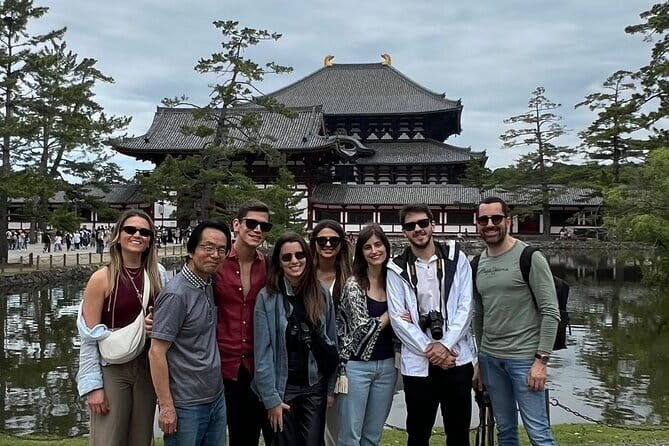
Nara is often treated like a side trip, but it shouldn’t be. It has its own rhythm: older-feeling streets, classic temple density, and that open-air park space where history and daily life blend. If Kyoto can feel like temples stacked on temples and Tokyo can feel like nonstop city mode, Nara gives you something calmer and more direct.
This tour is built for that goal. You’re not trying to sprint through every corner of the city. Instead, you get a classic circuit: park + temple gate + major temple + shrine + garden. That structure helps you remember what you saw and why it matters.
You can also read our reviews of more guided tours in Osaka

The real value: a licensed guide doing the explaining
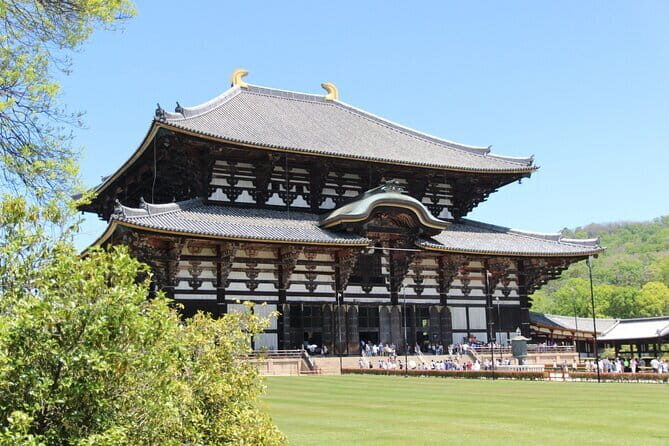
A day trip can be two things: either efficient, or meaningful. This one is trying to be both. The National Licensed Guide Interpreter feature is a big deal because the sights here aren’t self-explanatory. You’ll be looking at structures with specific roles—like the main Buddhist temple authority that Todai-ji held when it was built in 752—and a guide can translate the significance in plain language.
It also helps in real time. The reviews mention guides like Aki and Mark being kind, patient, and very knowledgeable in a way that makes groups comfortable, even when the weather is rough. On a hot day, a calm guide tone is not a small detail.
Price and what’s included (and what isn’t)
At $319 per person for about 8 hours, you’re paying for four things that add up fast:
- Hotel pickup and guided logistics inside Osaka
- Public transportation fees
- A National Licensed English-speaking guide
- Admission fees (for the stops where tickets apply)
Lunch is not included (you’ll need to budget roughly $10–20 per person). Personal expenses aren’t included either, and you’ll likely want snacks or drinks during a park day.
Is it worth it? If you’re the type of traveler who hates hunting down ticket rules, figuring out train transfers, and playing guess-the-entrance all day, then yes. You’re buying time and clarity. If you’re comfortable DIYing trains and you prefer to spend your day wandering with no structure, you may decide this is more guided than you need.
Stop 1: Meeting by Osaka Station and training into Nara

The day starts with you meeting your guide in Osaka—hotel pickup is offered—then heading to Osaka Station and taking the train to Nara. This is the kind of leg you can mess up if you’re traveling on your own: wrong platform, wrong ticket type, or just losing time to navigation.
The itinerary schedules this travel time as about 2 hours, with transportation handled as part of the tour plan. It also means you’re not arriving in Nara stressed or behind. You can settle in, grab water, and be ready when the sightseeing starts.
Practical tip: when you’re riding a train into a major sightseeing area, start thinking about your entrance times and bathroom breaks early. The later you wait, the harder it gets to find calm moments.
Stop 2: Nara Park and the deer-cracker tradition
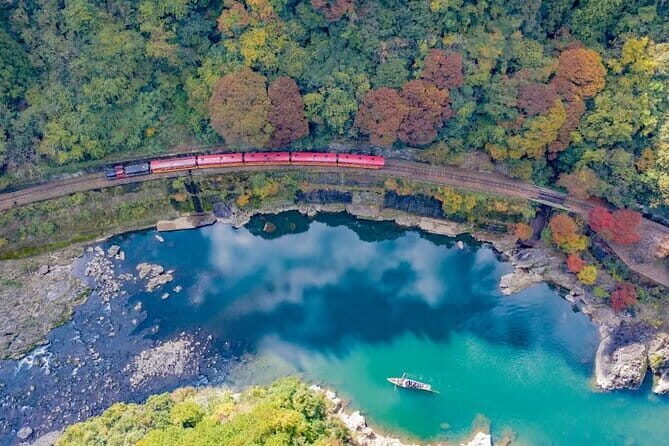
Nara Park is the heartbeat of the city’s visitor experience. The itinerary gives you about 1 hour here in a massive park area (660 hectares). The headline is the deer: free-roaming and famous worldwide.
What makes this stop work on a guided day is that you don’t have to figure out the flow. You can buy special crackers and feed the deer, which turns a photo-op into a cultural moment. It’s also a nice reset after transit because it’s open-air and simple: look around, notice the temple edges, and then join the deer moment when you’re ready.
What to watch for:
- Deer feeding can feel chaotic if you rush. Keep your movements slow and follow your guide’s cues.
- On hot days, standing around is tiring fast. Use the park’s open spaces to take short breaks.
Also, the itinerary notes the park’s admission ticket is free, which is a good detail when you’re thinking about value and budgeting.
You can also read our reviews of more tours and experiences in Osaka


Stop 3: Todai-ji Nandai Gate (that huge gate feeling)
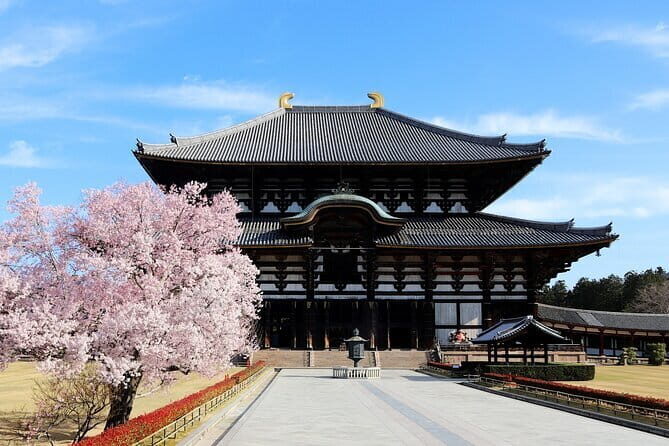
From Nara Park, you move into the Todai-ji area. The first target is the Nandai Gate, described as a 25-meter-high structure with guardian kings positioned on both sides in dark alcoves.
This is one of those stops that’s small on the calendar but big on impact. Even if you don’t know the historical details yet, your brain gets the scale instantly. It’s the kind of architecture that makes you stand there and go quiet.
The scheduled time here is about 30 minutes, and admission is listed as free. That’s handy because you’re not spending your precious paid-entry time on a single photo spot. You get the atmosphere first, then go deeper.
Stop 4: Todai-ji Temple and why it mattered from 752
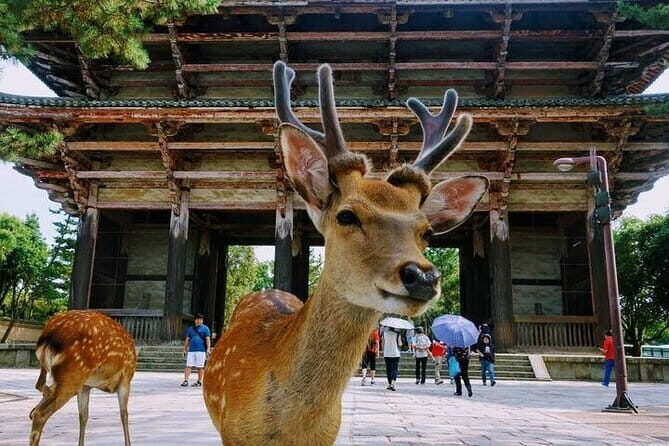
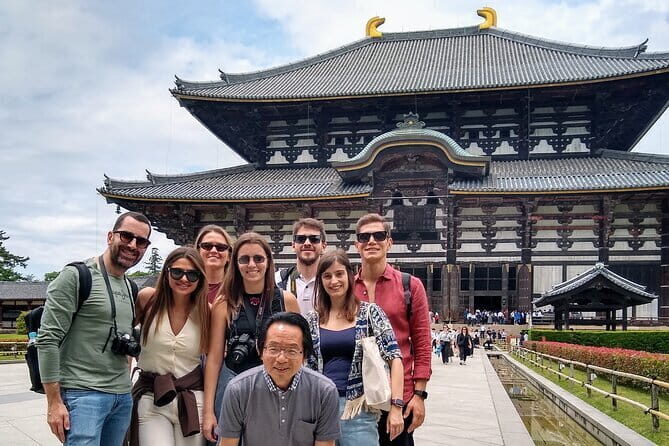
Next comes the main event: Todai-ji Temple. You get about 1 hour 30 minutes here, and admission is listed as included.
What you’ll learn as you walk is the reason this temple isn’t just famous—it’s historically important. The tour framing highlights that it was built in 752 and functioned as the head temple of all Buddhist temples in Japan. That kind of statement is exactly why a guide helps. Without context, you might just see a big temple complex. With context, you start noticing the role it played and how its prominence shaped religion and culture.
Time reality check: 1.5 hours is enough to see the major pieces and absorb the story, but it’s not enough for deep wandering at every corner. If you’re the type who loves reading every plaque for 45 minutes each, you may want to save that for a return trip or a longer Kyoto-style temple day.
Stop 5: Kasuga Grand Shrine for a classic Shinto pause
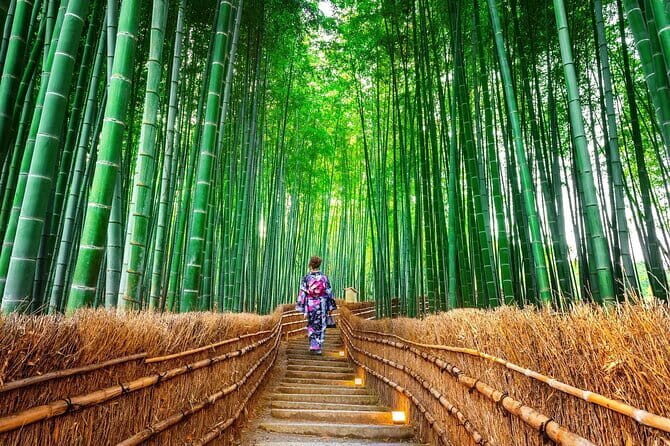
After the Buddhist focus, the tour shifts into Shinto territory with Kasuga Grand Shrine (Kasuga Taisha). You’ll spend about 2 hours here, and admission is included.
This shrine is described as one of the most sacred in Japan, with numerous gods enshrined. The best part of a shrine day like this is that it slows your pace naturally. Instead of rushing for the next landmark, you can watch your senses adjust: the soundscape, the lighting, the walking rhythm.
The tour structure also makes sense because it places Kasuga after Todai-ji. You get a strong “big temple” phase first, then a calmer, more contemplative phase second.
Practical tip: two hours sounds long, but it’s a good block for absorbing the setting and not feeling rushed. If it’s hot, that’s where you’ll appreciate having a guide to help you choose the best routes within the time.
Stop 6: Isuien Garden and the borrowed scenery view
The final stop is Isuien Garden, scheduled for about 30 minutes with admission included. Gardens can feel like filler on fast tours, but this one has a real teaching point: the garden is known for shakkei, or borrowed scenery—the way the surrounding landscape (including Mt. Wakakusa) becomes part of the view.
That’s exactly the kind of detail that turns “pretty plants” into “oh, I get why this was designed.” Even within a short time, learning the trick helps you notice the composition rather than just snapping pictures.
Because the time block is small, keep expectations realistic. This is a finish-line garden, not a multi-hour botany class. But it’s a smart ending: you leave with a quieter, more reflective last memory than you would from another temple gate.
Timing, pacing, and how to handle a long day
This tour runs about 8 hours, and the itinerary includes several distinct environments: trains, a huge park, major temple structures, a shrine, and a garden. That variety is great for keeping energy up—but it also means you should plan for the day to feel full.
A few tips that make the experience smoother:
- Wear shoes you trust. You’ll be on your feet across multiple stops.
- If you travel in warmer months, treat midday like a workout. Drink water and plan short rest moments.
- Your itinerary might change due to weather conditions or other reasons, which is normal for day tours. The value is that it’s still guided, so you’re not suddenly lost with nothing to do.
The group format is also important. It’s listed as a private tour/activity, meaning only your group participates. That tends to make pace and explanations feel more personal than a big mass-tour setting.
Who this Nara day trip is best for
You’ll probably love this tour if:
- You want a guided “classic Nara” circuit in one day
- You care about understanding what you’re seeing (not just collecting photos)
- You prefer not to wrestle with transport and entry logistics on your own
- You’re traveling with family and want a guide who can keep the day organized
It may be less ideal if:
- You’re hoping for lots of free wandering time with zero structure
- You love long temple-to-temple exploration where you linger for hours
- You don’t enjoy the deer scene and might find it distracting
The reviews you can find for similar trips tend to praise how the guides keep the mood upbeat even when conditions aren’t perfect. That’s a strong sign for families and multi-age groups.
How far ahead should you book?
The tour notes that it’s commonly booked about 93 days in advance on average. Nara day trips can fill up because Osaka is a major base and Nara is a top add-on stop. If your dates are fixed and you want the hotel pickup convenience, earlier booking gives you better odds.
Also, you’ll get a confirmation at booking time unless you book within 7 days of travel, in which case confirmation comes within 48 hours subject to availability. That’s a good heads-up if you’re last-minute planning.
Quick checklist before you go
A few small things make the biggest difference on a temple-and-park day:
- Water (and maybe a small snack for between stops since lunch isn’t included)
- Comfortable shoes
- A light layer for weather shifts
- If you’re feeding deer: follow your guide’s lead for how close to get and when to step back
If you have dietary needs, the tour says it can accommodate things like vegetarian, vegan, gluten-free, and more—just indicate it at booking. That won’t change the historic sites, but it helps you plan meals around them.
Should you book this Nara day trip from Osaka?
If you want the classic highlights—Nara Park deer, Todai-ji, Kasuga Grand Shrine, and Isuien Garden—without turning your day into a transport puzzle, I think this licensed-guide format is a strong choice. At $319, you’re paying for guided pacing and admission handling, not just for sightseeing.
Book it especially if:
- You like explanations and want the sites to connect in your head
- You’re visiting for the first time and want a well-built route
- You value hotel pickup and a smooth schedule
Skip it (or consider a lighter approach) if you hate structured itineraries or you want hours of unplanned wandering. Nara is great for that—but this tour is designed for a one-day “hits + context” experience, and it does that job well.
FAQ
Is hotel pickup included on this Nara day trip?
Yes. The tour includes hotel pickup in Osaka, and you’ll meet your guide before heading to the station and traveling to Nara.
How long is the Nara day trip from Osaka?
The duration is listed as about 8 hours.
Which temple or attraction admissions are included?
Admission fees are included for the stops where they’re listed as included, including Osaka Station (as part of the train portion), Todai-ji, Kasuga Grand Shrine, and Isuien Garden. Nara Park and Todai-ji Nandai Gate are listed as free in the itinerary.
Is lunch included?
No. Lunch is not included, and you should budget about $10–20 per person.
Can the tour accommodate dietary restrictions?
Yes. The tour notes it can accommodate dietary restrictions such as vegetarian, vegan, gluten-free, and others if you indicate your needs at booking.
What is the cancellation policy?
You can cancel for a full refund up to 24 hours in advance of the experience start time. If you cancel less than 24 hours before the start time, the amount you paid will not be refunded.