REVIEW · OSAKA
Urban Canvas: Osaka Street Art Bike Tour
Book on GetYourGuide →Operated by InKansai Ltd · Bookable on GetYourGuide
Osaka looks different when you pedal it. This street art bike tour turns Tenma, Juso, and Nakazaki-cho into a living gallery, with a guide who helps you notice details instead of just passing by walls. I especially like the chance to get local street-art context from a guide (examples like Ruben and Eric show up on these tours), and I like the mix of city grit plus planned breaks for coffee and food. One thing to consider: it is not built for every pace or body type, and it involves a long ride over uneven city streets.
What makes it work is how you move. You’ll cruise through neighborhoods most visitors miss, cross the mighty Yodo River into Juso, and end up in a hipper stretch around Nakazaki-cho where boutiques and galleries sit next to very normal everyday life. The vibe is intentional: urban architecture, train lines, rivers and bridges, and plenty of spots to stop and photograph art safely with a small group.
In This Review
- Key Highlights Worth Your Attention
- Why Tenma–Juso–Nakazaki-cho Makes Sense on Two Wheels
- Meeting Near Tenmabashi and Getting Rolling Smoothly
- Tenma First: Street Art, Grit, and Built-In Photo Time
- Crossing the Yodo River into Juso
- Coffee Breaks and Old-School Stopping Points in Juso
- Nakazaki-cho: Gallery Energy and the 100-Year-Old Pizza Slice
- The Street-Art Lesson: How the Guide Helps You See Better
- The Ride Reality: Distance, Timing, and What to Wear
- Price and Value at $87: What You’re Actually Paying For
- Should You Book This Urban Canvas Bike Tour?
- FAQ
- How long is the Urban Canvas: Osaka Street Art Bike Tour?
- What’s included in the price?
- Where do I meet for the tour?
- Is this tour good for kids?
- What should I bring?
- What happens if it rains?
Key Highlights Worth Your Attention
- Tenma, Juso, and Nakazaki-cho on a bike: less-seen Osaka districts without the hassle of navigating alone
- Street art explanations that make photos easier: you learn what you’re looking at before you shoot
- Yodo River crossing: a real change of scenery as you roll into Juso
- Coffee and bar moments in Juso: breaks that feel like the neighborhood, not a tourist pit stop
- A 100-year-old building for pizza: a practical, old-school meal that fits the tour’s theme
- Small group limits to 6: easier questions, calmer pacing, more time at each stop
Why Tenma–Juso–Nakazaki-cho Makes Sense on Two Wheels
Osaka street art is easiest to enjoy when you can slow down without getting stuck in traffic. On this tour, the bike does the heavy lifting: you cover real ground, but you also get the freedom to stop for photos and walk a few steps when the art is best seen up close. I like tours that don’t treat street art like a scavenger hunt. Here, the guide helps you read the walls, so the visuals stick longer after the ride.
You also get a neighborhood-to-neighborhood shift. Tenma starts with a grittier feel and lots of urban lines—fences, signage, bridges, train rails—so the street art feels like part of the city’s bloodstream. Then you roll across the Yodo River into Juso, which the tour frames as a center of Osaka’s street art scene with a nightlife/underground edge. Finally, Nakazaki-cho brings a different mood: more boutique shops and galleries, and more space to breathe between stops.
The one caution I’d flag is the physical side. This is a 270-minute ride, and the tour isn’t intended for mobility impairments or wheelchair users. Comfortable shoes matter, because you’ll be spending time on and off the bike.
You can also read our reviews of more cycling tours in Osaka
Meeting Near Tenmabashi and Getting Rolling Smoothly
Your starting point is simple: you meet about 10 minutes’ walk from Tenmabashi station on the Osaka Metro/Keihan Line. That’s convenient because you can arrive under your own steam, then focus on getting started. The tour includes your bike and helmet, plus water, so you don’t have to shop or pack gear.
You should plan around the full 270 minutes (about 4.5 hours). It’s enough time to explore multiple neighborhoods and still have room for pauses—coffee, photo stops, and the pizza break. With a small group (up to 6 people), the guide can keep things moving without leaving anyone behind, which matters a lot on a street-art route where small changes in street position can mean totally different artwork in your frame.
Bring what makes the ride feel safe and easy: comfortable clothes, comfortable shoes, and your camera. If you’re serious about photos, wear something you can move in; you may stop, reposition, and angle your shots more than you expect.
Tenma First: Street Art, Grit, and Built-In Photo Time
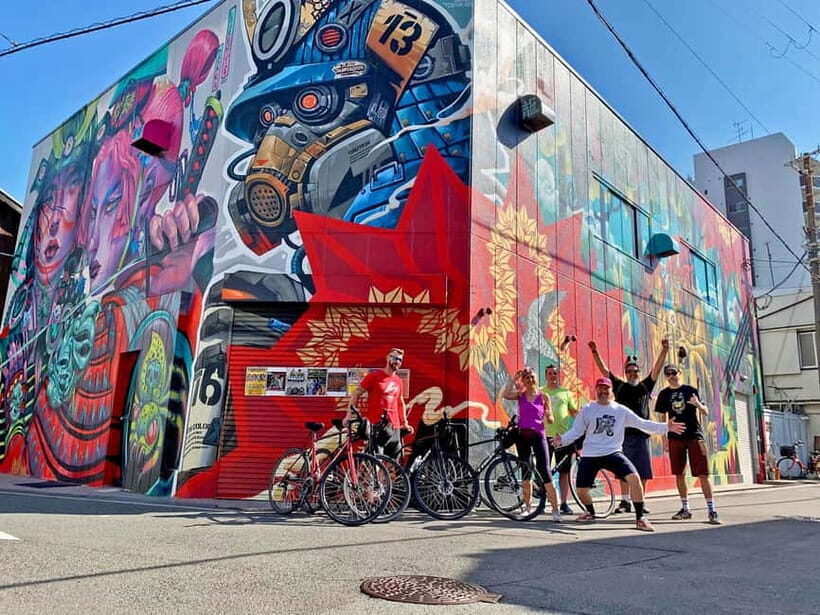
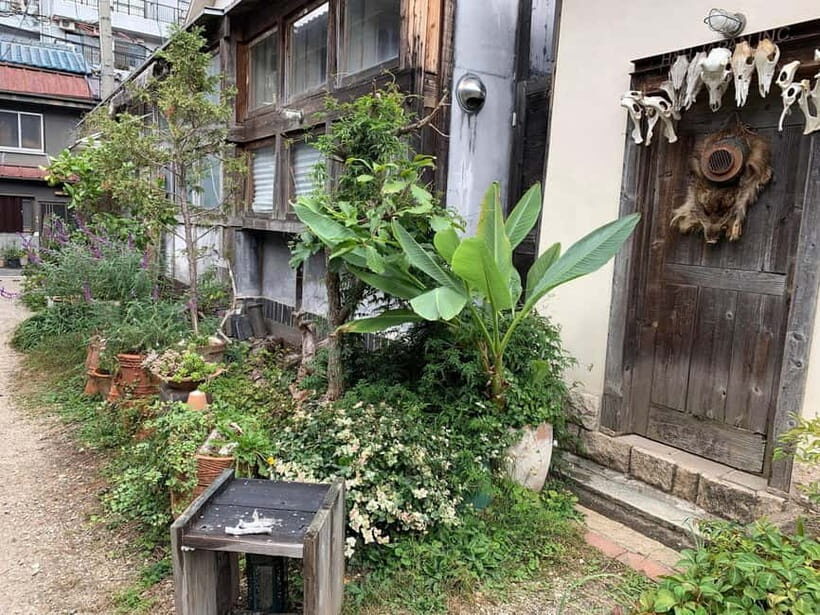
Tenma is where the tour sets its tone. This is the part that leans into Osaka’s less polished side—hip, gritty streets where street art feels earned, not imported. I like this opening because it gives you a baseline for the city’s visual language. Once you’ve seen a few walls, you start noticing patterns: how artists use blank space, how murals interact with nearby buildings, and how tags and posters work as part of the streetscape.
The tour also encourages you to slow down at the right moments. You’re not just riding past artwork at speed. You’ll get time to look, take photos, and ask questions—especially since the guide is there to explain what you’re seeing. In the small-group format, you can usually get follow-ups without making it awkward for the rest of the group.
A practical note: Tenma’s vibe can mean more visual clutter—signs, layers of graffiti, and dense street corners. That’s part of the fun, but it can also mean your best shots take a little patience. If you like photography, this first stretch is where you’ll practice finding clean angles before the route turns more dramatic.
Crossing the Yodo River into Juso
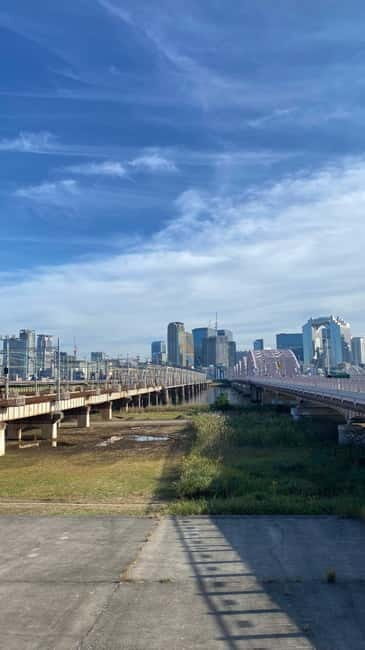
Then comes the turning point: you head over the Yodo River into Juso. Even if you’re not the type who cares about architecture tours, crossings like this give you a noticeable shift in the city’s rhythm. Bridges naturally change sightlines, and that’s useful when your goal is street art. You’ll go from tighter street visuals to wider urban composition—more skyline elements, more bridges and rails in the frame, and a different way the city stacks up.
Juso is presented as a major node for street art in Osaka, and the tour leans into that with more commentary and more “look closer” moments. You’ll also learn about the local underground life and street-art scene from the guide’s perspective, plus what a resident-type voice adds along the way. I like this because it avoids turning street art into a pop-museum. It stays connected to everyday Osaka life, including the after-dark energy you only see if you’re willing to ride a few neighborhoods beyond the usual checklist.
Drawback to consider: Juso is a neighborhood you’ll want to take seriously as you move through it. You’ll be on a bike through busy-feeling streets and along river-adjacent zones. The tour is designed for cycling, but it’s still city riding. If you’re nervous around traffic or tight corners, wear your helmet, stay alert, and keep your comfort level in check.
Coffee Breaks and Old-School Stopping Points in Juso
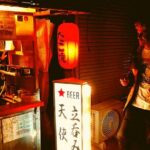
A lot of street-art tours forget the humans. This one includes break moments that match the neighborhood energy. In Juso, you’ll get time to grab specialty coffee and also pause at an old-school standing bar style location. The point isn’t the venue as a souvenir. It’s the reset. You cool off, you check your camera settings, and you talk with the guide while the city is still in your senses.
You’re also getting a human explanation layer. The guide commentary is a big part of why this tour feels more like a guided walk than just a moving photo stop. In particular, guides such as Ruben or Eric have a habit of taking time to answer questions about street art and even broader Osaka and Japan context. That makes the tour feel less scripted and more like you’re being shown how someone local thinks.
One small practical thing: coffee and bar stops aren’t listed as included in the formal inclusions (the included meal is the pizza slice). So if you’re budgeting tightly, treat café or bar purchases as on-the-spot extras unless the guide indicates otherwise.
You can also read our reviews of more tours and experiences in Osaka
Nakazaki-cho: Gallery Energy and the 100-Year-Old Pizza Slice
After Juso, the route shifts into Nakazaki-cho, described as a hipster enclave with boutiques and galleries. This is where street art starts to feel like it’s sharing space with design-minded shops rather than just street grit. If you’re the kind of person who likes variety, Nakazaki-cho is a satisfying change: you still see plenty of urban visuals, but the streets feel more curated without going full theme-park.
The food stop is the standout “you can actually eat” moment: a pizza slice served in a 100-year-old building. That combination is smart. Street art tours can turn into endless photos and no meals, or they turn meals into a random chain stop. Here, pizza is a simple, portable choice that keeps you fueled while you keep moving. Plus, the century-old building fits the tour’s theme: local Osaka textures over generic tourist comforts.
If you’re planning around taste, keep your expectations practical. This is a slice stop, not a full sit-down meal. You’ll get enough to feel good for the rest of the ride, but you shouldn’t assume it replaces dinner later that night.
The Street-Art Lesson: How the Guide Helps You See Better
The art is the headline. But the real value comes from how you learn to look. The tour’s format gives you short, focused guidance so you don’t just collect images—you understand why they’re there and how to read the different kinds of work you encounter. Guides on this route are described as passionate and question-friendly, with the confidence to explain both individual pieces and the broader street-art scene.
If you like your photos with meaning, this is a big plus. You’ll find yourself noticing small details sooner: repeated styles, how pieces respond to their surroundings, and how art communicates in a city that also runs on trains, bridges, rivers, and constant motion. That’s also why a small group helps. Fewer people means more chances to ask, and more time to stay at the right spot for a clear shot.
One consideration: if you’re the type who likes a printed recap, you might feel a little itchy after the tour if you don’t have something to keep the details. One helpful fix: take quick notes on your phone as you go, or snap a photo of any signboards the guide references so you can remember names and context later.
The Ride Reality: Distance, Timing, and What to Wear
This tour is built around cycling through city neighborhoods for 270 minutes. Distance isn’t listed in the main info, but people report around 23 km, which lines up with the idea of a serious ride without being extreme. Expect a pace that mixes riding with stops. The goal is safe movement plus enough time at each art cluster to actually see it.
The bike tour includes helmet, which is great, and it keeps things simpler for you. Still, choose clothing you can ride in comfortably, and wear shoes with grip. You’re in Japanese urban streets, where sidewalks can be uneven and curb cuts can appear where you don’t expect them.
Bring your camera, but also bring patience. Street art photography often means waiting for the right lighting or for foot traffic to thin out. With a guide, you’ll know where it’s safe to stop and how to position yourself.
Also, a heads-up on group dynamics. It’s limited to 6 participants, which is excellent for attention, but it also means you should speak up early if you need a slower pace. The structure is better when everyone communicates.
Price and Value at $87: What You’re Actually Paying For
At $87 per person, the main question is value: are you getting more than a bike ride? In my view, you are, because the price covers the parts that usually cost time and hassle on your own. You get the bike, helmet, a local English-speaking guide, water, and a pizza slice, plus the route management that puts you in the right streets at the right moments.
If you tried to do this on your own, you’d need to solve several problems: finding street art concentrations across multiple neighborhoods, knowing where to safely pause, and understanding the context well enough to make it stick. This tour handles the planning and adds the explanation layer so you don’t just stumble into walls—you learn what they mean.
Is $87 budget-light? It’s not the cheapest thing in Osaka. But when you factor in a half-day structure, a small group, guided commentary, and included food, it can feel like a good deal—especially if you’d otherwise spend money on entry-style attractions that don’t give you much learning.
Should You Book This Urban Canvas Bike Tour?
Book it if you want to see Osaka through the street-art lens, not through shopping corridors and landmark photos. This tour fits best when you like urban texture, you enjoy walking into gritty places with permission to slow down, and you value a guide who can answer questions. The bike format also makes it ideal for a half-day plan that still feels like an authentic neighborhood experience.
Skip it (or reconsider the date) if you’re not comfortable cycling for the full 270 minutes, or if you have mobility limits. It’s also not recommended for children under 13, and the activity notes it isn’t suitable for children under 10. For most adults who can handle city riding and standing breaks, it’s an excellent way to spend a day that doesn’t feel like an assembly line.
If the weather looks shaky—rain chance above 60% during the tour—the tour cancels and offers another date or a full refund, so it pays to keep your schedule flexible and stay reachable. And if you’re photo-focused, bring your camera settings practice mindset. This is a route where you’ll want to stop often.
FAQ
How long is the Urban Canvas: Osaka Street Art Bike Tour?
It lasts 270 minutes (about 4.5 hours).
What’s included in the price?
The tour includes a bike, helmet, bike tour with a local guide (English), pizza slice, and water.
Where do I meet for the tour?
You meet about 10 minutes on foot from Tenmabashi station (Osaka Metro/Keihan Line).
Is this tour good for kids?
Children under 13 are not recommended, and it’s not suitable for children under 10.
What should I bring?
Bring comfortable shoes, a camera, and comfortable clothes.
What happens if it rains?
If the chance of rain is higher than 60% during the tour, the operator cancels and offers a different date or a full refund. Make sure you can be reached.