REVIEW · OSAKA
Osaka: Full-Day Private Guided Tour of the Historical City
Book on GetYourGuide →Operated by Nara Guide · Bookable on GetYourGuide
Osaka history feels close enough to touch. I love the way this day stitches together Sumiyoshi-taisha with its 1,800 years of shrine life, and then pivots to Osaka Castle for a clear look at the samurai era. The trade-off: you’ll walk a lot, and extra costs for transit and lunch add up if you’re expecting everything to be included.
This is also a true private group tour, with a live guide who can work in French, English, or Japanese. In particular, I appreciate how guides like Mouloud take time to answer questions and help you with practical stuff like ticket choices and train routing, which saves headaches when you’re moving across Osaka. The tour runs about 8 hours and finishes at Ebisucho Station, so it feels like a real day out, not a quick drive-by.
In This Review
- Key highlights worth your attention
- A full-day route that connects Shinto, Buddhism, and the samurai era
- Sumiyoshi-taisha: 1,800 years of shrine life in Osaka
- Shitennoji Temple: early Buddhism with context you can use
- Osaka Castle: reading the samurai era in the city’s power layout
- Shinsekai and Tsutenkaku: 1970s nostalgia after centuries of power
- Price and value: $225 is about guidance, pacing, and fewer headaches
- Walking time, transit stops, and what to wear
- Private guiding with Mouloud-style help: why it changes the day
- Wheelchair accessible and how to plan if you use mobility support
- Who this tour is best for (and who might prefer something else)
- Should you book this Osaka private historical guided tour?
- FAQ
- How long is the Osaka historical private guided tour?
- Where does the tour start and where does it end?
- Is this tour private?
- What languages are available for the live guide?
- What is included in the price?
- What extra costs should I expect?
- Is the tour wheelchair accessible, and can I cancel?
Key highlights worth your attention
- A history-heavy route that spans Shinto, Buddhism, and samurai-era power
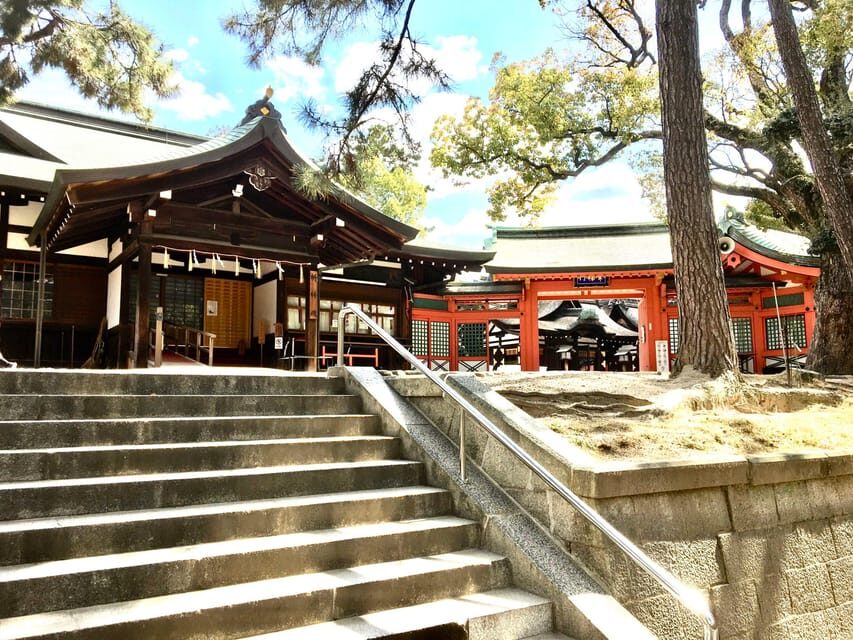
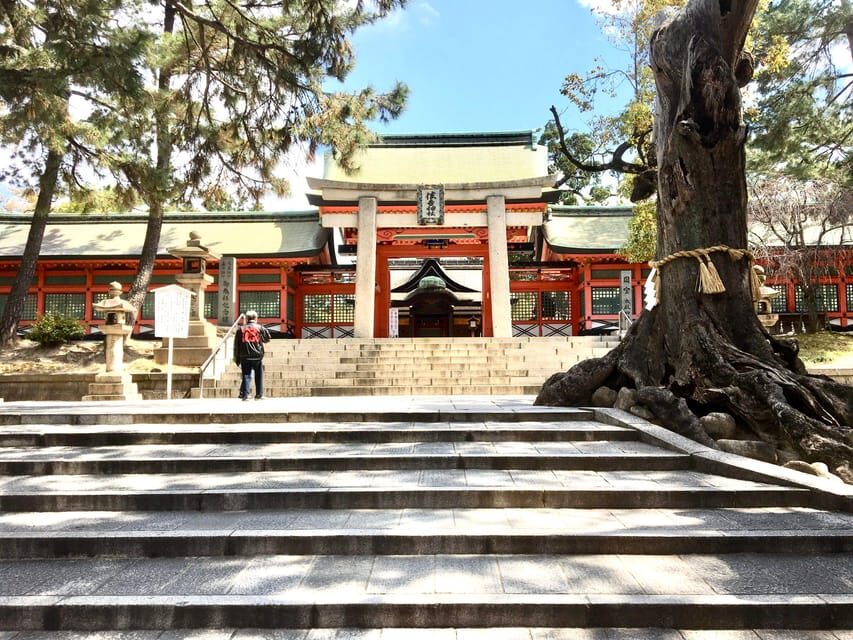
- Sumiyoshi-taisha’s centuries-old architecture and calm atmosphere
- Shitennoji’s early Buddhism story, with a small entry fee
- Osaka Castle designed for understanding the city’s military past
- Shinsekai’s retro 1970s vibe and Tsutenkaku landmarks
- Private guiding with real help for transit and ticket decisions
A full-day route that connects Shinto, Buddhism, and the samurai era
Osaka can look modern fast, but this tour keeps reminding you it’s built on older layers. You start with a major Shinto shrine, move to one of Japan’s early Buddhist landmarks, then shift to the medieval power center of Osaka Castle. After that, you end in Shinsekai, where the city flashes its retro personality.
What makes this route practical is the flow: each stop teaches a different “language” for understanding Osaka—religion, politics/power, then everyday street-life nostalgia. If you like history that actually helps you read a place as you walk through it, this works.
The pace is tour-and-walk. Expect guided time at each main site and some hopping around by public transport between areas.
You can also read our reviews of more guided tours in Osaka

Sumiyoshi-taisha: 1,800 years of shrine life in Osaka
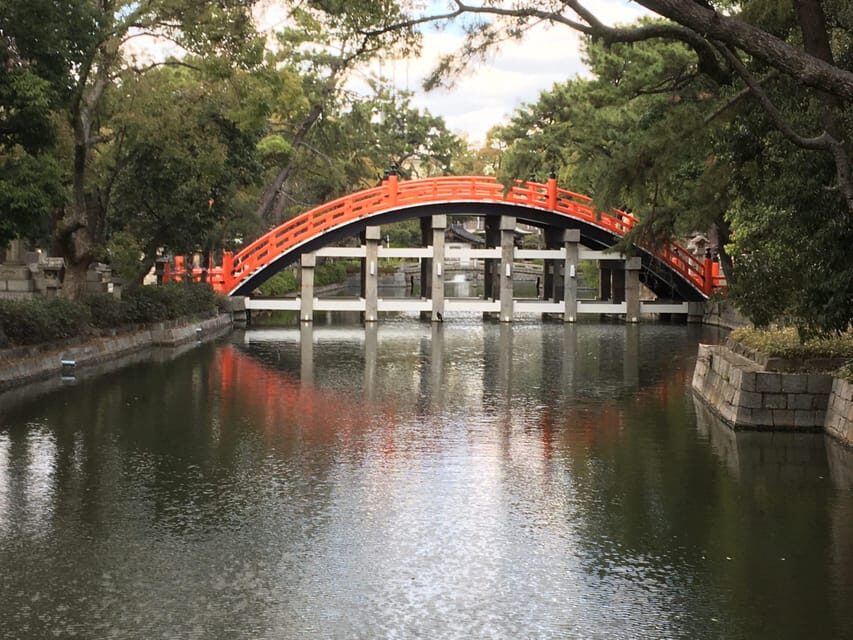
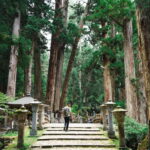
The day starts at Sumiyoshi Taisha, a Shinto shrine with a history reaching back about 1,800 years. This isn’t about rushing through big sights. It’s about slowing your eyes down enough to notice how traditional Japanese architecture holds the mood—clean lines, respectful spacing, and a sense that this place has kept its role for generations.
I especially like that this first stop sets a tone that’s different from the usual “temples and castles” checklist. Shinto shrines aren’t just buildings here—they’re part of Osaka’s spiritual rhythm. You’ll get a guided walk, not just a photo stop, which helps the meaning stick.
Since the tour is mostly on foot, it’s a good moment to settle into the day: comfortable shoes matter right from the first minutes.
Shitennoji Temple: early Buddhism with context you can use
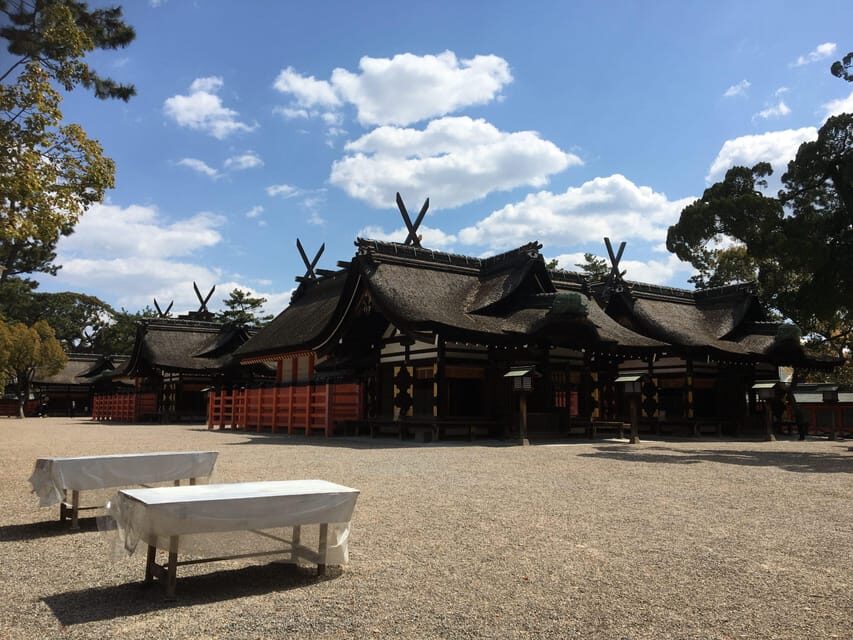
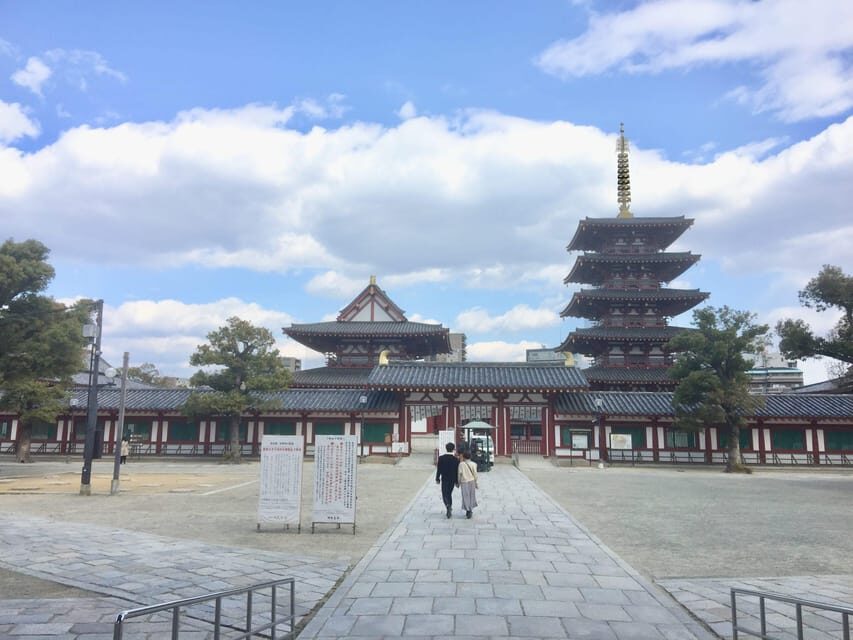
Next comes Shitennoji, dating from 593. This is one of those landmarks where the date alone makes you sit up. The guide explains it as a symbol of Buddhism’s arrival in Japan, so you’re not just looking at an old complex—you’re learning why it matters in the broader story.
Shitennoji also tends to make history feel human. You can understand it as an early hub that helped shape how religious life organized itself over time. The guided time helps you spot the important elements without feeling lost in a big site.
One practical note: Shitennoji has a small temple fee (around 200 JPY per person). It’s not huge, but it’s smart to keep some cash or card ready so you’re not scrambling at the gate.
Osaka Castle: reading the samurai era in the city’s power layout
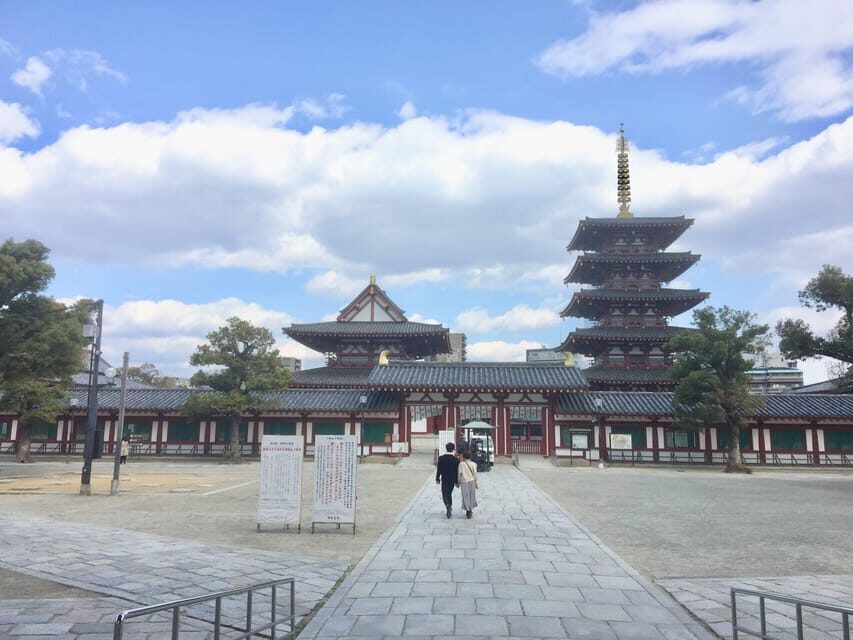
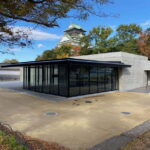
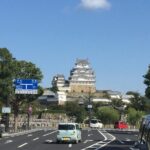
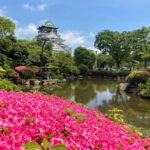
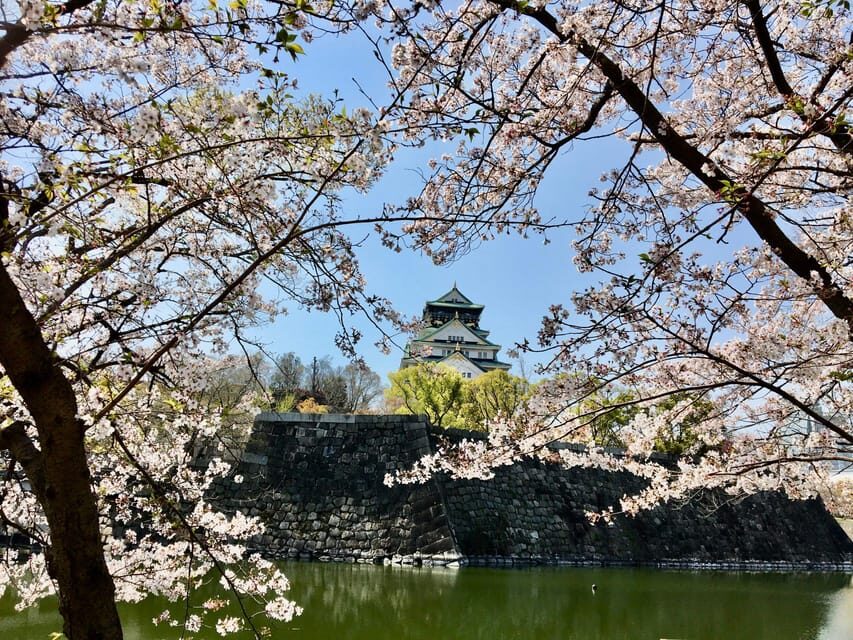
Then you move to Osaka Castle, a medieval stronghold dating from the late 16th century. The best part here is how the castle becomes a tool for understanding samurai-era power and strategy. You’ll get the story behind why the fortress exists where it does, and what kind of political climate produced this kind of architecture.
Even if you know a little Japanese history already, a guided explanation helps you connect names, dates, and motivations to what you’re standing in front of. The castle can feel like a monument unless someone puts it into context, and that’s exactly what you’re paying for with a private guide.
You’ll spend guided time here at walking pace, so don’t plan anything right after the castle if you can avoid it. Let the site sink in, then head onward with fresh energy for the retro part of the day.
Shinsekai and Tsutenkaku: 1970s nostalgia after centuries of power
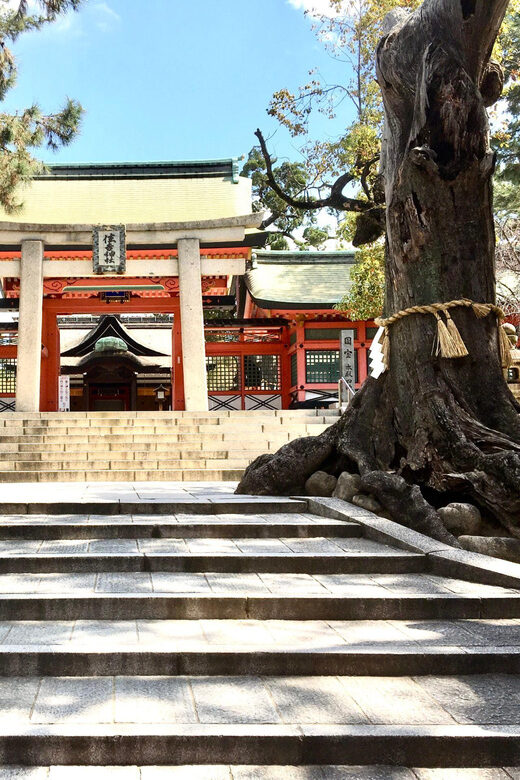
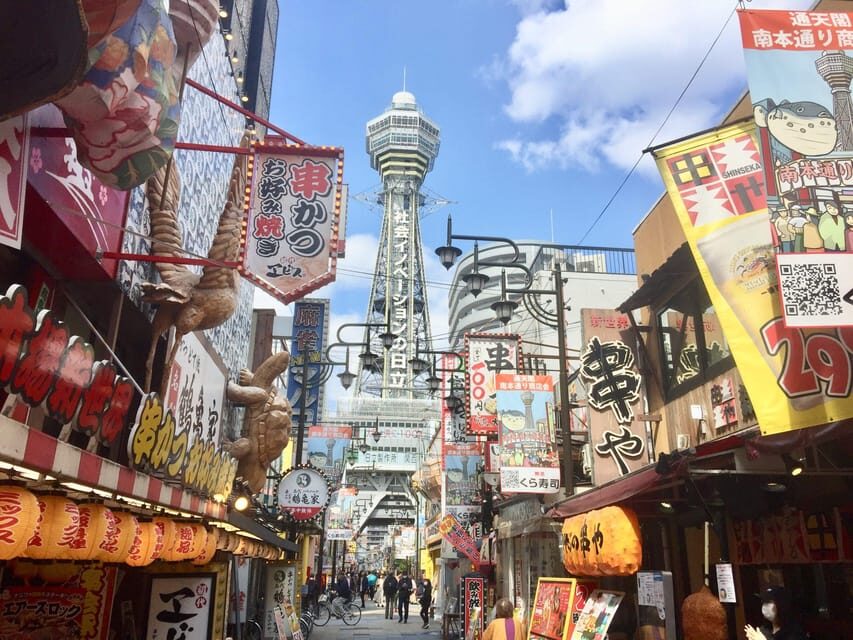
After castles and temples, the tour takes a stylish turn to Shinsekai. This district is known for a retro atmosphere that evokes the 1970s, and the guide points you toward the landmarks that shape that vibe—especially the Tsutenkaku tower.
This stop is valuable because it shows Osaka as a living city, not a museum. You get a sense of local color through its streets and iconic forms, and it balances the day’s heavier historical themes. It’s the kind of neighborhood where photos work because the environment itself feels story-driven.
I like that the tour doesn’t force you into only “important” sights. Shinsekai is more about atmosphere, everyday rhythm, and nostalgia. It makes the entire day feel more rounded.
You can also read our reviews of more city tours in Osaka





Price and value: $225 is about guidance, pacing, and fewer headaches
At $225 per person for an 8-hour private guided day, you’re paying for three things: a real live guide, a custom-feeling route, and a smooth way to move between multiple major Osaka areas without turning the day into logistics stress.
What’s included is straightforward: the guide and the guide fee. What’s not included is where you’ll want to budget a bit.
- Transport fee: around 2,000 JPY per person
- Shitennoji temple fee: around 200 JPY per person
- Lunch: around 2,000 JPY per person
When I think of value, I don’t just look at the base price. I look at the time saved and the guidance quality that helps you understand what you’re seeing. With this kind of route—shrine, temple, castle, and a neighborhood pivot—having a guide can turn “seeing places” into “understanding Osaka.”
Also, there’s flexibility built in: free cancellation up to 24 hours in advance for a full refund, and reserve now with pay later. That’s useful if your travel plans are still shifting.
Walking time, transit stops, and what to wear
This tour is designed around walking, with guided time at each main place. The itinerary structure is built for a steady pace, but you should still assume you’re on your feet for most of the day.
So yes, pack good shoes. Think comfortable, supportive soles. I’d rather you over-prepare for foot comfort than power through blisters because you were hoping you could do “just a little walking.”
Because you’ll also use public transport during the day, bring a small day bag that’s easy to manage. It’s helpful for water, your phone, and a light layer if the weather shifts.
Private guiding with Mouloud-style help: why it changes the day
The biggest advantage of a private guide is not the comfort of it—it’s the attention. You can ask questions at the right moment, not during a rushed group Q&A.
From what I’ve learned about how guides like Mouloud work, the practical side matters too. He’s described as helpful with information on other activities and with decisions around ticket purchasing and train traffic. That kind of guidance is gold when you’re moving through a big transit city like Osaka.
Even if you’re fairly independent, a guide can help you choose the easiest route between major stops. That reduces time friction and keeps your eyes on what you came for: the places.
Wheelchair accessible and how to plan if you use mobility support
The tour is listed as wheelchair accessible. That’s a big plus if you need assistance with longer distances or uneven surfaces.
Still, because the day includes walking and public transport, I’d plan around mobility needs. Wear appropriate support, carry any required personal items, and consider bringing a pair of comfortable shoes for any portions you might do on foot.
If you want extra certainty, check with the tour provider directly about route details and the level of walking at each stop.
Who this tour is best for (and who might prefer something else)
This experience is a strong fit if you want a single day that covers major Osaka themes without bouncing between two dozen meet-up points. It’s especially good for history lovers who like context—Shinto origins, Buddhism’s early arrival story, and the castle as a political-military lens.
It’s also great if you prefer a guide who handles practical questions. Having someone help you with transit and ticket-related decisions makes the day smoother, even if you can read a map.
If you’re traveling with a very low stamina level and you want minimal walking, you might find the full-day pace challenging. In that case, you could consider a shorter focused tour instead of a full circuit.
Should you book this Osaka private historical guided tour?
I’d book it if you want a clear, guided path through Osaka’s biggest historical eras—then a final neighborhood taste of modern retro life. The combination of Sumiyoshi-taisha, Shitennoji, Osaka Castle, and Shinsekai covers the city’s identity in one sweep, and the private format helps you understand what you’re seeing instead of just ticking landmarks.
I’d think twice if you’re expecting “mostly sitting” or if you don’t want to budget extra for transport and lunch. But if you’re comfortable with a walking-heavy day and you like explanations, this is a solid way to get meaning out of the places.
FAQ
How long is the Osaka historical private guided tour?
It’s scheduled for 8 hours.
Where does the tour start and where does it end?
Pickup is in Osaka, and the tour finishes at Ebisucho Station.
Is this tour private?
Yes. It’s listed as a private group experience.
What languages are available for the live guide?
The live guide can work in French, English, and Japanese.
What is included in the price?
The tour includes the guide and the guide fee.
What extra costs should I expect?
You should budget for transport (around 2,000 JPY per person), Shitennoji Temple (around 200 JPY per person), and lunch (around 2,000 JPY per person).
Is the tour wheelchair accessible, and can I cancel?
It’s listed as wheelchair accessible. You can cancel up to 24 hours in advance for a full refund.