REVIEW · OSAKA
Osaka Like a Local: 6 Hours of Walking, Eating & Exploring!
Book on GetYourGuide →Operated by Osaka JOINER · Bookable on GetYourGuide
Osaka hits different when you walk it. This 6-hour local-style route threads together Osaka Castle, Kuromon Market food stops, the Shinsekai area, and big-city views from above. I love the mix of famous sights and the smaller, lived-in moments like the Housing & Living Museum, plus the free time where you can eat at your own pace. The main trade-off: you’ll do almost 10 km of walking and you pay for most extras like admissions, meals, and train/subway fares.
What makes this one practical is that the guide builds the day around you, but still keeps a smart baseline plan. I also like that you can add an optional tea ceremony in advance if you want a more cultural afternoon. If you prefer low-walking days, or you need step-free routes, this may not be the right fit.
In This Review
- Key points worth planning for
- Namba Walk meet-up: finding Osaka JOINER fast
- 6 hours and nearly 10 km: pace, breaks, and what to wear
- Osaka Castle: photos first, then the real question—do you go inside?
- Housing & Living Museum: a local Osaka snapshot you can actually see
- Kuromon Market lunch: seafood, but also beef, fruit, and sweets
- Dotonbori street-food night: lights, crowds, and smart photo timing
- Shinsekai and Tsutenkaku: the New World viewpoint, including the bungee option
- Shitennoji: praying for Buddha and a free temple entrance on key dates
- Umeda Sky Building at sunset: your wide-angle Osaka finish
- Price and value: what $77 includes, and what you’ll likely pay extra
- Guide style: small group energy and guide patience on real questions
- Who this tour suits (and who should skip it)
- Should you book this Osaka Like a Local walking tour?
- FAQ
- How long is the Osaka Like a Local tour?
- Where do we meet for the tour?
- Is the tour mostly walking?
- Are train or subway tickets included in the price?
- Are admission fees included for the places you visit?
- Is the tea ceremony included?
- Does the tour run in rainy weather?
- Is this tour good for people with mobility issues?
Key points worth planning for
- Up to 8 people keeps the pace personal, and some groups can run very small.
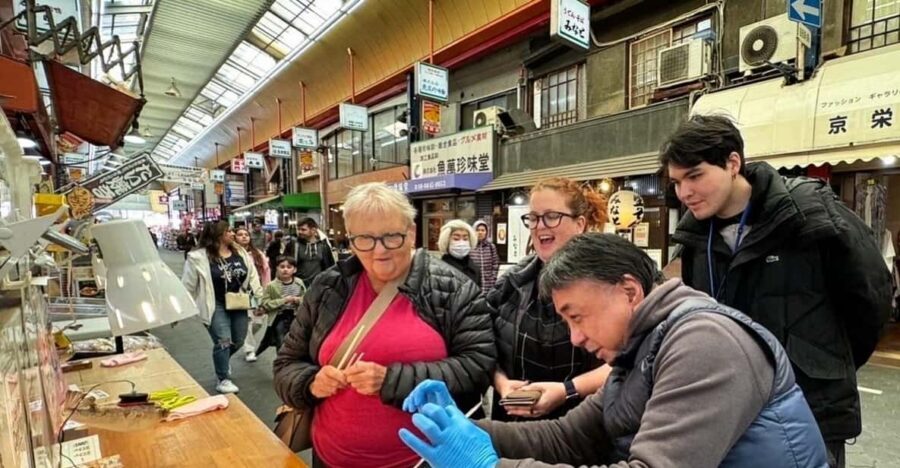
- Kuromon Market is treated as a true lunch stop, with quick tasting opportunities.
- Shinsekai + Tsutenkaku gives you Osaka street culture plus a payoff view from the tower.
- Dotonbori is timed for the lights and energy near nightfall.
- Umeda Sky Building caps the day with a wide, late-day city view.
- Almost 10 km of walking means comfy shoes are not optional.
Namba Walk meet-up: finding Osaka JOINER fast
You’ll meet at Osaka JOINER’s base in Namba, inside Namba Walk. The closest landmark is the underground area near exit B23, and the shop is between Mizuno Shop and Docomo Shop.
This matters because Namba can feel like a maze if you’re rushing. Give yourself a few extra minutes and use the exit number and shop placement as your anchor, not street names.
If you’d rather not navigate on your own, hotel pickup is available—just message ahead so they can line up the start.
You can also read our reviews of more walking tours in Osaka

6 hours and nearly 10 km: pace, breaks, and what to wear
This is a walking tour using public transportation between main zones. Expect the day to move in chunks: short rides, then focused walking and sightseeing.
The best way to enjoy it is to dress for walking in Japan weather—comfortable clothes, comfortable shoes, and cash for small purchases. Also remember the tour goes forward in rainy weather, so bring a raincoat or umbrella and plan for damp sidewalks.
If you’re the type who likes to stop, watch, and take photos without stress, this pace works well. If you’re nursing blisters or you don’t handle long distances well, you’ll feel it by the end.
Osaka Castle: photos first, then the real question—do you go inside?
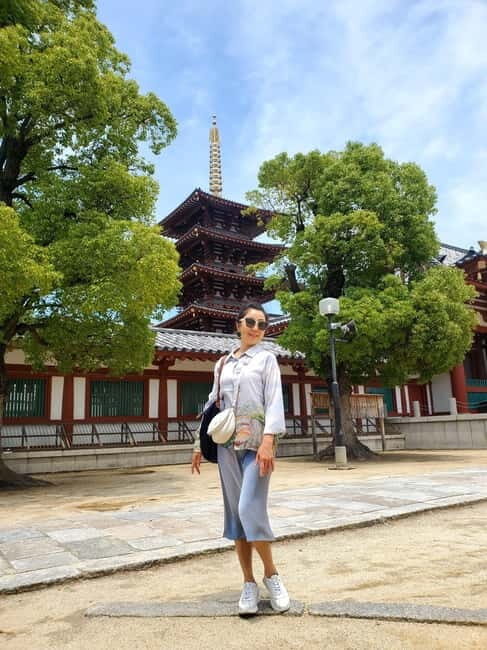
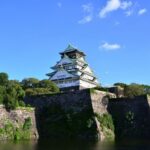
The day begins with Osaka Castle. You get a photo stop and time to sightsee, plus the chance to enter inside the Castle if timing allows.
Even if you skip the interior, the castle grounds are the point where Osaka looks most like the postcards. The guide’s job here is to help you spot what you might otherwise miss and to keep the visit efficient so you’re not burning your whole day on one stop.
Practical tip: bring your camera battery pack or a charging strategy. This first highlight happens early enough that you want everything ready.
Housing & Living Museum: a local Osaka snapshot you can actually see
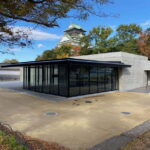
Next you head toward the Museum of Housing and Living of Osaka. This is the kind of stop that feels small on paper, but it gives you context you’ll notice everywhere else on the tour.
You’ll see how people lived around the 1800s, with a walkthrough feel that’s easier to understand than a textbook. There’s also the option to wear a kimono if you want—only if it fits your comfort level and time.
This stop is great if you like your Japan visits grounded in daily life, not just temples and towers. It also gives you a mental reset between markets and nightlife.
Kuromon Market lunch: seafood, but also beef, fruit, and sweets
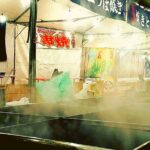
Lunch is built around Kuromon Ichiba Market, one of Japan’s most famous seafood markets. But this is not a one-note fish-only place.
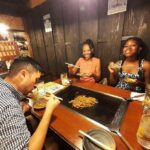
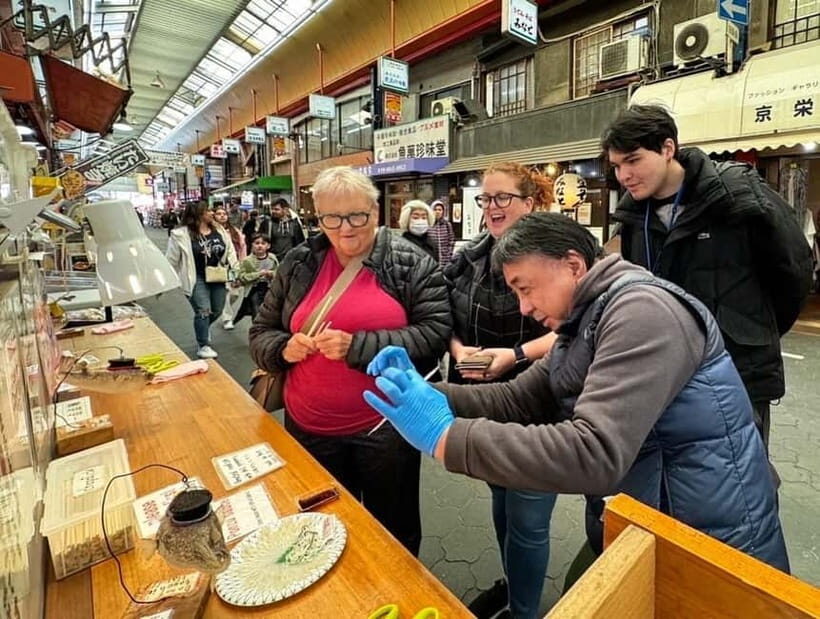
You’ll have a break time with options to try street food and you may find things beyond seafood like beef, fruits, and sweets. Beer is listed as an option during the market break, but drinks are not included in the tour price—so budget for what you order.
The value here is the structure: you’re not wandering hungry and guessing where to start. You get food-tasting support, plus time to choose what you actually want to eat.
My advice: don’t over-plan your lunch. Pick a few small bites, try one thing that looks unfamiliar, then stop before you feel stuffed for the next area.


Dotonbori street-food night: lights, crowds, and smart photo timing
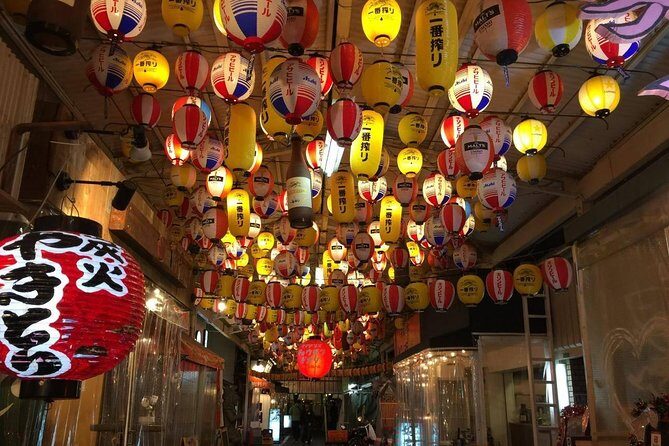
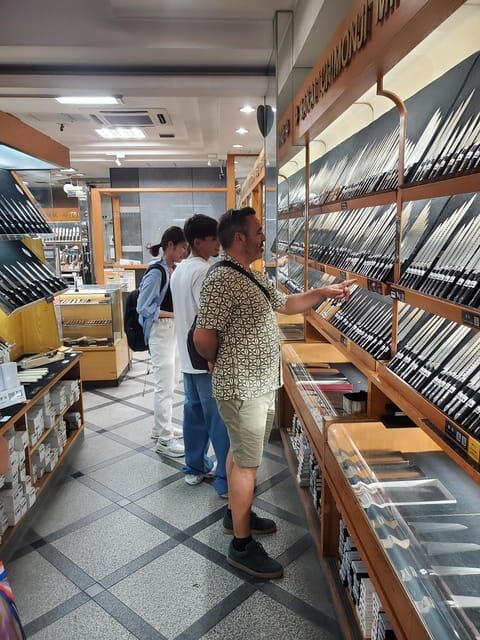
Dotonbori is the famous street where Osaka shows off. During the stop you’ll do sightseeing and food tasting, with a special focus on the night lighting.
Plan on lots of sensory input—bright signs, hungry energy, and people everywhere. It’s fun, but it can also drain your attention if you don’t pace yourself.
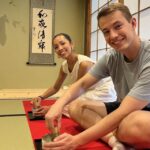
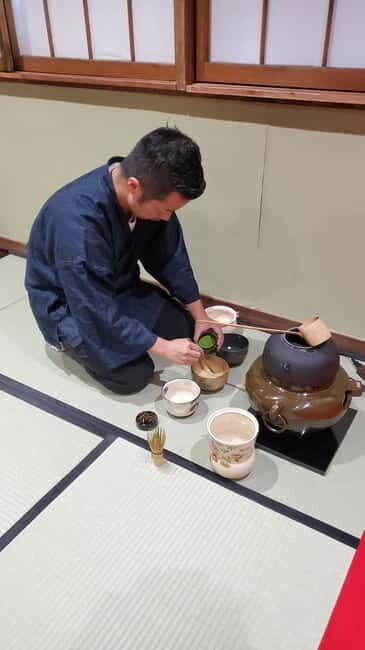
You also have an hour with tea scheduled here as a possibility. If you want the optional tea ceremony experience, tell the guide beforehand so they can make a reservation. The tea ceremony fee is around 4000 YEN, and it’s not included in the tour price.
If you’re on the fence about the tea ceremony, my rule is simple: do it when you want a slower, quieter moment after market chaos. Skip it if you’d rather stay flexible with street food.
Shinsekai and Tsutenkaku: the New World viewpoint, including the bungee option
Then it’s Shinsekai, often described as Osaka’s New World. This is where you see a different side of city life—louder, older-feeling in texture, and very street-culture focused.
You’ll stop at Tsutenkaku Tower and see Osaka from the top. There’s also the bungee-jump possibility if you have courage, but don’t assume it’s a must. Treat it as an optional thrill, not the core of the stop.
Shinsekai is also known for local food like kushikatsu and takoyaki. Since food expenses aren’t included, you’ll pay what you order, but this is the time to lean into snacks rather than trying to be “full.”
If you like viewpoints, this is one of your big payoffs. If you hate heights, you can still enjoy the streets and the photo moments around the tower area.
Shitennoji: praying for Buddha and a free temple entrance on key dates
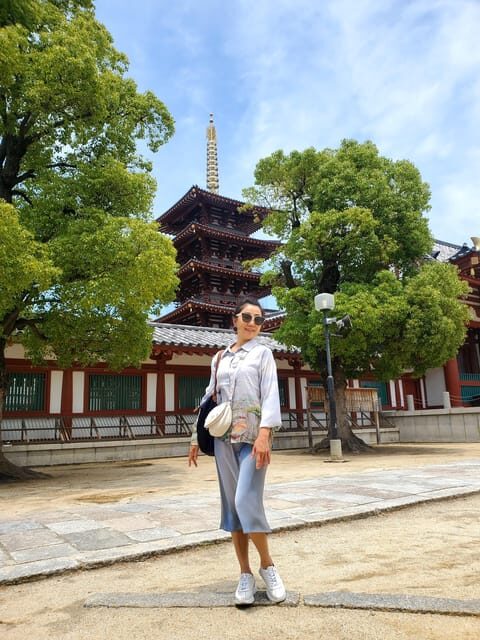
The tour moves to Shitennoji, a major temple near Shinsekai. You’ll get a photo stop and time for sightseeing and scenic views along the way.
There’s a useful detail here: every month on the 21st and 22nd, there’s a flea market happening in the area, and the entrance to the temple is free. If you travel on those dates, the atmosphere can shift in a noticeable way.
If you like Buddhism or simply want to experience a place of worship respectfully, this is a good stop. You can pray for Buddha there, and the guide can help you understand what you’re looking at without making it feel like a lecture.
This is also a nice pacing tool. After tower heights and neon streets, a temple stop gives you a calmer rhythm.
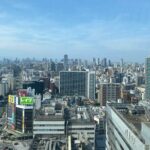
Umeda Sky Building at sunset: your wide-angle Osaka finish
Your day ends at Umeda Sky Building. You’ll have time for photos, a visit, and free time, with the timing aimed at sunset.
This is the “let me see Osaka as a whole” moment. Up there, street signs become patterns and distance becomes easier to understand. It’s especially memorable at night when the city lights fill the view.
If you get the timing right, you’ll catch the gradual shift from daylight to lights, which feels like the city changing gear. Even if you’re not a “skyview person,” this final stop is worth it because it ties the day together.
Price and value: what $77 includes, and what you’ll likely pay extra
At $77 per person for 6 hours, you’re paying mainly for the guide fee and the walking tour structure. What’s not included is important: transportation expenses (subway/train), admission fees, food expenses, drink expenses, and the optional tea ceremony fee.
Here’s the value logic: you’re getting a well-paced route that hits major anchors (castle area, Kuromon, Dotonbori, Shinsekai, Shitennoji, and a sky view). If you were trying to plan and connect all those zones alone, you’d spend time figuring routes, where to eat, and how long each stop really needs.
Budget reality check:
- Plan to pay for trains/subway rides between areas.
- Plan to pay for meals and drinks (including if you grab beer).
- Plan for admissions at places that charge entry, including any paid portions of the castle or sky-view experience.
If you like eating as you go, this tour still works—you just control the cost by choosing how many snacks you buy. The guide helps you avoid dead ends and long waits.
Guide style: small group energy and guide patience on real questions
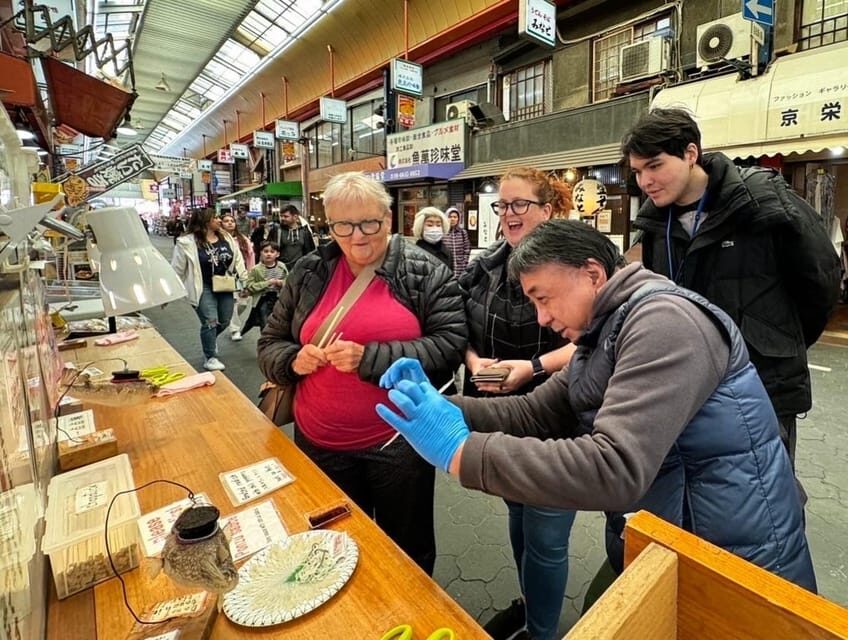
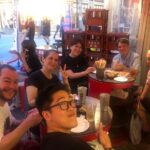
The group is limited to 8 participants, and the experience can run very small on some dates. That smaller size helps with questions and flexibility if you want to adjust slightly.
In past group days led by guides like Ken, Yuriko, and Minori, the pattern is consistent: they explain Osaka in plain language, move at a pace that keeps you from feeling rushed, and stay patient when you have questions. One useful detail is that guides often know where to point you for good stops along the route, including food choices you might not spot quickly.
If you want customization, you can ask at the start. The guide meets you in Namba and asks what you want from Osaka, then builds an itinerary around your requests.
Who this tour suits (and who should skip it)
This tour is best for you if you want:
- A walk-first way to see several Osaka highlights in one day
- Market time for casual tasting, not just photo stops
- A balance of famous sights and daily-life context
It’s less ideal if:
- You have mobility limitations or need step-free access (not suitable)
- You’re pregnant (also not suitable)
- You hate long walking days or don’t handle rain well even with a raincoat
Also, because you’ll be on public transportation at times, it’s helpful if you’re comfortable using the subway system even if you’re not fluent.
Should you book this Osaka Like a Local walking tour?
Book it if you want a guided route that stitches together Osaka Castle area, Kuromon Market, Dotonbori lights, Shinsekai culture, a real temple stop, and a sky-view finale in one organized day. The $77 price is a solid deal for the guidance and route planning, especially because most of the time you’ll spend is already allocated to the places that would otherwise take you extra effort to connect.
Skip it if your ideal Osaka day is mostly sitting, shopping, and short walks. This one is about movement, snacks, and views, with optional upgrades like tea ceremony if you plan ahead.
If you do book, come armed with comfy shoes, some cash, and an open mind about eating your way through neighborhoods. Osaka rewards that.
FAQ
How long is the Osaka Like a Local tour?
The tour lasts 6 hours.
Where do we meet for the tour?
You meet at the Osaka JOINER base in Namba, inside Namba Walk near exit B23 (not the subway area). The store is between Mizuno Shop and Docomo Shop.
Is the tour mostly walking?
Yes. This is a walking tour, with almost 10 km of walking.
Are train or subway tickets included in the price?
No. Transportation expenses for subway/train are not included.
Are admission fees included for the places you visit?
No. Admission fees are not included.
Is the tea ceremony included?
No. The tea ceremony is optional, not included, and costs around 4000 YEN. You should tell the guide beforehand so they can reserve it.
Does the tour run in rainy weather?
Yes, it runs in rainy weather. Bring a raincoat or an umbrella.
Is this tour good for people with mobility issues?
No. It’s not suitable for people with mobility impairments, and it’s also not suitable for pregnant women.