REVIEW · OSAKA
Osaka Private Tour by Public Transportation
Book on Viator →Operated by Fulfilling Inc. · Bookable on Viator
Osaka clicks fast when someone shows you how. This private tour uses public transportation so you see big sights like Dotonbori and Osaka Castle without spending your whole day figuring trains out. You get an English-speaking guide who explains what you’re looking at and why it matters, in about 6 hours.
I love the way it stays private for your party while still moving like a local. In feedback I saw, guides such as Mike and Hideyoshi spent real time on history at each stop, and Mike even shared an Osaka map plus clear train instructions.
One thing to consider: the price does not include admission fees (Osaka Castle is listed as not included) and it also does not include food, drinks, or public transport to and from where you start. So you’ll want a little cash or card ready for entry and snacks.
In This Review
- Key points worth noting
- Why a private, public-transport Osaka tour works
- Getting started: hotel lobby meeting and the JR Osaka anchor
- Stop 1: Dotonbori District canals, bridges, and quick photo missions
- Stop 2: Osaka Castle tower views and the one budget line you can’t skip
- Stop 3: Kuromon Market food-walk energy in 90 minutes
- Stop 4: Tsutenkaku tower symbolism and the crowds factor
- Price and value: what $149.57 per person really buys
- Who this fits best (and who might want a different format)
- How to make the day smoother with a guide on public transit
- Should you book this Osaka private public-transport tour?
- FAQ
- How long is the Osaka private tour?
- Where does the tour start?
- Is this tour private or shared?
- Is pickup offered?
- Is food included?
- Are admission fees included?
- Is public transportation included?
- What are the main stops on the tour?
- Is the ticket mobile?
- What is the cancellation policy?
Key points worth noting

- Public-transport routing, not just sightseeing: your guide helps you move efficiently with the trains and stops along the way
- Private for your group: you’re not blending into a crowd with strangers
- Clear landmark sequence: Dotonbori, Osaka Castle, Kuromon Market, and Tsutenkaku are covered in one planned loop
- History talks that make photos better: the guide focuses on what each place means, not just facts read from a sign
- Food is optional but easy: Kuromon Market is built for street food walking and quick bites
- Budget for Castle entry: admission is not included, even though the rest of the listed stops are free to enter
Why a private, public-transport Osaka tour works
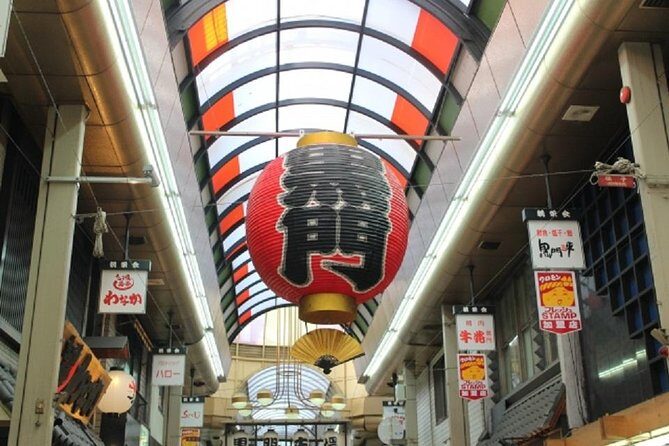
Osaka can feel like a maze, especially if you’re only using taxis. This tour avoids that trap by using public transportation and keeping the day structured. The big win is that you get a guide who can explain what you’re seeing while you’re actually in the neighborhoods, not stuck in transit limbo.
You also get the comfort of a private setup. That matters when your group has different walking speeds, photo habits, or questions. Instead of rushing and hoping someone catches up, you can ask what you need and get straight answers.
The guide approach is practical, too. Based on guide feedback, Mike and Hideyoshi both focused on history in a way that makes landmarks easier to understand on the ground. That turns sightseeing into something you remember, not just something you tick off.
You can also read our reviews of more private tours in Osaka
Getting started: hotel lobby meeting and the JR Osaka anchor
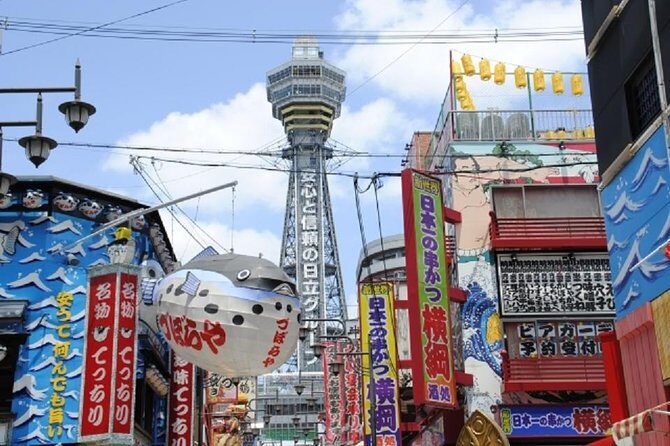
The day is built around a simple starting point: it starts at JR Osaka Station. You can also meet in the hotel lobby, and pickup is offered, so you’re less likely to lose time hunting for the rendezvous spot.
Once you’re near public transportation, you’re ready to move quickly. The tour includes a mobile ticket, which usually helps with check-in and day-of coordination. If you like structure, this is the type of tour that gives it to you.
Also, remember that public transportation to and from you is not listed as included. That means you should plan how you’ll get to the start area on your own terms. The trade-off is that once you’re with the guide, you’re not guessing your way through the city.
Stop 1: Dotonbori District canals, bridges, and quick photo missions
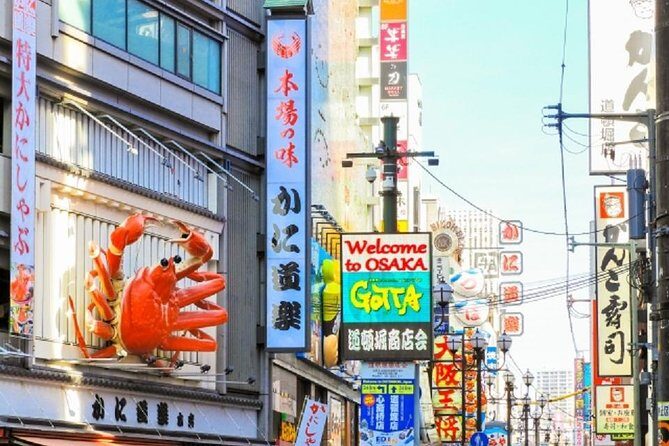
Your first big hit is the Dotonbori District, a place Osaka puts on posters for a reason. The city has urban canals and bridges, and Dotonbori is the one people talk about most. Expect an hour here, which is long enough to soak up the atmosphere and do a few walking loops.
This is a great opening stop because it gets your senses online. Within minutes you’ll understand the Osaka mood: bright storefronts, canal views, and that slightly electric energy where everyone seems to know exactly where they’re going.
There’s also a practical advantage to starting here. You’re on a landmark everyone recognizes, so your guide can explain context early without you feeling lost. And since the listed admission is free, you can focus on photos and street-level details instead of ticket logistics.
If you’re someone who hates rushing, use this hour to slow down. Don’t just aim at the postcard views. Look at the canal edges, bridges, and the way people move along the sidewalks, because that’s what makes Osaka feel like Osaka.
Stop 2: Osaka Castle tower views and the one budget line you can’t skip
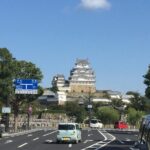
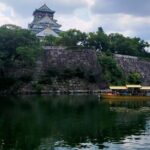
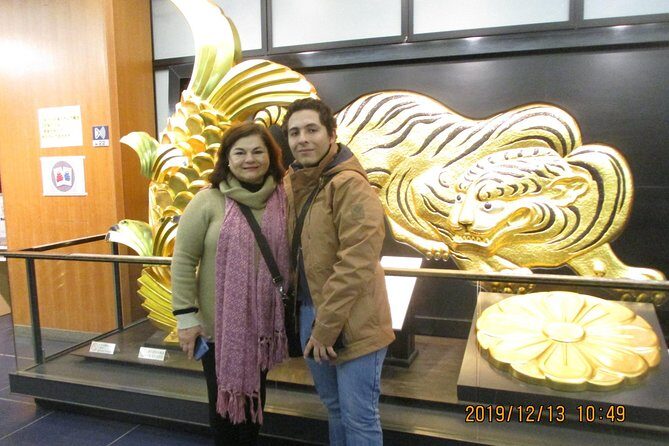
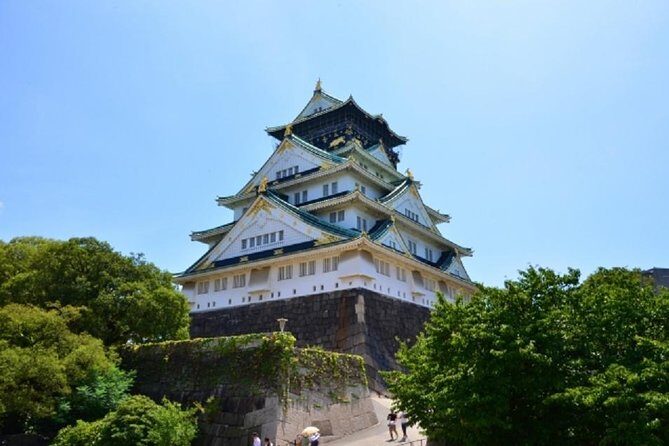
Next is Osaka Castle. The stop is about an hour, and the big promise here is the view from the top of the tower. That’s the part that usually makes people stop mid-walk and just look, because you get a clear sense of how sprawling the city is.
One catch: Osaka Castle admission is not included. So you should budget for entry fees separately from the tour price. It’s not a small detail, either. If you show up without planning, you can burn time at the ticket step instead of enjoying the view.
Still, it’s worth it if you want a real sense of place. Osaka Castle gives you a historical anchor for everything you’ll see later in the day. A good guide helps connect the dots, explaining what the castle represents and why the surrounding area became such a focal point.
Also note the tone of the hour: it’s time for the tower experience, not a long museum marathon. If you love deep indoor history, you might add extra time on another day. But for a 6-hour private loop, this is a strong and efficient use of time.
Stop 3: Kuromon Market food-walk energy in 90 minutes
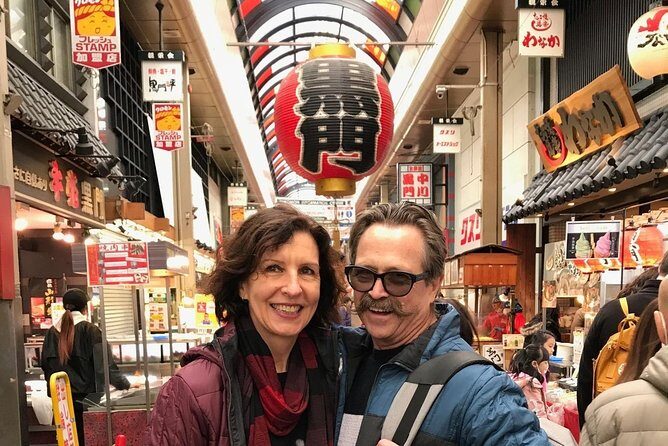
After the castle viewpoint, you shift to something much more hands-on: Kuromon Market. You get about 1 hour 30 minutes, and the focus is walking through the famous food market and trying Osaka street food.
The listed admission here is free, which makes this stop feel more flexible. You’re not paying entry to enjoy the atmosphere. Instead, you spend time sampling and people-watching, which can be more fun than ticking through stalls too fast.
This is also where your guide can really help. A good guide doesn’t just point at food; they can guide you toward what makes sense for your tastes and what’s best as a quick bite. Based on the tour feedback style I saw, guides like Hideyoshi were able to add a satisfying food moment to the day, which is exactly what you want here.
Keep expectations realistic: markets move fast, and your time is limited. If you want a sit-down meal, you may need to plan that separately. But if you’re happy doing bite-sized tastings, Kuromon Market is ideal for a shared experience in a short window.




Stop 4: Tsutenkaku tower symbolism and the crowds factor
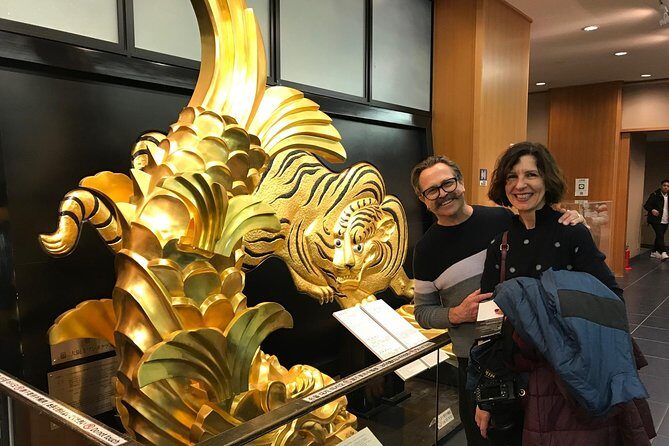
The final major stop is Tsutenkaku, the symbolic tower of Osaka. The area can get extremely busy, and the tour notes that more than 1 million tourists come through each year. It also mentions the shopping streets around it are crowded, so you should expect a lively, sometimes shoulder-to-shoulder vibe.
Tsutenkaku is also nicknamed Osaka’s Eiffel Tower. Even if you’ve seen the photo version already, seeing the tower in person tends to land differently. It’s not trying to be fancy. It’s trying to be recognizable, and it is.
You get about 1 hour 30 minutes here, which is the right length if you want a tower view plus time to wander the surrounding streets. Admission is listed as free, so again you can focus on the atmosphere and photos.
This is a good moment to slow down a little. Crowds can make pictures harder, but they also reveal the area’s energy. If you prefer quieter scenes, take advantage of the time before it peaks, or choose a spot near the tower where you can wait for a clearer view.
Price and value: what $149.57 per person really buys
At $149.57 per person, this tour sits in the mid-range for private guided experiences. The honest way to think about value is to compare what you’re paying for: an English-speaking guide, a private group setup, and a structured route through major Osaka landmarks using public transit.
The tour also handles the most annoying part of group travel in cities like Osaka: decision fatigue. You’re not planning the order of stops, figuring out train changes, or guessing where to spend your limited hours. Instead, you follow a plan that includes the major hits: Dotonbori, Osaka Castle, Kuromon Market, and Tsutenkaku.
The value also shows up in the guide style. Feedback from Mike highlighted extra support like an Osaka map and instructions on taking the train. Hideyoshi was noted for being fun and very informative, plus a strong food stop moment. That kind of day-shaping is hard to replicate on your own, even if you know the attractions.
Budget reality check: the tour price does not include Osaka Castle admission, food and drinks, or public transportation to and from where you start. So your final spending will be higher than $149.57 if you plan to enter Castle and buy snacks.
If you’re traveling as a small group, private tours often start to make financial sense because you’re paying for time and guidance, not just entrance tickets. And if you’re comparing against multiple single-taxi rides, it can look even better fast.
Who this fits best (and who might want a different format)
This tour suits you best if you want a clear, efficient Osaka highlight day without stress. It’s especially good if you like the idea of using public transportation but don’t want to play navigation roulette.
It’s also a great match for couples and small groups who want private pacing. Since it’s only for your group, you don’t have to coordinate around strangers’ needs. That matters when someone wants photos, someone wants food, and someone wants quick explanations.
If you hate crowds, be aware Tsutenkaku’s area can get packed. If you’re the kind of traveler who prefers museum-heavy time, the Osaka Castle stop is only about an hour, so you might want to add extra castle time on a separate day.
Also, the tour notes that most travelers can participate and it’s near public transportation. So it should work for many visitors, but you’ll still be doing walking throughout the day.
How to make the day smoother with a guide on public transit
A private transit-based tour is only as good as the habits you bring to it. Here’s what helps:
- Wear shoes you can walk in for a few hours. This day has multiple neighborhoods and a market stop.
- Keep your plans flexible at each stop. The guide uses the time to explain, and the best parts often happen when you slow down.
- Have a simple snack and water plan. Food and drinks aren’t included, so decide in advance how many stops you want to sample.
- Ask questions early about transit. Mike-style train guidance makes a huge difference, because you’ll learn the logic of Osaka’s routes and can reuse it later.
- For Osaka Castle, be ready to pay entry fees separately, so you don’t burn time when it’s time to go upstairs.
If you’re traveling for the first time, I like doing this kind of tour early in your trip. You learn the city’s rhythm and leave with a mental map you can use for the rest of your days.
Should you book this Osaka private public-transport tour?
Book it if you want a private, guided Osaka highlight day with real context, and you’re comfortable handling your own entry fees and snack spending. The format is a strong fit for people who want to see Dotonbori, Osaka Castle, Kuromon Market, and Tsutenkaku without the stress of organizing the day on the fly.
Skip it or rethink it if you want everything fully included. Osaka Castle admission isn’t included, and food and drinks aren’t included either. Also, Tsutenkaku is known for crowds, so if you prefer quiet sightseeing, you might find that part less enjoyable.
My bottom line: this is a practical way to get the best Osaka “first-day hits” plus a guide who can explain them clearly. If you like learning while you walk, and you want your day to run on rails instead of guesses, it’s a solid choice.
FAQ
How long is the Osaka private tour?
It runs for about 6 hours.
Where does the tour start?
The tour starts at JR Osaka Station.
Is this tour private or shared?
It’s private. Only your group participates.
Is pickup offered?
Yes. Pickup is offered, and you meet in the hotel lobby.
Is food included?
No. Food and drinks are not included.
Are admission fees included?
Admission fees are not included. Osaka Castle is listed as not included, while other stops are listed as free.
Is public transportation included?
Public transportation to/from the customers is not included.
What are the main stops on the tour?
You’ll visit Dotonbori District, Osaka Castle, Kuromon Market, and Tsutenkaku.
Is the ticket mobile?
Yes. A mobile ticket is used.
What is the cancellation policy?
You can cancel for a full refund up to 24 hours before the experience starts. Free cancellation is offered.