REVIEW · OSAKA
Osaka: Samurai Training Experience KENDO in Osaka
Book on GetYourGuide →Operated by Vicky Co., Ltd. · Bookable on GetYourGuide
Kendo here is more than a show. You train in a genuine Osaka dojo wearing full protective armour, so it feels like a real practice session, not a costume-and-photos stop. For 2 hours, you learn the etiquette, get fitted with the gear, and end with match-style practice using a shinai.
I like that the instruction is paced for real beginners, with English coaching from Toshi and Kumiko (plus support from their team when you need it). The main consideration is that this is still physically demanding, and the experience has age limits for trying Kendo (older participants are limited to viewing).
In This Review
- Key Highlights You Will Actually Notice
- Why Kendo in Osaka Beats a Quick Photo Stop
- The 2-Hour Flow: What Happens From Start to Finish
- 1) Welcome, history, and how Kendo is supposed to feel
- 2) Dressing the part: dōgi, hakama, and full bogu
- 3) Warm-up basics: posture, footwork, and safety rules
- 4) Technique practice: basic strikes, blocks, and counters
- 5) Paired practice and match-style rounds
- 6) Photo session inside the dojo
- Reiho and Bushidō: The Etiquette Piece That Makes It Real
- Learning the Basics Without Getting Overwhelmed
- Sparring That Feels Competitive, Not Chaotic
- The Samurai Photo Session in a Real Dojo
- Price and Value: Why $127 for 2 Hours Works
- Who Should Book This Kendo Experience
- Age and effort reality check
- What to Bring (and What to Skip) for a Smooth Session
- Should You Book It in Osaka?
- FAQ
- How long is the Samurai Training Experience Kendo in Osaka?
- What does the price include?
- Do I need previous Kendo experience?
- Will I be sparring during the session?
- What are the age limits for trying Kendo?
- What language is instruction in?
- Where is the meeting point?
- What should I bring with me?
- Are alcohol or drugs allowed?
Key Highlights You Will Actually Notice
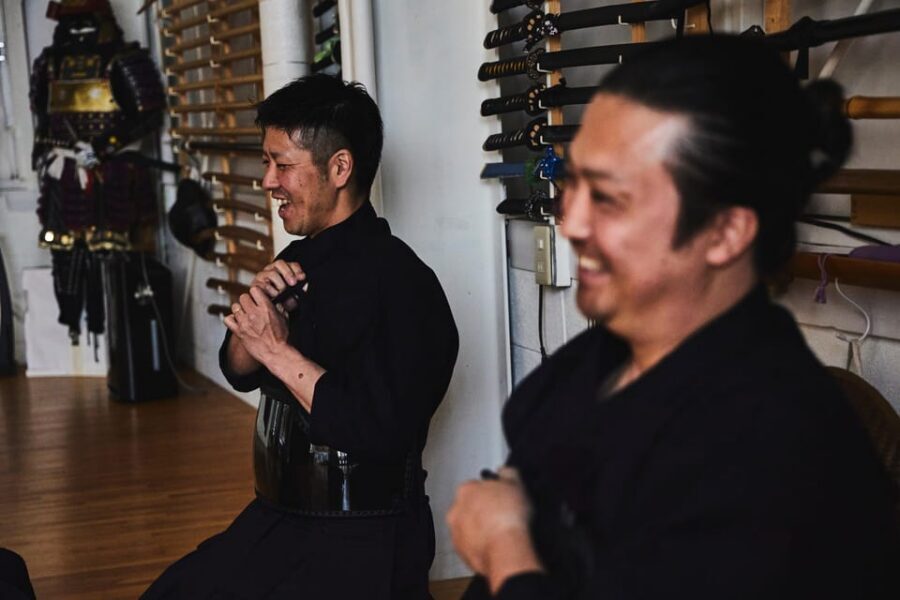
- Full set of Kendo armour (Men, Kote, Dō, Tare) so you can train safely
- English-speaking guidance that keeps first-timers from getting lost
- Reiho and Bushidō context you practice, not just hear about
- Basic footwork and timing before paired practice and bouts
- Dojo photo session with authentic props and Samurai-style poses
- Training energy that can scale to your level, from gentle drills to sparring
Why Kendo in Osaka Beats a Quick Photo Stop
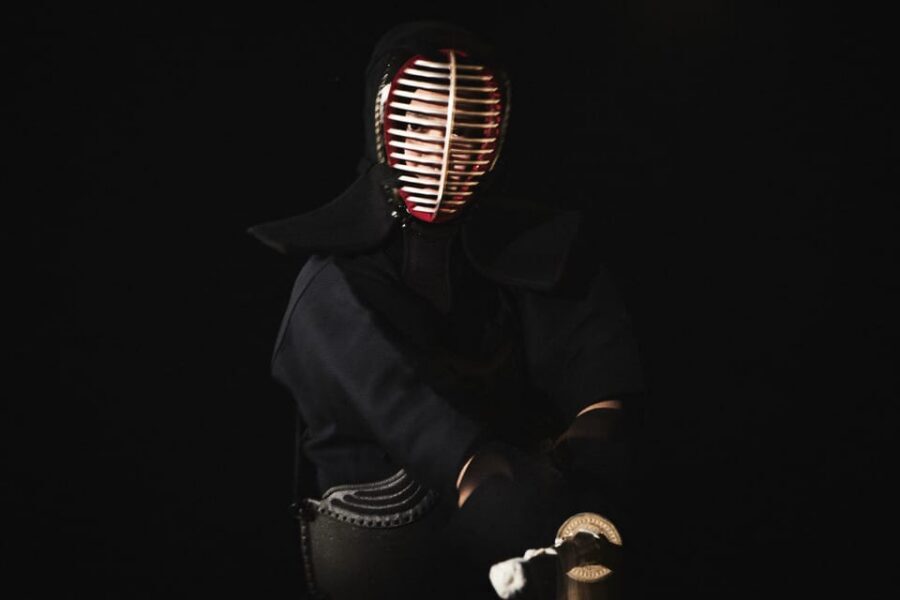
Osaka already gives you enough cool visuals. This experience is different because it pushes you past looking at samurai stuff and into doing it properly. You step into a real Japanese training space and follow a format that mirrors Kendo practice: etiquette first, gear fitting next, then technique, then action.
The big value is the equipment. You don’t just get a sword. You wear a complete protection set and hold a shinai, which means you can participate in sparring-style rounds without the stress of getting hurt. Several people also talk about how clean and spacious the training area feels, and that matters when you’re putting on a lot of gear and moving hard for the full session.
You’ll also leave with more than workout fatigue. The instructors explain how Kendo connects to Bushidō and why Reiho (etiquette) is treated like part of the training, not an afterthought.
You can also read our reviews of more tours and experiences in Osaka.


The 2-Hour Flow: What Happens From Start to Finish
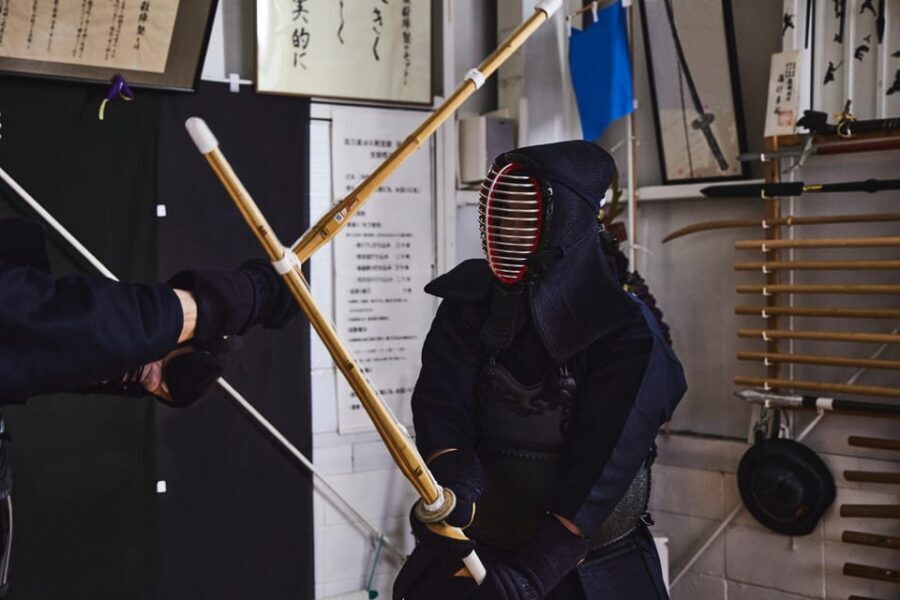
The session runs for about 2 hours, and it’s built like a mini class.
1) Welcome, history, and how Kendo is supposed to feel
You start with a short lecture that frames what you’re doing. You’ll learn Kendo’s background and how the discipline of the warrior mindset shows up in practice. The goal isn’t academic trivia. It’s to help you understand why the movements and manners matter.
In past sessions, people noted that the instructors explain things step-by-step and answer questions patiently. If your Japanese is limited, the English instruction helps you keep up with why each drill exists.
2) Dressing the part: dōgi, hakama, and full bogu
Next comes the fun (and slightly hilarious) part: getting into the uniform and protection. You’ll wear traditional dōgi and hakama, then fit into full Kendo armour:
- Men (helmet)
- Kote (gloves/forearm protection)
- Dō (chest protection)
- Tare (waist protection)
Then you pick up a shinai. Even if you’ve never held one, the instructors guide your posture and how to hold and move safely.
3) Warm-up basics: posture, footwork, and safety rules
Before any sparring, you’ll drill fundamentals. Expect:
- proper stance and spacing
- footwork patterns that control balance and timing
- safety rules tied to distance and execution
This is where beginners benefit most. Kendo isn’t only about swinging. It’s timing plus control.



4) Technique practice: basic strikes, blocks, and counters
After the foundation, you’ll practice key movements in a structured order: offensive strikes, defensive actions, and counters. People describe learning multiple techniques at the right pace, with corrections if your form needs adjustment.
5) Paired practice and match-style rounds
Once the basics click, you move into paired drills and a final part that feels like sparring. This is still respectful and controlled, with skilled coaching. If you’ve never trained martial arts before, the experience is still doable because you’re guided into the flow and the rules are explained.
Many participants mention that the sparring feels intense yet fun. That balance is the point: you get adrenaline, but with protective gear and standard Kendo rules.
6) Photo session inside the dojo
To wrap it up, you get a Samurai-style photo session in the dojo. It’s not just standing still in armour. You’ll have a chance for posed shots with Samurai items and props, plus action-style pictures.
If you care about memories you can actually frame, this part is a big part of the value.
Reiho and Bushidō: The Etiquette Piece That Makes It Real
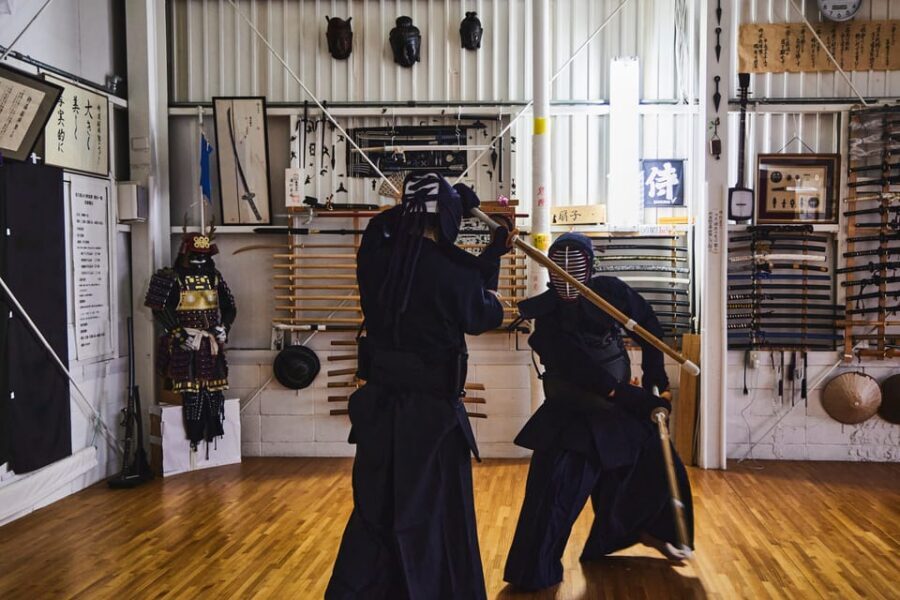
A lot of tourist “martial arts” experiences skip the manners. This one treats Reiho as part of training. That shows up early, before you start moving at full speed.
You’ll hear how Kendo connects to Bushidō, and why respect, focus, and self-control are central to the sport. Then you put that into practice through how you enter, how you address training partners and instructors, and how you behave during drills.
For me, the practical takeaway is this: Reiho gives you mental structure. It turns the session from random hitting practice into something more disciplined. Even if you only remember a few etiquette points, it changes how you carry yourself in the armour.
Learning the Basics Without Getting Overwhelmed
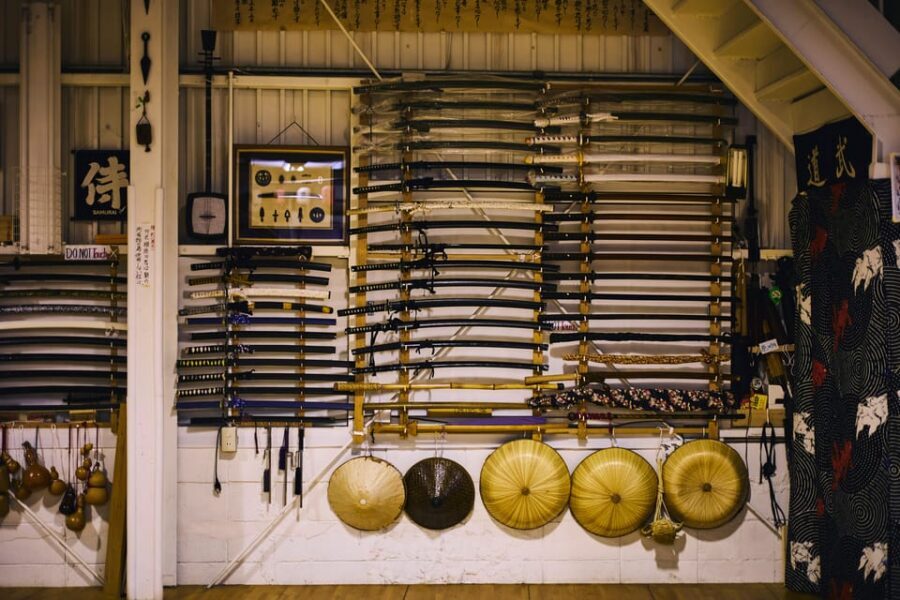
This class is designed for beginners and first-time participants, and the teaching style reflects that. People describe step-by-step explanations, patient corrections, and coaching that adapts to different comfort levels.
Here’s what you’re really learning in the early stage:
- how to hold your shinai with control
- how to keep your balance during footwork
- how to execute basics with timing instead of brute force
- how defensive actions and counters fit into the overall rhythm
You might be surprised by how much work your legs do. Kendo basics rely heavily on stance and movement. One of the most common reactions is that it’s a workout.
If you’ve done other martial arts before, you’re still welcome. In that case, you may be able to engage more deeply during the match-style portion, because you’ll already understand the idea of controlled contact and respectful sparring.
Sparring That Feels Competitive, Not Chaotic
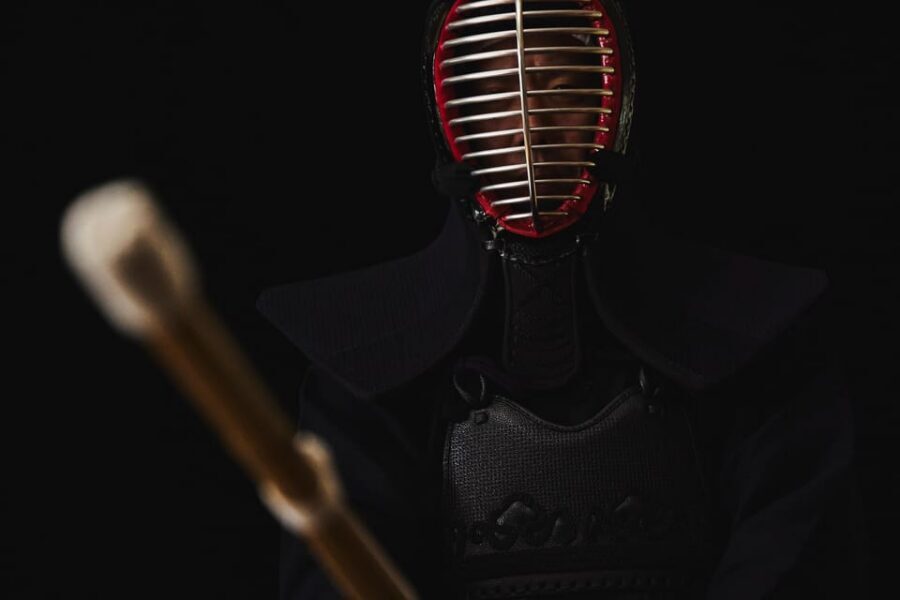
The final section is often the highlight: paired practice followed by match-style bouts with real Kendo rules.
A few useful things to know so you enjoy it:
- You’re doing sparring with protective armour, which changes the mindset from fear to focus.
- The instructors manage intensity. You’re encouraged to do your best, but you’re not left flailing.
- Timing and spirit matter more than strength. Even if you’re not the biggest person in the room, you can still do well by moving cleanly and reacting on cue.
People also mention that the sparring can be guided to your level. One person even described a semi-private feel when the group was small, which likely means you get more direct attention and corrections.
The Samurai Photo Session in a Real Dojo
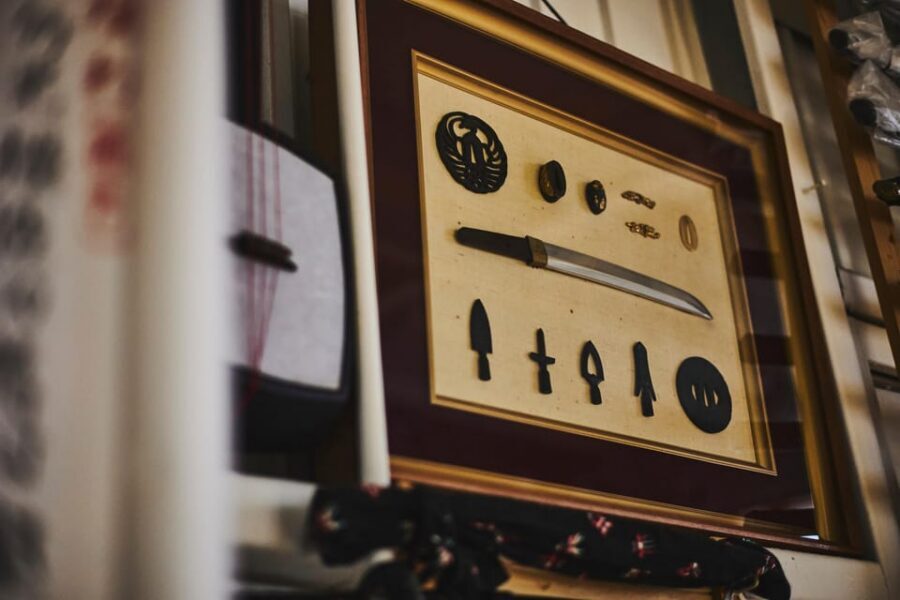
Most photo stops in Japan end the moment you get your picture. Here, the dojo setting adds weight. The photos feel connected to the training, not stuck on afterward.
You’ll get a Samurai photo session inside an authentic training space, with Samurai items and props. The team also helps with posing while you’re in gear, so you’re not stuck guessing how to stand in armour.
If you’re travelling with someone who loves anime or samurai aesthetics, this part is a strong win. Even if you’re not, you’ll still end up with photos that look different from standard tourist shots because the environment is the real thing.
Price and Value: Why $127 for 2 Hours Works
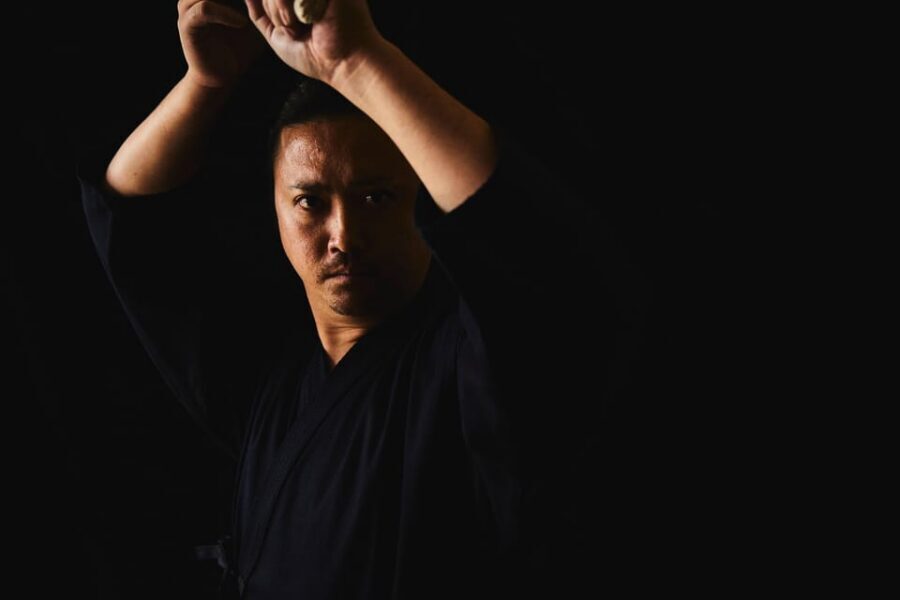
At $127 per person for about 2 hours, you’re paying for more than “a class.” You’re paying for:
- full instruction (history + etiquette + technique)
- rental and guidance with protective armour
- a shinai session with a structure that builds from basics to sparring
- photos taken by the team
It’s not the cheapest activity in Osaka. But it often feels fair because you’re getting full gear and coached sparring, not just a short demo.
Think of it like this: if you tried to replicate it yourself, you’d spend time finding equipment, finding a dojo willing to teach beginners, and figuring out how to train safely with no etiquette background. This gives you that setup in one clean package.
Who Should Book This Kendo Experience
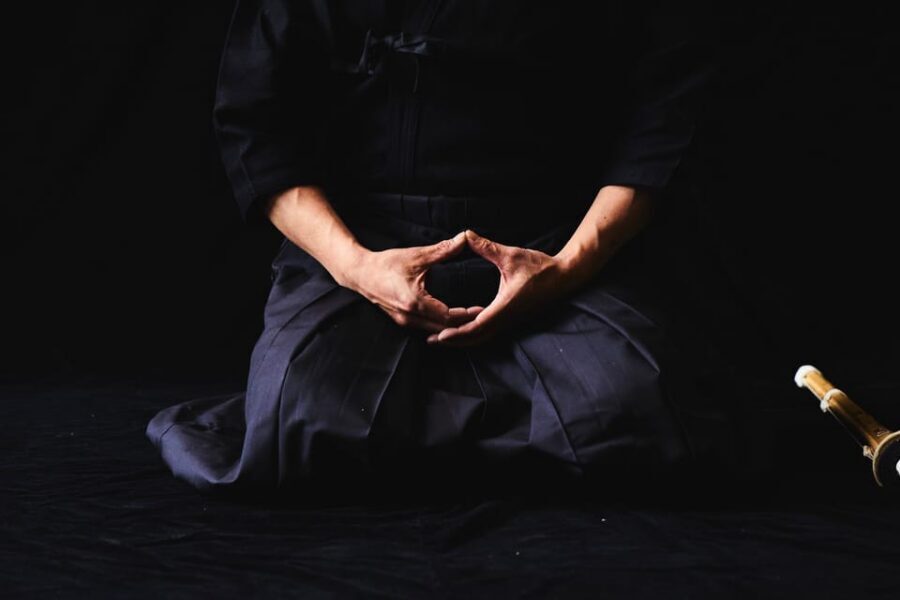
This is a great fit if you:
- want hands-on Japanese culture, not just sightseeing
- love martial arts, anime, or anything samurai-themed
- want a beginner-friendly workout that uses discipline instead of chaos
- care about taking photos in authentic settings
It’s also a solid choice if you’re travelling as a couple or small group, because people report getting attentive support and friendly guidance.
Age and effort reality check
The experience does have clear limits:
- Children under 2 can’t try Kendo.
- Children 3–5 mainly do a uniform and gear experience plus photo time, not the full adult-style training.
- People over 75 can’t try Kendo (they’re limited to viewing).
And for adults: go in knowing it’s physical. Your legs, especially, will feel it.
What to Bring (and What to Skip) for a Smooth Session
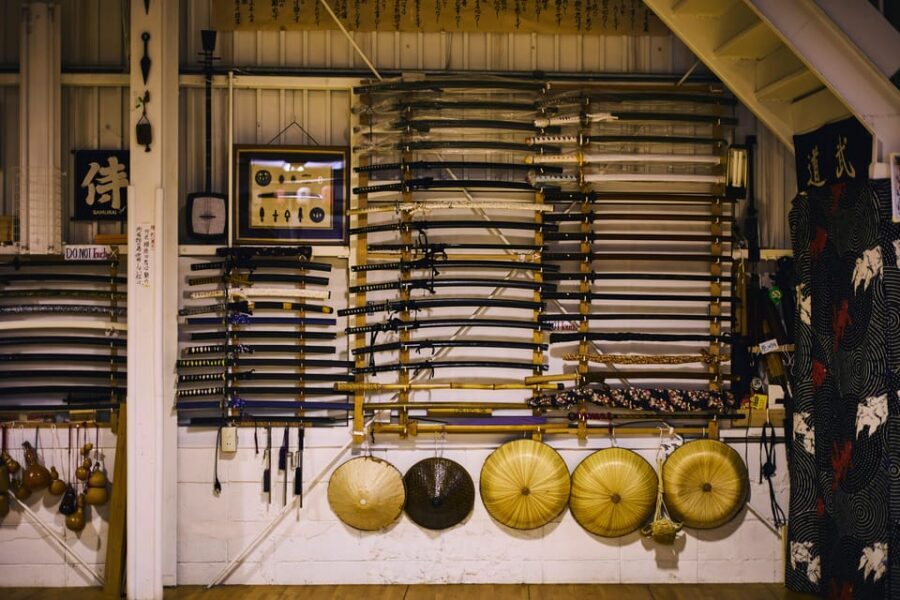
This part is easy, but do it right.
Bring:
- Drinks
Do not bring:
- alcohol or drugs
For the best fit, you’ll want to share your height, weight, and gender so the team can help ensure comfortable and safe gear fitting.
Comfort tips that help:
- Plan to move. This isn’t a sit-and-watch class once training starts.
- Wear normal clothes to meet point and expect to change into the provided uniform.
- Hydrate before you start, since you’ll be in full equipment and activity for the full 2 hours.
Should You Book It in Osaka?
Yes, I’d book it if you want a real, active taste of Japanese martial tradition. The combination of full protective armour, structured beginner training, English-speaking support from instructors like Toshi and Kumiko, and a dojo photo session makes it feel complete.
I would hesitate only if:
- you’re sensitive to physical effort
- you’re outside the allowed age range for trying Kendo
- you’re mainly after sightseeing photos and don’t care about technique or etiquette
If you’re on the fence, aim for the match-style portion. That’s where this experience stops being a novelty and becomes genuinely memorable.
FAQ
How long is the Samurai Training Experience Kendo in Osaka?
It lasts 2 hours.
What does the price include?
You get a lecture about Kendo, wearing Kendo uniforms and protective armour, instruction from the instructor team, and a Samurai photo session.
Do I need previous Kendo experience?
No. The program is designed mainly for beginners and first-timers. People with prior experience can also join for the sparring portion in a respectful way.
Will I be sparring during the session?
The class includes paired practice and a match-style experience following Kendo rules. You will be able to try this as part of the main training portion.
What are the age limits for trying Kendo?
Children under 2 cannot try Kendo. Children aged 3–5 mainly do photos and gear-related activities. People over 75 are not allowed to try Kendo.
What language is instruction in?
Instruction is available in English and Japanese.
Where is the meeting point?
Use this link for the meeting point: https://maps.app.goo.gl/TMh27QCxdZx2bgRS6
What should I bring with me?
Bring drinks.
Are alcohol or drugs allowed?
No. Alcohol and drugs are not allowed.