REVIEW · OSAKA
Samurai dress-up and shows, plus Tea Ceremony & Calligraphy
Book on Viator →Operated by 道-michi- · Bookable on Viator
Samurai gear in Osaka, without the hassle. This 3-hour indoor cultural stop mixes samurai dress-up with live sword and traditional music shows, then adds hands-on tea ceremony and Japanese calligraphy. It’s designed to feel like you’re trying several sides of Japan, not just watching one performance.
What I like most is the way the whole experience stays interactive. You’re not stuck in the back row; you get guidance, you practice, and you leave with the sense that you actually did something. One watch-out: if you want the extra look of a kimono, it’s not included and costs ¥19,800 per person.
In This Review
- Key highlights
- What you do in 3 hours: armor, sword show, tea, and calligraphy
- Samurai dress-up and the sword + music show
- What to expect during the show
- A practical note on comfort
- Tea ceremony: calm, guided, and included
- What makes it work for first-timers
- Calligraphy practice: making something you can take home
- What you should watch for
- Traditional music: lessons and live performance
- Why it’s a smart add-on
- Price and logistics: is $123.87 good value?
- What’s included
- What’s not included
- Where it fits in your Osaka day
- Staff and interaction: why this experience feels personal
- Choosing your order
- Who this is best for
- Final verdict: should you book the Samurai armor + tea + calligraphy experience?
- FAQ
- How long is the experience?
- Where is it located in Osaka?
- Are the activities indoors?
- What’s included in the price?
- Is the kimono included?
- Do I get a ticket on my phone?
- Can most people participate?
- Can I cancel for a full refund?
Key highlights
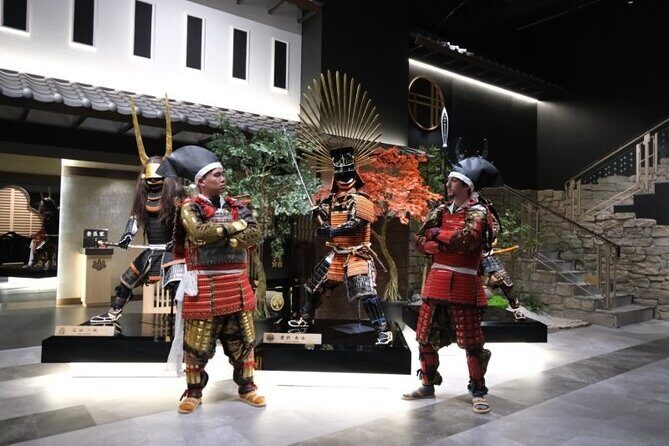
- Samurai armor + live sword performances: You get the theatrical side of samurai culture with traditional music running alongside.
- Tea ceremony and calligraphy included: You do the calm, careful arts, not just observe them.
- All indoors, any season: Bad weather doesn’t ruin the plan since everything happens inside.
- Start where you want: You can choose which activities to start with, and staff will assist.
- Real staff attention: Reviews mention personalized care from hosts including Roi and Maya.
What you do in 3 hours: armor, sword show, tea, and calligraphy
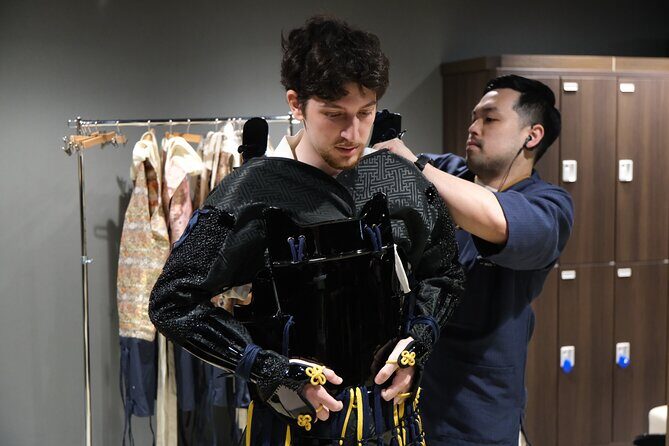
This experience is built like a “taste of Japan, fast.” In about 3 hours, you move through multiple cultural activities under one roof—samurai dress-up and shows, plus tea ceremony and Japanese calligraphy.
The flow matters because it keeps your attention. You’re not only waiting your turn; you’re actively participating in parts of the program. That’s a big deal in Osaka, where you can easily fill a day with food and sights but still want something meaningful that feels distinctly Japanese.
Also, everything is indoors. When you’re exploring near Dotonbori and Shinsaibashi, you might be walking a lot and taking breaks in between. This stop works as a break that doesn’t feel like you stopped doing things.
You can also read our reviews of more tours and experiences in Osaka.



Samurai dress-up and the sword + music show
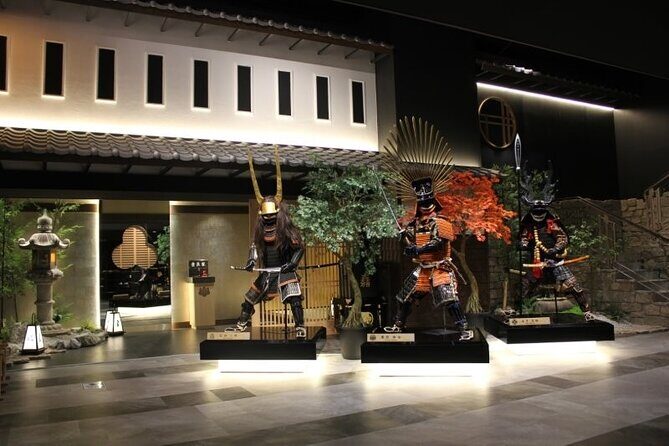
Let’s start with the main event: getting into samurai armor and joining the show side of the experience. This isn’t presented as a quiet photo-op. The program includes dynamic sword performances and live traditional music, so the armor makes sense in the moment.
Even if you’ve seen Japanese performances before, the value here is the combo: armor + performance + music. That pairing helps you understand what samurai culture looks and sounds like in a staged, entertaining way. It’s not an academic lecture. It’s theatrical, but it’s also guided and structured so you’re not guessing what’s happening.
What to expect during the show
You’ll be brought through the steps of how the experience runs, and staff assist you as you go. One detail I really appreciate is that you can choose your order. That means if you’re eager to get the armor first, you can likely do that, then switch gears to the calmer arts later.
A practical note on comfort
Armor can look dramatic and feel heavy. Since the program is only about 3 hours total, it’s often easier than committing to a full half-day “costume + activity” schedule. Still, if you’re sensitive to heat or restricted movement, plan to take your time, listen to staff instructions, and move carefully.
Tea ceremony: calm, guided, and included
After the energy of the sword performances, the tea ceremony acts like a reset. The experience includes coffee and/or tea, and the tea ceremony portion is part of what you pay for—so you don’t have to hunt for a separate class in Osaka.
Tea ceremony is valuable in a tour setting because it teaches you how to slow down without making you feel stuck. You get a refined, guided introduction, which is ideal if you don’t speak Japanese and you want cultural context with minimal confusion.





What makes it work for first-timers
The staff approach seems designed for beginners. Reviews highlight how welcoming and friendly the hosts were, and how they helped people through each activity. That matters because tea ceremony can look simple, but it isn’t always easy to do correctly without guidance.
Also, since everything is indoors, tea time stays comfortable. No scrambling around in the rain or heat before your class starts.
Calligraphy practice: making something you can take home
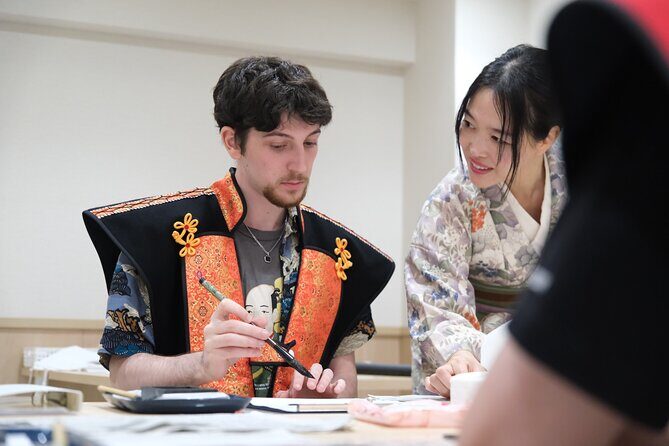
If samurai armor is the wow factor, Japanese calligraphy is the “I actually learned something” moment. The program includes a calligraphy activity, described as hands-on practice with instruction.
This kind of lesson is worth it because calligraphy isn’t just scribbling. It’s about brush control, rhythm, and making deliberate strokes. Even if you don’t master it instantly, you’ll at least walk away with a sense of how the motions connect to meaning.
What you should watch for
You’ll be asked to follow along during the lesson, so give yourself mental space. If you’re the type who gets frustrated with beginner-level crafts, remember: the goal is practice and guidance, not perfection.
If you’re traveling with family or friends, calligraphy is also a nice bridge between ages. It doesn’t require physical toughness the way armor show moments might.
Traditional music: lessons and live performance
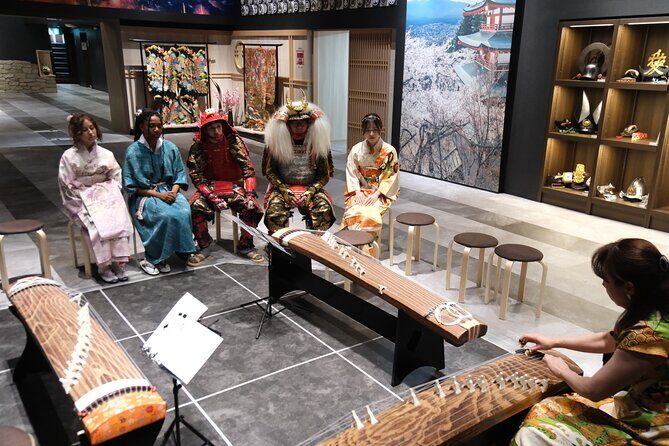
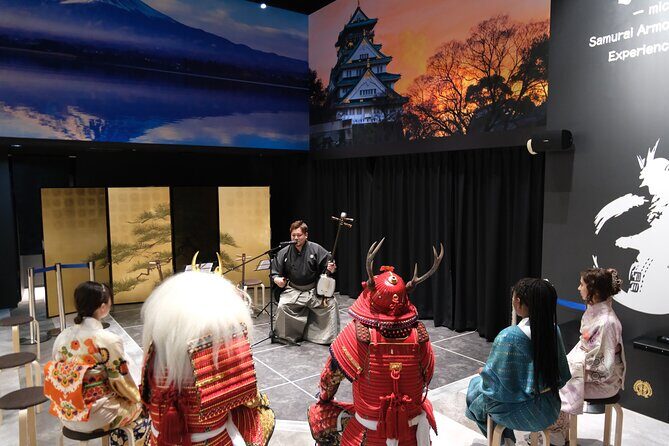
The experience doesn’t just include music as background. It features live traditional music, and some parts include music learning—reviews specifically mention music lessons as a highlight.
This is one of the reasons the “all in one place” idea actually works. Music is part of how Japanese performance traditions connect with movement, timing, and atmosphere. In other words, the sound isn’t random. It supports the overall feel of the show and your cultural experience.
Why it’s a smart add-on
If you’ve ever felt that “watching performances” can pass too quickly, music lessons are a helpful fix. You’re doing more than observing—you’re participating in the rhythm and structure of the art.
Price and logistics: is $123.87 good value?
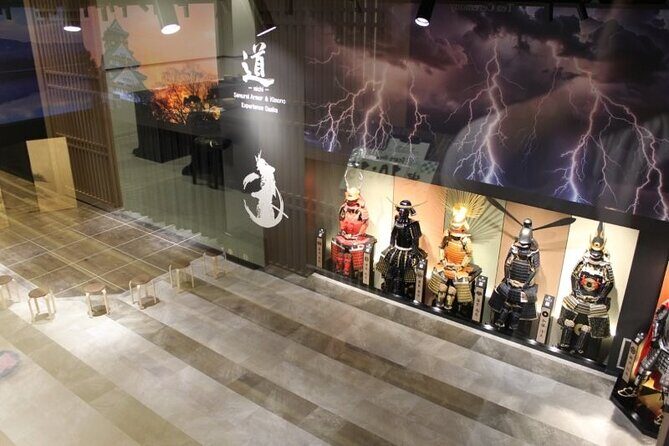
At $123.87 per person for roughly 3 hours, you’re paying for a bundled package of multiple activities: samurai dress-up and shows, sword performance, live traditional music, plus tea ceremony and calligraphy. That matters because you’re not piecing together a costume experience, then separately booking a tea class, then separately booking calligraphy.
What’s included
From the info provided, included perks make the experience feel more complete:
- Coffee and/or tea (and hot/cold water and tea)
- Locker
- WiFi
- A public transportation convenience note (within about 10 minutes’ walk from stations like Namba/Shinsaibashi)
All activities are stated as indoors, which can be a hidden value point. Weather risk is real in Osaka. Indoor structure helps you avoid wasting time and energy.
What’s not included
If you want the kimono look, wearing one costs ¥19,800 per person. That’s a meaningful add-on, so decide early whether you truly want it. The base experience already includes the samurai armor component, which is the main costume theme.
Where it fits in your Osaka day
The venue is described as about a 5-minute walk from Dotonbori. That’s ideal for travelers who want to do an easy, central cultural stop between sightseeing bursts. You’re likely already walking the Dotonbori/Shinsaibashi area anyway.
Staff and interaction: why this experience feels personal
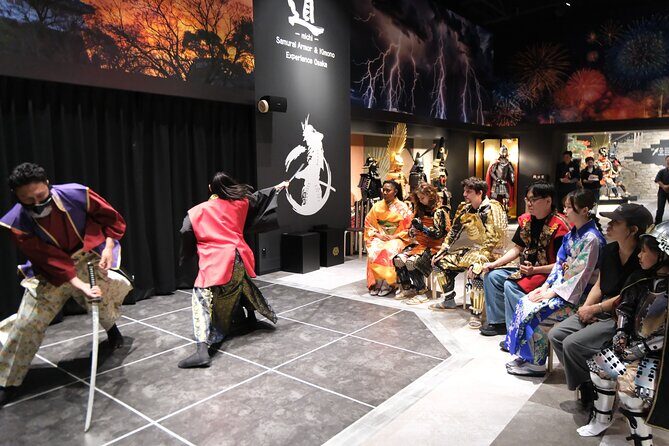
What repeatedly shows up in the feedback is staff warmth and attention. Reviews mention hosts being welcoming and friendly, plus a level of professionalism that kept people from feeling lost.
Two names come up specifically: Roi and Maya. Reviews describe them as providing outstanding attention to detail and accommodating individualized requests. That’s exactly what you want in a multi-activity tour—because you may have different comfort levels with costume time, sword show energy, or hands-on workshops.
Choosing your order
One practical detail that makes the experience easier to enjoy is that you can choose which activities to start with. Then staff assist you. That flexible start is helpful if you’re jet-lagged, traveling with kids, or just want the most exciting part first.
Who this is best for
This fits best if you want a concentrated cultural experience in a central Osaka area—especially if you’re short on time.
You’ll likely enjoy it if you:
- Want multiple Japanese cultural activities in one stop (not just one show)
- Like interactive experiences where you’re not only watching
- Appreciate indoor plans for comfort in any season
- Want a guided introduction to tea and calligraphy without language stress
If you hate workshops and prefer purely free-form touring, you might find the structured activities feel a bit planned. But if you like having something set up for you, this kind of format is a relief.
Final verdict: should you book the Samurai armor + tea + calligraphy experience?
I’d book it if you want a high-impact cultural stop that combines costume drama, live performance, and hands-on art, all in about 3 hours near Dotonbori. The value is strongest when you treat it as a bundled cultural lesson, not just a show.
The main decision point is the kimono cost. The base experience already gives you strong visual identity through samurai armor. If kimono isn’t essential for your photos or your Japan “look,” you can keep spending under control.
Overall: it’s the kind of activity that works even when Osaka is already packed with food, lights, and walking. It gives you something tactile, guided, and distinctly Japanese without dragging your whole day away.
FAQ
How long is the experience?
It runs for about 3 hours (approx.).
Where is it located in Osaka?
It’s at Shinsaibashi ARTY Inn, described as about a 5-minute walk from Dotonbori.
Are the activities indoors?
Yes. The program states that all activities take place indoors, so it’s comfortable in any season.
What’s included in the price?
The included items listed are coffee and/or tea, hot/cold water and tea, WiFi, and a locker. The cultural activities include samurai dress-up and shows, plus tea ceremony and calligraphy.
Is the kimono included?
No. Wearing kimono is listed as ¥19,800 per person and is not included.
Do I get a ticket on my phone?
Yes. It uses a mobile ticket.
Can most people participate?
Yes. The info says most travelers can participate.
Can I cancel for a full refund?
Yes. Cancellation is free up to 24 hours in advance for a full refund.
—
If you want, tell me your travel dates and whether you care about the kimono look. I can help you decide where this fits best in a Dotonbori/Shinsaibashi day plan.