REVIEW · OSAKA
Make Ramen and Gyoza with Homemade Secret Recipe
Book on Viator →Operated by 株式会社Japanticket · Bookable on Viator
Osaka turns out to be even tastier when you cook it yourself. In this class near Matsuyamachi Station, you make your own ramen (including noodles and broth base) and gyoza from scratch, then sit down to eat what you cooked and take photos.
I especially loved how practical the lesson felt—this is not just watching a chef. You’ll actually work the noodle-making process, choose between soy sauce, miso, or salt for the soup base, and learn the full gyoza workflow from filling to pan-frying.
One thing to consider: it is a hands-on cooking session, so you should be ready to spend the whole 2.5 hours actively cooking rather than sightseeing. Also, drinks aren’t included, so plan for extras if you want something with your meal.
In This Review
- Key highlights you will care about
- Osaka’s ramen and gyoza class: what you’re really signing up for
- Matsuyamachi meeting point: the easiest way to start
- Your ramen begins with a broth choice: soy, miso, or salt
- Noodle making with the machine: where texture becomes real
- Gyoza from filling to pan-frying: the part you’ll remember
- Half-rice ramen with gyoza: eating your work like a local
- Recipes, souvenirs, and the chopsticks take-home
- Who teaches here, and what that changes for you
- Price and what $84.70 buys you in Osaka
- Best time slots and when this class is especially smart
- Practical tips so you enjoy the full 2.5 hours
- Should you book this ramen and gyoza class in Osaka?
- FAQ
- How long is the ramen and gyoza cooking experience?
- What will I make during the class?
- What is included in the $84.70 price?
- Do they accommodate allergies or vegetarian requests?
- Where do I meet the group?
- Is there a mobile ticket?
- What group size should I expect?
- Is the experience refundable if I cancel?
Key highlights you will care about
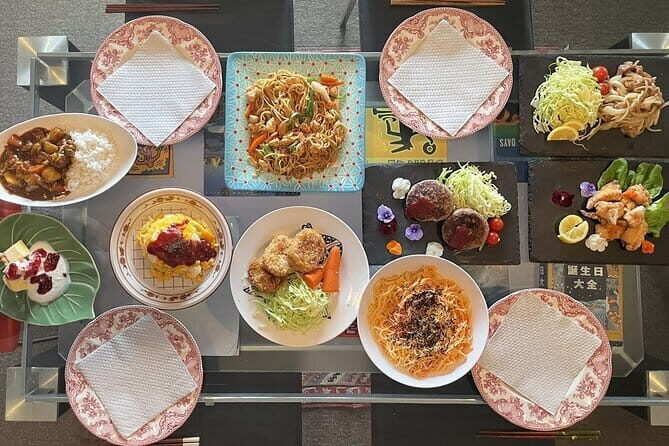
- Small-group energy: capped at 15 people, so questions and hands-on time are realistic
- Choose your broth base: soy sauce, miso, or salt, then build your ramen around it
- Noodles + dumplings, both made by you: noodles with a machine, gyoza from filling to pan-frying
- You eat it right away: taste your half-rice ramen with gyoza, then take photos
- Take-home help: cooking chopsticks and the recipes you learned
Osaka’s ramen and gyoza class: what you’re really signing up for
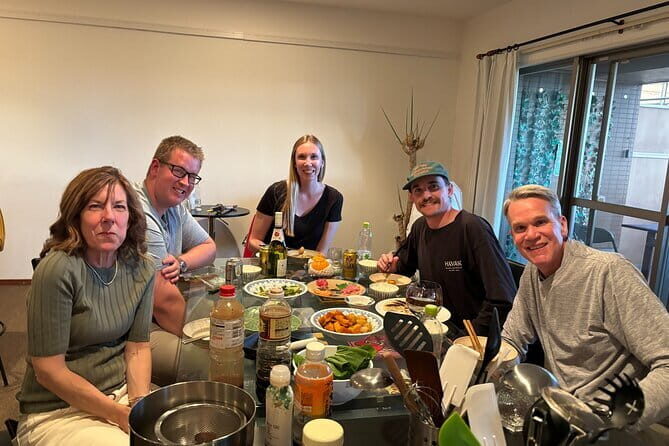
This is the kind of Osaka food experience that helps you cook back home, not just collect a memory. You start with a short walk from Matsuyamachi Station to the studio, and the mood stays friendly and informal. The class is built around doing real steps that matter in Japanese home cooking: making noodles, building flavor in a ramen base, and getting gyoza right on the pan.
Two big appeals make this class worth your time. First, you get to choose your ramen style direction immediately with the broth base options. Second, gyoza isn’t treated like a simple assembly task—there’s real coaching on filling, shaping, and getting that pan-fried result.
And yes, you’ll probably talk food and culture while you cook. In particular, the teaching style from Shohei (with Marie assisting) comes through as warm and attentive—exactly the kind of guidance that makes a short class feel less intimidating.
You can also read our reviews of more tours and experiences in Osaka.


Matsuyamachi meeting point: the easiest way to start
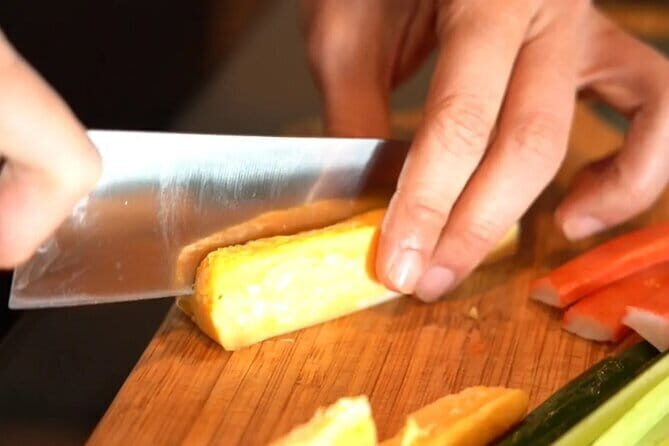
You meet at Matsuyamachi Station, then head to the cooking studio, about a five-minute walk away. The meeting area is straightforward, and the experience is designed around you arriving, getting oriented fast, and starting work quickly.
A nice touch is that the route typically includes a stroll past a nearby old-fashioned shopping street. Even if it’s brief, it sets the Osaka rhythm: shopfronts, everyday snacks, and that local feel that’s hard to manufacture at a restaurant.
Timing matters, too. The class runs multiple sessions through the day—early morning, lunch, afternoon, and evening. That flexibility helps you plug this into your itinerary without forcing you to rearrange everything around one fixed time.
Your ramen begins with a broth choice: soy, miso, or salt
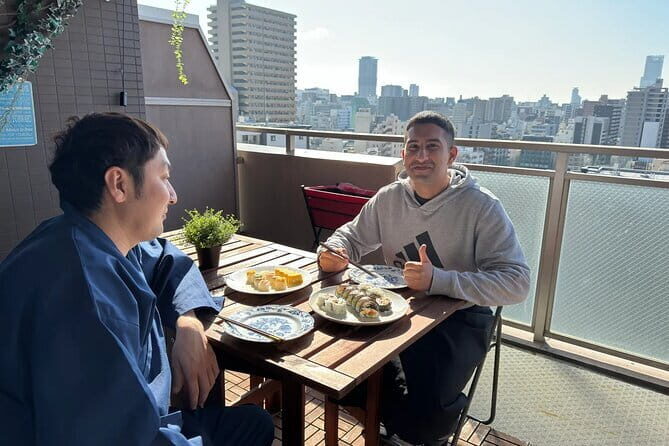
Right away, you’re asked to choose your ramen soup base: soy sauce, miso, or salt. This step is more important than it sounds. It turns ramen from a vague dish into something you can taste, adjust, and understand.
In practice, it also helps the class move efficiently. Everyone has a shared start point, but your final flavor direction is personal. If you’re the type who wants to control the outcome instead of following a script, you’ll like this.
Then you move into making your own ramen soup. The class is structured so you don’t just mix ingredients and hope for the best—you’re guided through the process and learn what each base is trying to deliver. Even when you’re not cooking at home often, you come away with the logic behind the flavor.
Noodle making with the machine: where texture becomes real
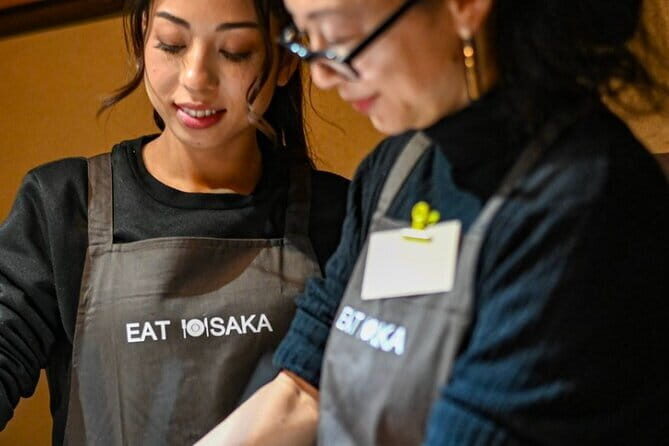
The lesson includes making ramen noodles using a noodle-making machine. This is one of the best parts of the experience because it’s both hands-on and skill-building. You get to feel how dough behaves, how thickness affects cooking, and how ramen texture depends on technique—not just ingredients.
If you’ve only ever eaten ramen in a bowl, noodles might seem like a background detail. Here, you learn that noodles are the backbone. Getting the process right changes the bite and mouthfeel, and that is exactly what you want to be able to reproduce later.
Also, the machine doesn’t make you passive. You’re still actively involved. The instructor guides you through how to work the steps, so you don’t feel lost. And because the group size is kept small, you should be able to get help quickly if something isn’t cooperating.
Gyoza from filling to pan-frying: the part you’ll remember

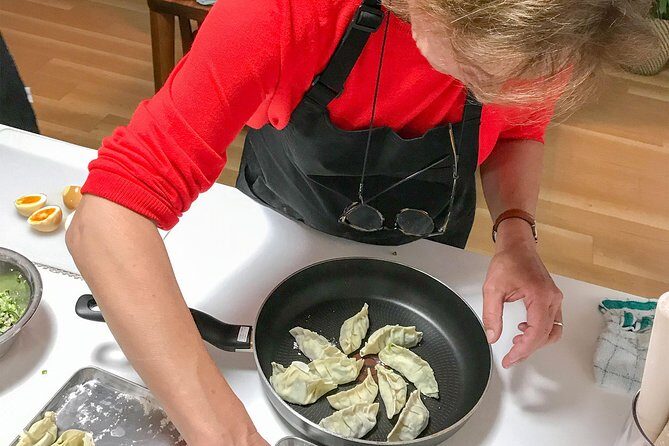
Gyoza is where this class earns its keep. You’re taught the full process, from preparing the filling to pan-frying. According to the class structure, the gyoza filling involves a bean paste component, and you’ll get instructions that explain how to work with it rather than just spoon it in and hope.
Pan-frying is the moment gyoza becomes real cooking. You’re not only making dumplings—you’re learning how to cook them so you get that browned side and proper doneness. It’s a skill that feels very Japanese because it’s simple equipment-wise but technique-driven.
You’ll likely shape and fill your gyoza under guidance, then cook them with attention paid to the rhythm of the pan. Even if you’re not a confident cook, the coaching helps you see what to watch for. And if you’re bringing a friend, this is the task where you’ll both feel proud when the dumplings start browning correctly.


Half-rice ramen with gyoza: eating your work like a local
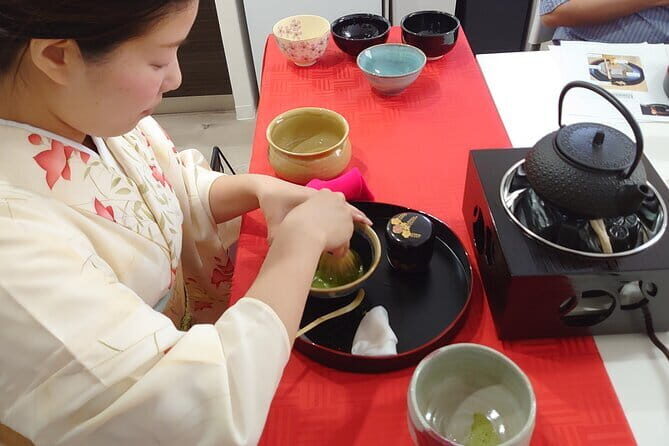
Once the ramen and gyoza are ready, you eat what you cooked. The class includes enjoying a half-rice ramen with gyoza, which is a practical, satisfying way to balance carbs and dumplings. You get the comfort of ramen flavors plus the crunch and savory punch of pan-fried gyoza.
You’ll also have time for photos. The setting makes it easy to take pictures of your plate without the pressure of a restaurant schedule. It’s a small thing, but it matters because it lets you enjoy the moment after the effort.
What I like here is that the meal doesn’t feel like an afterthought. It’s the point. This class is about building cooking confidence, and eating right away is what seals that learning loop.
Recipes, souvenirs, and the chopsticks take-home
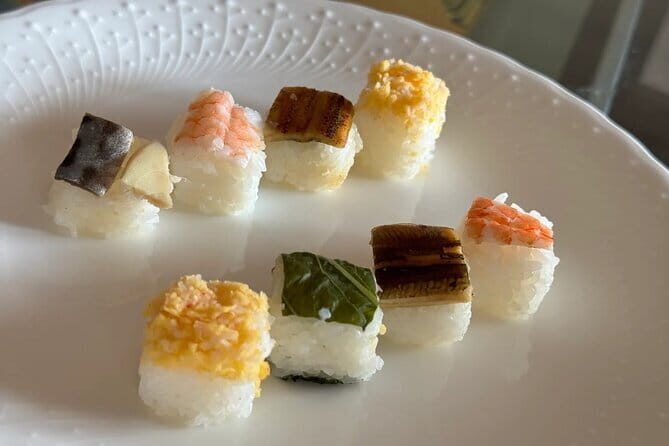
You don’t just leave with a full stomach. You also get the recipes you learned during the course and a take-home souvenir based on them. You’ll also receive cooking chopsticks as part of the experience.
That take-home piece is huge for value. Without recipes, a cooking class can turn into a blurry memory of steps you sort of remember. With written instructions and the dish logic explained during the session, you have a real chance to recreate it.
If you cook at home at all, you’ll find these recipes more useful than souvenir magnets. And if you rarely cook, you’ll still appreciate having a roadmap for the next time you want Japanese comfort food without ordering delivery.
Who teaches here, and what that changes for you
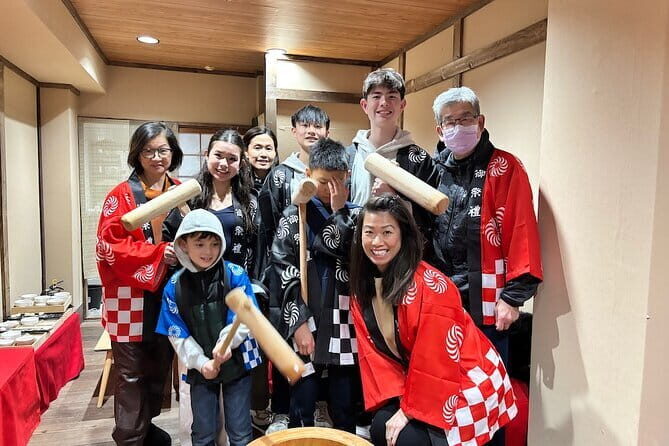
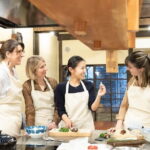
This class has a very human feel. Shohei leads the teaching, and Marie assists. From the teaching tone, it’s clear they want you cooking successfully, not just getting through the motions.
English support is strong in the way the lesson is delivered, especially if you’re worried about language barriers. You’ll be given clear directions and can ask questions while you work. That matters because ramen and gyoza are built on small technique cues—timing, texture, heat management—where guidance can make a real difference.
You also pick up more than recipes. The conversation tends to include food and everyday Japanese life, which can make the whole experience feel less like a task and more like cultural exchange.
Price and what $84.70 buys you in Osaka
At $84.70 per person for about 2 hours 30 minutes, you’re paying for more than a meal. Your price covers the material and cooking lesson itself, plus the venue fee and the tableware/cooking equipment rental.
It also includes souvenirs and the cooking chopsticks take-home gift, so you’re not just paying for instruction. The trade-off is that drinks and alcohol are not included, and transportation to the meeting point is on you. If you plan to have a drink, budget a little extra so you’re not surprised later.
Is it good value? For me, it is when you want a skill-based food experience. You’re essentially learning how to make two iconic Japanese items—ramen noodles with a broth-building step, plus gyoza with pan-frying technique. If you were paying only for a restaurant meal, it wouldn’t be close. But because you leave with recipes and practice, it feels like an actual culinary upgrade.
One more practical note: the experience is non-refundable and can’t be changed for any reason. So pick your session time carefully.
Best time slots and when this class is especially smart
The class offers several sessions—7:30–10:00, 11:00–13:30, 14:30–17:00, and 18:00–20:30. That flexibility is useful if you’re balancing Osaka sightseeing with food stops.
This also tends to be a strong choice when the weather doesn’t cooperate. Since you’re indoors and actively cooking, you’re not stuck hunting umbrellas or dodging rainstorms. You still get a satisfying Osaka activity, just with a warm kitchen instead of outdoor wandering.
Family-friendly energy is also part of the appeal, so if you’re traveling with kids who like hands-on tasks, this can work well—assuming everyone is comfortable participating in the cooking part.
Practical tips so you enjoy the full 2.5 hours
A few things can make the session smoother:
- Tell them about allergies or vegetarian needs at booking. The instructions are explicit about this, and the class is set up to accommodate requirements when you flag them in advance.
- Wear comfortable clothes. You’re cooking, so you want something you can move in without worrying.
- Arrive near the meeting time so you can start promptly. The experience is structured to flow from station to studio to cooking steps.
- If you care about beverages, plan ahead since drinks aren’t included.
Also, because the group size is capped at 15, you’ll usually get a friendly level of attention. On quieter days it can feel especially intimate, which is great if you like asking questions.
Should you book this ramen and gyoza class in Osaka?
I’d book it if you want a food experience that teaches you real skills: noodle-making technique, ramen broth direction, and gyoza pan-frying. The class is built around hands-on cooking, a small-group feel, and a meal you eat right after you make it. The take-home recipes and chopsticks are the kind of extras that actually help.
I’d skip it if you want a low-effort, drop-in tasting. This is work, in a good way. And because it’s non-refundable and not changeable, make sure the time slot fits your Osaka plan.
If you’re in Osaka and you want to leave with something more lasting than photos, this is a strong pick. It’s one of those rare classes where you genuinely come away knowing what to do next time you make ramen and gyoza at home.
FAQ
How long is the ramen and gyoza cooking experience?
It runs about 2 hours 30 minutes.
What will I make during the class?
You will make noodles for ramen, choose a soup base (soy sauce, miso, or salt), and learn how to prepare and pan-fry gyoza. You’ll also enjoy half-rice ramen with gyoza.
What is included in the $84.70 price?
The price includes material cost, the cooking lesson fee, venue fee (cooking/drinking), souvenirs fee, and tableware/cooking equipment rental fee. It does not include drinks or alcohol.
Do they accommodate allergies or vegetarian requests?
Yes. You should inform them at the time of booking about allergies or vegetarian requirements.
Where do I meet the group?
You meet at Matsuyamachi Station (2 Chome-6 Andojimachi, Chuo Ward, Osaka, 542-0061, Japan). The activity ends back at the meeting point.
Is there a mobile ticket?
Yes. The tour uses a mobile ticket.
What group size should I expect?
The experience has a maximum of 15 travelers.
Is the experience refundable if I cancel?
No. The experience is non-refundable and cannot be changed for any reason.