REVIEW · OSAKA
Master Washoku: 5 Core Techniques for Authentic Cooking
Book on GetYourGuide →Operated by yuki Japanese cooking class · Bookable on GetYourGuide
A three-hour cooking class that actually teaches technique. This Osaka washoku experience is led by Chef Yuki, a Michelin-trained chef, and you’ll practice five authentic Japanese snack dishes instead of just watching. You leave with real methods you can repeat at home, plus a meal that feels like an izakaya night.
What I like most is the hands-on pace and the fact that the recipes are built around core cooking logic, not mystery. Another win is the relaxed, small-group setup, where Yuki stays attentive and keeps things moving without rushing you. One thing to consider: transportation to the venue isn’t included, so plan how you’ll get there from central Osaka.
You’ll also have an optional premium sake tasting if you want the full pairing experience. And if you have allergies, tell Yuki ahead of time so the menu can be adjusted as much as possible.
In This Review
- Key Things That Make This Class Worth Your Time
- Osaka Washoku Class, Apartment Kitchen Style (and Why That’s a Good Thing)
- Meet Chef Yuki and Get Oriented Fast
- The Five Core Washoku Techniques You Practice
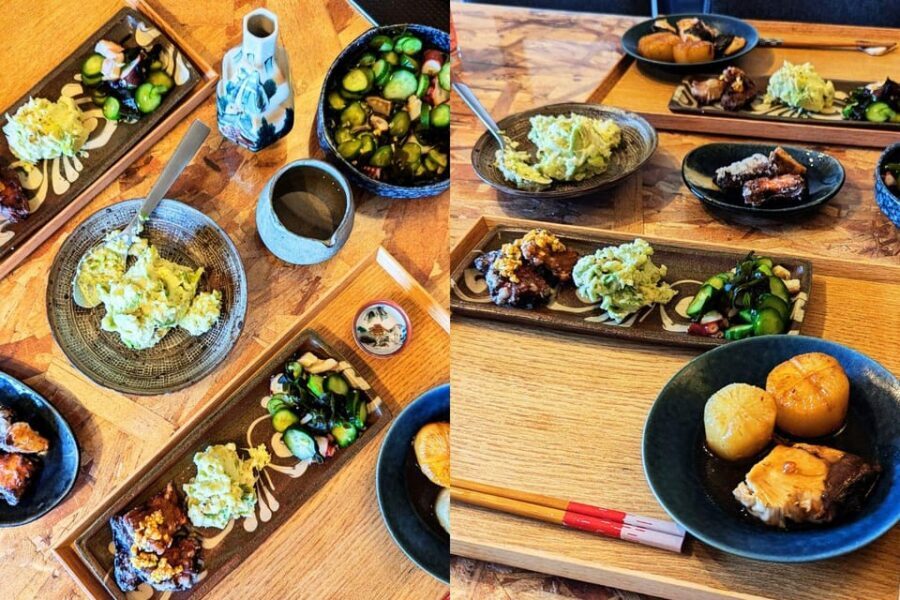
- Dish One: Wasabi Garlic Potato Salad (Izakaya Kick Without the Chaos)
- Dish Two: Octopus and Cucumber Vinegar Salad (Crunchy, Sour, and Balanced)
- Dish Three: Fish Tatsuta-age With Scallion Sauce (Crisp Craving, Explained)
- Dish Four: Simmered Yellowtail With Daikon (Tenderness Comes From Timing)
- Dish Five: Mixed Rice Onigiri (The Final Skill: Season, Shape, Eat)
- Optional Premium Sake Tasting: Chilled vs Warm Changes Everything
- How This Class Changes What You’ll Cook Next
- Price and Value: Is $109 Fair for What You Get?
- Who This Experience Fits Best (and Who Might Want Something Else)
- Quick Practical Notes Before You Book
- Should You Book Master Washoku?
- FAQ
- How long is the cooking class?
- Where is the class located?
- What’s included in the price?
- Is sake tasting included?
- How big is the group?
- What if I have food allergies?
Key Things That Make This Class Worth Your Time
- Chef Yuki’s Michelin background plus clear teaching style, which matters when you’re learning sauce balance and timing.
- Small group (max 4), so questions don’t get lost and you get personal checks while you cook.
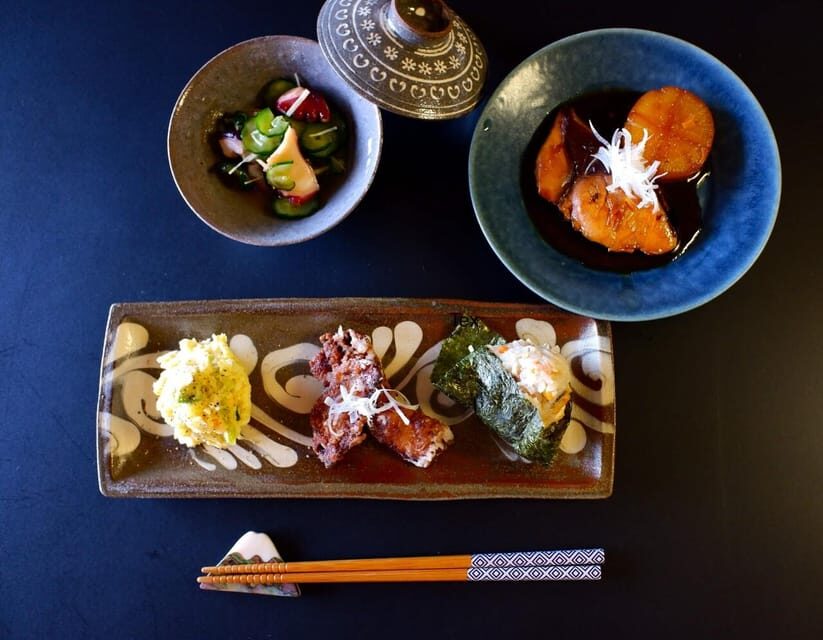
- Five dishes in three hours: salads, crispy fish, simmered fish with daikon, and onigiri.
- Washoku technique focus: grilling, simmering, marinating, and pickling show up across the menu.
- Optional sake tasting with both chilled and warm styles, so you notice how temperature changes flavor.
- All ingredients, equipment, and aprons included, plus water and tea during the class.
Osaka Washoku Class, Apartment Kitchen Style (and Why That’s a Good Thing)
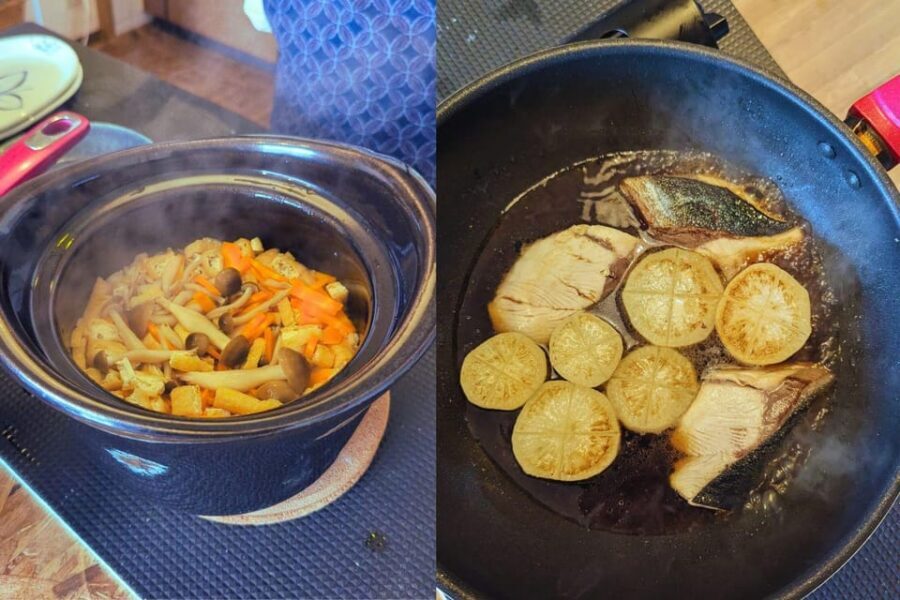
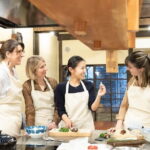
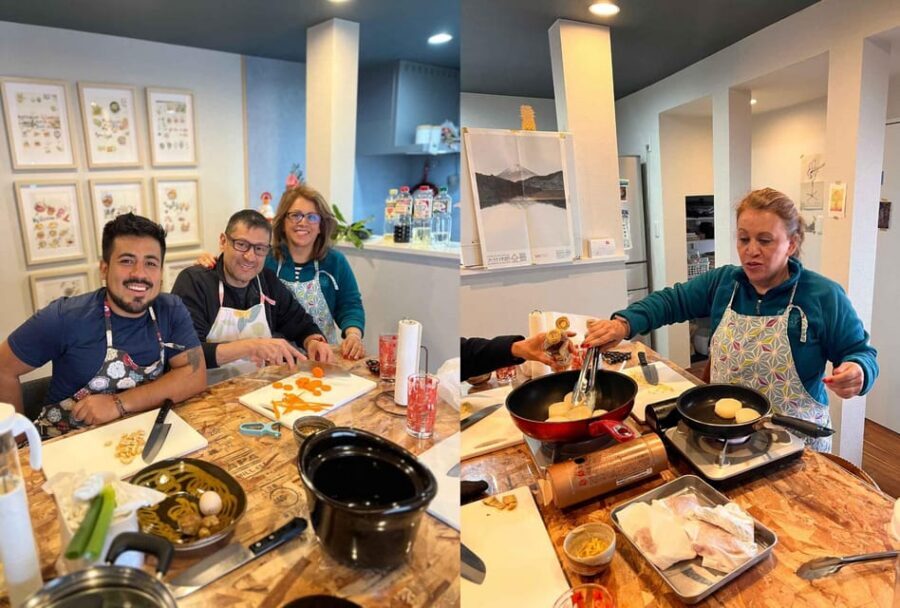
This isn’t a touristy demo. It’s a proper hands-on class inside a comfortable apartment kitchen in central Osaka. That setting changes the vibe in a good way: it feels familiar, not staged. You get to focus on what you’re doing—mixing, seasoning, shaping—without the noise and crowd pressure of a big public cooking room.
The group size helps too. With a limit of 4 participants, it’s easier to get real feedback when your sauce looks too salty, your batter consistency is off, or your rice seasoning needs a tweak. In a class this short, you want that kind of correction early, not at the very end.
You’ll work with classic washoku ingredients you’ll recognize right away: soy sauce, mirin, and sake. The point isn’t just taste. It’s learning how these ingredients behave together—how sweetness supports salt, how vinegar cuts through richness, and how rice seasoning sets up everything that follows.
You can also read our reviews of more cooking classes in Osaka

Meet Chef Yuki and Get Oriented Fast
The instructor is Yuki, speaking both English and Japanese. In practical terms, that means you can ask questions without guessing what the teacher means. You’ll also get a quick orientation to the kitchen flow so you’re not standing around wondering what comes next.
One of the strongest themes from the experience is that Yuki keeps the class engaging. It stays relaxed, but you still feel guided the whole time. That’s a big deal for beginners. When you’re learning crispy frying technique or simmer timing, you don’t want to be left with a vague set of instructions.
Also helpful: you’ll get complimentary water and tea during the class, plus digital photos of your experience and an apron. Those may sound like small perks, but they reduce friction. You can concentrate on the cooking instead of worrying about what to drink, where to place your stuff, or remembering everything.
The Five Core Washoku Techniques You Practice
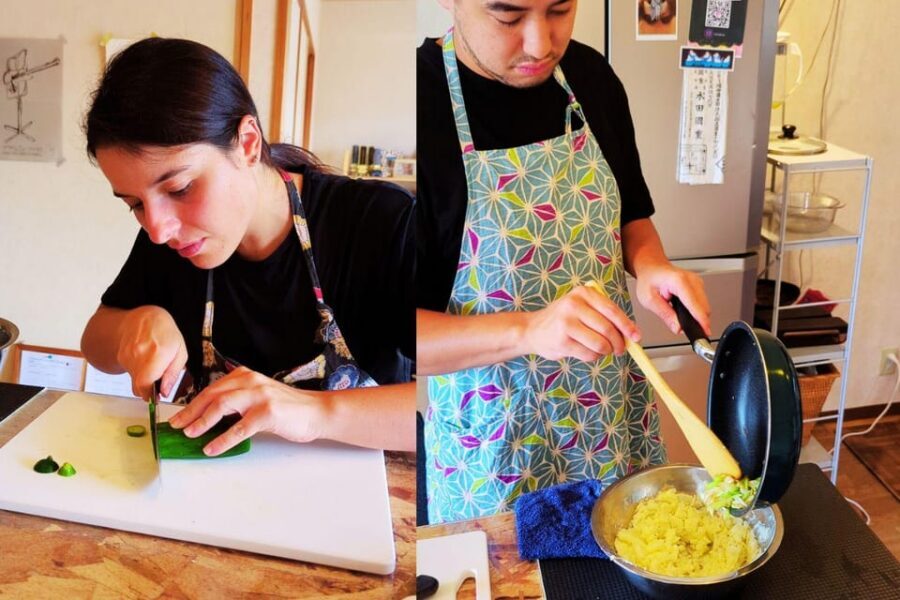
The class is built around fundamentals. You’ll see these methods repeated across multiple dishes so the skills stick.
Here’s what the menu pushes you to learn:
- Marinating: You’ll work flavors into proteins so they taste layered, not just salted.
- Pickling and vinegar balance: The cucumber salad teaches how acidity should feel, not just how it tastes.
- Grilling-type flavor and sauce building: You learn how to coat and finish for a clean, appetizing finish.
- Simmering for tenderness: The daikon and yellowtail dish is all about gentle heat and timing.
- Shaping and seasoning: The onigiri lesson shows how rice seasoning and form change the eating experience.
If you’re the type who wants to cook Japanese food beyond the usual hits, this structure is exactly what you need. It turns snack recipes into repeatable technique, which is the difference between eating well once and cooking well for years.
Dish One: Wasabi Garlic Potato Salad (Izakaya Kick Without the Chaos)
This starts you off with something comforting, but with a twist. The Wasabi Garlic Potato Salad is your introduction to seasoning balance.
What you’ll focus on:
- Getting potatoes tender without turning them into mush.
- Mixing a sauce that tastes punchy, not harsh. Wasabi can go from fun to aggressive fast if it’s not handled well.
- Using garlic for depth instead of raw sharpness.
The best part of starting here is that it trains your palate for the rest of the meal. The salad teaches you what “kick” tastes like when it’s balanced with creamy texture and savory sauce.
It also pairs well with the rest of the menu later, because you’re learning how different flavors reset your appetite rather than competing.
Dish Two: Octopus and Cucumber Vinegar Salad (Crunchy, Sour, and Balanced)
Next is the Octopus and Cucumber Vinegar Salad. This is the dish that often gets called out as a highlight, and for good reason. Vinegar salads are common in Japanese home cooking and izakaya menus, but the magic is in control: how sharp the vinegar is, how the cucumber stays crisp, and how the other flavors round it out.
You’ll learn the logic behind:
- Vinegar balance: Sour should feel bright, not painful.
- Texture control: Cucumbers are only good if they stay crisp.
- Flavor layering: The octopus brings chew and savor, and the dressing ties it together.
If you’ve only had vinegar-forward salads that taste one-note, this is your correction lesson. The goal is harmony. Sour, salty, and a touch of sweetness should work together so you want a second bite.




Dish Three: Fish Tatsuta-age With Scallion Sauce (Crisp Craving, Explained)
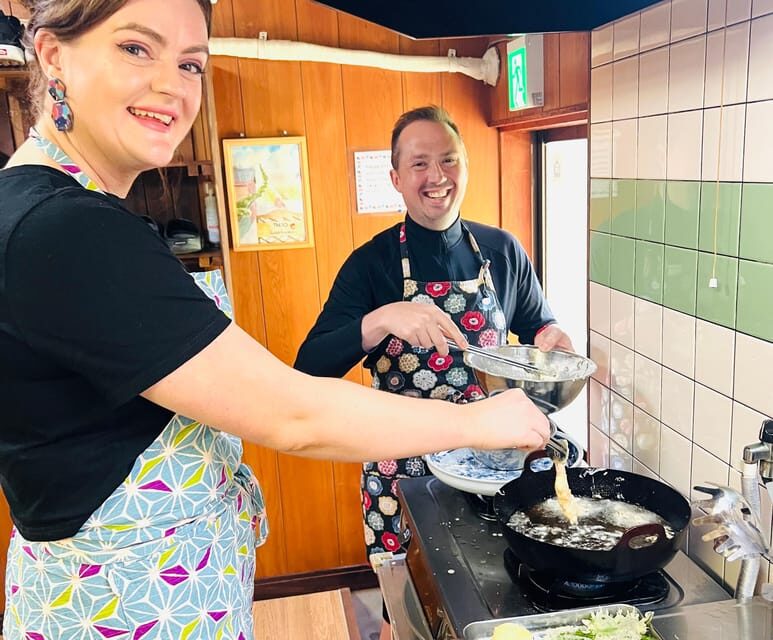
Now you move into the crisp territory with Fish Tatsuta-age with Scallion Sauce. Tatsuta-age is marinated fish that’s fried until crisp. The trick is that the frying is only half the story—the flavor comes from the marination, and the crisp comes from the coating and heat control.
What you practice:
- Marinating with soy-based sauces so the fish tastes seasoned throughout, not just on the surface.
- Getting the coating to crisp rather than go limp.
- Making a scallion sauce that finishes the dish cleanly.
This dish is perfect if you want a Japanese “appetizer skill” that feels impressive but isn’t impossible. Once you understand how marination flavor and frying texture work together, you’ll be able to adapt the technique to other proteins later.
And yes, this is the kind of dish that plays really well with sake. That’s why it lands in the menu before the simmered course.
Dish Four: Simmered Yellowtail With Daikon (Tenderness Comes From Timing)
The menu’s slow-and-smooth moment is Simmered Yellowtail with Daikon. Daikon is famously forgiving if you treat it right—and famously disappointing if you overcook it.
This is where simmering becomes a real technique, not a vague instruction. You’ll focus on:
- Gentle heat and timing so daikon turns tender but not falling apart.
- How to let sauce flavors develop while keeping the ingredients tasting fresh.
- Pairing ideas, since fish and daikon simmering are all about balance.
The yellowtail adds delicate flavor, and the daikon soaks up the sweet-salty profile that defines so much washoku comfort food. If you’ve ever cooked something that tasted good but felt flat, this dish helps you understand why simmer sauces need time and restraint.
Dish Five: Mixed Rice Onigiri (The Final Skill: Season, Shape, Eat)
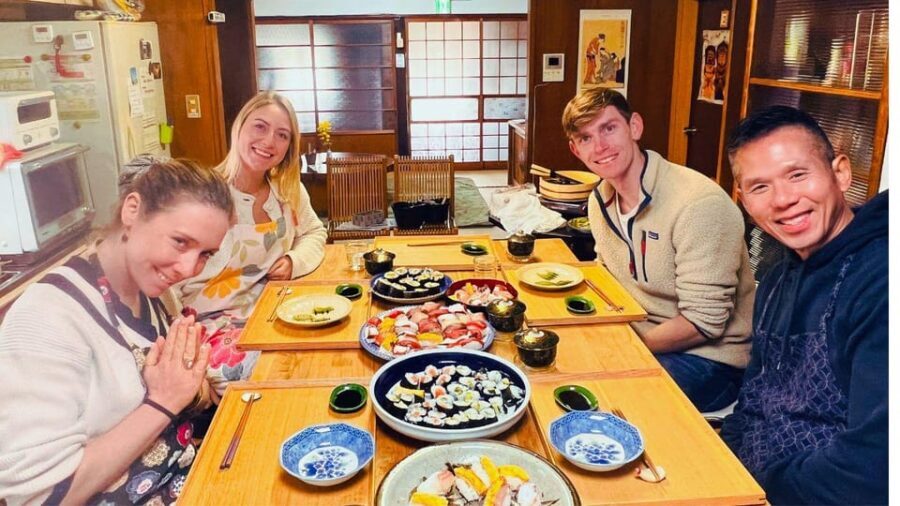
You wrap up with Mixed Rice Onigiri, which is more than making rice balls. Onigiri is Japanese comfort food built from two skills: seasoning and shaping.
You’ll learn:
- How to season mixed rice so it tastes complete, even without extra toppings.
- How to shape onigiri so it holds together and feels right to eat.
- Why onigiri is a practical food concept, not only a cute one.
This is a great ending because it gives you something portable for the future. You can take what you learn and make weekday onigiri instead of saving Japanese cooking only for weekends.
Optional Premium Sake Tasting: Chilled vs Warm Changes Everything
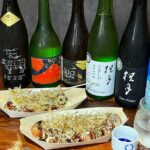
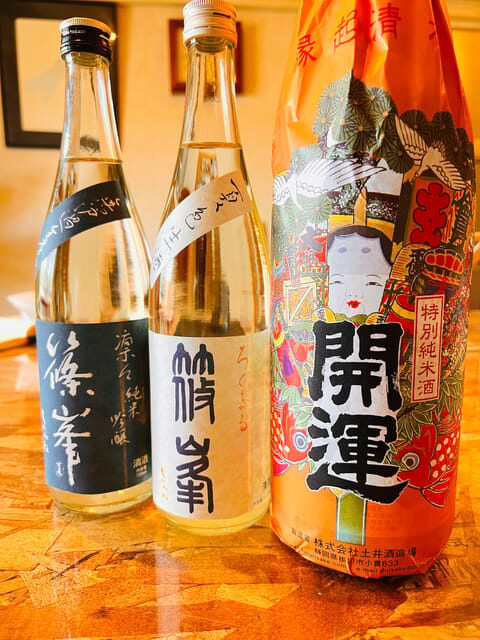
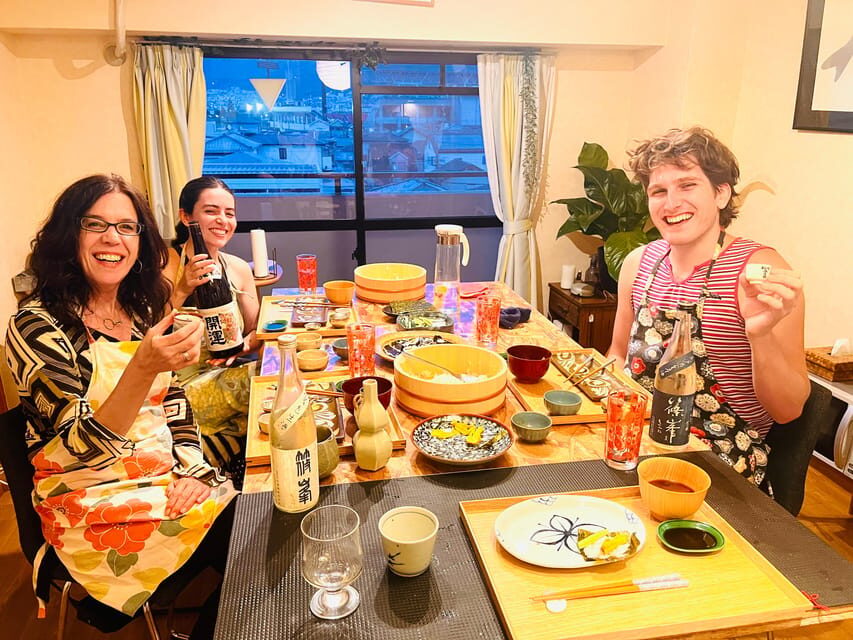
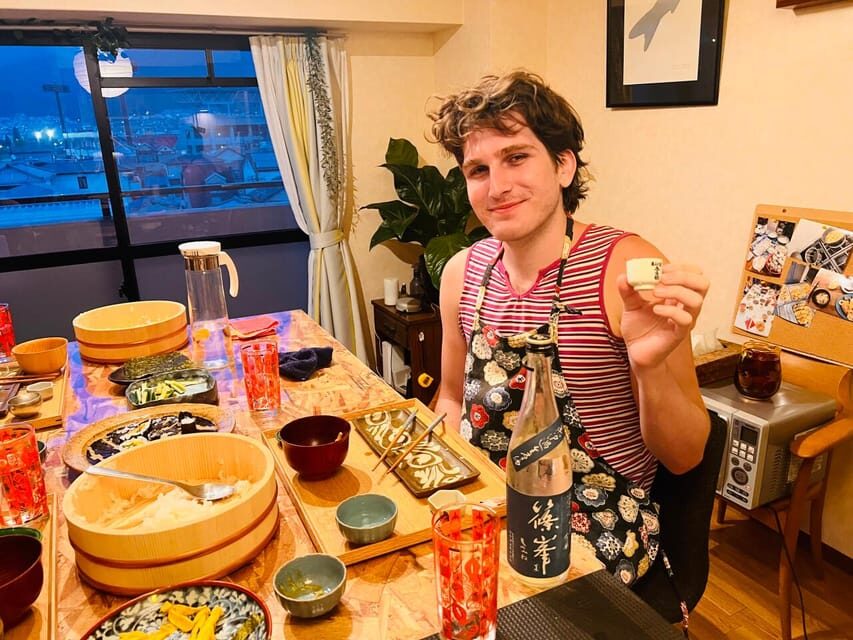
If you choose the optional pairing, you’ll taste three premium sakes: two chilled (a Junmai and a Junmai Ginjo from the same brand) and one warm. That setup is a smart way to teach you how to taste.
Here’s why it’s useful:
- Comparing Junmai vs Junmai Ginjo from the same brand helps you notice style differences rather than getting distracted by brand identity.
- Tasting one warm sake teaches temperature effects. Flavor can feel rounder, heavier, or more aromatic depending on how it’s served.
Even if you don’t consider yourself a sake expert, you can still learn fast here. You’re not being asked to memorize labels—you’re learning how taste shifts with type and temperature.
And because you’re also eating your own cooking, the pairing becomes practical. You start to understand why certain dishes get served with certain drinks.
How This Class Changes What You’ll Cook Next
This is the kind of lesson that sticks because it’s not just recipes. You’re practicing the logic behind flavor and texture.
I like that the menu covers different culinary jobs:
- salads teach balance and brightness
- fried fish teaches marination and crisp technique
- simmer teaches patience and tenderness
- onigiri teaches rice seasoning and shaping
So later, when you cook at home, you don’t just copy a dish. You understand what technique caused the result. That makes it easier to swap ingredients or adjust for what you can buy locally.
Also, the class encourages you to eat what you made, not just pack it away. With digital photos included, you’ll have something to remember, but the real value is having a finished meal in hand right after you learn each technique.
Price and Value: Is $109 Fair for What You Get?
At $109 per person for 3 hours, you’re paying for a tight, small-group, chef-led cooking experience. That includes instruction from a Michelin-trained chef, all ingredients and equipment, aprons, water and tea, and digital photos. If you add the sake option, you get guided tasting of three premium sakes.
Is it cheap? No. But it’s also not just paying for food. You’re paying for:
- focused, hands-on guidance in a group of up to 4
- technique training across multiple washoku methods
- a menu that teaches repeatable fundamentals rather than a single showpiece dish
For me, the value hinges on your goal. If you want a learning experience you can reuse at home, this price makes sense. If you only want to eat a casual meal with no technique focus, you may find cheaper options in Osaka. But if you’re serious about cooking Japanese food beyond ordering, this class is a strong use of your time.
Who This Experience Fits Best (and Who Might Want Something Else)
This class is best for you if:
- you want real technique, not just recipe instructions
- you like cooking and want hands-on help in English or Japanese
- you want an authentic Osaka meal that goes beyond sushi and tempura
- you’re comfortable learning with soy sauce, mirin, sake, and vinegar-based flavors
You might consider another option if:
- you’re expecting a full-service tour with lots of sightseeing (this is a kitchen-focused experience)
- you need someone to handle transportation, since getting to the venue is on you
If you’re traveling solo, this can still work well because the class format supports questions. And if you’re a couple or small friend group, the limit to 4 helps keep attention personal.
Quick Practical Notes Before You Book
- You’ll need to provide your own way to the meeting area since transportation is not included.
- The meeting point can vary based on the option booked.
- The instructor works in English and Japanese.
- If you have allergies, tell the chef ahead of time so preferences can be adjusted as much as possible.
Should You Book Master Washoku?
Book this if you want to learn washoku technique in a way that’s actually usable. Chef Yuki brings Michelin-level training, but the real win is the hands-on structure: five dishes, core methods, and enough time to get feedback instead of just following steps.
Skip it only if your main priority is sightseeing or you’re looking for a low-cost meal with no cooking practice. For everyone else, it’s a smart, tasty use of three hours in Osaka.
FAQ
How long is the cooking class?
The class lasts 3 hours.
Where is the class located?
It’s in Osaka, Honshu, Japan, in a comfortable apartment near central Osaka.
What’s included in the price?
You get expert instruction from a Michelin-trained chef, hands-on cooking of five authentic Japanese dishes, all ingredients and equipment, aprons, and complimentary water and tea. Digital photos of your experience are included too.
Is sake tasting included?
Sake tasting is optional. If you choose it, you’ll taste three premium sakes: two chilled (Junmai and Junmai Ginjo from the same brand) and one warm.
How big is the group?
The class is a small group limited to 4 participants.
What if I have food allergies?
If you have food allergies, let the organizer know in advance. They will adjust your preferences as much as possible.