REVIEW · OSAKA
Osaka: Kyoto & Uji Historical Sites and Scenic Delights Tour
Book on GetYourGuide →Operated by Japan Visionary Tour · Bookable on GetYourGuide
Kyoto can feel big. This tour stitches together three headline sights without wasting your whole day in transit, with a clear English-speaking guide and comfortable round-trip A/C transport. I especially like that you get the gold-leaf drama of Kinkaku-ji and the wide-open views from Kiyomizu Stage, plus time to actually wander on your own.
The main thing to consider is that part of the middle of the day is shopping-heavy and can get very crowded, so if you hate tourist streets, you’ll want a quick plan for Ninenzaka and snacks. Still, the overall pacing and value are strong, and the guide name that came up in recent feedback is Amy, praised for being professional and multilingual.
In This Review
- Key Things You’ll Like Most
- A Kyoto and Uji Day That Actually Fits: Osaka Pickup to Optional Drop-Off
- Kinkaku-ji Golden Pavilion: How to Make the Most of a 40-Minute Photo Stop
- Kiyomizu-dera and the Kiyomizu Stage: The Longest Stop for a Reason
- Ninenzaka and Yasaka Kōshin-dō: Old Streets, Matcha Stops, and One Real Drawback
- Uji River and the Tea-Origin Feeling: Why This Town Slows You Down
- Byōdō-in and Phoenix Hall: The Coin Connection and the Omotesandō Street
- How the Day Flows: Timing, Transit, Crowd Reality, and When to Just Let It Happen
- What to Bring and Who Should Skip This One
- Should You Book This Osaka-to-Kyoto-to-Uji Tour?
- FAQ
- What time does pickup happen from Osaka and from Kyoto?
- How long is the tour?
- Is the entrance fee included for Kinkaku-ji, Kiyomizu-dera, and Byōdō-in?
- What’s included in the price?
- Are meals and drinks included?
- Where can I get dropped off at the end of the tour?
- What should I bring for the day?
- Do I need to arrive early to the meeting point?
- Is this tour suitable for wheelchair users or people with mobility impairments?
Key Things You’ll Like Most
- Kinkaku-ji photo stop at the Golden Pavilion, with enough time to soak it in before the crowds move
- Kiyomizu-dera and the Kiyomizu Stage, with longer self-guided time for viewpoints and side lanes
- Ninenzaka walk for old-street atmosphere, with popular matcha stop options along the way
- Yasaka Koshindo for the famous multicolored ball display and its movie-world vibe
- Uji river and bridge scenery, plus the tea-origin feel of the town
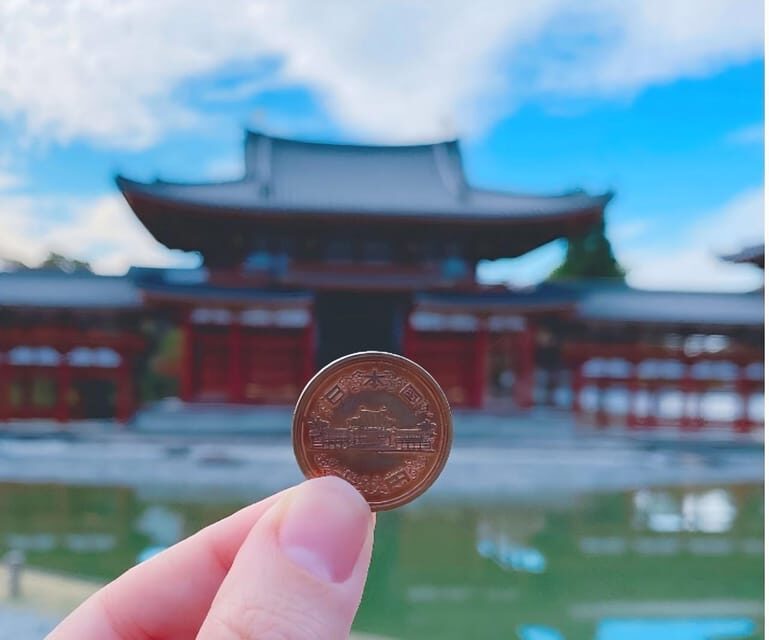
- Byodo-in and the Phoenix Hall story tied to the coin and the 10,000-yen note
A Kyoto and Uji Day That Actually Fits: Osaka Pickup to Optional Drop-Off
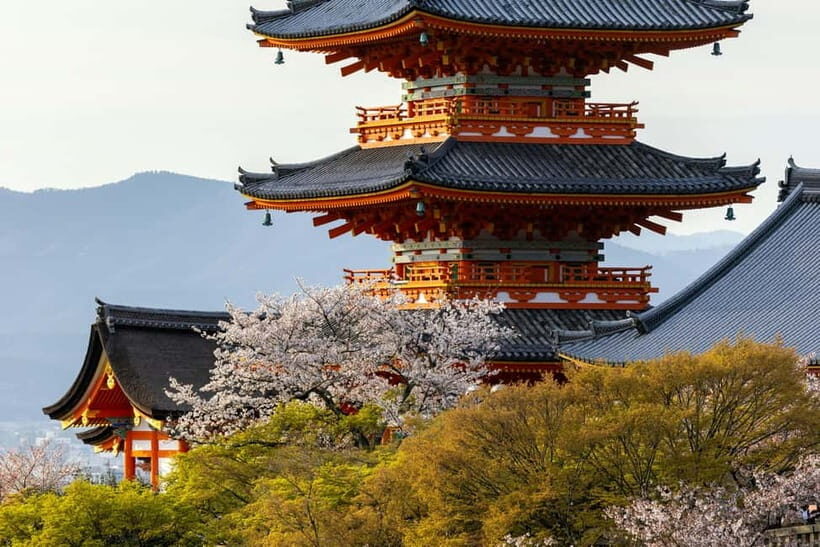
This is a 10-hour tour designed to run smoothly from either Osaka or Kyoto. If you start in Osaka, pickup is at 8:00 AM; starting from Kyoto, pickup is 9:00 AM. The schedule matters here: you’ll be on a coach for about 2 hours before the Kyoto sightseeing begins, then you’ll keep moving between areas in blocks so you’re not constantly re-planning trains.
The price is $54 per person, which is why this works well for people who want a “big hits” Kyoto day without doing everything solo. The value isn’t just the low base cost, either. You’re getting a professional English guide, round-trip transfers, and all the taxes and fees that often surprise you when you book transport separately.
Two practical notes that can shape your experience:
- Admission is not included for Kinkaku-ji, Kiyomizu-dera, and Byodo-in. So budget extra cash for tickets on site.
- You can disembark in Osaka or Kyoto, depending on the option you choose. That flexibility helps if you’re staying in one city but want the tour route to end where you actually need it.
You can also read our reviews of more historical tours in Osaka


Kinkaku-ji Golden Pavilion: How to Make the Most of a 40-Minute Photo Stop
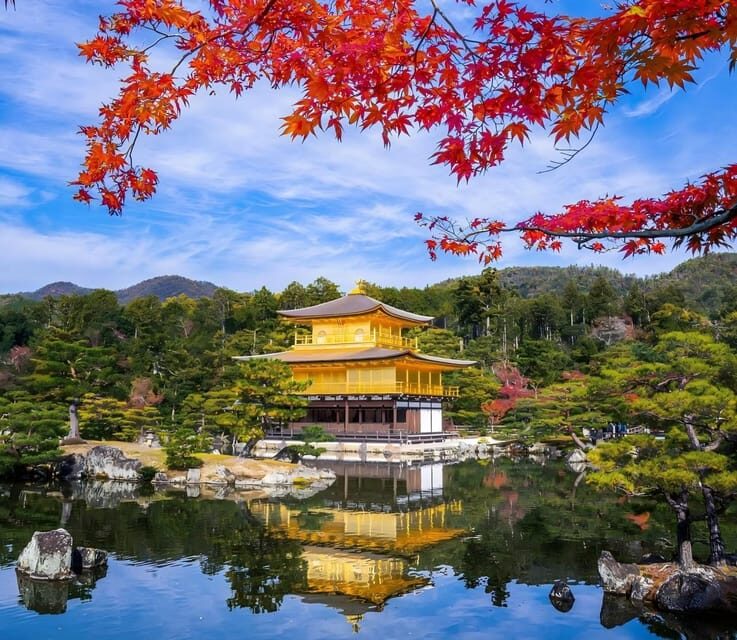
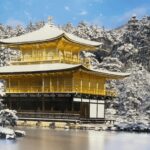
Kinkaku-ji, the Golden Pavilion, is one of Kyoto’s “you get why people are obsessed” sights. It’s a UNESCO World Heritage Site, famous for the shimmering gold-leaf effect on the structures connected to the Shariden Hall. Even if your stop is relatively short (about 40 minutes), it’s long enough to get a few angles and to read the place more than you rush through it.
Because it’s a photo stop, plan how you’ll use it. I’d focus on:
- Getting at least one view of the pavilion and its reflections
- Looking for the official angles that make the gold effect pop (the best viewpoints tend to have the most foot traffic, so expect a line)
- Taking a breather away from the busiest edges so you don’t feel boxed in
This is also a good point in the day to set your walking rhythm. The tour involves “moderate walking,” so comfortable shoes are not optional.
Kiyomizu-dera and the Kiyomizu Stage: The Longest Stop for a Reason
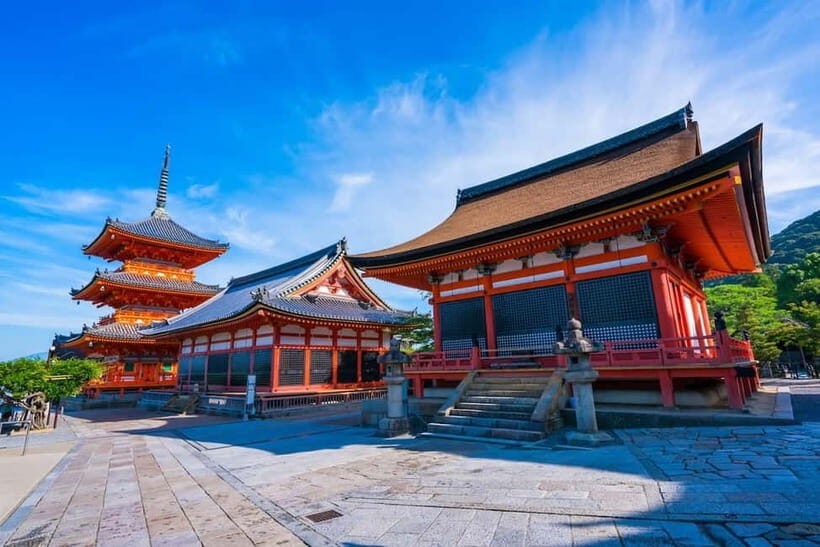
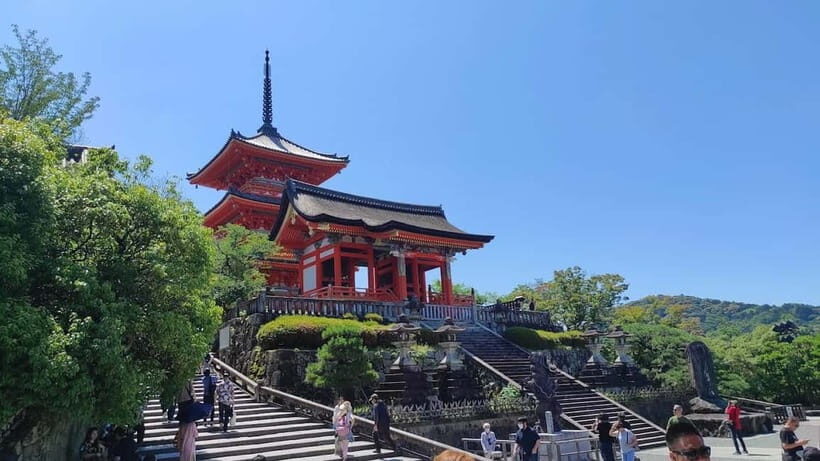
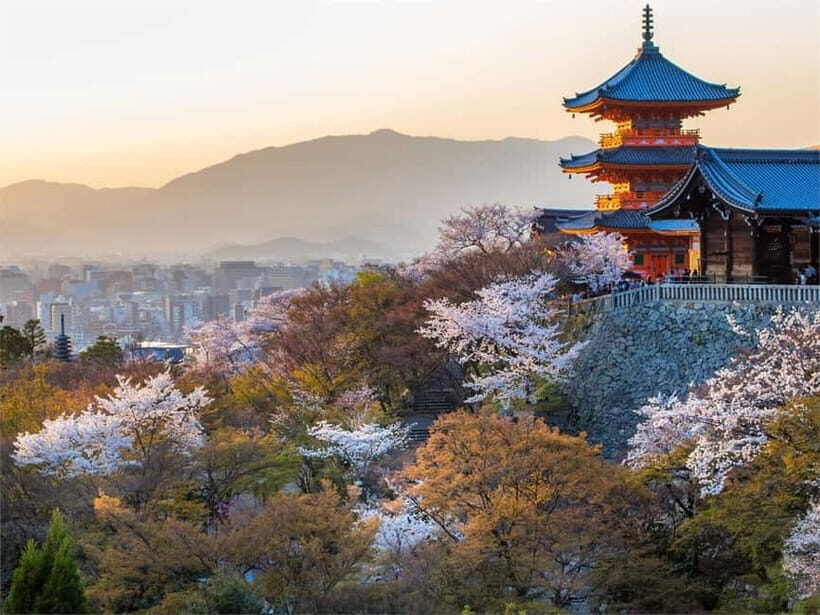
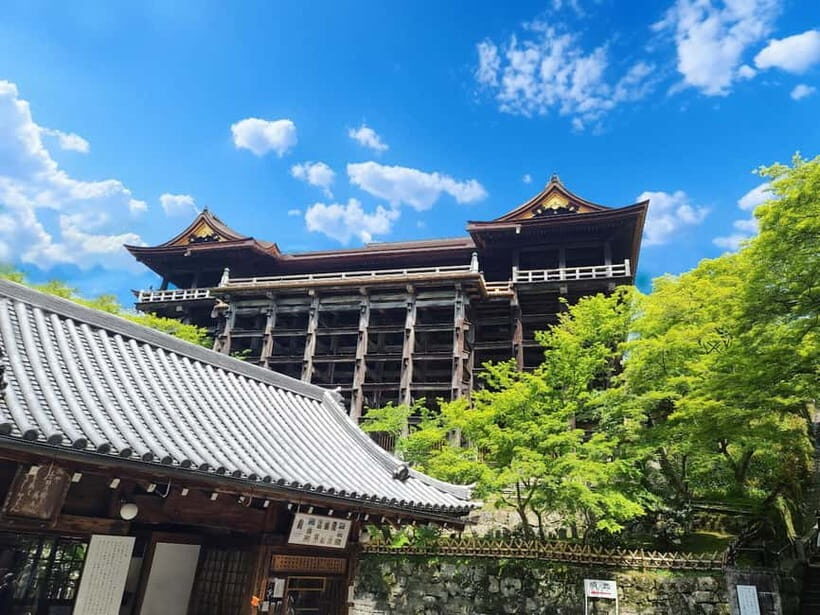
If you’re picking one stop to savor slowly, make it Kiyomizu-dera. The tour gives it about 2 hours and 40 minutes, which is a gift compared to one-and-done temple hustles. This temple is another UNESCO site and a national treasure, with a massive reputation built on one thing people never forget: the panoramic views from the Kiyomizu Stage.
What I like about having time here is that it stops being just a photo moment. You can:
- Pause at the main areas for the big viewpoint
- Walk a bit more at your own pace
- Spend time on the details you might miss when you’re sprinting
Keep in mind that admission isn’t included, so you’ll need to buy your ticket when you arrive. Also, this is one of Kyoto’s most crowded zones, especially on peak days, so expect lines and slower movement.
The good news: the tour structure helps. By the time you reach Kiyomizu-dera, you’ve already done Kinkaku-ji, so you’re not scrambling to understand the city. You can just follow the flow and enjoy the temple and the surrounding streets.
Ninenzaka and Yasaka Kōshin-dō: Old Streets, Matcha Stops, and One Real Drawback
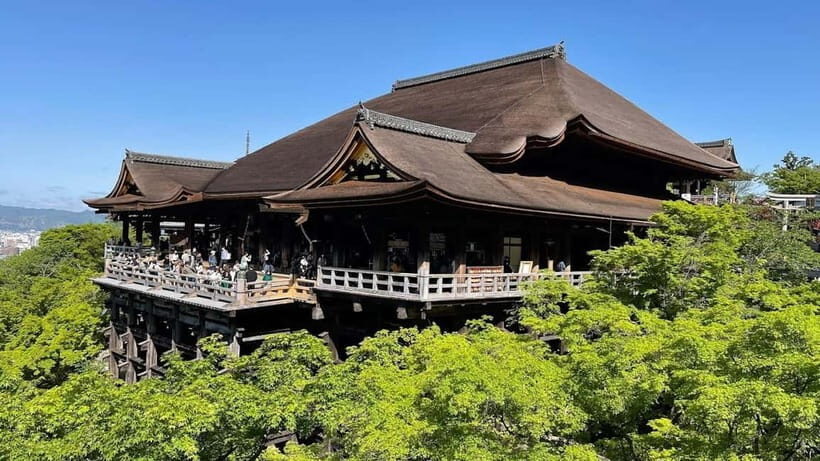
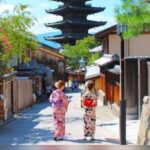
The path to Kiyomizu-dera runs through Ninenzaka, a traditional old-street area lined with small shops and snack stands. This is where the Kyoto feel becomes more everyday: people wandering, shop signs, and the smell of tea and sweets drifting through the lanes.
There’s a specific type of pleasure here. You’re not only looking at landmarks. You’re tasting Kyoto through street food and matcha culture. The info you’ll see on the route includes a popular tea shop stop option: MASUDA Tea Shop is mentioned, with ideas like matcha ice cream and matcha coffee.
Now for the honest consideration: this section can get very touristy, and it’s easy to end up in a crowded strip of souvenir shopping where the quality can feel inconsistent. If you care more about views and temples than shopping, treat Ninenzaka as a short walk-through. Grab one snack, maybe a small souvenir you genuinely want, and then move on.
A few steps further, you’ll also hit Yasaka Kōshin-dō. This stop is a photo stop, self-guided, and it’s famous for the internet-sensed multicolored balls. It also has a strong religious atmosphere, and it’s been used as a backdrop in the Detective Conan story world. In plain terms: it’s a fun visual pause that breaks up the temple rhythm.
Uji River and the Tea-Origin Feeling: Why This Town Slows You Down
After Kyoto’s heavy temple focus, the tour shifts gears to Uji, a town closely linked to matcha. The experience here is less about rushing between monuments and more about letting the town air change your mood. You’re given about 100 minutes in Uji, including a photo stop and sightseeing around the river area.
Uji’s big draw is the Uji River and bridge views. The riverwalk feel is part of why people love pairing Kyoto with Uji. You get scenery and a calmer sense of place compared with Kyoto’s headline sites.
The tour also includes a visit to an old shrine in the area, described as one of the region’s oldest shrines. That means you’re still in temple territory, but with a different atmosphere: less “main-ticket line energy,” more “walk, look, and take your time.”



Byōdō-in and Phoenix Hall: The Coin Connection and the Omotesandō Street
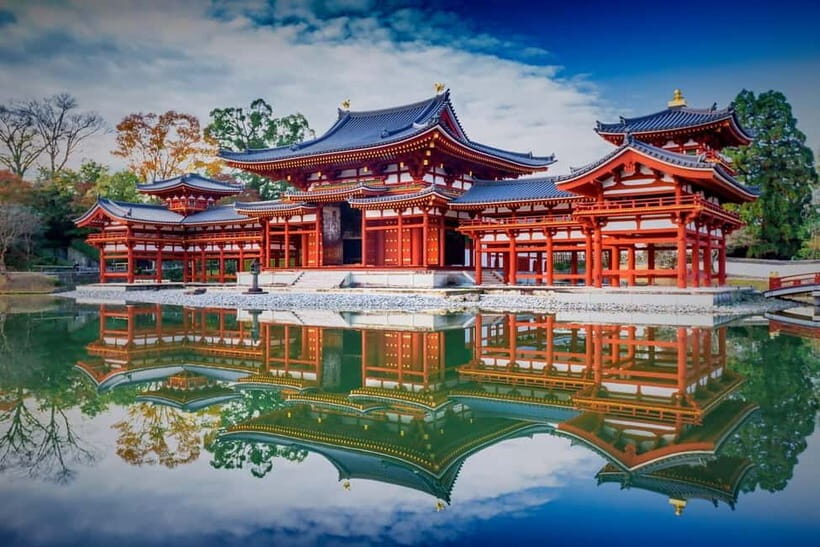
The final big landmark is Byōdō-in, another UNESCO World Heritage Site. This is where you get the Phoenix Hall image story that many people recognize even if they’ve never been to the temple: the Phoenix Hall motif shows up on the 10-yen coin and on the 10,000-yen note.
The tour includes time for a photo stop and sightseeing here, plus a look at Byōdō-in Omotesandō, the street around the temple with local foods. This part is great for a last-minute snack mission. If you saved space earlier in the day, this is often the place to use it.
One practical note: the tour doesn’t include admission for Byōdō-in. So be prepared to pay your ticket on site, then enjoy the temple grounds after.
If you like symbolism, Byōdō-in delivers. It’s not just a building you see once. It’s one of those places where the details make sense of why certain images became national icons.
How the Day Flows: Timing, Transit, Crowd Reality, and When to Just Let It Happen
This kind of day tour succeeds or fails based on pacing, and this one has an organized flow. You start with pickup on time, then spend around 2 hours by coach before hitting Kinkaku-ji. After that, it’s a sequence of temple stops plus old-street time, then Uji, then Byōdō-in, and finally multiple drop-off options.
A few scheduling and crowd points that will help you:
- Arrive at the meeting point 15 minutes early. The meeting place can’t be changed on the day, so plan to be on time.
- The schedule can shift due to traffic and weather. If it rains or lines are long, you’ll need flexibility more than rigid expectations.
- Some attractions can be crowded in peak seasons. That’s not a fault of the tour. It’s Kyoto. The best move is to keep your feet moving even when you’re waiting, and don’t let one bottleneck ruin the whole day.
For drop-off, the tour offers eight locations across Kyoto and Osaka areas, including options like Kyōto Station Hachijōguchi Ekimae Square and several wards in Osaka. That’s helpful if you don’t want a long extra commute after a full day.
What to Bring and Who Should Skip This One
The tour is built for sightseeing on foot, so pack for walking. You’ll want:
- Comfortable shoes
- Comfortable clothes
Also, if you’re traveling with strollers or large luggage, you need to indicate it when booking. The tour asks for that ahead of time so the group can be handled smoothly.
Who this fits well:
- People who want a structured “top sights” day without navigating trains
- Travelers who enjoy mixing temples with traditional streets and snacks
- Anyone staying in Osaka who wants Kyoto highlights without losing the whole day to logistics
Who should think twice:
- The tour is listed as not suitable for wheelchair users, people with mobility impairments, people with back problems, and pregnant women. Pregnant travelers and people aged 70+ are asked to sign a travel waiver on arrival, but the tour still flags limitations, so consider whether the walking and schedule fit you.
Also, no smoking is allowed.
Should You Book This Osaka-to-Kyoto-to-Uji Tour?
If you want a day that hits the big Kyoto icons—Kinkaku-ji, Kiyomizu-dera, and Byōdō-in—and you’d rather pay for a guide than wrestle with transfers, this is a strong option. I especially like that it’s positioned as an affordable day trip and that the guide experience is a selling point, with Amy specifically mentioned for being professional and multilingual.
Book it if:
- You can handle a moderate amount of walking
- You’re okay with some shopping street crowds in the middle of the day
- You don’t mind paying temple admissions separately
Skip it (or choose another style) if:
- You hate tourist shopping lanes and would rather build a slower, temple-only plan
- You need a fully step-free or low-movement itinerary
- You want meals included (meals and beverages are not included)
Bottom line: this is good value for a high-impact day. It delivers the famous sights in one run, keeps you oriented with an English guide, and ends with the calmer tea-town feel of Uji.
FAQ
What time does pickup happen from Osaka and from Kyoto?
Pickup from Osaka is at 8:00 AM. Pickup from Kyoto is at 9:00 AM.
How long is the tour?
The tour duration is 10 hours.
Is the entrance fee included for Kinkaku-ji, Kiyomizu-dera, and Byōdō-in?
No. Admission to Kinkaku-ji, Kiyomizu-dera, and Byōdō-in is not included.
What’s included in the price?
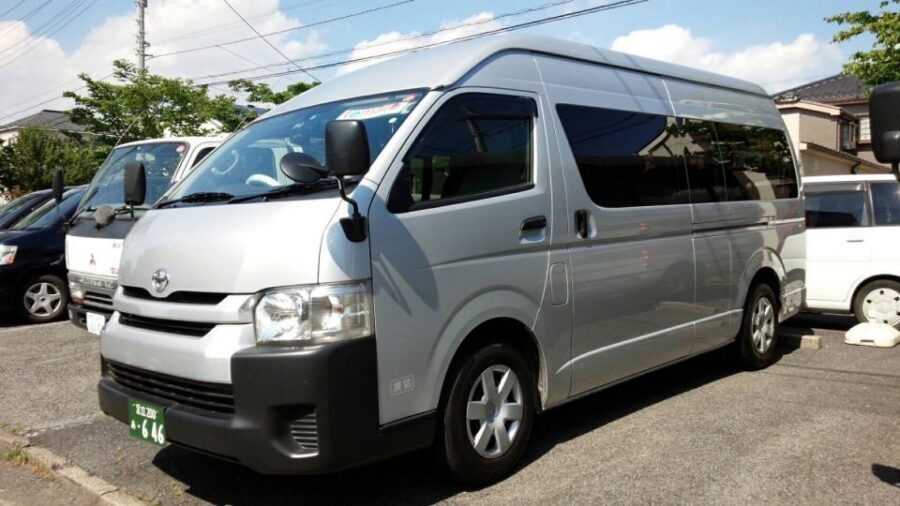
You get a professional English-speaking guide, a comfortable vehicle with A/C, round-trip transfers to and from the meet-up location, and all taxes, parking, toll fees, gas fees, and environmental fees.
Are meals and drinks included?
No. Meals and beverages are not included.
Where can I get dropped off at the end of the tour?
You can disembark in either Osaka or Kyoto, and there are multiple drop-off locations (eight listed) across Kyoto and Osaka areas.
What should I bring for the day?
Wear comfortable walking shoes and comfortable clothes.
Do I need to arrive early to the meeting point?
Yes. You should arrive at the meeting point 15 minutes before the scheduled departure time.
Is this tour suitable for wheelchair users or people with mobility impairments?
No. It is not suitable for wheelchair users or people with mobility impairments, and it’s also listed as not suitable for people with back problems.