REVIEW · OSAKA
Well-balanced BENTO (lunch box) Cooking Class
Book on Viator →Operated by Sakura Cook · Bookable on Viator
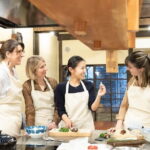
Bento turns lunch into a hands-on lesson in Osaka, with a small class at Sakura Cook where you learn dashi and shape triangular rice balls. I love how practical it is, from basic cooking techniques to the step-by-step bento packing so your lunch looks like something from a Japanese home. I also love that you end by eating what you made with complimentary miso soup. One possible drawback: the session moves fast, so it helps to arrive ready to cook and not expect tons of downtime.
This is run with a tight group size (up to 8), which makes it easier to get guidance when your hands are on the food. Instructors like Yumi and Fumi are known for clear, warm English and a careful, professional pace, especially when explaining the why behind flavors like dashi. You will still spend most of the 2 hours 30 minutes actively cooking, packing, and tasting—so it’s not a sit-and-watch experience.
In This Review
- Key Points You’ll Care About
- Why This Osaka Bento Class Feels Different From Other Cooking Lessons
- Sakura Cook in Nishi Ward: What Happens Before You Cook
- Dashi: The Starter Skill That Makes Everything Taste Right
- The Cooking Techniques You’ll Actually Use
- The Seven Classic Dishes and the Ingredients You’ll Work With
- Onigiri With Plastic Molds: How the Triangles Come Together
- Packing Your Bento Like You Know the Secret Rules
- The Lunch Moment: Miso Soup and Itadakimasu
- Price, Time, and Value: Is $92.24 Worth It?
- Who This Bento Class Fits Best in Your Osaka Plan
- A Few Practical Considerations Before You Go
- Should You Book This Osaka Bento Cooking Class?
- FAQ
- What dishes do I make in the class?
- How long is the Well-Balanced Bento cooking class?
- How big is the group?
- Where is the meeting point?
- Can I bring dietary restrictions?
- Do kids need an adult?
- What is the cancellation policy?
Key Points You’ll Care About
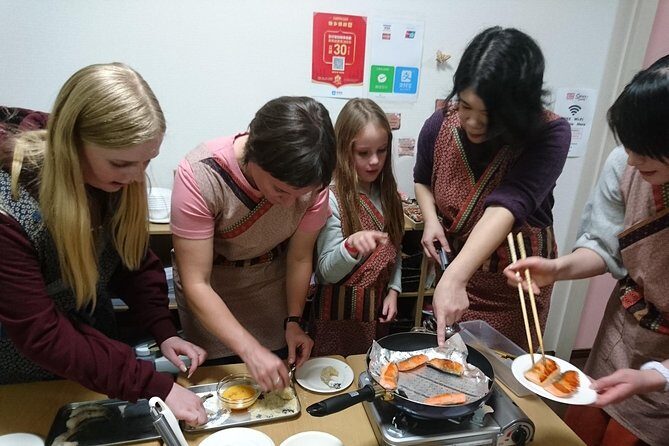
- You make dashi first, then use it as the flavor backbone for your bento dishes
- Triangular onigiri with molds, so you learn the shape without guesswork
- Hands-on cooking techniques like frying, grilling, simmering, and marinading
- You pack your own bento well, with advice on keeping it tidy and attractive
- Small-group instruction (max 8) means you can actually participate in each step
Why This Osaka Bento Class Feels Different From Other Cooking Lessons
If you like Japanese food, you probably know the big stuff: ramen, sushi, yakitori. This class focuses on the lunchtime version—the one you see every day in homes and offices. That shift is what makes it fun and useful, because you learn how meals are built, not just how they taste.
The best part is the combination of skills. You start with dashi, the everyday broth stock that shows up across Japanese cooking, then you move into multiple dish styles (grilling, simmering, frying). By the end, you finish with bento assembly, which is its own mini art form.
And yes, you do get to enjoy it. Your lunch is served with complimentary miso soup, and you’ll eat with chopsticks right there after you pack your box.
You can also read our reviews of more cooking classes in Osaka

Sakura Cook in Nishi Ward: What Happens Before You Cook
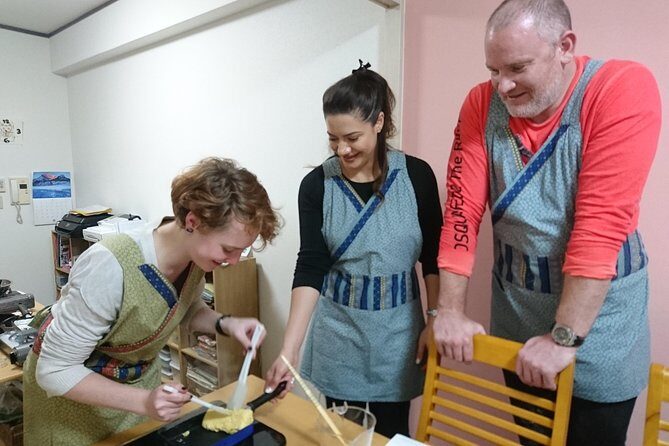
The class meets near public transportation at Banix北堀江, in Osaka’s Nishi Ward (Kitahorie), at the システマギャラリー location. It’s an easy setup to find if you give yourself a little buffer time to locate the building.
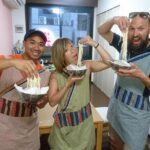
When you arrive, the start is simple and friendly. You choose your favorite lunch box, then put on an apron. That tiny moment matters more than you’d think, because it gets you in the mindset of packing, not just cooking.
From there, your instructor leads you into the kitchen flow. The format is practical: you’ll handle ingredients, follow technique steps, and build your meal piece by piece rather than copying one finished dish.
Dashi: The Starter Skill That Makes Everything Taste Right
Dashi can sound like a single ingredient. In real life, it’s a foundation. In this class, you learn to make the traditional Japanese broth dashi first, and the instructor explains not just the process but the reasoning behind it.
That’s a big deal for you if you want to cook Japanese food after you get home. Once you understand what makes dashi work, you can recognize it in lots of familiar flavors—brothy soups, simmered vegetables, and savory sauces.
You’ll then use that groundwork across the dishes you make in the bento. Even if you don’t master every step perfectly on your first try, you’ll leave with a better sense of how Japanese flavors are built in layers.
The Cooking Techniques You’ll Actually Use
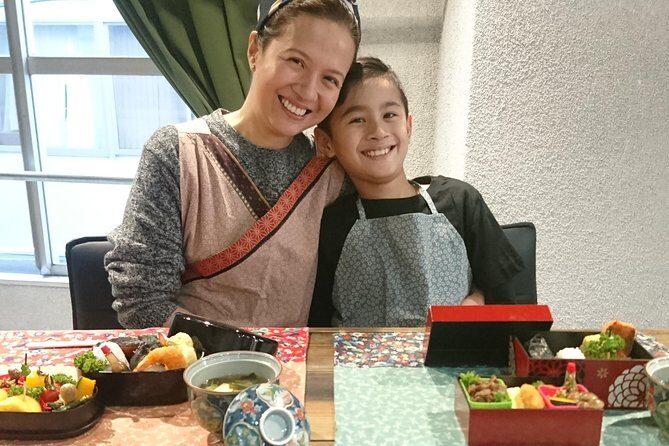
This class doesn’t just teach recipes. It teaches actions you can reuse. You’ll practice multiple techniques, including frying, grilling, simmering, and marinading.
That matters because Japanese home cooking often depends on timing and method more than complicated ingredients. If you learn how to apply heat and seasoning in the right way, you can recreate the results later with similar ingredients.
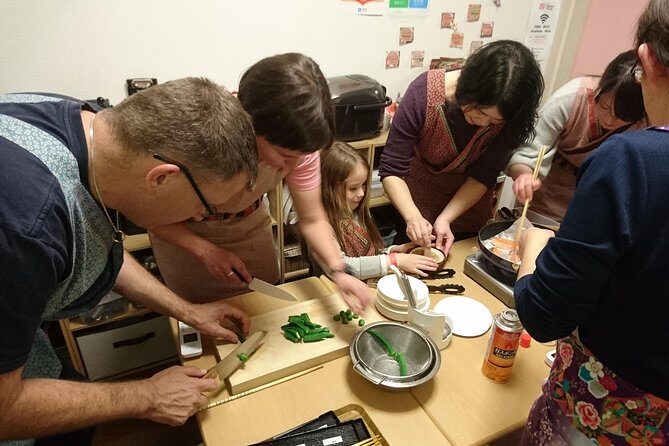
Also, because it’s a small-group class with up to 8 people, the instructor can watch what’s happening in your hands. That’s helpful if you’re not a confident cook yet, or if you’re bringing a kid who needs clear, step-by-step direction.
The Seven Classic Dishes and the Ingredients You’ll Work With
You’ll make up to seven classic Japanese dishes—the kind you often see in everyday bento lunches at home. The ingredients rotate through a nice mix of proteins and vegetables, including Wagyu beef, shrimp, salmon, egg, squash, mushrooms, and a green vegetable.
The way the menu is built gives you variety without turning the class into chaos. Instead of trying to memorize one complicated dish, you build a “set” like you would at home, where each piece has a different texture and flavor.
Here’s what you should expect from the dish mix:
- You’ll work with Wagyu beef and other proteins, so you get a sense of how Japanese seasoning plays with richness
- You’ll handle shrimp and salmon, which helps you understand how to cook delicate proteins without drying them out
- You’ll use egg and vegetables like squash and mushrooms, which adds that bento-friendly softness and earthy balance
You’ll also practice the idea of portioning, because bento-style cooking is about fit. Each dish needs to land in the box in a way that looks good and eats well together.
You can also read our reviews of more tours and experiences in Osaka





Onigiri With Plastic Molds: How the Triangles Come Together
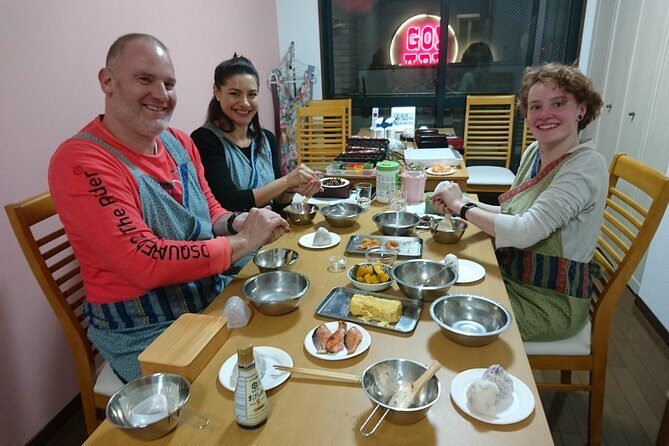
One of the most fun parts is making triangular rice balls (onigiri). Rather than hoping your hands can magically form perfect triangles on the first attempt, you’ll use plastic molds to shape the rice.
You’ll practice the triangular technique, then complete two rice balls once the process makes sense. That extra practice time is a smart design choice for you, especially if you’ve never made onigiri before.
What you’ll likely notice during this part:
- The shape is easier than it looks once you have a guide
- The rice needs the right handling so it can hold form
- The onigiri becomes the centerpiece of your bento structure, not just a side
Even if you never become the kind of person who packs bento daily, the onigiri skill sticks. It’s easy to bring into your home cooking when you want a Japanese-style lunch that feels special without being complicated.
Packing Your Bento Like You Know the Secret Rules
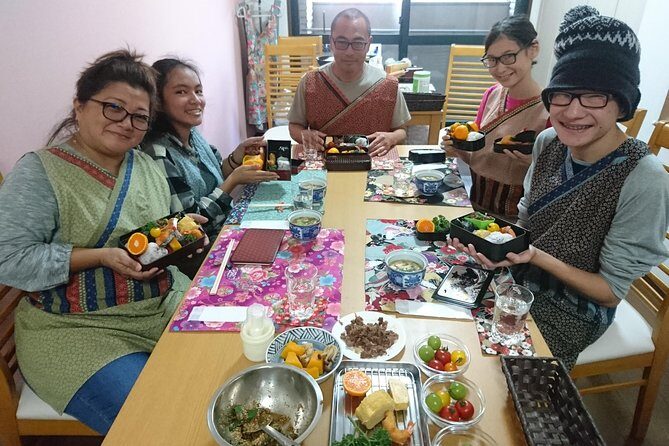
Cooking is only half the class. The other half is packing, and this is where the experience feels most “Japanese home life.”
Once the dishes are ready, you pack them into your chosen lunch box along with fresh vegetables. The instructor shows an attractive packing method, so you aren’t left wondering how to arrange things so they look neat and appetizing.
For you, the value here is practical. Bento is a system: it separates flavors, controls texture, and keeps things visually organized. When you learn how to pack, you’ll understand why Japanese lunches often look so clean and intentional.
A good bento isn’t about fancy food. It’s about a balanced layout—something you can reuse when you pack your own lunches later. You’ll also add chopsticks and finish the meal with the proper moment of gratitude.
The Lunch Moment: Miso Soup and Itadakimasu
At the end, you place your dishes in the box along with chopsticks. Then you’ll say Itadakimasu and enjoy your meal.
Your lunch comes with complimentary miso soup, which is a classic pairing for bento-style eating. It also helps tie the whole experience together. You began with dashi, and now you close with a comforting bowl that makes the lunch feel complete.
This is also the time to slow down and really taste what you made. Because you built each component yourself, you’ll likely notice how the flavors work as a set—savory, slightly sweet, salty, and balanced across proteins and vegetables.
Price, Time, and Value: Is $92.24 Worth It?
At $92.24 per person, you’re paying for more than ingredients. You’re paying for:
- A focused cooking session lasting about 2 hours 30 minutes
- Instruction in multiple techniques
- Hands-on guidance with dashi, dishes, onigiri shaping, and bento packing
- A small-group format with a maximum of 8 travelers
- The finished meal, plus miso soup
Is it cheap? No. But it’s also not just a tasting. You’re learning real skills you can use again, especially if you want to cook Japanese food at home without relying on takeout every time.
One practical note: it’s an activity that tends to get booked ahead. The average booking window is about 53 days in advance, so if you want your preferred day, plan early.
If your travel style is hands-on and skills-focused, this price can make sense fast. If you mainly want atmosphere and photos, it may feel like more “work” than you expected.
Who This Bento Class Fits Best in Your Osaka Plan
This class is a great fit if you want something that feels local and practical. You’ll learn lunch-box cooking the way it’s done in everyday life—where portioning, technique, and presentation matter.
It also works well for families. The format can be accessible for younger cooks, including a 12-year-old in the group, because the steps are taught in a way that supports participation.
You might be less happy with it if:
- You’re the type who gets stressed when the pace is fast
- You want a broad tour of Osaka streets instead of time in a kitchen
If you’re planning your Osaka day, consider using this as your meal anchor. With the class focused on lunch preparation and eating right after, it can replace a restaurant stop and save you the mental load of figuring out what to eat.
A Few Practical Considerations Before You Go
You’ll want to plan around a couple of basics:
- If you have dietary requirements, advise them at booking. The operator notes you should share this in advance.
- Children must be accompanied by an adult.
- You’ll receive a mobile ticket.
- The meeting point is near public transportation, so you shouldn’t need a car.
Also, because the class is hands-on, come ready to cook. That means comfortable shoes and a mindset that you’ll be moving through the steps together as a group.
Should You Book This Osaka Bento Cooking Class?
Book it if you want a high-satisfaction, skills-based experience. The combination of dashi, multiple dish techniques, onigiri, and actual bento packing makes this feel like more than a one-off activity. You’ll leave with knowledge you can use again when you pack lunch at home—or just when you want to cook a more Japanese-style meal without guessing.
Skip it if you strongly prefer watching rather than doing, or if you dislike structured sessions with a clear time limit.
If you want one Osaka class that’s both practical and genuinely fun, this is the kind that earns a spot on your itinerary.
FAQ
What dishes do I make in the class?
You’ll make dashi first, then prepare up to seven classic Japanese bento dishes using ingredients like Wagyu beef, shrimp, salmon, egg, squash, mushrooms, and a green vegetable. You’ll also make triangular rice balls and pack everything into your bento box.
How long is the Well-Balanced Bento cooking class?
The class lasts about 2 hours 30 minutes.
How big is the group?
The experience has a maximum group size of 8.
Where is the meeting point?
You meet at Banix北堀江 Japan, 550-0014 Osaka, Nishi Ward, Kitahorie, 3-chōme62 システマギャラリー. The tour ends back at the same meeting point.
Can I bring dietary restrictions?
Yes. You should advise any specific dietary requirements at time of booking.
Do kids need an adult?
Yes. Children must be accompanied by an adult.
What is the cancellation policy?
There is free cancellation. You can cancel up to 24 hours before the experience start time for a full refund.