REVIEW · OSAKA
Osaka: Five Must-See Highlights Walking Tour & Ramen Lunch
Book on GetYourGuide →Operated by LOTUS DMC Co., Ltd · Bookable on GetYourGuide
Osaka hits different when you walk it with a local guide. You’ll cover five must-see sights at a smart pace, moving by subway when it helps and on foot when it’s more fun. Between the Sengoku-period stories and street-food stops, the city feels like one big, well-timed show.
I especially like the small-group format (max 8) and the way the tour builds around food, photos, and real neighborhoods, not just stand-and-stare checkpoints. The ramen lunch also matters here because it’s the kind of meal that lets you recharge without breaking your day.
One consideration: this is a step-heavy, long-walk outing, and the subway includes stairs. If you’re sensitive to that, plan your day accordingly.
In This Review
- Key Takeaways Before You Go
- Why This Osaka Highlights Walk Feels Like a Smart Day
- Meeting Point: Simple Start, But Watch the Station Details
- Osaka Castle: Views Up Top Plus a Museum Detour
- Subway to Shitennoji Temple: Calm, Old, and State-Founded
- Shinsekai and Tsutenkaku: Retro Streets and That Special Photo Moment
- Kuromon Ichiba Market: Edo-Era Market Energy in Covered Streets
- Dotonbori and Ebisu Bridge: The Neon Scene With a Running Man Moment
- Ending at Hozenji Temple: A Quiet Button After the Noise
- What the Price Really Buys (And What You’ll Pay Extra)
- Who This Tour Suits Best (And Who Should Skip It)
- Tour Guide Factor: Why Takanobu (Taka-san) Gets Mentioned a Lot
- Should You Book This Osaka Walking Tour?
- FAQ
- How long is the Osaka walking tour?
- What’s included in the tour price?
- What isn’t included?
- Do I need to buy an Osaka Metro 1-day pass?
- Where is the meeting point and what time does it start?
- How big is the group and what language is the tour?
- What should I bring?
- Can I cancel and get a refund?
- Who is the tour not suitable for?
Key Takeaways Before You Go
- Max 8 people keeps the day personal and flexible, with guide help at each stop.
- Ramen lunch included so you get a proper break without hunting for a place.
- Subway + walking is eco-minded and practical for covering wide parts of Osaka.
- Five big highlights in one route: Osaka Castle, Shitennoji, Shinsekai, Kuromon Market, Dotonbori.
- Photo shoot assistance makes it easier to get those Osaka “I was here” shots.
- Skip-the-line style entry at Osaka Castle can save time when lines are long.
Why This Osaka Highlights Walk Feels Like a Smart Day
Osaka has a reputation for being many things at once: the city of food, the city of merchants, the city of comedy, and the place where the Sengoku period ended. This tour leans into that mix instead of forcing one narrow theme. You get old and new, temple calm and neon chaos, with enough context to understand why each stop matters.
What you’re paying for isn’t just ticket access. It’s the routing. Osaka is fun, but it can also be a maze of stations and underground corridors. With the guide leading the way, you can focus on the sights and food instead of charting every transfer.
I also like that this day is built around an easy rhythm: guided time at each anchor location, plus free time to shop, snack, and take photos where it makes sense. That balance helps if you want to experience Osaka, not just “collect photos.”
You can also read our reviews of more walking tours in Osaka

Meeting Point: Simple Start, But Watch the Station Details
You’ll meet at Osaka Metro Tanimachi Line, Tanimachi 4-chome Station (Exit 4), in front of a FamilyMart. The meet-up time is 9:00 AM, which is a good call because it gives you daylight for Osaka Castle photos and helps you dodge some of the worst midday crowds.
One small practical tip: Tokyo-style stations can be big and confusing, and your meeting point will feel easier than the map suggests only if you show up early enough to orient yourself. If you’re coming in from another neighborhood, give yourself a buffer.
Osaka Castle: Views Up Top Plus a Museum Detour
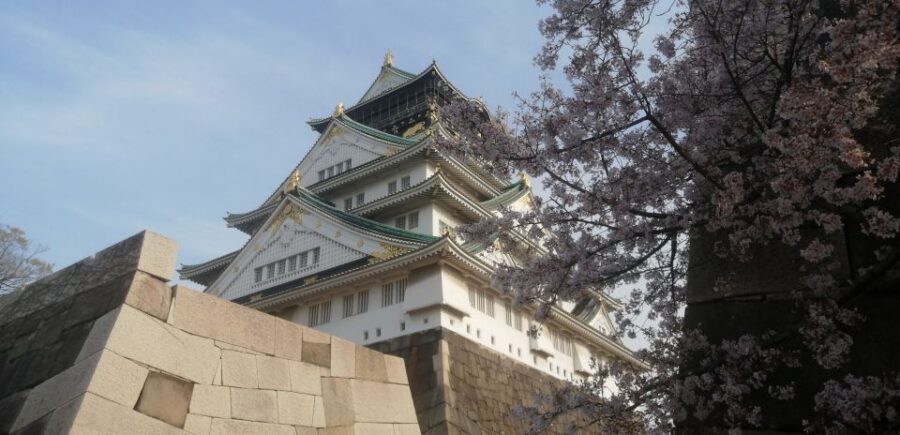
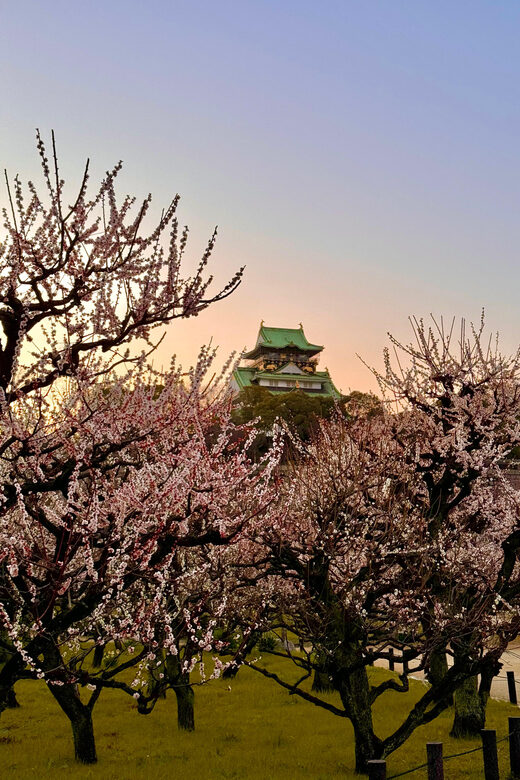
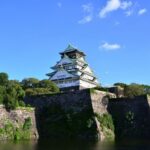
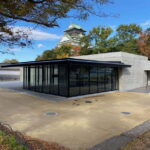
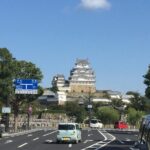
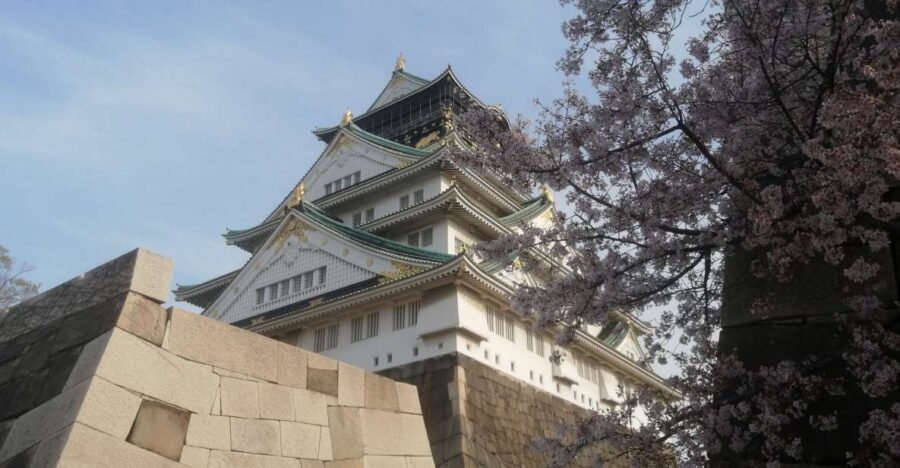
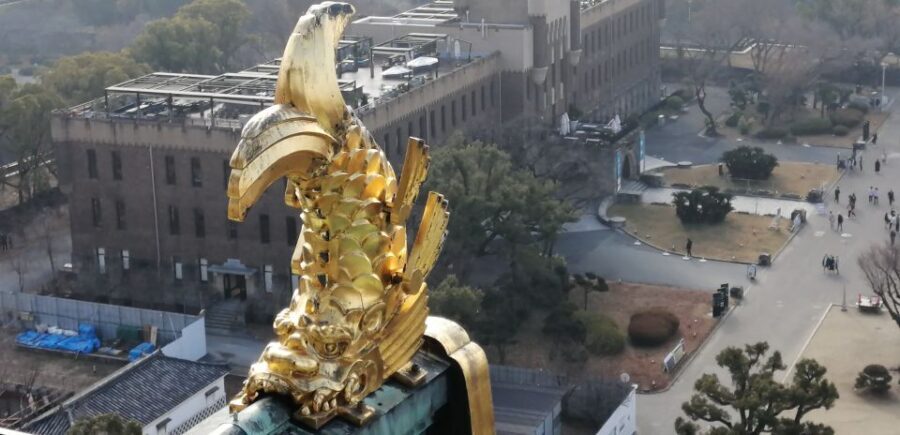
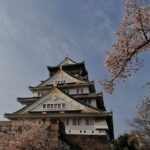
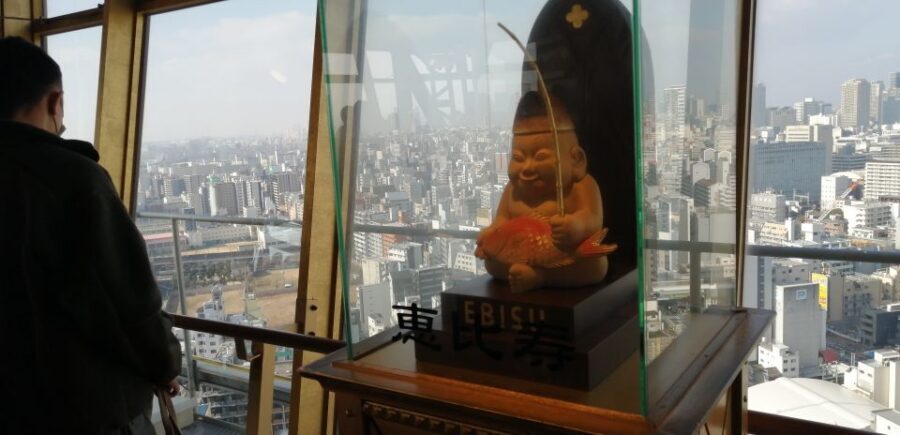
The day starts with Osaka Castle, beginning with guided time around the castle complex and museum. Going up gives you the best kind of Osaka photo: the skyline, the city grid, and a sense of scale. It’s the spot where Osaka stops being just street energy and turns into history you can actually point to.
Inside the tower, the museum adds the missing context: you’ll learn about Osaka Castle’s history and the Sengoku period connection. That matters because Osaka’s later identity—merchants, entertainment, and city life—makes more sense once you understand what came before.
One thing to know: the Osaka Castle entrance fee isn’t included, and it can vary by season/day (JPY 1,080–1,430). The tour does include a way to avoid the general line with a separate entrance, which is a real time-saver.
Subway to Shitennoji Temple: Calm, Old, and State-Founded
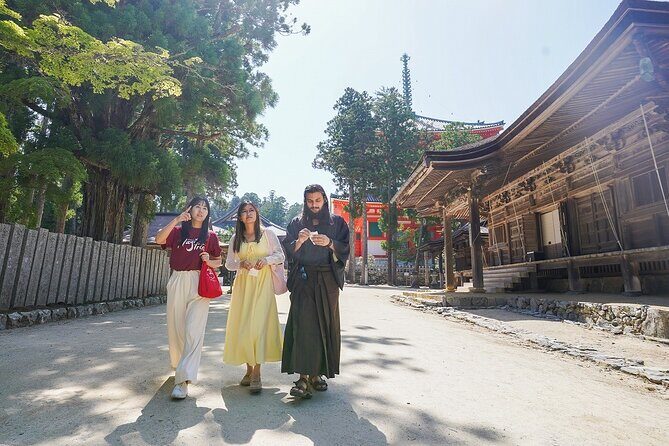
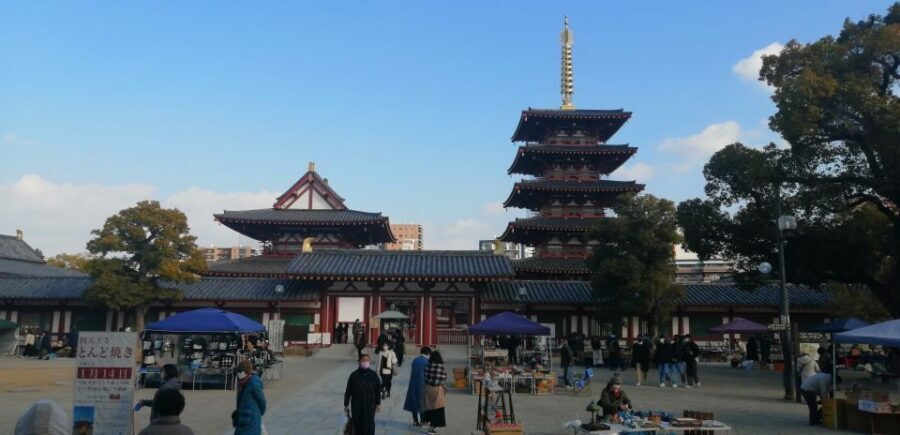
Next up is Shitennoji Temple, founded in 593, and described as one of Japan’s oldest Buddhist temples. The guide portion focuses on its roots and its early importance, including the fact it was among the first temples built by the state. That makes it more than a pretty stop—you’re standing in a place tied to how Japan organized religion and power long ago.
The guided time (about 45 minutes) is long enough to learn the basics without turning the temple visit into a lecture you rush through. And because it’s not all “museum indoors,” you still get that grounded feeling of walking through history at a human pace.
Like Osaka Castle, the Shitennoji entrance fee isn’t included (JPY 400–600 depending on season/day). Still, I like pairing castle + temple in the same day. It prevents the whole itinerary from feeling like one long festival of neon signs.
Shinsekai and Tsutenkaku: Retro Streets and That Special Photo Moment
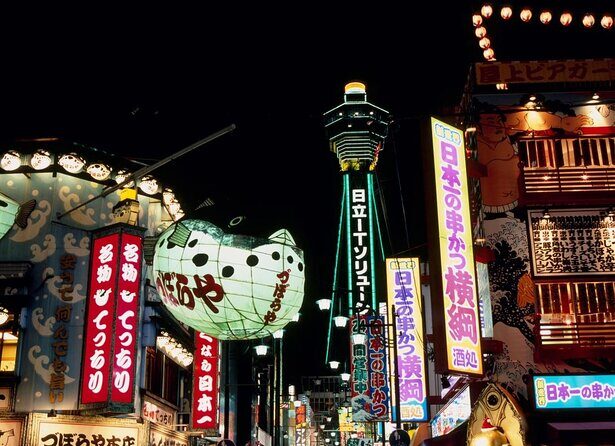
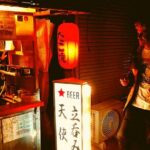
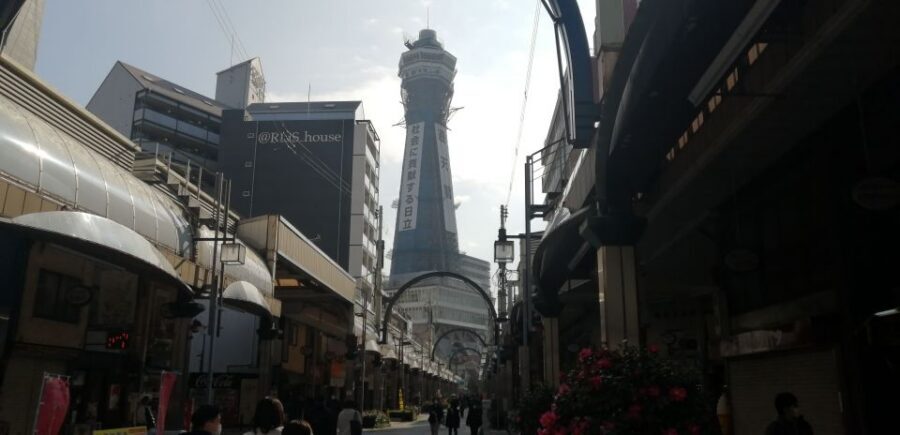
Then comes Shinsekai, the retro district built around Tsutenkaku Tower. This is Osaka’s playful side: colorful streets, old-school atmosphere, and the kind of area where you can feel the city’s love for food and silly fun.
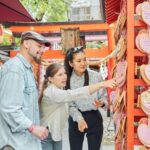
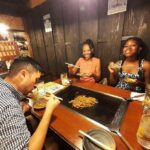
You’ll get a break time here that’s not just “sit and wait.” It’s meant for photos, shopping, and trying local street food like kushikatsu (deep-fried skewers). Some guides also may add a short food bonus depending on time, and in past days a quick sake stop has shown up for some groups—but don’t assume it’s guaranteed.
Tsutenkaku itself is a strong visual anchor, and the stop is timed so you can take the kind of commemorative photo people associate with Osaka: tower + street + city layers.
A consideration: this is where the day feels most like walking through neighborhoods, so wear shoes you trust. People mention the tour includes a lot of steps, and even with frequent guidance and metro hops, you should expect serious leg work.
You can also read our reviews of more tours and experiences in Osaka


Kuromon Ichiba Market: Edo-Era Market Energy in Covered Streets
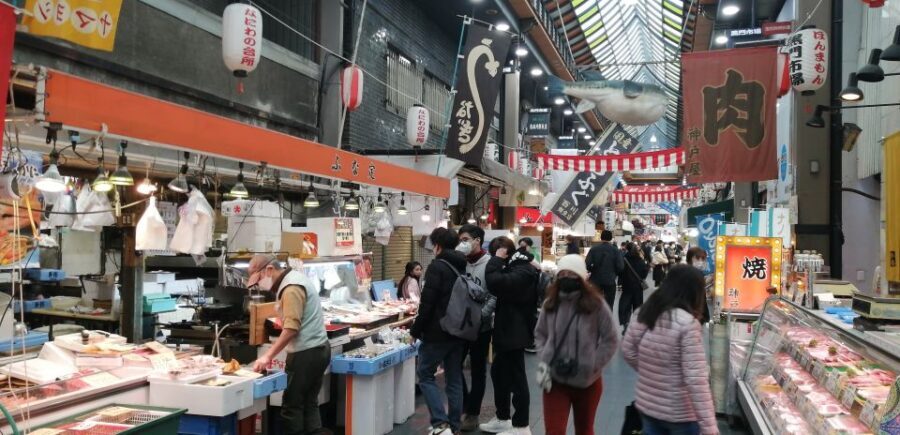
After Shinsekai, you’ll head to Kuromon Ichiba Market, which is covered and has kept its role since the Edo period—over 200 years of market life. It’s one of those places where the “market vibe” isn’t a gimmick. You can actually see how Osaka shops, snacks, and eats in motion.
This stop is guided (you’ll get recommendations), then you have time to wander and choose your own bites. That structure is helpful because Kuromon has a lot going on, and a guide’s suggestions cut down the guesswork.
The best approach here is simple: don’t try to eat everything. Pick a couple of local snacks and save your appetite for later. You’ll probably find that the market’s value comes from the range and the atmosphere, not from one giant meal.
Dotonbori and Ebisu Bridge: The Neon Scene With a Running Man Moment
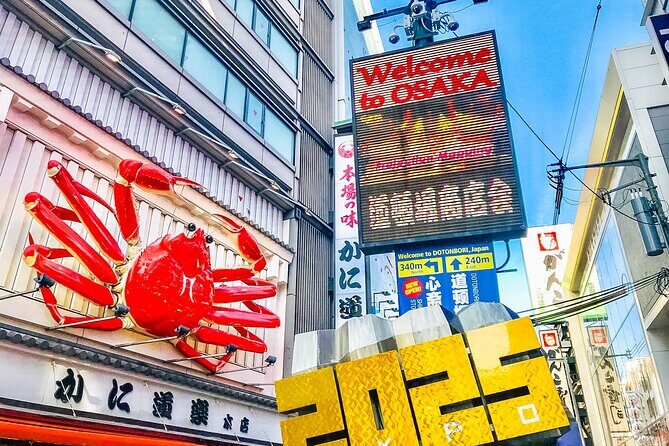
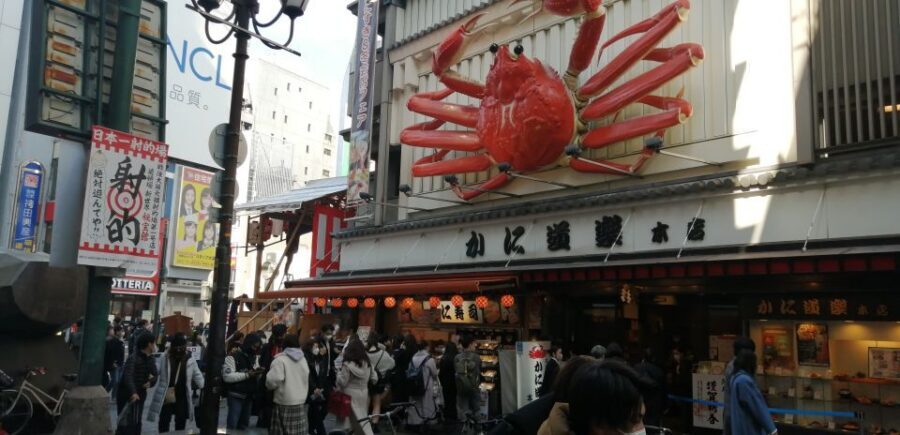
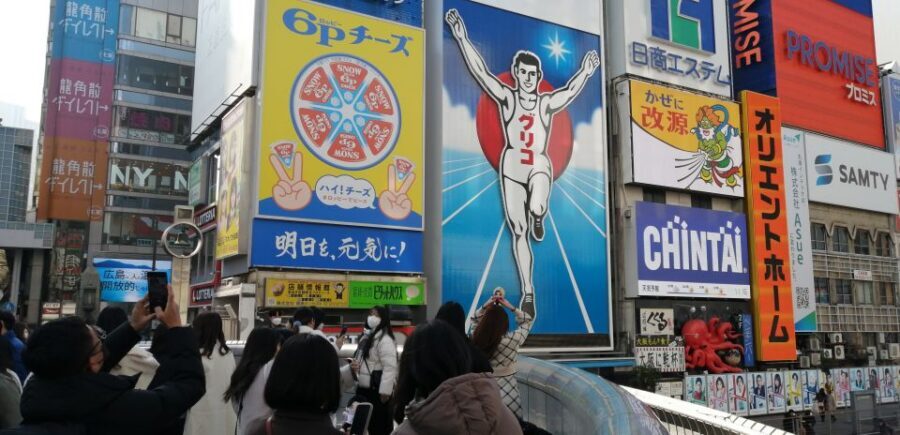
If you want Osaka’s personality in one place, you end up at Dotonbori. This is one of the city’s principal destinations, and the guide time focuses on the sights and photo points—like the Running Man sign above Ebisubashi Bridge.
This section is guided and designed for sightseeing, then the tour keeps moving so you don’t get stuck in one spot. What I like here is the pacing: you get the iconic angles without losing the rest of the day to crowds.
Food-wise, Dotonbori is a place where you’ll see snacks and sweets everywhere. In other words, it’s easy to overspend if you don’t set a mental limit. If you already ate at Kuromon, treat Dotonbori like dessert and photos: one more bite, then soak in the lights.
Ending at Hozenji Temple: A Quiet Button After the Noise
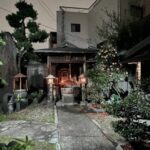
The tour finishes at Hozenji Temple (天龍山 法善寺). This ending is a good trick: after all the neon, you get a calmer pocket of Osaka. It helps you reset your eyes, slow your pace, and remember that Osaka isn’t only about big signs—it’s also about street-level tradition and small, lived-in spaces.
You’ll still be right where you can keep exploring afterward, whether you want another bite nearby or to return to your hotel with the subway routes you’ve already practiced during the tour.
What the Price Really Buys (And What You’ll Pay Extra)
The tour price is $56 per person for a 7-hour experience, and the value mostly comes from three things: the local English guide, the structured route across major neighborhoods, and the ramen lunch included.
Here’s what’s included:
- Ramen lunch
- Local English-speaking guide with commentary and direction
- Photo shoot assistance
- Guidance through the day’s movement
Here’s what’s not included:
- Osaka Metro 1-day pass (JPY 620–820 depending on day). The tour uses subway/metro, but you’re responsible for your transit pass if you want one.
- Osaka Castle entrance fee: JPY 1,080–1,430
- Shitennoji entrance fee: JPY 400–600
If you’re comparing value, think about it like this: the guided routing saves time and stress, and the lunch saves decision fatigue. Then you just budget for the two key entrances. For many first-timers, that’s the “best of Osaka in one day” deal.
One more value detail: reviews mention the guide helps with navigation and sometimes even gives smart input on ticket timing and passes. That doesn’t mean you should overthink it. But it does mean your guide can help you avoid small mistakes that cost money or time.
Who This Tour Suits Best (And Who Should Skip It)
This is best for you if:
- It’s your first trip to Osaka and you want a fast, organized introduction
- You like a mix of culture + street food + neon sights
- You want photos and don’t want to figure out every station transfer alone
- You prefer small group energy (max 8), which keeps the day from feeling crowded or rushed
This is less suitable if:
- You’re traveling with children under 12, or you’re pregnant
- You have mobility impairments or physical limitations—there are stairs involved in subway travel, and the walking adds up
- You have heart problems or you’re currently dealing with a cold
- You don’t want a day that can feel like serious walking (some past guests estimate around 11 km)
Even if you’re fit, bring hiking shoes and rain gear. Osaka weather can change quickly, and the guide has helped groups in hot sun and light rain by keeping things timed and shade-friendly when possible.
Tour Guide Factor: Why Takanobu (Taka-san) Gets Mentioned a Lot
A lot of the praise centers on the guide. In reviews, Taka-san / Takanobu comes up repeatedly for being friendly, attentive, and proactive—helping with route decisions, keeping the group comfortable in heat, and adjusting pace if needed.
You’ll also notice small but important touches: guide help at the photo moments, advice at food stops, and a sense of order when stations feel overwhelming. That’s the kind of value that doesn’t show up on a brochure, but it’s exactly what makes a one-day overview actually work.
Should You Book This Osaka Walking Tour?
Book it if you want a one-stop overview that covers the big Osaka moments without turning your day into a logistics project. The included ramen lunch, the small group, and the mix of castle views, historic temple time, retro Shinsekai, market snacks, and Dotonbori neon are a strong combination for first-time visitors.
Skip it if you hate walking, need step-free routes, or want a lighter schedule. This is a moving day, and the subway stairs plus the on-foot portions mean you should come prepared.
If you want an Osaka day that feels guided, food-forward, and photo-friendly, this tour is a solid choice.
FAQ
How long is the Osaka walking tour?
The tour duration is 7 hours.
What’s included in the tour price?
Ramen lunch is included, along with a local English-speaking guide, tour commentary and guidance, and photo shoot assistance.
What isn’t included?
Osaka Metro passes are not included, and you’ll also pay for Osaka Castle entrance fees and Shitennoji Temple entrance fees.
Do I need to buy an Osaka Metro 1-day pass?
The tour notes that a public transportation pass isn’t included. A 1-day pass is listed as JPY 620–820 depending on the day of the week, but you’re responsible for transit.
Where is the meeting point and what time does it start?
Meet at Osaka Metro Tanimachi Line, Tanimachi 4-chome Station, Exit 4, in front of a FamilyMart. Meet-up time is 9:00 AM.
How big is the group and what language is the tour?
The group is limited to 8 participants, and the tour is in English.
What should I bring?
Bring hiking shoes and rain gear.
Can I cancel and get a refund?
Yes. You can cancel up to 24 hours in advance for a full refund.
Who is the tour not suitable for?
It’s not suitable for children under 12, pregnant women, people with mobility impairments, people with heart problems, or people with a cold.