REVIEW · OSAKA
Deep Dive: Osaka Food Markets from Local to Luxurious!
Book on Viator →Operated by Pinpoint Traveler, Inc · Bookable on Viator
Osaka markets teach you how to order. This guided 4-hour route links department-store food halls, a local wet market, Kuromon, and Korea Town, so you come away knowing how the system works. You also get help navigating Japanese food shopping with a guide at your side and language support.
I love the mix of local-to-luxury food shopping, from Takashimaya’s depachika to higher-end stalls. I also like the market education part: you’re taught how to read what’s in front of you and choose what to buy with less guesswork.
One drawback to plan around: food is not included in the price. There are chances to buy snacks and even try things, but the tour isn’t set up as an all-you-eat tasting program. Walking is also moderate to brisk, so pack for comfort.
In This Review
- Key highlights you will actually notice
- A four-hour Osaka route from depachika to Dotonbori
- Takashimaya Osaka Store depachika: luxury food halls first
- Pulala Tenma wet market: how locals shop for ingredients
- Tenjinbashi-suji arcade and supermarket habits
- Tsuruhashi Ichiba and Korea Town: snacks, shopping, and culture
- Kuromon Ichiba Market: prime sights, higher prices
- Doguyasuji shopping street: knives, ceramics, and prep gear
- Namba (Minami) and Dotonbori: using your new food-shopping map
- Why the guide matters more than the menu
- Price and value: what $91 really covers
- Walking, heat, and how to stay comfortable
- Who should book this Osaka market-and-food-shopping tour
- Should you book this Osaka food markets tour?
- FAQ
- Is transportation included in the tour price?
- Are food tastings or samples included?
- How long is the tour?
- Is pickup available?
- Is this a private tour?
- Do I get a language guide?
- Can I choose between morning and afternoon?
- How much walking is involved?
- Is it suitable for children?
- What is the cancellation policy?
Key highlights you will actually notice
- Local wet market time without the tourist crush, plus tips for how Osaka shoppers think
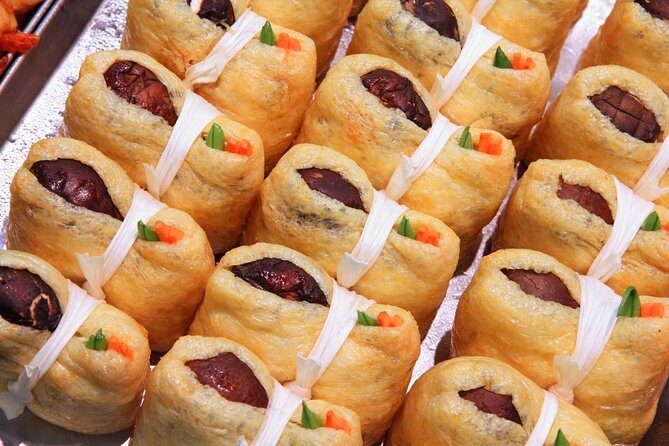
- Depachika at Takashimaya, one of the nicest underground food halls in the area
- Kuromon Ichiba Market for the sights and the shopping energy, with a heads-up on prices
- Korea Town at Tsuruhashi for cultural overlap and easy snack browsing
- Kitchenware shopping on Doguyasuji, perfect if you want knives, ceramics, and serving gear
- A guide who can translate and adjust, with examples like Ferdinand, Kevin, Thomas, Alejandro, Lito, Damian, and Oshi
A four-hour Osaka route from depachika to Dotonbori
This is a private, guide-led market-and-shopping crawl that runs about 4 hours. You can join a morning or afternoon tour, and you’ll get a mobile ticket on top of a group discount setup. Pickup is offered, and the standard meeting point is at McDonald’s in front of Temma Station. The tour ends near Ebisu Bridge on Dotonbori in the Namba area, which is handy because you’re already in the action when you’re done.
What makes this format work is the pacing. Markets are great, but Osaka is not designed for slow staring. Having a guide keeps you moving in the right order so you don’t burn time bouncing around. You also get language support (a native or close-to-native speaker of your chosen language), which matters most when you want to ask questions, confirm options, or understand what you’re looking at.
Also, the tour is built for confidence. The goal isn’t just seeing places. You leave with a better sense of how to navigate food markets and order dishes on your own after the tour.
You can also read our reviews of more food & drink experiences in Osaka

Takashimaya Osaka Store depachika: luxury food halls first
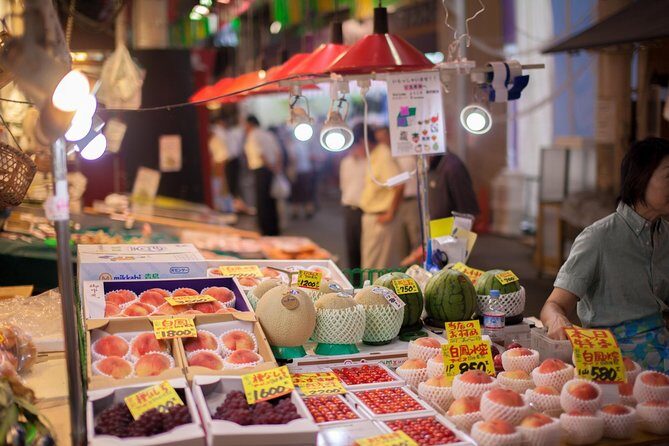
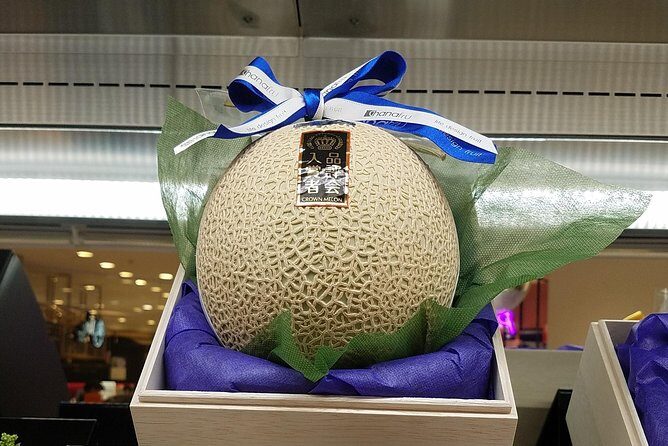
Your first stop is Takashimaya Osaka Store, where you’ll spend time in the underground food hall world people call depachika. This is one of Osaka’s big lessons in contrast: you can learn what high-quality looks like without paying high-end restaurant prices. The display format is the point. You’re surrounded by neat counters of ingredients, prepared foods, and gift-style items, with a clear logic to how people shop.
What I like here is the sensory training. Even if you don’t buy much at first, your eyes start sorting things faster: raw ingredients, ready-to-eat items, and packaged specialties. It helps later at markets, where it’s easy to get overwhelmed by variety.
A practical note: depachika stops tend to feel calmer than open-air markets, but the selection is still huge. Bring a small shopping mindset. If you want souvenirs, this is often where the “I know I’ll use this” items are easiest to find—think sauces, snack boxes, and ingredient packs.
Pulala Tenma wet market: how locals shop for ingredients
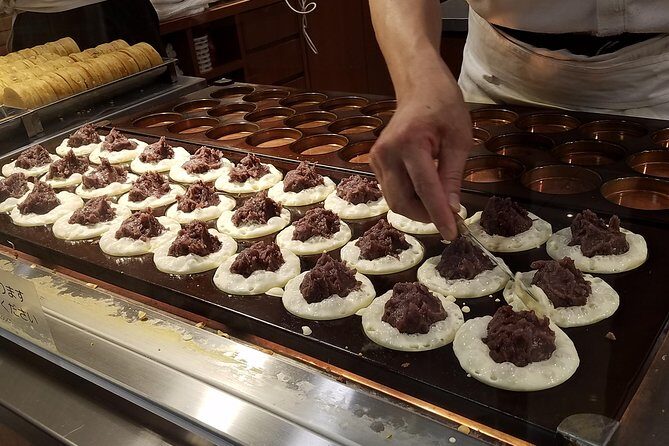
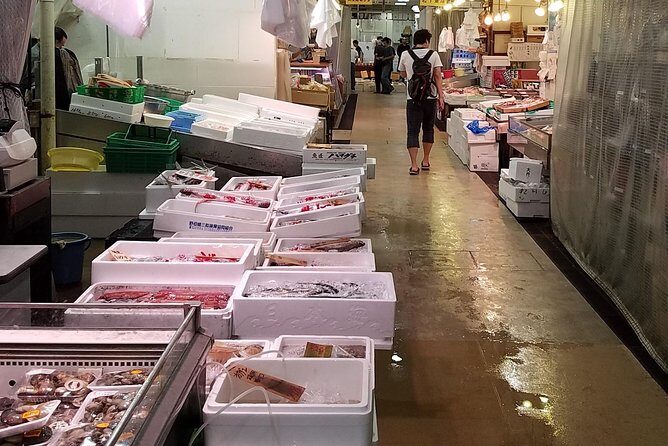
Next comes Pulala Tenma, a local wet market where you can see seafood, meats, vegetables, and more up close. This is the stop that changes your whole understanding of Osaka food, because you’re watching ingredients being chosen for daily cooking, not just for photo ops.
The value here is the guide’s context. You get explanations of how those ingredients come together as everyday food culture, not just a list of what’s on display. It’s also where translation support helps the most—wet markets are visual, but they’re also conversational. If you want to ask what’s best today or what people recommend, you’ll be glad a guide is there.
One consideration: wet markets are active. You’ll be standing, walking, and looking in tight spaces. Comfortable shoes are a must.
Tenjinbashi-suji arcade and supermarket habits
Then you move into Tenjinbashi-suji, known as the longest covered shopping street in Japan. The covered arcade is useful in two ways. First, it’s atmospheric. Second, it’s a real example of how people do errands and browse without turning it into a special trip.
At this stop, you’re not just looking. You’re learning history and the modern role of the arcade, plus you’ll pop into a supermarket to see how Osaka shoppers stock up. That small “everyday grocery” piece is worth real attention because it’s where you start noticing patterns: what gets bought repeatedly, what looks like a household staple, and how packaged goods are presented.
If you’ve ever felt lost in Japanese supermarkets because everything is labeled in a different way than you’re used to, this is the part that helps you reset your brain.
Tsuruhashi Ichiba and Korea Town: snacks, shopping, and culture
After that, you head to Osaka Tsuruhashi Ichiba and the Korea Town area. This is where the tour becomes more than just Japanese cuisine. You’ll see how Korean influence shows up in food shopping, and you’ll also notice how culture overlaps beyond eating—clothing and other goods appear alongside food.
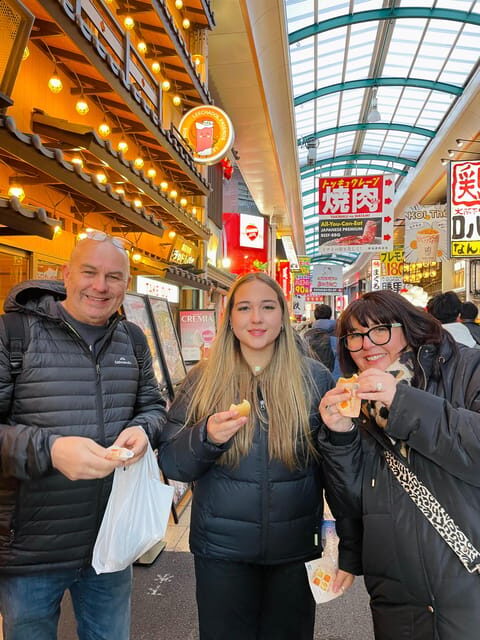
This is a fun stop if you want variety without getting forced into a single dining choice. The Korea Town area is built for browsing, and you should have opportunities to buy a tasty snack or two. Just remember: snacks are on you financially. The tour helps you find options and understand what you’re looking at; it doesn’t hand out everything.
A small tip: if you’re the type who likes to taste a little of everything, decide ahead of time which direction you’ll go with snacks. Korea Town offers lots of tempting choices, and it’s easy to overspend if you don’t set a limit.
You can also read our reviews of more tours and experiences in Osaka

Kuromon Ichiba Market: prime sights, higher prices
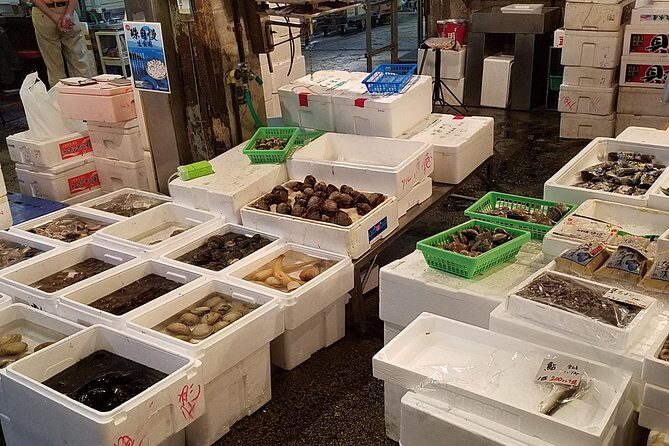
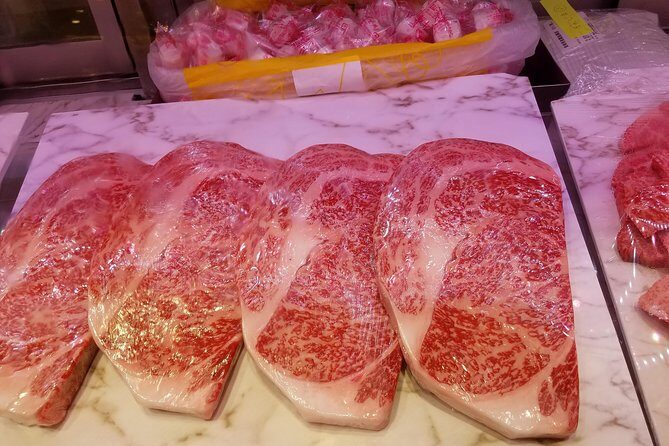
Next is Kuromon Market, one of Osaka’s most famous open-air markets. It’s popular for a reason: the energy is intense, the display is dramatic, and the variety is easy to spot even if you’re not fluent.
Here’s the important value tradeoff. Kuromon is great for sights and quality, but it’s also known for higher prices than you’ll see at more local markets. You don’t have to avoid it. You just need a plan: buy based on your confidence level and budget, not on hype.
What I like about doing Kuromon on a guided route is that you don’t arrive cold. You’ve already seen how depachika and wet markets work, so you’re better at picking what’s worth your money. You can also ask the guide what’s smart to look for when a counter seems busy or confusing.
Doguyasuji shopping street: knives, ceramics, and prep gear
After the food-heavy stops, the tour shifts to Doguyasuji Shopping Street, which is focused on kitchenware. This is a smart inclusion if you cook, host, or just want to bring home practical Osaka. You’ll see lots of items related to cooking and serving: Japanese cooking knives, ceramics, serving dishes, and even fun shop-floor details like wax sushi models.
You can also look for tea cups and lacquer chopsticks. These aren’t just souvenirs. They’re the kind of items that make home meals feel more intentional.
The main drawback here is that you might want to buy everything. The best move is to set one priority item. A knife is a great example, but only if you know you can carry it. If you’re not sure, ceramic pieces or serving items can be less complicated to pack.
Namba (Minami) and Dotonbori: using your new food-shopping map
The tour wraps with time in Minami (Namba) around Dotonbori, with a quick look at some top sights in the area. This final segment is less about buying ingredients and more about connecting it to the Osaka you’ll explore after the tour.
You’ll walk away with a better sense of how to navigate markets and shopping streets beyond the tour route. When you move through Dotonbori afterward, you’re no longer treating food as a random hunt. You understand the rhythm: where people shop, where products are displayed, and how to evaluate quality without panicking.
If you want a simple next step, use your end time to pick one planned meal. Your tour knowledge helps you order with less guesswork, and it keeps the night from turning into decision fatigue.
Why the guide matters more than the menu
This kind of tour rises or falls on the guide. The strongest experiences line up with guides who can explain what you’re seeing and answer the questions that pop up while you’re shopping.
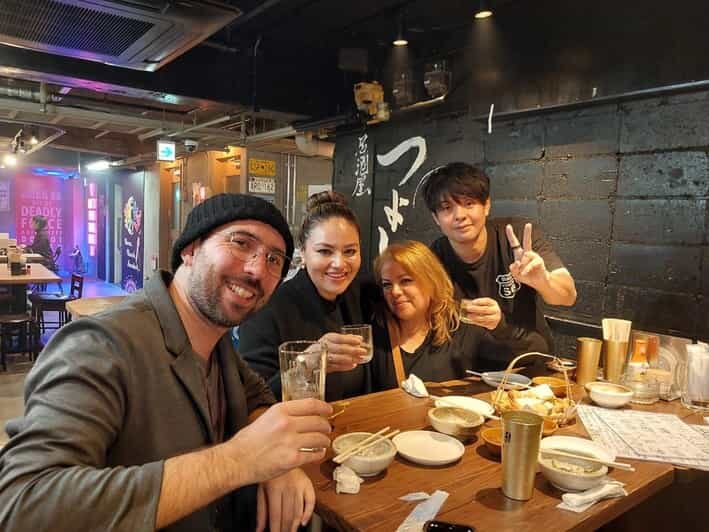
I love how flexible some guides can be. For example, guides like Thomas and Damian were praised for adjusting to kids’ interests, including mochi-related curiosity. Others, like Alejandro and Ferdinand, were praised for strong communication and cultural explanation across Japanese, Chinese, and Korean influences. Kevin also stood out for being a great communicator, and Oshi was noted for clear guidance during a hot, intense day.
One more detail worth your attention: translation and patience. Some guides were specifically praised for helping translate when people wanted to try particular foods and for being patient while shopping and taking photos. That matters, because markets don’t run on your schedule. A guide who handles the flow well keeps the whole day enjoyable.
Price and value: what $91 really covers
At $91 per person, you’re paying for the guided experience itself. Important: transportation is not included. The tour lists 330 yen per adult, and guidance around the same amount is referenced for the full tour depending on routing. You’ll also pay for what you purchase in shops and markets.
Most key costs to budget for:
- Food and snacks are not included. You’re responsible for snacks you buy during the tour.
- Samples or food items are not included as part of the price.
- Transportation is extra.
So is it still worth it? For the right person, yes. If you want a guided route that teaches you how to approach markets, compare options, and shop with confidence, $91 can feel fair. Also, many stops have free admission noted for the sites you visit, so you’re not paying entry fees on top of the guide.
It’s only a bad fit if your main goal is a tasting-heavy food tour where someone else covers the bites. In that case, you may feel like you’re paying to look rather than to eat.
Walking, heat, and how to stay comfortable
This is not a sit-down tour. Expect a moderate amount of walking, and some days will feel like more depending on where you land and the season. Reviews mention that stamina helps, especially in heat, and that the day can be tiring even when the experience is fun.
What you should plan:
- Wear comfortable shoes you trust on crowds and sidewalks.
- Bring water, since you’ll be shopping and moving through dense areas.
- If you’re sensitive to heat, choose the tour time that matches your comfort level. The tour offers both morning and afternoon, which helps.
Even though the day is mostly outside or in lively market areas, you may end up in modern air-conditioned spaces when the route allows. That cooling break can feel like a reset, not a letdown.
Who should book this Osaka market-and-food-shopping tour
This tour is a strong match if you:
- Want market navigation skills, not just famous-name sightseeing
- Like shopping for ingredients, snacks, and kitchenware
- Prefer guided explanations and language help while you choose items
- Enjoy a structured route across multiple types of markets
You might want to skip or adjust expectations if you:
- Expect food tastings included in the tour price (snacks and purchases are on you)
- Are looking for minimal walking or want lots of sitting time
- Have a tight budget for purchases and don’t want to spend much beyond the tour cost
Should you book this Osaka food markets tour?
Book it if you want Osaka food culture you can use after the tour. You’re not just collecting stamps. You’re learning how to look at ingredients, how to compare what you see, and how to make decisions in Japanese shopping spaces with a guide beside you. The local-to-luxury sequence also helps you understand what you’re paying for and why.
Skip it if you want someone to feed you. Since snacks and food purchases are not included, treat it as a market-learning and shopping orientation, with snack opportunities you can buy along the way.
FAQ
Is transportation included in the tour price?
No. Transportation while on tour is listed as extra (330 yen per adult).
Are food tastings or samples included?
No. Samples, food items, refreshments, and souvenirs are not included. Snacks you buy during the tour are your responsibility.
How long is the tour?
The duration is about 4 hours.
Is pickup available?
Yes, pickup is offered.
Is this a private tour?
Yes. It’s private, so only your group participates.
Do I get a language guide?
You get a native speaker (or close to) of your chosen language.
Can I choose between morning and afternoon?
Yes. You can choose either a morning or an afternoon tour.
How much walking is involved?
There is a moderate amount of walking, and some routes can feel like a lot depending on conditions, so comfortable shoes help.
Is it suitable for children?
Most travelers can participate, but children must be accompanied by an adult. The tour has a moderate amount of walking.
What is the cancellation policy?
Free cancellation is available up to 24 hours in advance for a full refund. If you cancel less than 24 hours before the experience, the amount paid is not refunded.