REVIEW · OSAKA
From Osaka: 10-hour Private Customizable Tour to Kyoto
Book on Viator →Operated by Dida Go · Bookable on Viator
Kyoto in a single day, with less hassle. This private, 10-hour customizable car tour lines up Kyoto’s biggest hits—then removes the stress of trains, transfers, and crowd navigation. You start in Osaka with pickup, you ride in an air-conditioned vehicle, and you end in Kyoto with classic temple-to-street sightseeing.
I especially like the time blocks for the landmarks: long enough for photos and calm moments, short enough to keep the day from dragging. If you add the optional English guide, I’ve seen examples where an English-speaking guide named Lei handled the temple stories clearly and stayed flexible when plans changed.
One thing to consider: the value depends heavily on the guide. English explanations are only guaranteed if you book the English guide option, and overtime adds cost fast if you run late or want to linger.
In This Review
- Key takeaways before you go
- A smart way to hit Kyoto’s top sights from Osaka
- Kinkaku-ji (Rokuon-ji) first: golden views and queue time
- Kiyomizu-dera and Yasaka Shrine: UNESCO site energy plus a prayer stop
- Hanamikoji after temples: Gion street time that feels more local
- Sannenzaka and Ninenzaka: the easy-to-love stone lanes
- How the private car and optional English guide change the experience
- English guide option: ask for clarity up front
- Driver quality: crowds get handled by someone else
- Price and logistics: what you’re really paying for
- Overtime fees: plan to protect the schedule
- A smooth Kyoto day plan (so you don’t waste your 10 hours)
- Start with the right shoes and bag size
- Bring cash or plan for extra ticket basics
- Use the customization idea smartly
- Expect a long day of big highlights
- Should you book this Osaka-to-Kyoto private day trip?
- FAQ
- What’s included on the Osaka to Kyoto private tour?
- Do I need tickets for Kinkaku-ji, Kiyomizu-dera, and the other stops?
- Can you pick me up in Osaka and drop me off where I want?
- Is an English guide guaranteed?
- What happens if I want to stay longer at a stop?
- Can I cancel for free?
Key takeaways before you go
- A private car door-to-door in Osaka saves you from transit math and last-minute taxis
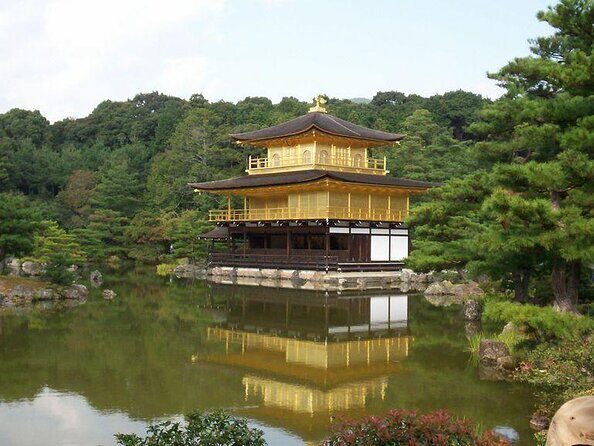
- Kinkaku-ji gets a full 3 hours, but its admission ticket is extra
- Kiyomizu-dera, Yasaka Shrine, and the Gion street stops are free, so you can spend time without extra fees
- Optional English guide can make the history make sense, especially on temple days
- Walking sections are real, so plan for comfortable shoes on Sannenzaka/Ninenzaka and the Gion lanes
- Pacing matters in crowds—you’ll want a driver who can handle tight timing, like the examples with Yan and Wan
A smart way to hit Kyoto’s top sights from Osaka
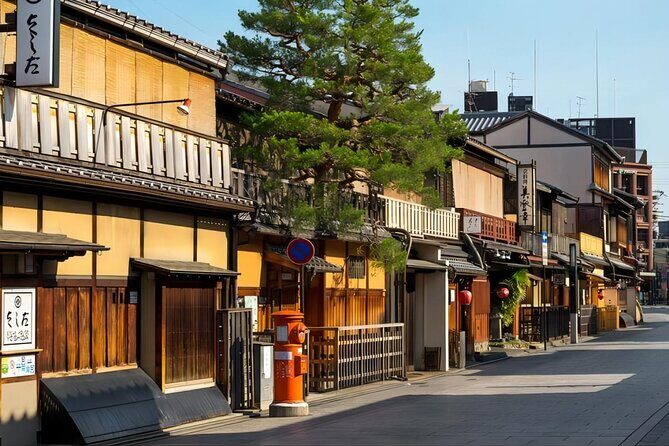
If your Kyoto plans start in Osaka and you have only one day, a private car tour is one of the most practical ways to do it. You get a clean flow: temples first, then the older neighborhoods where you slow down and look at details. With a 10-hour format, you’re not stuck spending half the day commuting.
The “private” part matters more than it sounds. You control where you start in Osaka and where you finish, and your driver can handle routing and parking while you focus on what you came for. For families and mixed-age groups, this kind of logistics support is often the difference between a fun day and a tiring one.
This tour is also built for realism. Each stop is timed, and the day is structured so you can see the big names—Kinkaku-ji and Kiyomizu-dera—plus the cultural streets around Gion and Higashiyama.
You can also read our reviews of more private tours in Osaka
Kinkaku-ji (Rokuon-ji) first: golden views and queue time
Kinkaku-ji, officially Rokuon-ji, is the temple most people picture when they think of Kyoto. You get a dedicated 3-hour window here, which is exactly what you want at a major site—time for photos, time to walk the grounds, and time to catch the best angles without feeling rushed.
One practical note: Kinkaku-ji admission is not included. The listed ticket cost is about $4 USD per person, so I’d budget that up front. If you forget, you’ll slow down right when the day is just getting going.
Why start here? Early stops are easier on your legs and your patience. Even if crowds are heavy later, having Kinkaku-ji in the morning-style slot usually gives you a better shot at calmer walking and quicker photo cycles. If your schedule is tight, you’ll also appreciate that Kinkaku-ji is a single main attraction—you’re not forced to choose between multiple sites with conflicting walking distances.
Kiyomizu-dera and Yasaka Shrine: UNESCO site energy plus a prayer stop
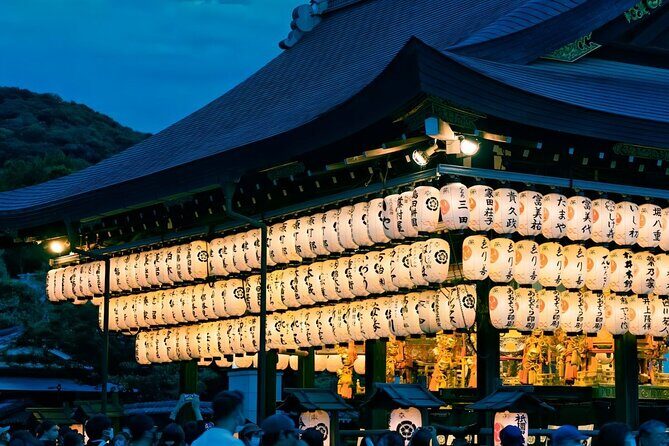
After Kinkaku-ji, the day shifts to two very different vibes: a dramatic temple viewpoint and a shrine rooted in everyday faith.
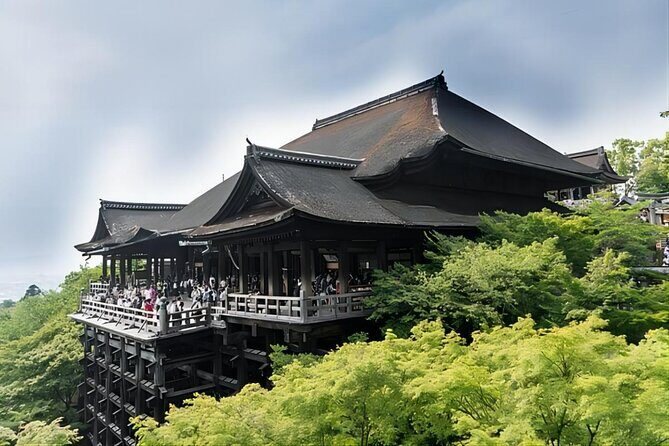
At Kiyomizu-dera, you get about 1.5 hours. This temple is part of the Historic Monuments of Ancient Kyoto (UNESCO), and it’s famous for its setting and views over the eastern part of the city. The upside of a shorter block is that you can enjoy Kiyomizu-dera without turning it into an exhausting all-day climb.
Admission is listed as free for this stop, so you can put your focus on the sights rather than ticket math. Still, do remember that temple sites often have lines and stairs. Comfortable shoes beat good intentions here.
Then you head to Yasaka Shrine for another 1.5 hours. Yasaka Shrine is in the Gion area and is associated with Shinto practices, including blessing and praying for good luck. This is a nice contrast after Kiyomizu-dera: you’re not only looking up at architecture—you’re also stepping into a place where people come to mark a meaningful moment.
If you like cultural stops that feel more lived-in than museum-like, Yasaka Shrine is a strong fit. The setting in the Gion district also helps the day feel cohesive—you’re building toward the traditional streets you’ll walk next.
Hanamikoji after temples: Gion street time that feels more local
Next up is Hanamikoji Street in the Gion district, with about 2 hours allocated. This is old Kyoto in street form: narrow lanes, traditional storefronts, and the kind of walkway where you actually notice details instead of racing from one ticket gate to the next.
You also have timing on your side. The tour’s structure means you’re often reaching Hanamikoji when evening energy starts to show up. That matters in Gion, where the atmosphere changes after daylight.
The big value here is balance. By the time you reach Hanamikoji, you’ve already done major temples, so this feels like a breather. If your group includes kids, older adults, or anyone who gets temple-fatigue, Hanamikoji can be the stop that keeps the day enjoyable instead of purely educational.
Sannenzaka and Ninenzaka: the easy-to-love stone lanes
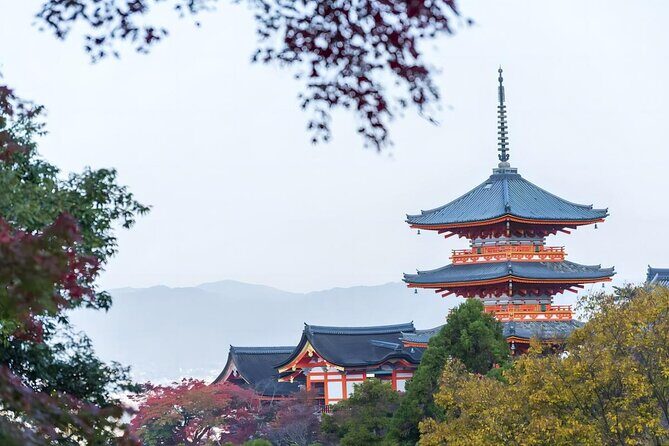
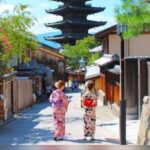
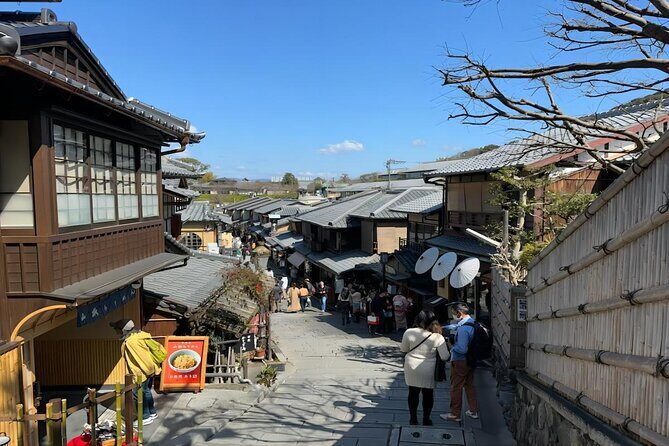
After Hanamikoji, you move into Sannenzaka and Ninenzaka, stone-paved pedestrian streets near Higashiyama. You get about 2 hours here, and this is where Kyoto starts to feel like a movie set—without trying too hard.
These lanes are lined with traditional-style buildings and shops. That means your time can split naturally: some people shop, some people wander slowly for photos, and others just watch street life. If you’ve only got one day, a stop like this helps you remember Kyoto beyond the famous temples.
Here’s the practical tradeoff: it’s a walking area. Even though the stops are close enough to fit inside a 10-hour private tour, your feet will still get a workout—especially if you pause for photos in multiple spots.
Admission for these street areas is listed as free, so again, you can keep money for snacks and small purchases instead of paying another site fee.


How the private car and optional English guide change the experience
A private car tour isn’t just about comfort. It’s about decision-making. You’re not stuck following someone else’s strict schedule, and you don’t need to master station transfers while also thinking about where to eat.
That’s why this works well for groups with different needs. In one well-run example involving a family with a 70+ year old mother-in-law and kids aged 8 and 5, the pacing was described as good and the day felt manageable. In other words: the tour structure supports a human pace, not a power-walk schedule.
Now, the guide part is key.
English guide option: ask for clarity up front
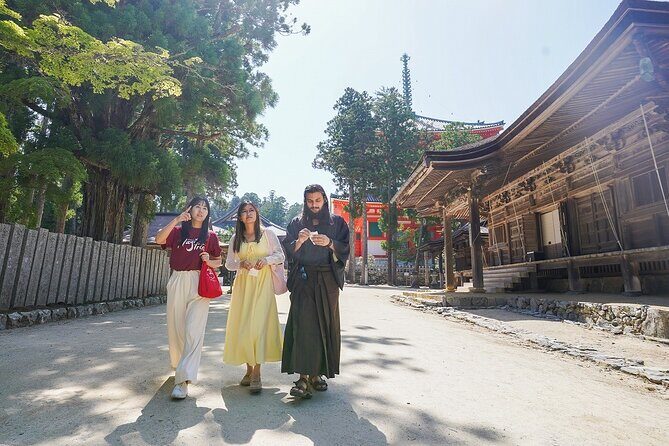
The tour offers an English-speaking guide as optional. If you want history explanations at Kinkaku-ji and Kiyomizu-dera, this option is the one that turns the trip from sightseeing into real understanding. One example included an English guide named Lei who was personable and attentive to what her group wanted.
But there can be variation. In a separate case, a guide’s English communication was reported as struggling, with reliance on phone-based notes during explanations. My practical advice: if your interest is mainly deep temple history, book the English guide and keep your expectations grounded—then bring patience if language pacing isn’t perfect that day.
Driver quality: crowds get handled by someone else
Even with an English guide, the driver still matters. Kyoto’s old streets and temple approaches are not designed for buses and chaos without help. In examples with drivers named Yan and Wan, the group was guided through crowded conditions and timing stayed under control.
That’s the hidden value of a good driver: not just getting you there, but helping you avoid wasting time at every turn.
Price and logistics: what you’re really paying for
At $290 per person, this is not a budget-only day trip. The price only feels “fair” when you treat it as a private solution for time, stress, and flexibility. You’re paying for:
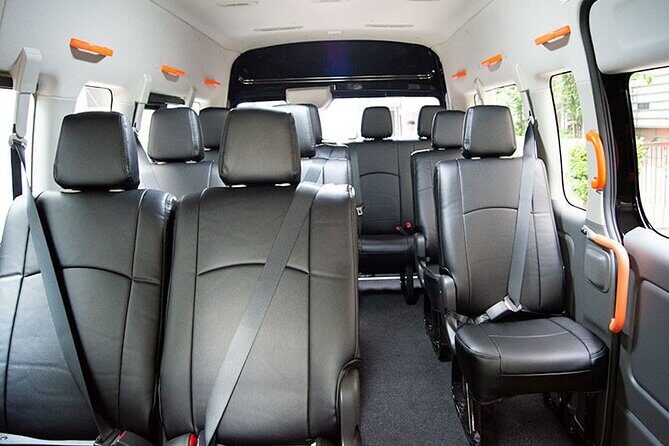
- Private transportation with an air-conditioned vehicle
- Door-to-door pickup and drop-off in Osaka
- A guided option if you choose English
If you’re traveling solo, the cost can feel steep compared to trains. If you’re traveling with a couple, or a small group, the private car starts looking more reasonable because the logistics savings become shared.
Also note the tour includes group discounts (specifics aren’t listed here), which is often the difference between a “yes” and a “too expensive” feeling.
Overtime fees: plan to protect the schedule
The day is timed tightly across five major stops. If you go long at one place, you may want extra time. Overtime costs are listed as:
- $42 per hour without a guide
- $67 per hour with a guide
That means you should budget for the possibility of delays. If you’re the type who always wants to stay until you’ve seen every detail, this tour might still work—but you’ll want to pick priorities at each stop so you don’t hit overtime.
A smooth Kyoto day plan (so you don’t waste your 10 hours)
Here’s how I’d set yourself up for a stress-free day using only what the tour supports.
Start with the right shoes and bag size
Sannenzaka/Ninenzaka and the Gion area involve lots of walking. Bring comfortable shoes and a bag that doesn’t turn into a nuisance on stairs and narrow lanes.
Bring cash or plan for extra ticket basics
Most stops listed here are free, but Kinkaku-ji has an admission fee. You’ll want that covered before you arrive so you don’t lose time.
Use the customization idea smartly
The tour is described as customizable, and in practice that flexibility often shows up as adjusting how long you stay in each area. A guide who is willing to shift timing can help your group fit in shopping or swap in a different temple stop when it makes sense.
The best approach is to decide your top must-sees before the driver pulls away. That way, customization feels like progress, not uncertainty.
Expect a long day of big highlights
Ten hours sounds generous until you realize you’re doing temples plus walking streets plus a shrine stop. This is a “see Kyoto’s greatest hits” format. If you’re hoping for slow, deep temple wandering all day, you might feel pushed.
But if you want a well-paced day trip with major landmarks and classic neighborhoods—this format matches that goal.
Should you book this Osaka-to-Kyoto private day trip?
Book it if you want:
- A no-transit headache day from Osaka with pickup and drop-off
- Kyoto’s top sights in one go, including Kinkaku-ji, Kiyomizu-dera, Yasaka Shrine, and the Gion/Higashiyama streets
- The ability to add an English guide if you care about explanations
- A pace that can work for families, including mixed ages
Skip it if:
- You’re planning to spend most of the day lingering in one place and don’t want to worry about time blocks
- Your budget can’t handle a private per-person rate plus possible overtime
- English narration is a must, and you’re not comfortable with the fact that guide quality and communication can vary
If you match the tour to your style—see the highlights, walk the historic lanes, and keep moving—you’ll likely feel like you got your money’s worth in time saved and stress avoided.
FAQ
What’s included on the Osaka to Kyoto private tour?
The tour includes an air-conditioned private vehicle and private transportation. An English tour guide is optional, depending on the option you choose, and a mobile ticket is provided.
Do I need tickets for Kinkaku-ji, Kiyomizu-dera, and the other stops?
Kinkaku-ji admission is not included, and the listed cost is about $4 USD per person. Kiyomizu-dera, Yasaka Shrine, Hanamikoji Street, and Sannenzaka/Ninenzaka are listed as free.
Can you pick me up in Osaka and drop me off where I want?
Yes. Pickup is offered from your preferred location in Osaka, such as your hotel or train station, and you’ll be dropped off at your preferred location afterward.
Is an English guide guaranteed?
An English-speaking guide is optional, so it depends on the option you select when booking. If you choose not to include the guide, you still get the private car and driver.
What happens if I want to stay longer at a stop?
Overtime fees apply. The listed cost is $42 per hour without a guide and $67 per hour with a guide.
Can I cancel for free?
Yes. You can cancel up to 24 hours in advance for a full refund, with the cut-off based on local time.