REVIEW · OSAKA
From Osaka or Kyoto: Full Day Sightseeing Tour of Kyoto
Book on Viator →Operated by F Trip · Bookable on Viator
One Kyoto day, three centuries of Japan. This full-day loop from Osaka or Kyoto strings together Kinkaku-ji, the Senbon Torii at Fushimi Inari, and Arashiyama’s bamboo area with a guide who keeps the flow sane.
I love the mix of major sights that feel different from one another. You get UNESCO-listed classics like Kinkaku-ji and Nijo Castle, plus shrine time that doesn’t cost you a yen at Fushimi Inari. I also like that the guiding is the point: multiple guides (Theo/Theodore Chan, Amy, Anson, Lucy, Lee) are praised for being engaging and organized, which matters when you’re moving all day.
The main trade-off is pace. It’s a long day with a lot of walking, and lunch isn’t included, which can leave some people wishing for a longer sit-down break.
In This Review
- Key things that make this Kyoto day trip work
- Kyoto in 1 day: temples, torii gates, a castle, and bamboo
- Price and value: what $65.90 really buys you
- How the day actually feels: timing, buses, and a packed but manageable flow
- Kinkaku-ji (Golden Pavilion): why that 40 minutes can be enough
- Fushimi Inari Taisha: the free torii walk that eats time (in a good way)
- Nijo Castle and Ninomaru Goten: feudal architecture in a timed window
- Arashiyama: the nature half of the Kyoto equation
- Bamboo Forest, Nonomiya Shrine, Togetsukyo Bridge: what you can actually expect
- Arashiyama Kimono Forest: why this modern textile art works
- Lunch and breaks: how to avoid the only common complaint
- Getting started smoothly: meeting the group and staying together
- Who this day trip suits best
- Final verdict: should you book this Kyoto highlights tour?
- FAQ
- How long is the Kyoto highlights tour from Osaka or Kyoto?
- What’s included in the price?
- Is lunch included?
- Which temple or castle tickets cost extra?
- Is the tour really from Osaka or Kyoto?
- How long are the main stops?
- Is there a group size limit?
- Do I need a ticket on my phone?
- Can I cancel for free if plans change?
- Is the itinerary suitable for most people?
Key things that make this Kyoto day trip work
- 9 hours with built-in structure: you’re not spending your time figuring out transit between far-flung neighborhoods
- Two major paid sights are clearly called out: Kinkaku-ji (500 yen) and Nijo Castle/Ninomaru Goten (1,300 yen)
- Fushimi Inari is free and timed for a meaningful walk through the Senbon Torii
- Arashiyama is split into multiple stops, so you see more than just the Bamboo Forest
- Max group size is 45, which helps the guide keep people together
- Mobile ticket for smoother check-in once you’re on the move
Kyoto in 1 day: temples, torii gates, a castle, and bamboo
This is the kind of day trip you take when you want Kyoto’s “greatest hits” without planning for months. You’ll go from sacred temple grounds to thick forest paths to castle halls, all with transport handled and a guide keeping your schedule from turning into a game of phone charging and guesswork.
What I like most is the variety. Kinkaku-ji gives you that iconic gold-and-garden Zen moment. Fushimi Inari Taisha is completely different: it’s about repeating torii gates and the steady rhythm of walking upward. Then you switch again to Nijo Castle, where the focus shifts to feudal-era palace architecture. And finally Arashiyama slows things down with nature and classic Kyoto scenery—especially around the Bamboo Forest.
If you only have one day in the Kyoto area, this itinerary is built for that reality.
You can also read our reviews of more tours and experiences in Osaka

Price and value: what $65.90 really buys you
At $65.90 per person, the big value isn’t just the list of stops. It’s the fact that you’re buying:
- an air-conditioned vehicle
- a guide who directs your day
- a planned sequence of long-distance sights
There are also costs you’ll handle yourself. Kinkaku-ji is 500 yen and Nijo Castle/Ninomaru Goten Palace is 1,300 yen, while Fushimi Inari is free. Lunch is not included.
So do the math like a traveler, not like a spreadsheet:
- If you were doing these on your own, you’d pay for transport between each area, time, and tickets.
- Here, you’re paying for time saved and hassle reduced, plus someone to explain what you’re seeing in plain language.
You’ll also notice this tour is popular. It’s been booked 10+ times in the last week, which usually signals reliable demand for exactly this type of one-day plan.
How the day actually feels: timing, buses, and a packed but manageable flow
This tour runs about 9 hours. That’s long, but it’s realistic for a full circuit across Kyoto’s most famous zones.
The structure helps. You’re given set time blocks at each stop, and that’s key in Kyoto, where crowds can gobble up free time fast. The schedule looks like this:
- Kinkaku-ji: 40 minutes
- Fushimi Inari Taisha: 1 hour 10 minutes
- Nijo Castle: 1 hour
- Arashiyama general area: 20 minutes
- Arashiyama Bamboo Forest: 40 minutes
- Nonomiya Shrine: 20 minutes
- Togetsukyo Bridge: 20 minutes
- Arashiyama Kimono Forest: 20 minutes
One thing to be honest about: the day is “active.” Reviews mention it can be a lot of walking, and on a hot day it’s not for the faint-hearted. Wear comfortable shoes. Skip boots if they’re going to grind your feet. Plan for sun and hydration.
Kinkaku-ji (Golden Pavilion): why that 40 minutes can be enough
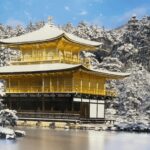
Kinkaku-ji is the Zen Buddhist temple known for its golden exterior and UNESCO status. Even with crowds, it’s the kind of place where you understand the hype fast. You’re not just looking at a building—you’re also looking at the way the garden setting frames the temple.
Your time here is listed as 40 minutes, and the ticket is not included (500 yen). That timing is tight but workable if you:
- decide what you want most: the gold exterior, the garden views, or quick photos
- don’t burn time walking in circles
- arrive mentally ready to enjoy it, then move on
The value of this stop is that it’s a visual anchor. If your Kyoto day has any emotion, it’s usually around sights like this—because it’s instantly recognizable and clearly Kyoto.
Fushimi Inari Taisha: the free torii walk that eats time (in a good way)
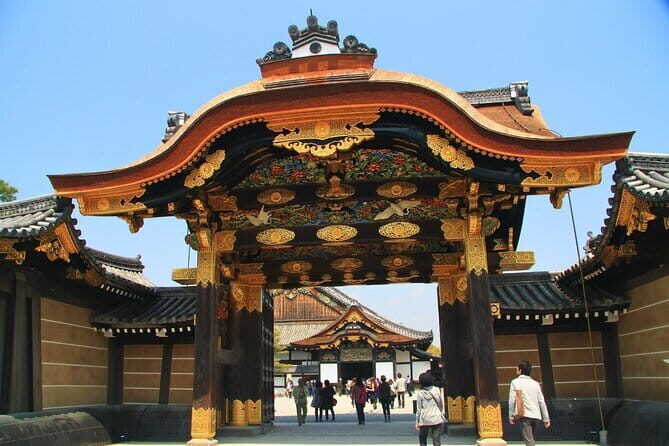
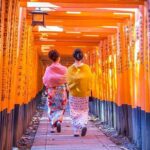
Then comes Fushimi Inari Taisha, the head shrine for Shinto’s Inari, associated with rice and prosperity. The famous feature is the Senbon Torii—thousands of vermilion red torii gates.
Good news: it’s listed as free (no ticket). It’s also given 1 hour 10 minutes, which is generous enough to do a real walk rather than just “peek and go.” It’s also where you’ll feel the difference between just standing and actually walking through the gates.
A practical tip: treat the torii area like a hike. You’re moving for scenic payoff. If you rush, you’ll miss the rhythm of the place—gate after gate, changing angles, and the way the path pulls you onward.
This stop is also good for photos, but don’t let your camera control your legs. Give yourself a few minutes to just look and absorb. The best moments often happen when you pause.

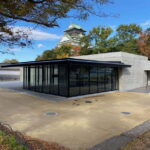




Nijo Castle and Ninomaru Goten: feudal architecture in a timed window
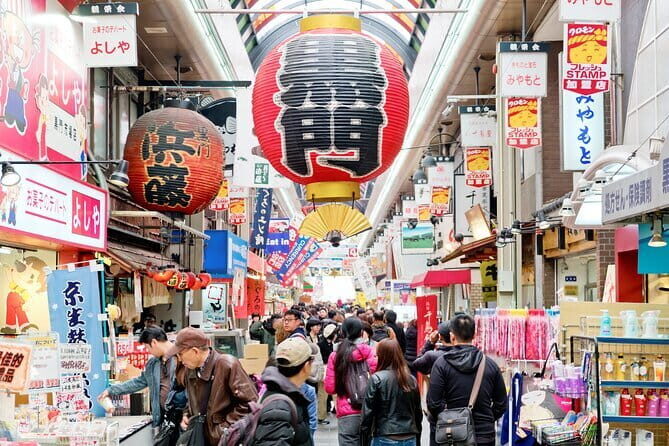
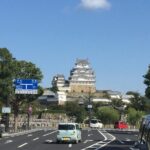
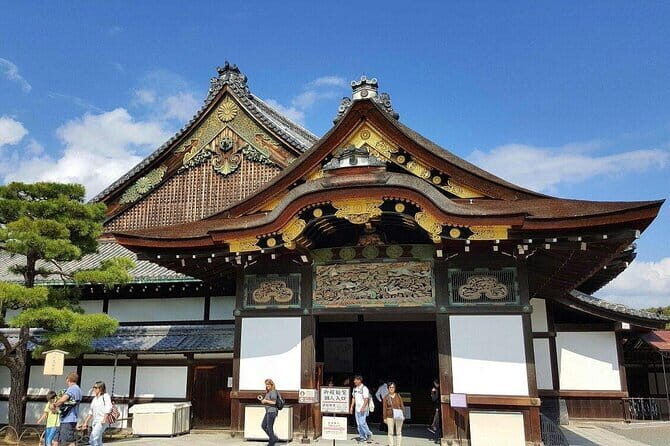
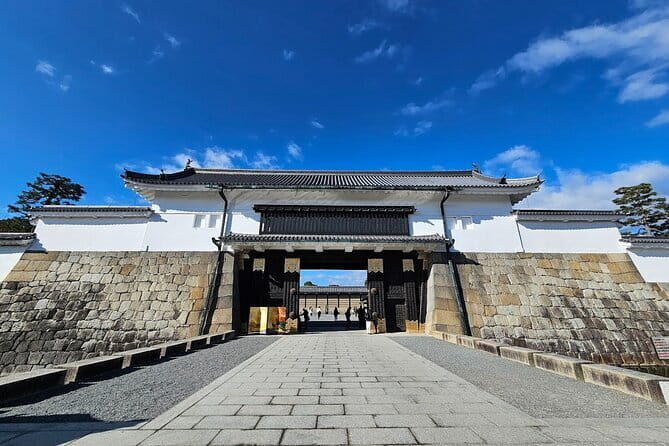
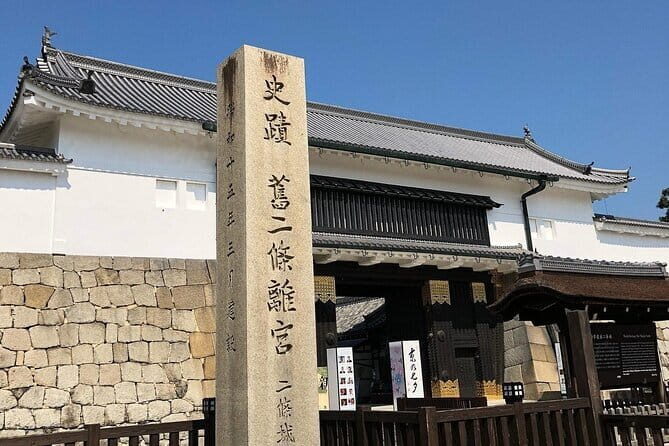
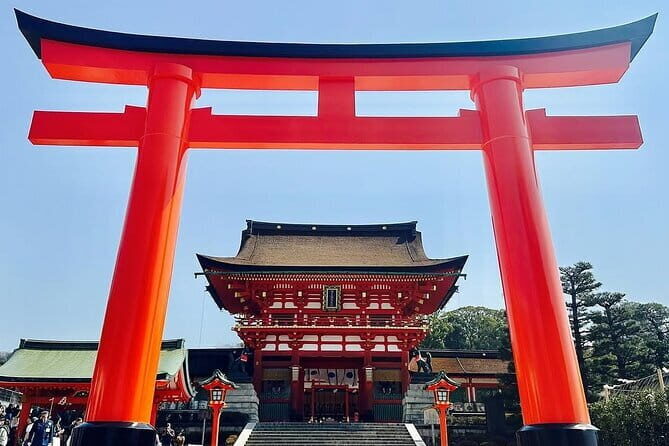
Next is Nijo Castle, built in 1603 as the Kyoto residence of Tokugawa Ieyasu, the first shogun of the Edo Period (1603–1868). It’s another UNESCO World Heritage site (designated in 1994) and is known for palace buildings and surviving castle palace architecture.
Your time here is 1 hour, and tickets are not included (1,300 yen for the Nijo Castle & Ninomaru Goten Palace portion). One hour sounds short, but for a guided visit it works because the guide can point out what matters without you getting lost in every hallway and corner.
What makes this stop valuable is how different it feels from the shrine and temple portions. You go from outdoor spirituality and forest paths to man-made space: floors, rooms, and palace layout. Even if you’re not a history buff, you can feel the shift in purpose and design.
If you’re the type who loves architecture, this is likely your “wow, I get it now” moment.
Arashiyama: the nature half of the Kyoto equation
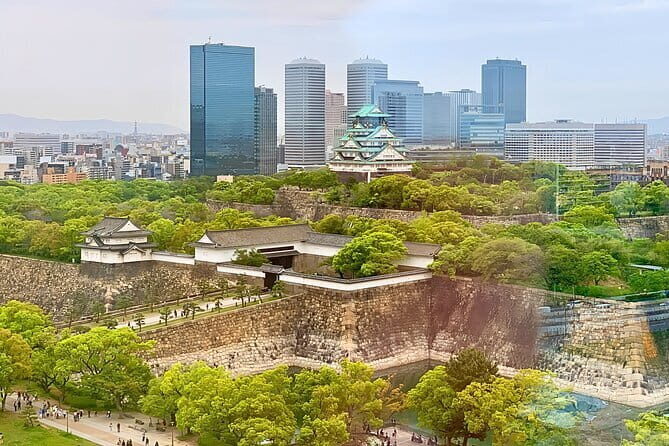
After the castle, the tour heads into Arashiyama, Kyoto’s western district known for natural beauty and historic sites. This part of the day is split into multiple stops, which helps because Arashiyama is spread out.
You’ll get:
- Arashiyama area: 20 minutes
- Bamboo Forest: 40 minutes
- Nonomiya Shrine: 20 minutes
- Togetsukyo Bridge: 20 minutes
- Kimono Forest: 20 minutes
This structure is smart. It prevents the day from becoming “one long walk to the next thing.” Instead, you hop between viewpoints and small experiences.
Bamboo Forest, Nonomiya Shrine, Togetsukyo Bridge: what you can actually expect
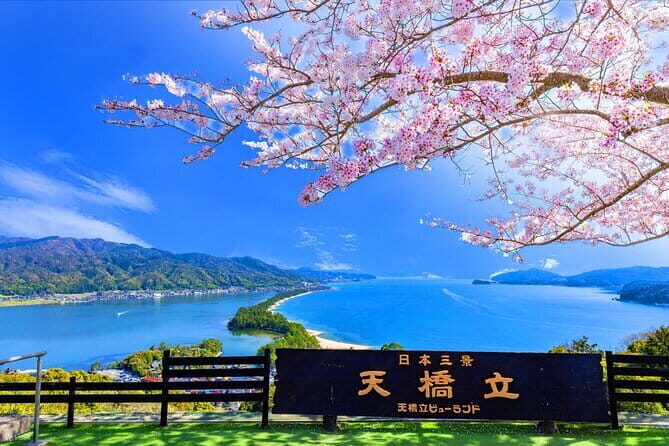
The Arashiyama Bamboo Forest is a must-see symbol of Kyoto, and your time here is listed as 40 minutes. In practice, this is enough time to enjoy it without feeling like you’re speed-walking through a photo set.
Right after that, you visit Nonomiya Shrine, a Shinto shrine in the Arashiyama district with a distinctive black torii gate. You’ll have 20 minutes, which is perfect for a quiet look without forcing the atmosphere to compete with crowd noise too long.
Then comes Togetsukyo Bridge, one of the area’s most iconic landmarks. It spans the Katsura River and has roots in the Heian Period, with reconstruction done in the 1930s. Your stop time is 20 minutes.
The bridge stop is worth it because it gives you a wider view. The forest is vertical. The shrine has its own mood. The bridge pulls your attention outward again—toward the river and the classic Kyoto scenery.
Arashiyama Kimono Forest: why this modern textile art works
Finally, you’ll see the Arashiyama Kimono Forest, a textile art installation made of 600 clear acrylic cylinders, each about 2 meters tall, decorated with vibrant kimono fabric designs.
This is listed as 20 minutes and free. It’s modern, and that’s the point. Kyoto isn’t only temples and tradition; it’s also how old and new sit side by side in the same city.
This stop is also a good reset. After a day of walking and looking upward, you’ll appreciate a slightly different visual experience—colorful, structured, and designed for stopping.
Lunch and breaks: how to avoid the only common complaint
Two themes show up in feedback: the pace can feel intense, and lunch time can be too short for comfort.
Here’s the key fact: Lunch isn’t included. That means you’ll need to plan your own energy strategy.
- If you get hangry fast, bring a small snack with you.
- If you want a sit-down meal, know the schedule may not give you a long window.
- On hot days, take your water seriously. The tour includes an air-conditioned vehicle, but you’re still outside during the main sightseeing blocks.
I like this kind of tour precisely because it’s efficient—but you still need to manage your body. Good shoes and a little snack insurance go a long way.
Getting started smoothly: meeting the group and staying together
The tour notes that it’s near public transportation, and it runs with a max group size of 45 travelers. A larger group can feel chaotic on paper, but what matters is how well the guide keeps people together.
Some guides use communication tools like a WhatsApp group chat, and one guide is noted for keeping the day lively with snacks. Even if your guide doesn’t do the same, you can expect the schedule to be handled by a professional, and you’ll want to be punctual at the meeting point.
If you’re traveling with stroller or large luggage, you should indicate it when booking. That kind of advance heads-on approach reduces awkward moments later.
Also, if you’re booking separately from friends or relatives, tell the provider ahead of time so you don’t get split onto different vehicles.
Who this day trip suits best
This tour is a great fit if you:
- want to see Kyoto highlights in one packed day
- prefer being guided through the day instead of self-planning
- like a mix of temples, shrine walking, and castle architecture
- don’t want to worry about transport between far-apart sights
It’s less ideal if you:
- hate rushing or have very low walking tolerance
- need lots of time for long meals
- want a slow, in-depth museum-style pace at each location
The tone of feedback on pace is consistent: it’s an efficient highlights day. If you’re okay with that, you’ll likely be happy.
Final verdict: should you book this Kyoto highlights tour?
Book it if your main goal is a high-impact day—gold temple views, the torii gate walk, feudal castle interiors, and Arashiyama nature—all handled by a guide with transport included.
Skip it (or consider another option) if you know you’re sensitive to long walking days and short meal windows. Lunch isn’t included, and the itinerary is set up to move.
One more practical nudge: because it sells and runs with a set schedule, don’t wait until the last minute. If you want this specific mix of Kinkaku-ji, Fushimi Inari, Nijo Castle, and Arashiyama, grab a spot and come ready for a full day on your feet.
FAQ
How long is the Kyoto highlights tour from Osaka or Kyoto?
It runs for about 9 hours.
What’s included in the price?
The price includes an air-conditioned vehicle and a guide.
Is lunch included?
No. Lunch is not included.
Which temple or castle tickets cost extra?
Kinkaku-ji Temple is 500 yen, and Nijo Castle & Ninomaru Goten Palace is 1,300 yen. Admission ticket for Fushimi Inari Taisha is free.
Is the tour really from Osaka or Kyoto?
Yes. It’s a full-day sightseeing tour departing from Osaka or Kyoto.
How long are the main stops?
Kinkaku-ji is about 40 minutes, Fushimi Inari about 1 hour 10 minutes, Nijo Castle about 1 hour, and the Arashiyama area stops range from 20 to 40 minutes.
Is there a group size limit?
Yes. The tour has a maximum of 45 travelers.
Do I need a ticket on my phone?
You’ll have a mobile ticket.
Can I cancel for free if plans change?
Yes, free cancellation is available up to 24 hours in advance for a full refund.
Is the itinerary suitable for most people?
Most travelers can participate. If you’re bringing a stroller or large luggage, you should indicate it when booking.