REVIEW · OSAKA
Nara : Private Day Walking Tour (From Osaka/Kyoto Possible)
Book on Viator →Operated by Guydeez · Bookable on Viator
Deer can hijack your schedule in Nara. This private, customizable 6-hour walking tour lines up Nara’s most famous UNESCO sights with time to enjoy the park and its wild residents.
I really like the private, exclusive setup—no mixing with strangers, and you can steer the day toward what you care about. I also like that you’re hitting big hitters like Kofuku-ji and Todai-ji, with help booking what you need and free admission listed for the stops.
One thing to consider: it’s a city walking tour, not a slow, inside-every-room kind of experience. If you want long, detailed monument interiors or lots of museum time, you might feel a bit time-compressed in only six hours.
In This Review
- Key takeaways before you go
- Private Nara built for a 6-hour walking day
- Kofuku-ji Temple: UNESCO, Ashura, and a calmer start
- Todai-ji Temple and the Great Buddha at Nandaimon Gate
- Nara Park: deer feeding, photo chaos, and pure fun
- Kasuga Taisha and the National Treasure Hall
- Customization that matters (not just “flexible” on paper)
- Price and value: what $174.29 buys you in Nara
- Logistics that make or break a day: walking, transport, and comfort
- Who should book this Nara walking tour
- Should you book this tour?
- FAQ
- Is this tour private or shared?
- How long is the Nara private walking tour?
- Where do we meet the guide, and is pickup offered?
- What are the main stops on the itinerary?
- Are admission tickets included?
- Is food or drinks included?
- Do I need to pay for transportation?
- What languages are the guides?
- Can I cancel and get a refund?
Key takeaways before you go
- Truly private and customizable: your guide adjusts the pacing and focus to your style
- UNESCO-focused route that still leaves room to breathe: Kofuku-ji, Todai-ji, Nara Park, Kasuga Taisha
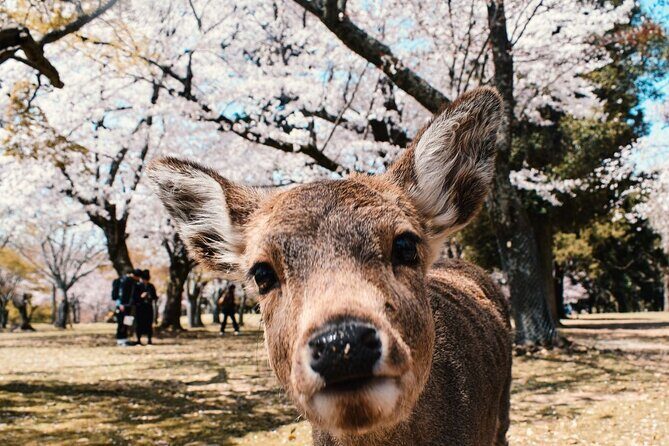
- Deer feeding is part of the fun: Nara Park’s wildlife is a main event, not a side note
- Hotel pickup works from Osaka/Kyoto/Nara: easy start, less stress
- Ticket help is included: your team helps with booking for the visits you want
- Walking-first format: plan for comfortable shoes and a steady, city-day pace
Private Nara built for a 6-hour walking day
This tour is designed for a clean, efficient Nara day without the hassle of figuring everything out alone. You meet your guide at your chosen location—if you’re staying in Osaka, Kyoto, or Nara, hotel pickup is offered—then you start walking right away.
Because it’s private, you’re not stuck with someone else’s pace or priorities. If you’re more into temple architecture, you can spend extra time on the gates and courtyards. If you’re with kids or you just want to soak up the atmosphere, you can shift more time into the park and viewpoints.
One practical note: it’s called a city tour and it’s not framed as a tour deep inside monuments. That’s not a deal-breaker, but it explains the structure. You’ll get a strong overview of each place and see the big landmarks, then keep moving.
You can also read our reviews of more walking tours in Osaka

Kofuku-ji Temple: UNESCO, Ashura, and a calmer start
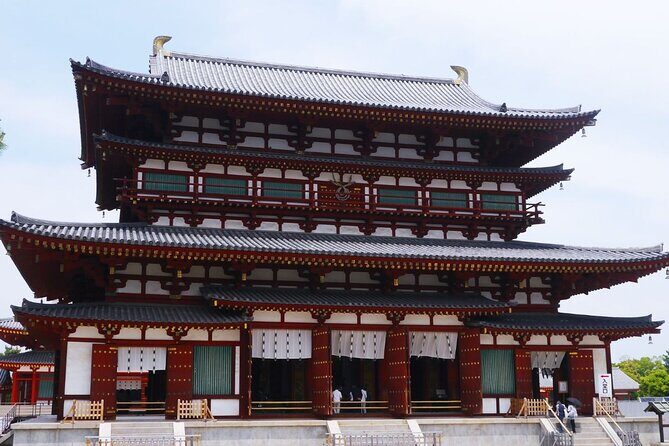
You start at Kofuku-ji Temple, a UNESCO World Heritage Site with centuries of history behind it. The focus here isn’t just snapping photos—it’s learning how the temple’s treasures connect to Buddhist art and religious life.
A standout is the Statue of Ashura, listed as a National Treasure. Even if you’re not a sculpture expert, it’s the kind of object that rewards a real guide moment: why it matters, what it represents, and where to look so you don’t miss the details that make it special.
This first stop is scheduled for about 1 hour 30 minutes, and that’s a smart length for a strong start. You’re fresh, the walking hasn’t warmed up fully yet, and you’re less likely to feel rushed.
Possible drawback: if your idea of a temple visit is slow, photo-by-photo wandering with lots of interior time, you may want your guide to show you exactly what’s worth seeing before you move on.
Todai-ji Temple and the Great Buddha at Nandaimon Gate
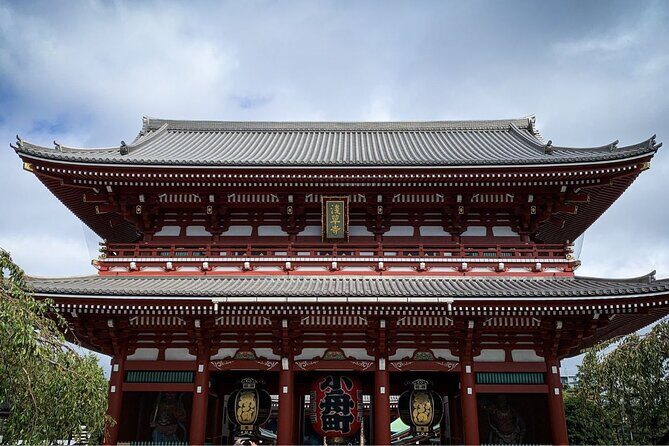
Next comes Todai-ji, the iconic Nara anchor that people usually picture when they imagine the city. It’s also UNESCO-listed, and the scale is the whole story here: huge gate, massive Buddha, and a sense of ancient presence.
Plan on spending quality time around Nandaimon Gate, where you can see the Kongo Rikishi statues. These guardians are famous, and with a guide, they’re more than just intimidating faces—you get context for what they symbolize and why they’re positioned there.
Then the big moment: Japan’s largest Great Buddha statue housed within the complex. This is the stop that often becomes the emotional highlight of the day. Even when you think you’ve seen a lot of big statues, the Todai-ji Great Buddha has a way of making your brain pause and simply look.
Timing is again about 1 hour 30 minutes, which is usually enough to see the main sights without turning your day into a marathon. If you’re sensitive to crowds, you’ll appreciate that the tour keeps you moving to the next stop instead of getting stuck.
One consideration: because it’s such a landmark site, it can feel busy depending on the time of day. A private guide helps you make better choices about where to stand and how to move through the area efficiently.
Nara Park: deer feeding, photo chaos, and pure fun
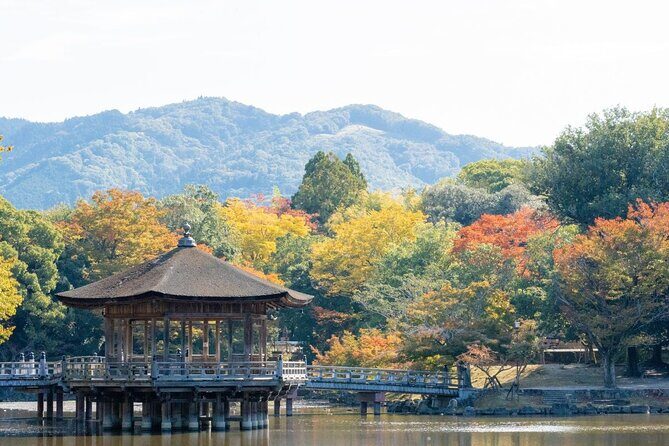
After the temple weight of Todai-ji, Nara Park is a reset. You get deer—lots of them—roaming through greenery right in the middle of the city. This is one of those places where the atmosphere matters as much as the sights.
The tour includes time for the popular activity of feeding the deer. That’s not just a novelty. It changes the mood of the day from “temple sightseeing” to “Nara experience,” with playful moments you’ll remember long after the monuments blur together.
You’ll have about 1 hour 30 minutes here, which is just right for a mix of watching deer, taking photos, and actually enjoying the park instead of speed-walking it.
Practical tip: follow your guide’s lead on feeding and approach. The deer are friendly, but they’re still wild animals, and the best experience comes from staying calm and letting your guide handle the rhythm.
Also, this is where kids often shine. Adults enjoy it too, but families usually leave the park smiling because it’s interactive in a way temples aren’t.
Kasuga Taisha and the National Treasure Hall
The final temple stop is Kasuga Taisha, another UNESCO World Heritage Site. The big visual hook is the red architecture of the main shrine area, with its classic look that photographers love and that first-timers always recognize once they’re standing in front of it.
This stop also includes time at the Kasuga-Taisha National Treasure Hall, where you can view valuable works of Buddhist art and artifacts. That museum-style element is what balances the outdoor walking with objects you can slow down to observe.
You’ll get about 1 hour 30 minutes for this final stretch, and that’s a useful way to end the day. The route closes the loop: you start with Kofuku-ji’s sculpture treasure (Ashura), then you move to Todai-ji’s Great Buddha, and you finish with Kasuga Taisha’s shrine look plus the art and artifacts inside the hall.
Possible drawback: if you’re temple-fatigued by the end of six hours, the last stop may feel like a lot. On the other hand, if you love variety—outdoor shrine scenery plus an indoor art collection—this ending is a strong payoff.
You can also read our reviews of more private tours in Osaka

Customization that matters (not just “flexible” on paper)
Customization is where this tour earns its keep. It’s not just a fixed checklist. It’s a private day with a guide who can adjust the day around what you want most: temple highlights, photo stops, pacing, or even how long you linger in Nara Park.
That means you should speak up early. Tell your guide what you’re most excited about—whether it’s the Great Buddha, the Statue of Ashura, the deer moment, or Kasuga Taisha’s hall. If you’re not sure, ask your guide what part people usually regret not spending enough time on.
It’s also worth knowing that guide quality can shape the entire day. One experience shared guidance that didn’t add much beyond basic facts, which is frustrating because you’re paying for the guide’s ability to connect dots for you. If you want deeper insight, ask specific questions like what you should notice at the gate area at Todai-ji or what makes Ashura significant at Kofuku-ji.
In the guide names associated with this service, people have mentioned Kokoro as especially helpful and Hugo for making the day memorable. Even if you don’t get those exact guides, it’s a good reminder to choose a tour day when you can be engaged and ask questions.
Price and value: what $174.29 buys you in Nara
At $174.29 per person for about 6 hours, this isn’t a budget-only option. But it’s also not priced like a long private car day with constant driving. You’re paying mainly for three things: privacy, guided walking, and the practical support that keeps the day smooth.
Here’s where the value shows up:
- Exclusive time means you’re not negotiating the day with strangers. You can slow down for photos or speed up if you’re ready to move.
- Hotel pickup (Osaka/Kyoto/Nara) reduces friction. You’re not trying to time trains or meetpoints while jet-lagged or on a schedule.
- Ticket help is included, which matters for a day with multiple sites and timed expectations.
You also get a route that’s built around major UNESCO landmarks and a signature Nara moment. If you were to DIY this, you’d save money, but you’d also trade away the efficiency of a walking plan and a guide who helps you know what to notice.
Booking wise, this tour tends to be popular—on average it’s booked around 48 days in advance. That doesn’t mean you can’t find availability, but it does mean planning ahead is smart.
Logistics that make or break a day: walking, transport, and comfort
This is a walking tour, and the sites are spread enough that comfort matters. Wear shoes you trust. You’ll be on your feet for the bulk of the day, plus you’ll likely pause frequently for photos at gates, statues, and viewpoints.
Food and drinks are not included, so I’d treat this as a “temples plus a meal you choose” day. Build a plan to grab water and a snack before or after stops, so you don’t feel drained halfway through Nara Park.
Transport between major points during the day isn’t covered either; the cost of public transport is on you. The upside is that the tour notes it’s near public transportation, so you’re not stepping into a remote, complicated area where you have to taxi everywhere.
Finally, you’ll receive a mobile ticket, which is handy when you’re bouncing between locations in a big city. It helps reduce paper hassle and keeps your day moving.
Who should book this Nara walking tour
This tour fits best if you want:
- A first-time Nara day with the headline sites in a structured order
- A day that mixes temples and the deer experience instead of just one theme
- A private guide who can tailor time and focus within a set 6-hour window
- A calmer pace than a crowded group tour, especially at Todai-ji and Nara Park
It’s also a good choice if you’re traveling as a couple or with family and you want one reliable plan that still leaves room for your interests. The deer part alone makes it memorable, and the UNESCO stops give it weight.
If you hate walking or you need long indoor time at monuments, you might prefer a different format. This one is built for walking, seeing, and moving—comfortably, but steadily.
Should you book this tour?
I’d book this tour if you want a guided, private Nara day that hits the big UNESCO moments and includes real time for the deer. The combination works: temples give the cultural core, and Nara Park gives you the lighter, joyful side of the city.
I’d think twice if your ideal temple day means slow, deep, inside-only exploration. This tour is a city walking plan with a clear route, and six hours can feel tight if you’re expecting unlimited lingering.
If you do book, set yourself up for success: start by telling your guide what you care about most, wear good shoes, and plan for food and water on your own. With that, you’ll likely leave Nara with more than photos—you’ll have stories, especially from the deer-and-park moment.
FAQ
Is this tour private or shared?
This is a private and exclusive tour. Only your group participates.
How long is the Nara private walking tour?
It runs for about 6 hours.
Where do we meet the guide, and is pickup offered?
You meet your guide at your chosen location, including your hotel. Hotel pickup is offered if you’re staying in Osaka, Kyoto, or Nara.
What are the main stops on the itinerary?
The tour includes Kofuku-ji Temple, Todai-ji Temple, Nara Park, and Kasuga Taisha Temple plus time at the Kasuga-Taisha National Treasure Hall.
Are admission tickets included?
For the listed stops, the itinerary notes admission ticket free. The tour also includes help from the team to book the tickets for the desired visits.
Is food or drinks included?
No. Drinks or food are not included.
Do I need to pay for transportation?
Yes. Public transport costs during the tour are at your own expense.
What languages are the guides?
The guide provides English, Spanish, or French.
Can I cancel and get a refund?
Yes. You can cancel for a full refund as long as you cancel at least 24 hours before the experience start time. Cancellation is free up to that point.