REVIEW · OSAKA
Osaka Dotonbori Daytime Food Tour
Book on Viator →Operated by Arigato Japan KK · Bookable on Viator
Neon Osaka tastes better with a plan. This Dotonbori daytime food tour threads culture and street snacks into a tight 3-hour walk from Namba to Sennichimae. You get a guide-led route designed to keep you moving toward good food instead of standing in front of the most obvious signs.
Two things I like right away: you try local dishes at 4 food stops (plus 1 drink and a traditional Japanese dessert), and you’re not doing it solo while the area tries to lure you into long lines. The tour also builds in photo time as you move through Dotonbori and Minami (Namba), so you leave with better shots than you’d get from wandering.
One heads-up: it’s a walking tour with moderate fitness needs, and you don’t get hotel pickup, so plan to get to the meeting point on your own and be ready to walk for about three hours.
In This Review
- Key points before you go
- Entering the neon maze: Dotonbori and Namba at the right time
- Meeting at Starbucks Tsutaya Ebisubashi and walking your way to Sennichimae
- Stop 1: The Glico Sign and Fortunato Catalon’s unexpected Osaka connection
- Stop 2: Dotonbori street energy without getting stuck in the wrong line
- Stop 3: Minami (Namba) and the street-food mindset
- Hozenji Yokocho: narrow lanes, old Osaka vibes, and snack-friendly wandering
- Sennichimae Doguyasuji Shotengai and Kuromon Market: where shopping meets eating
- Misono Building and the dessert moment that makes the tour feel finished
- “Local English-speaking guide” and why the stories matter
- What’s actually included (and how to plan around it)
- Dietary needs you can likely plan for
- Price and value: is $209 worth a 3-hour food walk?
- Who should book this daytime Dotonbori tour
- Should you book it? My practical call
- FAQ
- How long is the Osaka Dotonbori Daytime Food Tour?
- Where do I meet the tour, and where does it end?
- What’s included in the price?
- Is the tour suitable for kids or families?
- Can the tour accommodate dietary preferences?
- What is the cancellation policy?
Key points before you go
- Small group (max 10 people) keeps the experience personal and easier to manage in tight alleyways.
- Four food stops plus 1 drink and dessert makes it feel like a full meal, not just “snack sampling.”
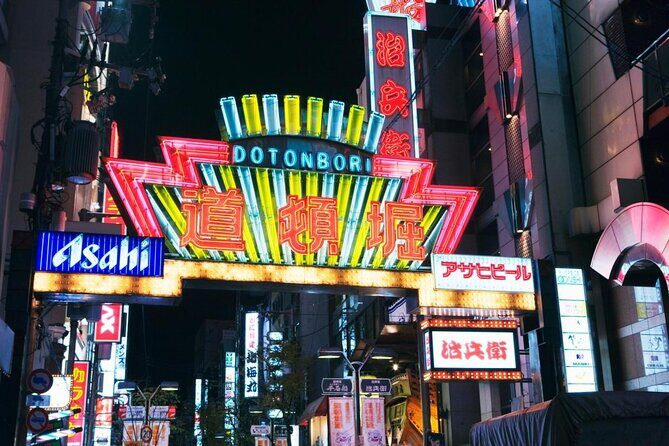
- Dotonbori and Minami photo walk means you’re not just eating—you’re also capturing the neon-and-street scene.
- Glico Man story at the start adds context before you even start eating, starting with Fortunato Catalon.
- Market and side-street routing helps you avoid the most obvious tourist traps and queue-heavy spots.
Entering the neon maze: Dotonbori and Namba at the right time
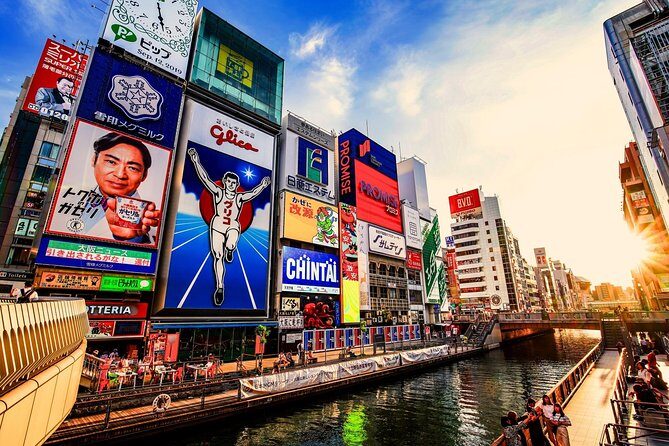
Osaka can feel like two cities at once: the one that’s easy to see (signs, lights, big intersections) and the one that’s actually fun to taste (markets, alleys, tiny counters). This tour focuses on the taste side while still giving you a front-row look at Dotonbori and Minami (Namba). Starting at 11:00 am is smart because you’re catching the daytime energy before the crowds fully stack up later in the day.
You’ll also appreciate that the route is meant to be efficient. The description is clear that it’s designed to help you skip the “obvious” traps and avoid wasting time waiting in lines. In practice, that’s exactly what you want when you have limited hours and you’re trying to sample multiple specialties without turning the trip into a queue simulator.
You can also read our reviews of more food & drink experiences in Osaka

Meeting at Starbucks Tsutaya Ebisubashi and walking your way to Sennichimae
The tour starts at Starbucks Coffee – Tsutaya Ebisubashi in Dōtonbori (1-chōme-8-19, Chuo Ward). Your end point is in the Sennichimae area, so your walk finishes closer to shopping streets and market vibes rather than snapping you back to the original intersection.
This matters because you can plan your day with less backtracking. If you’re staying in the Namba/Dotonbori area, you’ll likely find it easy to reach the start and then continue exploring after the tour ends near Sennichimae.
You should also know what’s not included. There’s no hotel pickup, and transportation costs aren’t covered. That doesn’t make the tour worse—it just means you should budget time to arrive at the meeting point and be ready to move on foot.
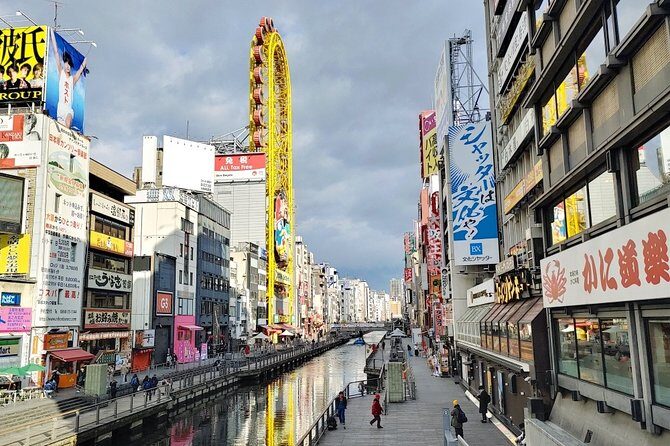
Stop 1: The Glico Sign and Fortunato Catalon’s unexpected Osaka connection
You begin at the Dotombori Glico Sign area, and the intro isn’t just trivia for trivia’s sake. The tour shares the story of Glico Man, tied to a Filipino sprinter named Fortunato Catalon, who inspired a nation and a company. It’s a good opener because it frames what you’re about to see: Osaka’s street food scene isn’t only food—it’s branding, history, and people leaving their mark in flashy ways.
Even if you’ve seen the sign before, this kind of context makes the whole neighborhood feel more intentional. It also gives you a quick cultural warm-up so you’re not just staring at lights while trying to guess what to order.
Stop 2: Dotonbori street energy without getting stuck in the wrong line
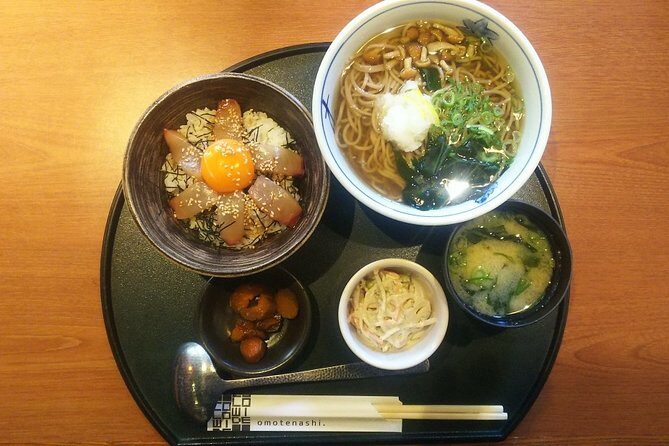
Dotonbori is the famous one for a reason: lights, sound, and a constant stream of people. But that’s also what makes it risky for first-timers. The tour’s stated goal is to steer you away from overly-commercialized restaurants with long tourist queues and toward places where food feels more local.
You’ll spend about 15 minutes in the Dotonbori segment, and that timing tells you the style of the experience. You’re not getting trapped in one spot for ages. Instead, you’re getting oriented, learning how the area pulls people in, and using that knowledge to make better food choices later.
You’ll also be taking photos as you move through Dotonbori. That’s not fluff. Neon streets look great, but they’re also crowded and chaotic. A guide can help you time what you shoot and pick spots that actually show the scene rather than just your own headshot over someone else’s shoulder.
Stop 3: Minami (Namba) and the street-food mindset
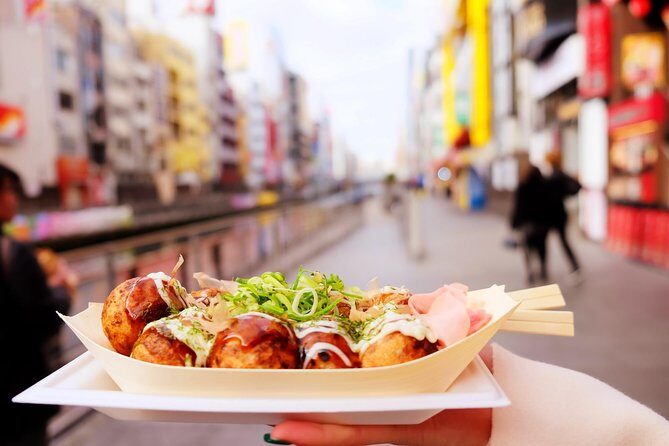
Next comes Minami (Namba), again around 15 minutes. This is where the tour leans into the Osaka idea of street food: quick, tasty, often shop-counter friendly, and designed for eating while moving around.
The bigger value here is the decision-making support. Osaka food options can feel endless, and it’s easy to get stuck chasing what looks popular instead of what’s good. Having an English-speaking guide who can steer you toward solid choices saves you from second-guessing every menu.
Also, the tour helps with pacing. You’re not just walking around hoping something delicious appears. The plan includes multiple food stops, plus a traditional Japanese dessert and a drink.
You can also read our reviews of more tours and experiences in Osaka
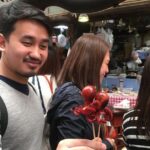

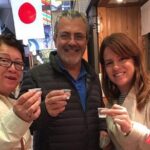
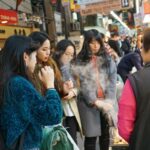
Hozenji Yokocho: narrow lanes, old Osaka vibes, and snack-friendly wandering
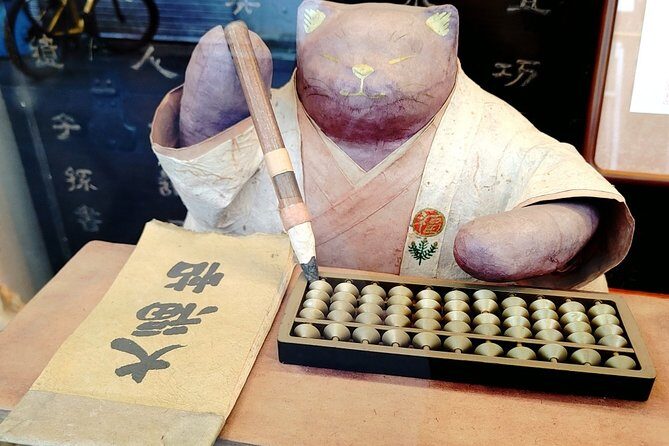
After Dotonbori and Namba, you move into Hozenji Yokocho. The tour schedule lists it as a stop (no set time provided in the summary), but the vibe is clear from what this area represents: small lanes and side-street atmosphere rather than big intersection spectacle.
One of the best takeaways from similar experiences on this route is the way the guide connects small sights to larger culture. In past tours on this itinerary, guides have shared side stories and pointed out small details as you walk through tighter lanes, including something as specific as a Buddha statue seen in the alleyways. If you like travel that feels close-up, Hozenji Yokocho is the kind of pause that makes the neon streets feel less random.
Why this works for you: you get a contrast. Big signs and crowds at the start, then quieter streets where you can actually pay attention to what’s around you.
Sennichimae Doguyasuji Shotengai and Kuromon Market: where shopping meets eating
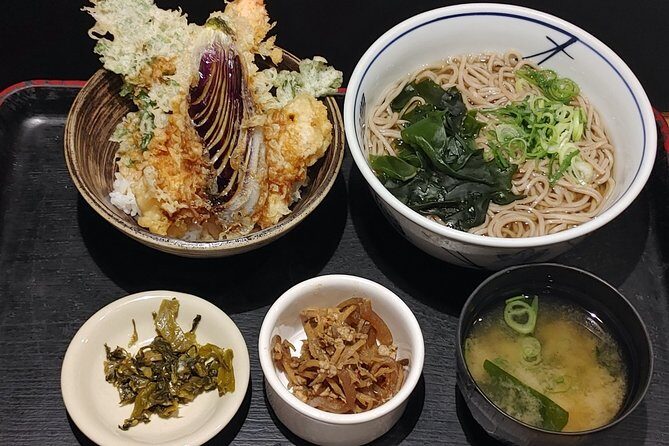
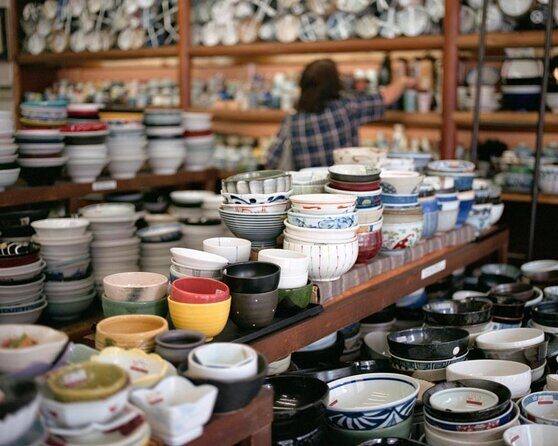
The itinerary then includes Sennichimae Doguyasuji Shotengai and Kuromon Market. These are the kinds of places where you’ll likely see people buying supplies and snacks while staying in that Osaka rhythm—quick stops, practical choices, and food you can eat without ceremonies.
Even without a detailed list of every dish, the value is in the combination: shopping streets plus a market stop. You’ll be seeing how Osaka feeds itself daily, not just how it performs for visitors.
This matters because a market can be overwhelming. Lots of stalls, lots of smells, and lots of signage you might not fully read. Having a guide who organizes the tasting portions across 4 food stops prevents you from overspending or missing the best options for your time.
In the same spirit, you should keep your expectations practical. Some items may be small bites designed for sampling. That’s exactly the point on a short tour: you’re meant to compare, taste, and learn what you like.
Misono Building and the dessert moment that makes the tour feel finished
The final food-related listed stop is Misono Building. Again, the summary doesn’t name a specific item at this stop, but it does confirm the tour includes traditional Japanese dessert. In past experiences on this kind of route, guides have helped people end with sweets like Japanese cakes, giving the whole outing a clear finish instead of stopping mid-snack.
If you want one simple way to plan your appetite, do it like this: start hungry, accept that the tour will pace you with multiple small tastings, and don’t fill up too early before your meeting. The dessert portion is part of the design, not an optional add-on.
“Local English-speaking guide” and why the stories matter
This tour includes a local English-speaking guide, and past tours on this exact itinerary have featured guides with names like Ron, Russ, Natsumi, Chiyoe, Kevin, and Mickey. That’s more than trivia for you. It signals the experience is built around a person who can explain what you’re eating and why it fits Osaka.
The stories people remember from these tours aren’t grand lectures. They’re the quick cultural moments that make the city feel real—like a baseball-fan story involving a KFC statue thrown into a river, shared as part of the conversation about local culture and odd little traditions.
You’ll likely get that same style: short explanations tied to what you’re seeing and eating right now. It’s a fun way to turn street food from “I tried it” into “I understand it.”
What’s actually included (and how to plan around it)
Here’s what’s included as part of the price:
- Try local dishes at 4 food stops
- 1 drink
- Traditional Japanese dessert
- Local English-speaking guide
What’s not included:
- Hotel pickup
- Gratuity
- Transportation costs
- Extra food or extra drinks (you can buy at your own expense)
So what should you do? Treat the included food as the core of your meal. If you arrive with a huge breakfast, you’ll probably still have fun, but the tasting portion may feel smaller than you expect.
Also, the tour notes food changes based on season and availability. That’s normal for street food. The practical benefit for you is that you’re less likely to get stuck with the same predictable menu every day—so the guide can match tastings to what’s actually working that day.
Dietary needs you can likely plan for
The tour is listed as vegetarian, vegan, pescetarian, shellfish free, pork-meat free friendly. That’s a big deal in Osaka, where pork and shellfish can show up in more dishes than you’d expect.
To make this work smoothly, I’d do two things:
- Tell the operator your dietary needs when you book.
- Use your guide as the translator and decision-maker during tastings.
With this kind of tour, the guide’s role matters most when you’re trying to order safely and confidently.
Price and value: is $209 worth a 3-hour food walk?
At $209 per person, this isn’t a budget snack crawl. But it also isn’t just paying for food. You’re paying for:
- Time-saving routing that aims to avoid long lines and obvious traps
- A small group experience (max 10)
- Organization of 4 food stops plus included 1 drink and dessert
- An English-speaking guide who can explain what you’re eating and point you to additional recommendations after the tour
If you were doing this on your own, you’d still need to spend time figuring out where to go, what to order, and how to avoid places that look tempting but aren’t worth it. In a few hours, time costs real money because you’re giving up opportunities elsewhere.
One smart strategy: treat the tour as your Osaka “starter course.” After it’s done near Sennichimae, you can use what you learned about the food style to order confidently on your own later.
Also, the tour is listed as commonly booked about 42 days in advance. If your trip dates are tight, booking early is a safe move.
Who should book this daytime Dotonbori tour
This one is a great fit if:
- You want an efficient introduction to Osaka’s food scene without spending half your day researching
- You like street food but don’t want the stress of crowd navigation
- You want photo time in the Dotonbori/Namba area with a plan that includes actual tastings
- You’re traveling with solo needs (the tour accepts single travelers) and you still want a structured experience
It may be less ideal if:
- You hate walking or aren’t comfortable with a moderate walking pace for about three hours
- You’re hoping for a totally self-led day where you choose every restaurant yourself
- You’d rather spend your food budget on one big meal than several smaller tastings
Should you book it? My practical call
Yes, I’d book it if you want a high-signal start in Osaka. The mix of four food stops, included drink and dessert, plus the “avoid long lines/tourist traps” approach makes this feel like value, not just convenience. Add in the small group size and the fact that the guides have shared real cultural stories (like the Fortunato Catalon Glico connection and other street-culture anecdotes), and you get more than food—you get context.
If you’re already a confident street-food hunter who knows exactly where you want to eat, you could save money and DIY. But if you’d rather let someone else handle the routing and ordering while you focus on eating, this tour is a strong way to spend a morning.
FAQ
How long is the Osaka Dotonbori Daytime Food Tour?
It runs for about 3 hours.
Where do I meet the tour, and where does it end?
You meet at Starbucks Coffee – Tsutaya Ebisubashi in Dōtonbori, and the tour ends in the Sennichimae area.
What’s included in the price?
The price includes food at 4 stops, 1 drink, traditional Japanese dessert, and a local English-speaking guide.
Is the tour suitable for kids or families?
It’s listed as family-friendly, and children must be accompanied by an adult. For kids 10 and above, a passport information copy is required. The minimum drinking age is 21.
Can the tour accommodate dietary preferences?
The tour lists options as vegetarian, vegan, pescetarian, and also shellfish free and pork-meat free friendly.
What is the cancellation policy?
You can cancel for free up to 24 hours before the experience’s start time for a full refund. If it’s canceled due to poor weather, you’ll be offered a different date or a full refund.