REVIEW · OSAKA
Osaka Dotonbori: Hand Roll Sushi Experience
Book on GetYourGuide →Operated by 株式会社DONOJAPAN · Bookable on GetYourGuide
One bite of real wasabi changes your idea of wasabi. This Osaka Dotonbori class pairs hands-on hand-rolled sushi with a real wasabi tasting and relaxing river views from a tatami room. It’s a fun way to understand what seasonal seafood tastes like in Japan, not just watch it happen. One catch: you’ll be eating what you make as you go, and you may not get to choose every fish option.
Two things I genuinely like here are the structure and the vibe. You start with sushi basics, then learn how to build sushi rice properly, then finish with rolling your own hand rolls while you’re still paying attention to details. Plus, the setting in the Nico Building puts you in a quiet tatami room with Dotonbori River views—nice contrast to the loud street downstairs.
A possible drawback to consider: there are limits around choice. Some people wish they could pick specific fish, and that can matter if you have strong preferences (or if you hate any seafood options).
In This Review
- Key Points You Should Know Before You Go
- First Look: A Dotonbori Sushi Lesson With Actual River Views
- The 2-Hour Flow: What Happens From Sushi Basics to Your Own Rolls
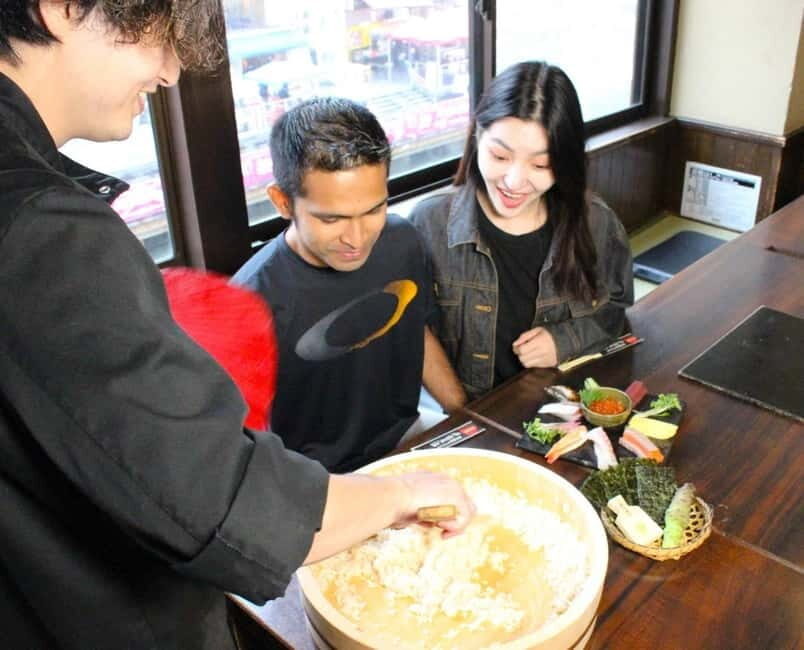
- Start With Sushi Orientation
- Sushi Rice: The Step That Makes or Breaks Everything
- Wasabi Tasting: Aroma and Heat, the Real Thing
- Hands-On Hand-Roll Sushi
- Your View: Tatami Calm Over the Dotonbori River
- Value for Money: Does 8,000 Yen Actually Make Sense?
- What You’ll Walk Away With (Besides Sushi)
- The Human Side: Friendly Staff and a More Personal Feel
- Small Planning Tips So You Enjoy It More
- Should You Book the Dotonbori Hand-Roll Sushi Experience?
- FAQ
- What is the meeting point for the Osaka Dotonbori hand-roll sushi experience?
- Where is the experience located?
- What time does the experience run each day?
- How long is each session?
- What does the 8,000 yen price include?
- Is it offered in English?
- What is the wasabi tasting like?
- What should I bring?
- Is transportation or additional meals included?
- Can I pay later, and how does cancellation work?
Key Points You Should Know Before You Go
- Dotonbori River views from tatami: Quiet room energy while you’re learning.
- Real wasabi tasting: You get the aroma and the heat, not a mild substitute.
- Sushi rice lesson first: You learn the vinegar-and-rice mixing logic before rolling.
- Hands-on hand-roll sushi: You build your own rolls with all tools provided.
- English-friendly instruction: The experience is offered in English.
- 8,000 yen tax included: Pricing that tends to feel fair for the time and materials.
First Look: A Dotonbori Sushi Lesson With Actual River Views
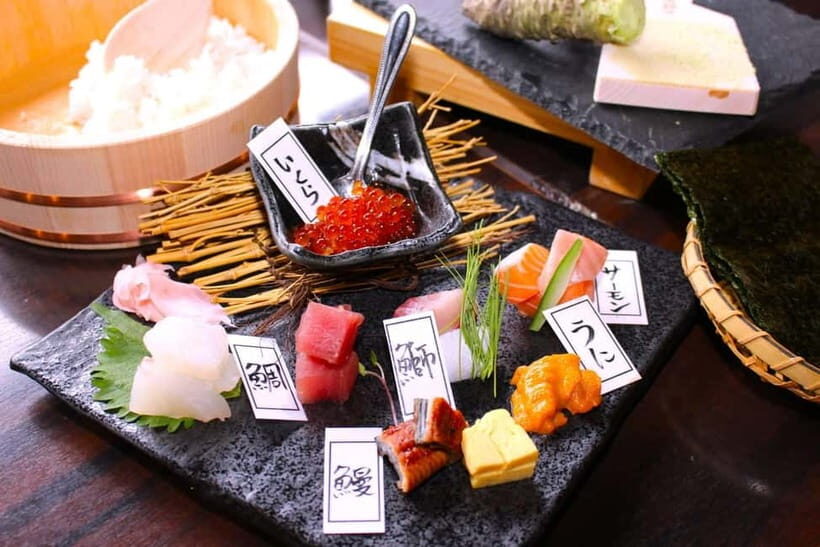
Osaka’s Dotonbori is famous for neon, crowds, and quick bites you eat while walking. This experience gives you the opposite feeling for a couple of hours: you step into a tatami room with a view of the Dotonbori River and slow down. That’s not just nicer for photos. It helps you focus on a craft where small steps matter, like how vinegar changes rice texture and how you place filling on the nori.
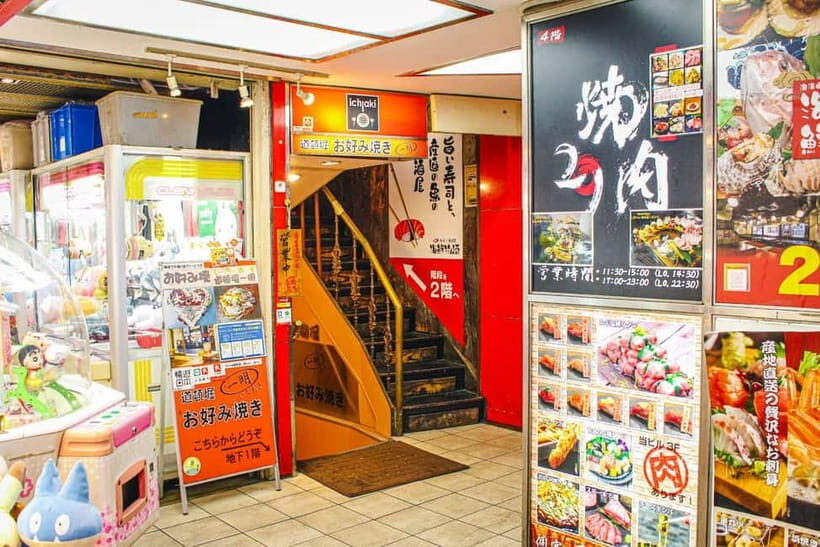
The location is right where you want to be for an Osaka food day: it’s on the 2nd floor of Nico Building at 1-6-12 Dotonbori, Chuo-ku, Osaka. The entrance is on the main street, and there’s a game arcade on the first floor, so you’ll have an easy landmark to find your way upstairs.
You also don’t have to wrangle extra logistics once you’re there. The class includes the instruction and tools, and you get one soft drink. For a sushi experience, that means less fuss and fewer add-on costs.
You can also read our reviews of more tours and experiences in Osaka.



The 2-Hour Flow: What Happens From Sushi Basics to Your Own Rolls
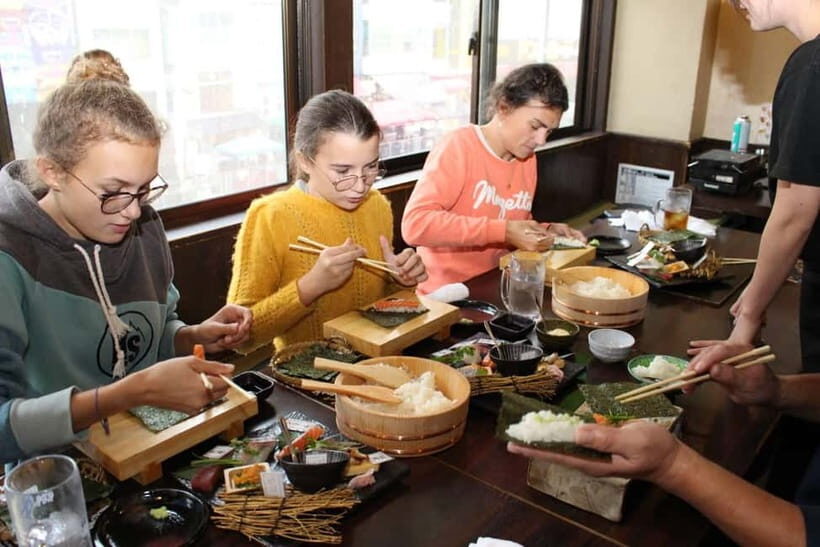
This experience runs twice daily, at 12:00 pm and 2:00 pm, and each session lasts two hours. You’ll follow a clear progression, and I like that because it builds skill in the right order. The class isn’t just rolling. It’s understanding.
Start With Sushi Orientation
You begin with an introduction to sushi. You’ll get enough background to know why certain textures and flavors work together. This matters because hand-roll sushi can look simple, but the goal is a balance: rice warmth and stickiness, nori crispness, and filling that complements seasonal seafood.
If you’re new to Japanese food lessons, this opening keeps you from feeling lost. If you’ve tried sushi before, it still helps you “read” what you’re eating.
Sushi Rice: The Step That Makes or Breaks Everything
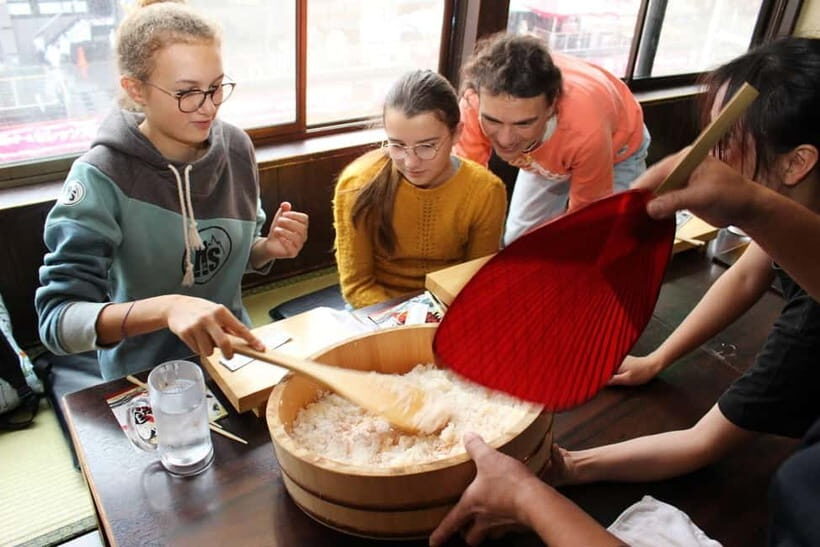
Next comes a sushi rice-making session. This is where you learn about Japanese rice and the art of mixing vinegar with rice. The point isn’t memorizing formulas. It’s learning what you’re aiming for: rice that’s flavored and ready to shape, without turning gummy or dry.
From a practical point of view, this is the most transferable skill you’ll take home. Even if you only roll sushi once in your life, you’ll understand why chefs talk about rice timing, rice temperature, and gentle mixing.
Wasabi Tasting: Aroma and Heat, the Real Thing
Then you get one of the most talked-about parts: a wasabi tasting of the real deal. The class focuses on the unique aroma and the spiciness of authentic wasabi, and it’s often a surprise for people who expect something mild or just “green heat.”
This is also the moment where the lesson stops being classroom-like. Wasabi isn’t just flavor. It’s part of the balance with seafood and soy sauce. Tasting it gives you a direct reference point for future sushi bites.



Hands-On Hand-Roll Sushi
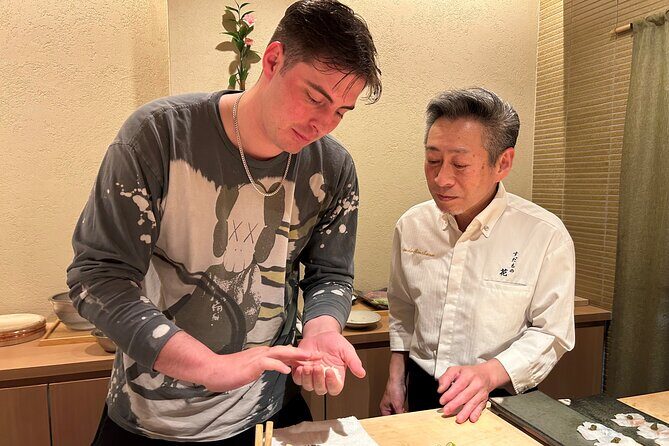
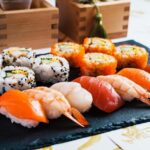
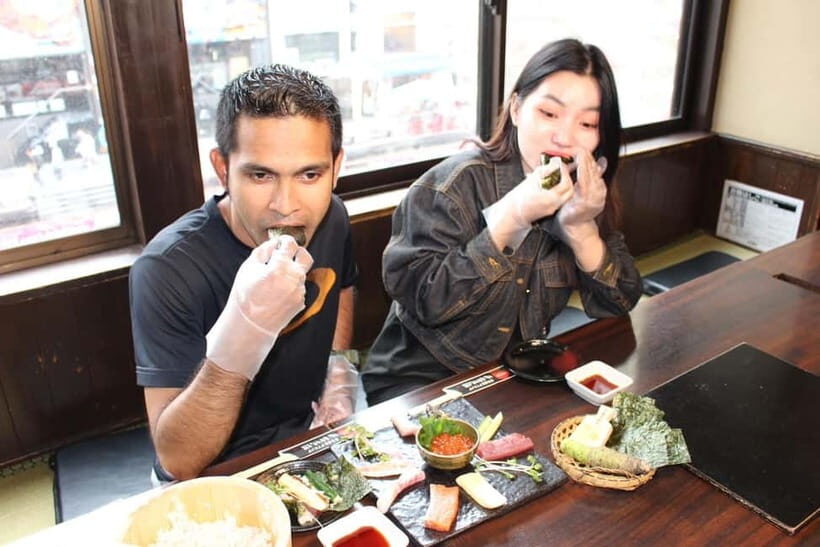
Finally, it’s your turn at the station. You’ll make your own hand-rolled sushi using fresh ingredients and all the materials and tools. This part is where the experience earns its value: you’re not just learning technique, you’re practicing it while the guidance is still fresh.
One important note: you may eat as you go while your rolls are being made. That can be fun—because you get immediate results—but it’s also a mismatch if you were hoping to end with one big platter to admire before eating.
Your View: Tatami Calm Over the Dotonbori River
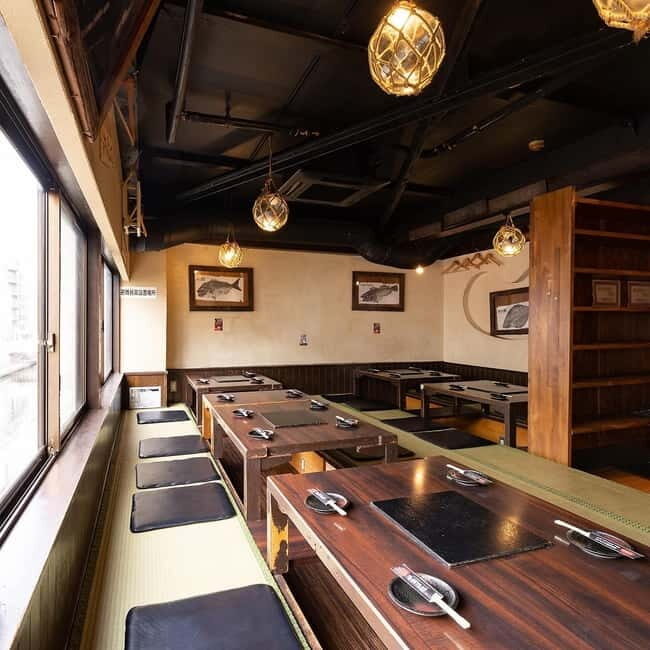
The tatami room is on the 2nd floor, giving you a calm break from street-level chaos. You’re looking out at the Dotonbori River, so it feels like you’re doing a food class in the middle of a real Osaka moment, not in some sealed-off studio.
This setting helps the whole experience feel more “Japan” and less like a generic demo. It also makes the class more comfortable if you want a break from standing in the crowds. Bring your camera—the view is part of the experience.
Also, note the practical side: since it’s on the 2nd floor, wear comfortable clothes and shoes you can move in easily during rolling.
Value for Money: Does 8,000 Yen Actually Make Sense?
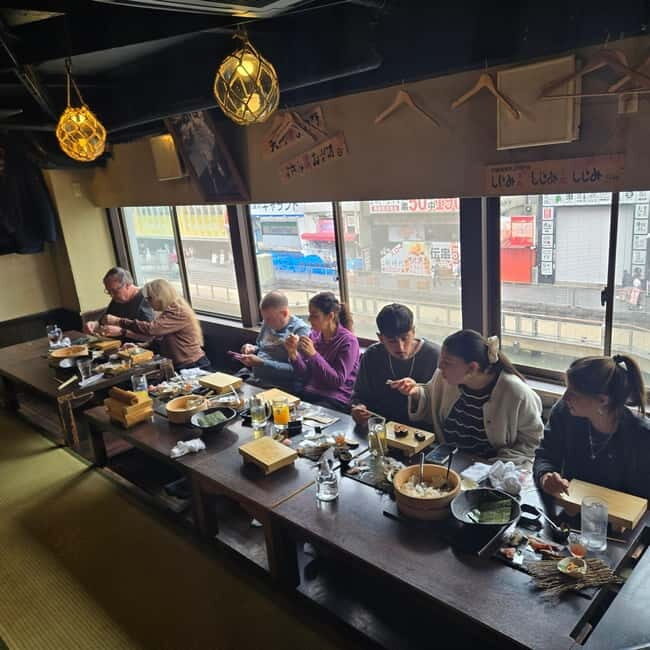
At 8,000 yen per person (tax included), this is not a cheap snack-and-a-stroll activity. But for a 2-hour class that includes sushi rice instruction, wasabi tasting, hands-on rolling, and the tools and materials—plus a soft drink—it often feels like solid value.
Here’s why:
- You’re paying for time with instruction, not just ingredients.
- You get multiple learning moments (rice + wasabi + rolling).
- The included tools and setup save you the hassle of buying supplies.
The only situation where I’d hesitate is if you strongly care about choosing your fish types. Some people report limits on selection, and if you’re picky, that can reduce satisfaction. But if you’re open to seasonal seafood and learning how pairing works, the price feels fair.
What You’ll Walk Away With (Besides Sushi)
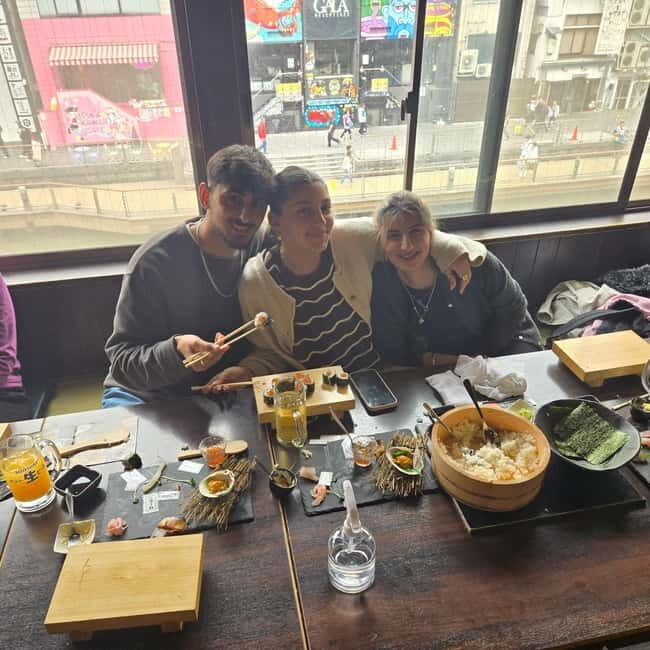
You’ll leave with more than hand-rolls in your stomach. You’ll come away with a better sense of why Japanese sushi tastes the way it does.
- You learn how sushi rice is built, not just cooked.
- You understand how real wasabi behaves—smell first, heat second, then a clean finish.
- You get rolling practice, so you can spot common mistakes like overfilling or rice handling that makes rolls fall apart.
- You’ll know how soy sauce pairing can change the whole bite.
A lot of the best moments here are the small “how” tips from the chef and assistant. That’s where the experience earns its high rating.
The Human Side: Friendly Staff and a More Personal Feel
The tone matters in food classes. This one tends to feel warm and welcoming, with staff who explain calmly and help with hands-on steps. You’re also not stuck doing everything alone; support is part of the experience, including help while you build rolls.
One review highlight is that the chef shared a special homemade soy sauce for pairing with the rolls you make. Even if your hands are shaky at first, that kind of small pairing detail makes your final bites feel more “crafted” and less like a school project.
Small Planning Tips So You Enjoy It More
A few practical tips can make the difference between okay and great.
- Bring a hat and water. Dotonbori heat and walking can add up before your class.
- Wear comfortable clothes. You’ll be seated and working with your hands.
- Arrive a little early so you can find the 2nd floor calmly. The entrance is on the main street, but you’ll still want a minute to orient yourself.
- If you have seafood preferences, think about how flexible you can be. The class uses seasonal seafood, and some fish choices may be limited.
Also, the experience is in English, which helps if you’re trying to learn the logic behind flavors rather than just follow steps.
Should You Book the Dotonbori Hand-Roll Sushi Experience?
You should book it if you want an Osaka food activity that’s more hands-on than a restaurant meal. I’d especially recommend it if:
- you like sushi but want to understand sushi rice and wasabi in real terms
- you enjoy cooking lessons with a relaxing setting and clear guidance
- you’re curious about seasonal seafood flavors, even if you’re not a sushi expert
I’d think twice if you’re extremely picky about fish and want full control over ingredients. Since choice may be limited, your enjoyment could depend on being open to what you’re served.
If you’re the type who likes learning one real skill and then eating the results, this is a strong pick for Dotonbori.
FAQ
What is the meeting point for the Osaka Dotonbori hand-roll sushi experience?
The meeting point is 海鮮物語道頓堀店にお越しください.
Where is the experience located?
It’s on the 2nd floor of Nico Building, 1-6-12 Dotonbori, Chuo-ku, Osaka.
What time does the experience run each day?
It runs twice daily at 12:00 pm and 2:00 pm.
How long is each session?
Each session lasts two hours.
What does the 8,000 yen price include?
It includes an introduction to sushi, making sushi rice, wasabi tasting, and hands-on hand-roll sushi. All materials and tools are included, plus one soft drink. Tax is included.
Is it offered in English?
Yes, the experience is available in English.
What is the wasabi tasting like?
You taste authentic Japanese wasabi and learn about its unique aroma and spiciness.
What should I bring?
Bring a hat, camera, water, and comfortable clothes.
Is transportation or additional meals included?
Transportation to and from the activity is not included. Meals and drinks not specified are also not included.
Can I pay later, and how does cancellation work?
You can reserve & pay later (book your spot and pay nothing today). You can cancel up to 24 hours in advance for a full refund.