REVIEW · OSAKA
Full Day Walking Tour in Osaka Castle Temples and Ukiyoe
Book on Viator →Operated by Snow Monkey Resorts Tours (Machinovate Japan Ltd.) · Bookable on Viator
Osaka has a lot of moving parts. This full-day walk pairs Osaka Castle with a hands-on ukiyo-e session, plus temples and food streets so you get more than postcards.
I like two things right away: the small group size (up to 20) keeps the pace relaxed and questions easy, and the train tickets included approach removes a lot of planning stress. You also get an English-speaking local guide to connect the sights into one logical day.
One consideration: food and drinks aren’t included, even though you’ll spend time in eating-friendly areas like Kuromon Market and Dotonbori. If you tend to snack your way through markets, budget extra for that freedom.
In This Review
- Key highlights you’ll actually feel during the day
- A Small-Group Osaka Day That Mixes Castles, Temples, and Street Life
- Osaka Castle Museum: From 1597 to the 1995 Rebuild
- Shitennoji Temple: Buddhism’s Long Road to Japan
- Kuromon Market: A Focused Food Market Break Without the Chaos
- Dotonbori, Tsuribori Shrine, and the Ukiyo-e Moment
- Walking Pace, Transit, and What 8 Hours Feels Like
- Price and Value: Is $165 Worth It?
- Who This Tour Suits Best (and Who Might Skip It)
- Should You Book This Osaka Castle Temples and Ukiyo-e Tour?
- FAQ
- What is the duration of the tour?
- How much does the Full Day Walking Tour cost?
- What’s included in the tour price?
- Are food and drinks included?
- Which stops are part of the itinerary?
- Does the tour include an ukiyo-e experience?
- Is the ticket mobile?
- What is the group size limit?
Key highlights you’ll actually feel during the day
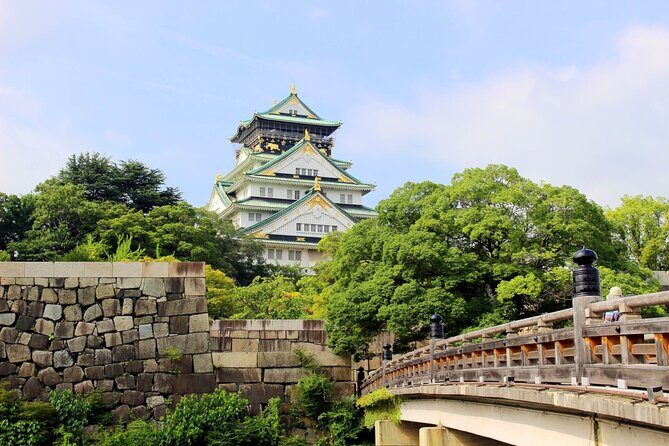
- Osaka Castle Museum plus context on the castle’s repeated destruction and 1995 rebuild
- Shitennoji Temple, the first Buddhist temple in Japan, explained in a clear history story
- Kuromon Market with a short, easy chance to look at (and buy) local food and snacks
- Ukiyo-e experience connected directly to what you see around Dotonbori
- Dotonbori and Shinsaibashi walk gives you the downtown Osaka rhythm after temple time
- Included train travel and entrance fees make the itinerary run smoothly
A Small-Group Osaka Day That Mixes Castles, Temples, and Street Life
This tour is built for people who want Osaka in one go: big landmark drama, quieter spiritual space, then back to the street energy. It’s an 8-hour walking plan with train hops, so you don’t bounce from one area to another on your own. The big win is that the guide’s job is to connect the dots between places.
There’s also a comfort factor. With a maximum of 20 people, you’re less likely to feel like you’re just being herded through stops. In practice, it means you can ask questions and adjust to the flow, which matters when you’re on foot for most of the day.
You’ll also appreciate the structure: start with the “must-see” Osaka history anchors, then move toward the everyday city scenes at Kuromon and Dotonbori. That contrast is where Osaka starts to feel like a real place instead of a list of attractions.
You can also read our reviews of more walking tours in Osaka

Osaka Castle Museum: From 1597 to the 1995 Rebuild
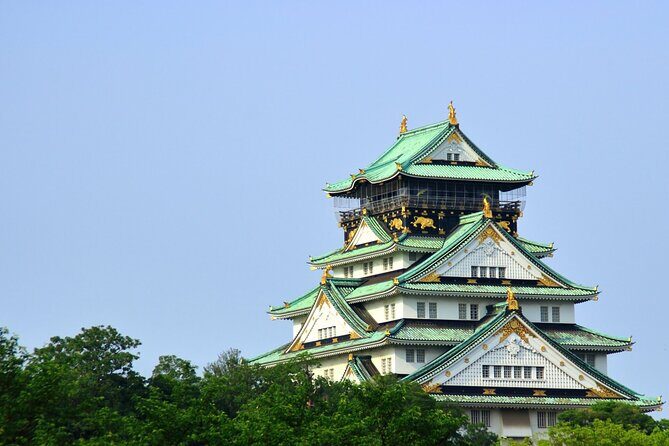
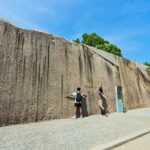
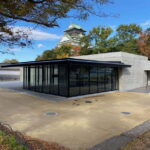
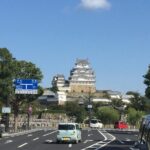
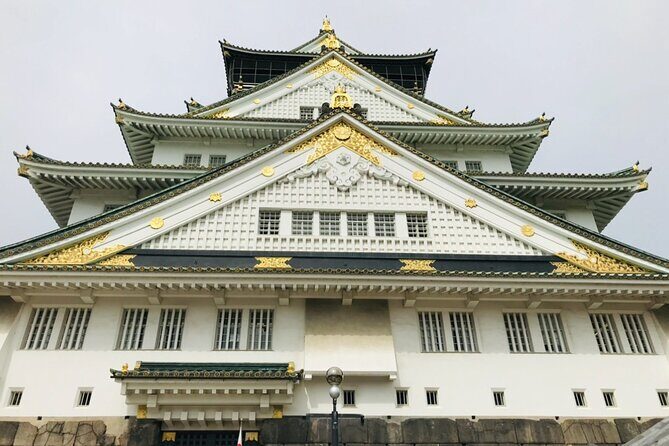
You begin at Osaka Castle, with entry to the castle museum. The castle story is dramatic even before you step inside: it was completed in 1597, then it was destroyed multiple times. The version you’ll see today is different from the original build because it was ultimately rebuilt by the Japanese government in 1995.
Inside the museum, the focus is on explaining what the castle meant and how Osaka’s power shifted over time. I like this kind of start because it gives you a framework for everything else you’ll see later in the day. Even if you’re not a hardcore castle person, the museum setup helps you understand why this spot is still so central to the city identity.
Practical note: this stop is about 2 hours, so you’ll have enough time to read and look without feeling rushed. Still, plan to move at a steady pace, because after the castle you’ll keep going rather than returning to the hotel.
If you’re someone who prefers photos first, save your castle viewpoints for the time windows the guide gives you. It’s easy to spend all your energy indoors and then wish you had a few more minutes for outside views.
Shitennoji Temple: Buddhism’s Long Road to Japan
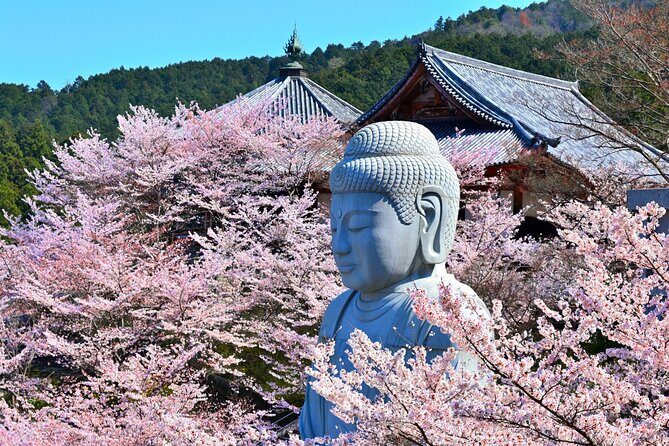
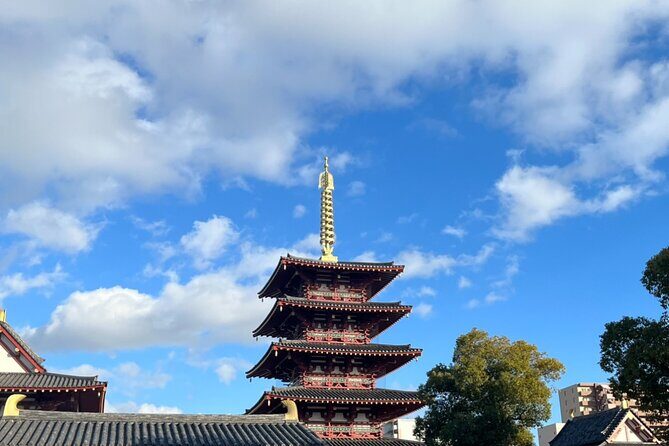
Next comes Shitennoji, where the guide brings the story back to something quieter. Shitennoji is known as the first Japanese Buddhist temple in Japan, and it’s where you can learn how Buddhism traveled from India to China and eventually reached Japan. That long arc makes the temple visit feel bigger than a single building.
Here, the pacing shifts. You’re still on a guided schedule, but the environment is naturally slower, with time to walk around and take in the setting. This is a good “reset” stop after the castle’s museum-heavy start.
Another reason this matters: Shitennoji isn’t just a background stop. If you like understanding how ideas moved across regions, this is one of the more meaningful parts of the day. You’ll leave with a clearer picture of why temples in Japan can feel both local and tied to much older connections.
This is also another 2-hour segment, so you won’t feel like you’re just passing through. You get enough time to see the key areas and still have room for questions.
Kuromon Market: A Focused Food Market Break Without the Chaos
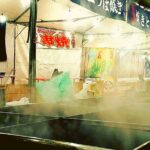
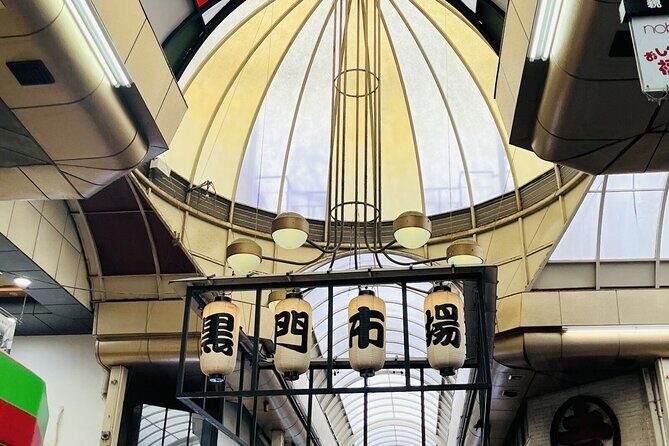
Then the tour heads to Kuromon Market, one of Osaka’s best-known food markets. Expect roughly 150 stores in the area, with fresh seafood, produce, beverages, and more. The key detail here is the size and variety of stalls in a compact area—this is the part of the day that feels most like you’re inside real Osaka commerce.
Your time block is about 1 hour, and admission is free for this stop. That short duration is actually smart for most visitors. It keeps you from losing the whole day in market wandering, and it gives you enough time to sample a snack or two while still staying on track.
Food and drinks aren’t included, so this is where you make your own choices. If you want to eat, bring cash or be ready for common payment methods, and decide ahead of time what you want most—something warm, something sweet, or seafood-focused bites. With a limited hour, you’ll enjoy it more if you’re not trying to do everything at once.
A small strategy: treat Kuromon like a menu, not a marathon. Buy one or two items that you can actually eat while walking, and save bigger meals for after the tour or during breaks if you add your own time.
Dotonbori, Tsuribori Shrine, and the Ukiyo-e Moment
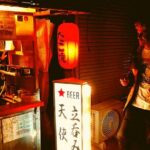
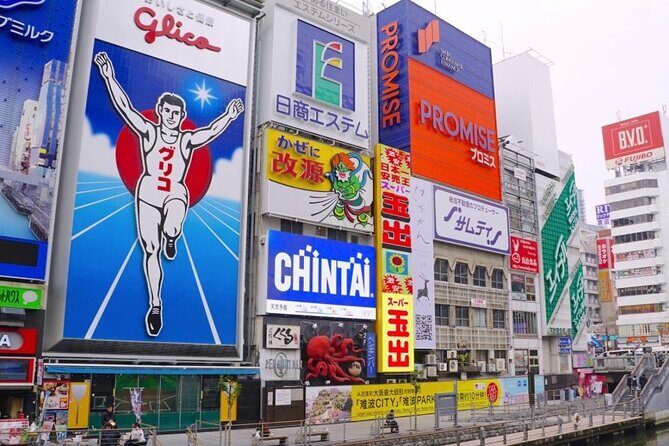
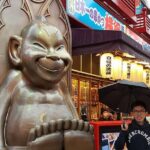
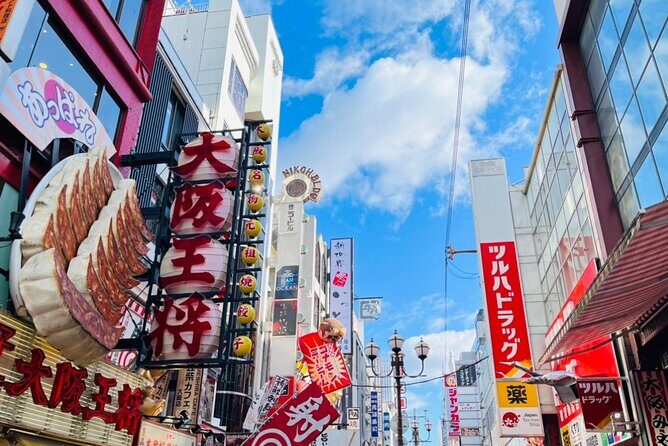
After Kuromon, the tour shifts into Minami Osaka mode. You’ll head toward the Dotonbori area, including a stop near a Tsuribori shrine. This area is known for big visuals—huge three-dimensional billboards line the streets—and it’s the kind of place where Osaka’s personality shows up fast.
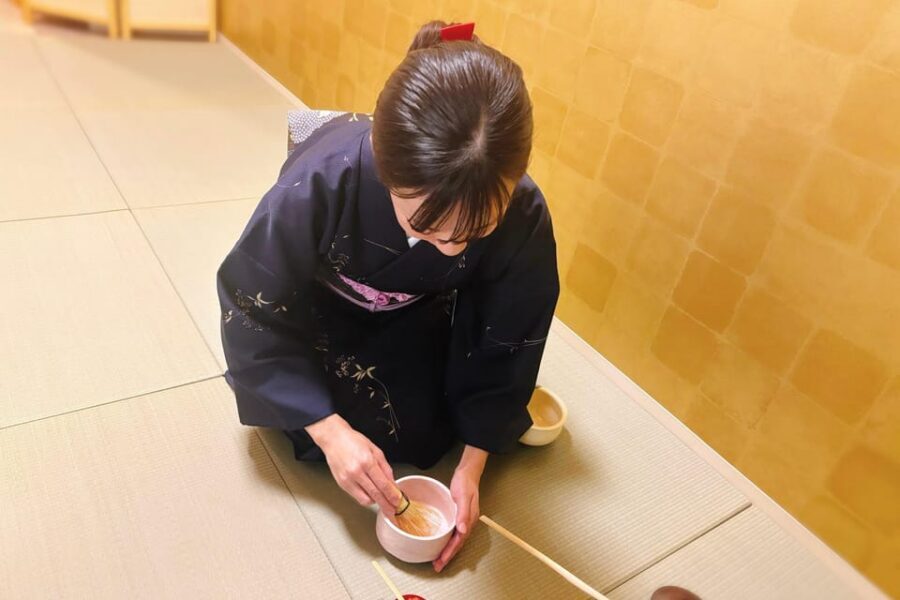
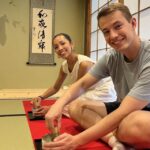
This is also where the tour connects the day’s art theme. You’ll get a traditional ukiyo-e experience, and the guide explains the context behind the art style. Ukiyo-e works are traced back to the 1670s, and the tradition flourished from the 17th to 19th centuries. Today it’s one of Japan’s most recognizable visual styles.
What I like about tying ukiyo-e to Dotonbori is that you see the modern city first, then you learn where old popular art came from. It makes the art stop feel less like a separate activity and more like a key to understanding why Japan’s street imagery has such long roots.
You’ll spend about 3 hours in this stretch, and admission for these parts is free as listed for the segment. That time also gives you breathing room to walk through Shinsaibashi, Osaka’s main shopping area, before the tour finishes back around Osaka and Shin-Osaka Station.
If you want souvenirs, this is where you’ll likely spend time. Not everything is practical to carry, but ukiyo-e-related items can be easier to pack than you might think. Plan for small bags or a lightweight tote.
You can also read our reviews of more tours and experiences in Osaka

Walking Pace, Transit, and What 8 Hours Feels Like
This is an 8-hour tour “approx.”, which usually means real-world time can vary based on train schedules and how your group moves between stops. The route is set up so you’re not walking every single moment, but you are outside for plenty of the day.
Because entrance fees and train tickets are included, you’ll spend less time standing around at ticket counters. That can make the walking feel more efficient, even if your legs get a workout.
The maximum group size of 20 helps here. Larger crowds tend to turn sightseeing into a slow shuffle. With a smaller group, you’re more likely to keep a steady pace and still enjoy the viewpoints when you reach them.
If you’re sensitive to long days, plan your stamina: wear comfortable walking shoes and take small breaks when the guide gives pauses. Also, keep your expectations realistic. Osaka is fun, but the day is still a full day.
Price and Value: Is $165 Worth It?
At $165.19 per person, this isn’t the cheapest way to see Osaka. So the real question is whether the price buys convenience and real experiences.
Here’s what the tour includes:
- Entrance fees for each stop
- Train tickets required for the route
- Ukiyo-e experience fee
- A guided English-speaking local experience
And what it doesn’t include:
- Food and drinks
For many visitors, you’re paying for the time-saving part: someone else handles the connections between sites, and you’re not hunting down ticket rules or admission windows between castle, temple, market, and downtown Osaka. That matters most when you’re new to the city and you want your day to run cleanly.
The ukiyo-e lesson is another reason the value can pencil out. Instead of just looking at art later, you’re making something or participating in an art experience tied to Japanese popular culture history. That kind of activity usually costs extra on top of standard sightseeing.
If you already planned to visit Osaka Castle and Shitennoji anyway, plus spend time in Kuromon and Dotonbori, then the added value is mainly the coordination plus the art workshop. If you only want one or two highlights, you might feel the price is too high for your taste.
Who This Tour Suits Best (and Who Might Skip It)

This tour fits best if you want an organized full-day sampler of Osaka. It’s ideal for first-timers who want both the “classic” sights and the everyday city feel. I especially like it for people who enjoy switching moods—castle museum seriousness, temple calm, market browsing, then Dotonbori’s iconic street spectacle.
It’s also a good choice for travelers who want an English-speaking guide to answer practical and cultural questions while you walk. Even with no specific language-learning goal, having a guide helps you understand what you’re looking at instead of guessing.
Where it might not be ideal is if you prefer a slower pace with lots of free time for independent wandering. You’ll have some freedom at the market and around shopping streets, but the schedule is still a full-day plan with fixed time blocks.
If you’re on a tight itinerary and you want to pick only one area, you may be happier booking a shorter theme tour. This one is meant to cover a lot of ground in one go.
Should You Book This Osaka Castle Temples and Ukiyo-e Tour?
I’d book this when you want a smooth, guided, full-day route that blends major landmarks with real Osaka street scenes. The combination of Osaka Castle, Shitennoji, Kuromon Market, Dotonbori, and an ukiyo-e experience makes it more than a typical checklist day.
Also consider the small-group setup. With up to 20 people and a guide who supports the group through the route, the day tends to feel more personal than mass-market tours.
If you’re the type who eats a lot during markets and shopping walks, budget for meals since food and drinks aren’t included. On the other hand, if you like selecting a few tastings and using the rest of your time to see sights, this tour keeps you moving without letting food planning take over your schedule.
Finally, if you can, book early. This experience is often reserved about 65 days in advance, and a smaller cap like 20 can fill faster around popular travel dates. And if plans change, the cancellation is free up to 24 hours before the start time, which gives you some flexibility.
FAQ
What is the duration of the tour?
The tour runs for about 8 hours.
How much does the Full Day Walking Tour cost?
The price is $165.19 per person.
What’s included in the tour price?
The price includes entrance fees, train tickets required for the tour, the ukiyo-e experience fee, and a guided tour with an English-speaking guide.
Are food and drinks included?
No. Food and drinks are not included.
Which stops are part of the itinerary?
The main stops are Osaka Castle, Shitennoji, Kuromon Market, and Dotonbori (including a Tsuribori shrine area) with a ukiyo-e experience, plus walking through Shinsaibashi.
Does the tour include an ukiyo-e experience?
Yes. The tour includes an ukiyo-e experience and the fee is included.
Is the ticket mobile?
Yes. The tour uses a mobile ticket.
What is the group size limit?
The tour has a maximum of 20 travelers.