REVIEW · OSAKA
Osaka: Shinsekai Food Tour – 13 Dishes and 4 Eateries
Book on GetYourGuide →Operated by Travel Tokyo · Bookable on GetYourGuide
Osaka in three hours can be loud and delicious. I like how this Shinsekai food crawl mixes classic bites with a calm pause at the Shinsekai Inari Shrine, plus a walk through Janjan Yokocho alley. You start at Daily Yamazaki in Ebisu Higashi and then follow local guides Bell and Tara into the neighborhood’s backstreets.
I also like the “try it, then move on” style. You’ll sample crowd favorites like kushikatsu and taiyaki, plus Osaka standards such as takoyaki and doteyaki, without having to figure out which stall is worth it. One possible drawback: the schedule is built for eating, so if you prefer slow, light snacking, the pace (13 dishes in 3 hours) may feel like a lot.
In This Review
- Key highlights you’ll feel fast
- Starting at Daily Yamazaki: finding the tour and setting the pace
- Shinsekai street food basics: how the tastings actually work
- 13 dishes across 4 eateries: what you’ll likely taste
- Janjan Yokocho alley: a shortcut into Shinsekai’s personality
- Shinsekai Inari Shrine: why the quiet stop is part of the value
- Kushikatsu, takoyaki, doteyaki, taiyaki: the flavors that earn the hype
- Kushikatsu: the crowd favorite for a reason
- Takoyaki: the Osaka classic you’ll want more of
- Doteyaki: comfort food energy
- Taiyaki: the sweet reset
- Price and value check: why $77 can make sense here
- What to expect from the pace (and how to enjoy it)
- Who this Shinsekai tour is perfect for
- Should you book the Osaka Shinsekai Food Tour?
- FAQ
- How long is the Shinsekai food tour?
- What does the tour cost?
- Where does the tour start?
- What food is included?
- Do you visit any specific landmarks besides food spots?
- Is the tour guide English-speaking?
- Is there a cancellation option?
Key highlights you’ll feel fast
- Daily Yamazaki start in Ebisu Higashi: you get going quickly, then you’re in Shinsekai before you overthink things
- 13 dishes across 4 eateries: a real sampling plan, not just one “main stop”
- Janjan Yokocho alley: a side street that helps explain why Shinsekai is fun after dark
- Shinsekai Inari Shrine visit: a quiet contrast when the neighborhood gets noisy
- Food + story from Bell and Tara: history talk that makes the flavors feel less random
- Kushikatsu stand-out: the dish gets special praise for a reason
Starting at Daily Yamazaki: finding the tour and setting the pace
This tour starts at Daily Yamazaki in Ebisu Higashi, which is helpful because you’re not wandering around unsure where the group meets. From the beginning, the plan is simple: meet your English-speaking guide, get oriented, then walk straight into Shinsekai.
That early “get moving” rhythm matters. Shinsekai is the kind of place where it’s easy to lose time standing in front of menus, or asking which thing is actually worth ordering. With Bell and Tara guiding the route, you spend your energy on tasting instead of sorting.
You can also read our reviews of more food & drink experiences in Osaka

Shinsekai street food basics: how the tastings actually work
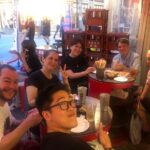
The core idea is straightforward: you’ll eat 13 dishes across 4 eateries in about 3 hours. That structure is what turns street food from a risky trial-and-error mission into a smart tasting plan.
Here’s what that means for you in practice:
- You get a mix of hot, savory, and sweet stops, so you’re not stuck with only one flavor profile.
- You’re guided to iconic Osaka picks (and a couple of surprises), so you’re less likely to miss key local favorites.
- You’re walking between short stops, which keeps the experience from turning into a single long meal.
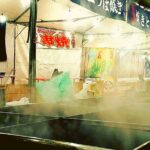
Also, this is very much a neighborhood tour, not a museum-style lesson. You’ll feel the area as you go: busy streets, small side lanes, and that “everything smells like dinner” energy Shinsekai is known for.
13 dishes across 4 eateries: what you’ll likely taste
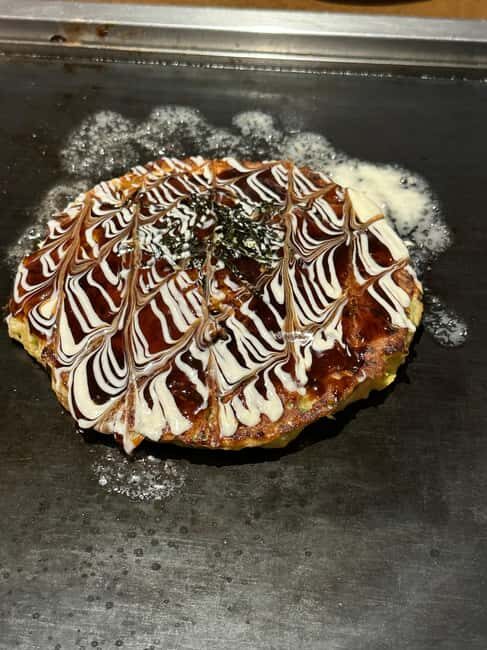
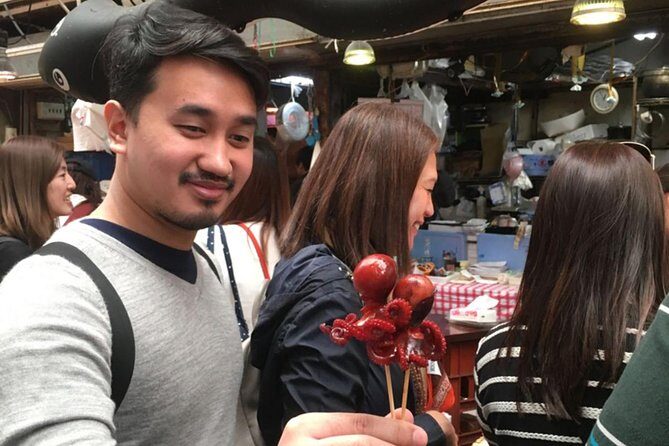
You should expect a well-paced “snack feast.” The tour highlights classic Osaka items like takoyaki and taiyaki, and it also includes signature street-food staples such as kushikatsu and doteyaki. In other words, you’re covering the flavors people come to Osaka for—without needing to build an itinerary yourself.
Even without a detailed dish list on the schedule, you can count on the tour hitting the big four categories below:
- Crispy fried skewers (kushikatsu)
- Pan-fried seafood batter snacks (takoyaki)
- Flaky, sweet fillings (taiyaki)
- Thick, savory stewed/slow-cooked comfort flavor (doteyaki)
The other dishes aren’t specified here, but the “13 dishes” promise tells you the variety is real. That variety shows up in the feedback too: people highlight how the tour helped them try foods they might have skipped if they were just walking on their own.
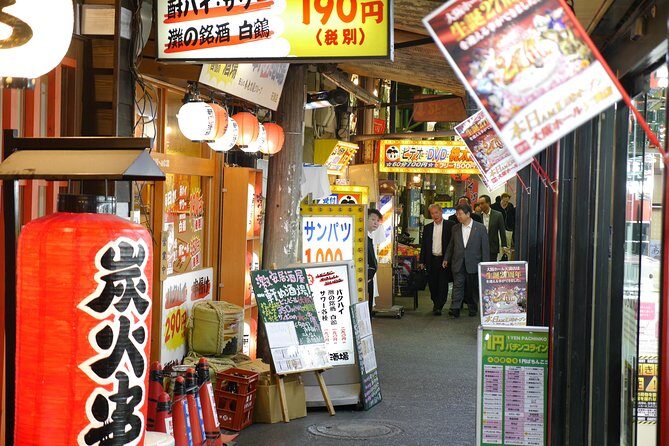
Janjan Yokocho alley: a shortcut into Shinsekai’s personality
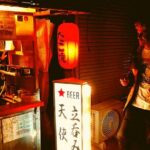
One of the most specific stops on the tour is Janjan Yokocho alley. This matters because Shinsekai isn’t only about the big, easy-to-find streets. It’s the smaller lanes where you see the everyday rhythm—tight spaces, the smell of cooking, and the kind of snack culture that feels more personal than tourist-heavy districts.
Janjan Yokocho gives you that “walk a little and notice more” experience. You’re not just eating; you’re picking up context. You start to see why Shinsekai keeps its old-school identity: it’s a place built for quick bites, casual conversations, and regular late-night cravings.
If you’re the type of person who enjoys photos, alleyways also deliver. Just don’t let the camera slow you down—this tour rewards attention to what you’re eating, not only what you’re seeing.
Shinsekai Inari Shrine: why the quiet stop is part of the value
Between lively streets, you’ll also visit the Shinsekai Inari Shrine. This is more than a checklist stop. The contrast helps your brain reset during a food-heavy 3 hours.
From a practical point of view, you’re stacking up flavor after flavor. A shrine stop gives you a breather from the constant heat of street food and the “always something cooking” atmosphere. It also adds meaning to the walk—you’re seeing that Shinsekai isn’t only food and neon. It has roots, rituals, and a sense of place.
In the feedback, guides like Bell (and the team) get credit for explaining the shrine history and connecting it to the neighborhood. That kind of context helps you remember the stop, not just the photo.
You can also read our reviews of more tours and experiences in Osaka


Kushikatsu, takoyaki, doteyaki, taiyaki: the flavors that earn the hype
This is the part food lovers care about. The tour specifically highlights several dishes that keep getting praised, especially kushikatsu.
Kushikatsu: the crowd favorite for a reason
Kushikatsu is the standout in the reviews, and it’s easy to see why once you experience it as part of a tasting route. It’s crispy, snackable, and made for taking bites while you’re walking or between stops. One review specifically calls out kushikatsu as simply too good.
If you’ve never tried it, it’s worth paying attention to texture. You’re tasting crunch, then you hit the savory center. It’s one of those foods that feels complete in a few bites, which is perfect for a tour like this.
Takoyaki: the Osaka classic you’ll want more of
Takoyaki is another highlight. It’s warm, filling, and often the first “oh, this is really Osaka” moment people have on these tours. In a lineup of many dishes, takoyaki tends to act like the flavor anchor: you keep coming back to it in your memory.
Doteyaki: comfort food energy
Doteyaki shows up as a tour inclusion too. That’s a good sign if you want more than just fried snacks. Doteyaki brings that thicker, savory comfort vibe, giving the tour depth instead of only crunchy bites.
Taiyaki: the sweet reset
Taiyaki rounds things out. It’s a traditional Japanese pastry, typically filled and served warm. For you, taiyaki is a useful “sweet reset” when you’ve been chewing savory foods for an hour already.
Price and value check: why $77 can make sense here
$77 for 3 hours sounds specific, and the real question is what you’re getting for it. Here’s the value math that matters most:
- You’re paying for a local guide (English-speaking).
- You’re getting tastings of 13 dishes across 4 eateries.
- You’re also covering visits to Janjan Yokocho alley and Shinsekai Inari Shrine.
If you try to replicate this on your own, you’d spend time figuring out which places are worth it and how to order multiple items efficiently. You’d also likely end up with fewer “must-try” hits, because one great stall doesn’t automatically give you 13 dishes.
So for most people, the tour is about buying structure. You’re not only buying food—you’re buying a plan that keeps you moving and helps you avoid decision fatigue in a crowded district.
What to expect from the pace (and how to enjoy it)
With 3 hours and 13 dishes, the pacing is snack-fast. That’s not a bad thing. It’s how you make street food tasting feel like a fun sampler instead of a heavy sit-down meal.
To enjoy it, I’d do two things:
- Come hungry. Not starving, but ready. The tour is designed for you to actually taste and react.
- Take small bites when you need to. Some dishes are better when you can focus on texture, not when you rush to finish.
Also, remember this is walking-focused. You’ll be moving through Shinsekai backstreets and alleyways, and the shrine stop gives your legs a slight reset between food moments.
Who this Shinsekai tour is perfect for
This one fits best if you want Osaka street food without the guessing game. I think it’s especially good for:
- First-timers to Osaka who want a guided hit list of iconic snacks
- Food lovers who like variety more than ordering one “safe” meal
- People who enjoy local context, not just eating
- Anyone who likes Shinsekai’s nostalgic vibe and wants to see the neighborhood from the inside
Based on the standout comments from the reviews, it also seems to work well for people who want more than mainstream food. The variety is repeatedly praised, and the guides’ knowledge—especially around the shrine—shows up as a key part of why people rate it so highly.
Should you book the Osaka Shinsekai Food Tour?
I’d book it if your idea of a great Osaka day is walking a classic neighborhood, eating a planned set of street-food favorites, and learning just enough context to make the flavors stick. It’s also a solid pick if you care about having an English-speaking guide who can connect what you’re eating to what you’re seeing around you.
Skip it (or at least reconsider) if you prefer slow meals, few stops, and lots of downtime. With 13 dishes in 3 hours, this is an active tasting experience.
If you want a straightforward way to sample Shinsekai’s best-known foods—takoyaki, kushikatsu, doteyaki, taiyaki—while also visiting Janjan Yokocho alley and the Shinsekai Inari Shrine, this tour is built for you.
FAQ
How long is the Shinsekai food tour?
The tour lasts 3 hours.
What does the tour cost?
It costs $77 per person.
Where does the tour start?
It starts at Daily Yamazaki in Ebisu Higashi.
What food is included?
The tour includes Osaka street food tasting with 13 dishes across 4 eateries, including items such as takoyaki, taiyaki, kushikatsu, and doteyaki.
Do you visit any specific landmarks besides food spots?
Yes. You visit Janjan Yokocho alley and the Shinsekai Inari Shrine.
Is the tour guide English-speaking?
Yes, the live tour guide speaks English.
Is there a cancellation option?
Yes. You can cancel up to 24 hours in advance for a full refund.