REVIEW · OSAKA
From Osaka/Kyoto: Nara One Day Private Tour
Book on GetYourGuide →Operated by Infinity tours and travels · Bookable on GetYourGuide
Nara is a day trip with real personality, and the private format makes it easier to steer. This 10-hour tour pairs major sights like Todai-ji with that unmistakable Nara Park deer moment, plus optional time for a calmer garden stop. I like the hotel pickup and drop-off, because it removes the hassle of trains and transfers when you’re short on time.
Second, I like that it’s built for flexibility. You’re not stuck in a rigid stamp-and-go route, and you get an English-speaking personal driver who handles the driving and can help you shape the pace. One thing to consider: this is a private transport-first experience, and the amount of site talk can vary depending on the driver.
In This Review
- Key things to know before you go
- Door-to-Door Nara: what the private van really buys you
- Price and value: $774 for up to 6 people, not per person
- A “customizable” Nara day that’s still realistically timed
- Todai-ji: the Great Buddha as your early anchor
- Nara Park deer encounters: fun, but read the rules
- Kasuga Taisha: lantern paths with strong atmosphere
- Kōfuku-ji: pagoda views and temple halls
- Naramachi: an Edo-period merchant district stroll
- Yoshikien Garden: the calm stop that saves your legs
- Heijo Palace Site Museum: a photo stop with a historical anchor
- Driver quality: what can make or break your experience
- Comfort and timing tips for a 10-hour schedule
- What you’ll pay for separately: entrance fees and food
- Who should book this Nara private day trip
- Should you book this Nara one-day private tour?
- FAQ
- How long is the Nara one-day private tour?
- Where can I be picked up and dropped off?
- How many people are in a private group?
- What is included in the tour price?
- Are entrance fees included?
- Is lunch included?
- Is the driver English-speaking?
- Is the tour wheelchair accessible?
- Is smoking or alcohol allowed during the tour?
- Is there free cancellation?
Key things to know before you go
- Hotel pickup and drop-off from Osaka or Kyoto keeps your morning stress low
- Private van with WiFi and air-conditioning for a long, comfortable day
- Nara Park deer interaction is a highlight, especially if you love animal encounters
- Lantern paths at Kasuga Taisha add atmosphere beyond the big temples
- Yoshikien Garden gives you a break from crowds and walking
- Ask ahead about how much site explanation you want to get the value you expect
Door-to-Door Nara: what the private van really buys you
A Nara day can be simple if you travel like a local: get in the car, get out at the right moments, and don’t waste the day fighting schedules. This tour is built around pickup either in Osaka or Kyoto and drop-off in the same city after about 10 hours on the clock.
That door-to-door piece matters more than it sounds. Nara’s main attractions are clustered, but getting there by public transit still costs time and energy—especially if you’re also trying to time temple crowds and meal breaks. With the van, you’re not worrying about train timing, station navigation, or which bus goes where.
Also, the vehicle is air-conditioned, and there’s WiFi on board. You’ll likely use that for planning your next stop while you’re en route, or just to stay sane during the driving segments.
You can also read our reviews of more private tours in Osaka

Price and value: $774 for up to 6 people, not per person
At $774 per group (up to 6), the cost is not cheap if you’re traveling solo. But it can be a strong deal when you split it the right way.
Here’s the value equation I’d use:
- If you’re a group of 3 to 6, you’re paying for a private van plus door-to-door service.
- If you’re 1 or 2 people, you may feel the hit, because you’re still paying the whole vehicle cost.
- Entrance fees and meals aren’t included, so you’ll still budget for those at each stop.
What’s included that helps justify the price: a private vehicle, highway tax, parking fees, and hotel pickup/drop-off. Those small items add up fast if you’re booking separately or using multiple transit legs.
For me, this tour makes the most sense when you want control. You’d rather pay for comfort and logistics so your day feels smooth instead of frantic.
A “customizable” Nara day that’s still realistically timed
The structure of the day is clear: major temples and shrines in the core area, a stroll through an Edo-era neighborhood, and at least one garden-style decompression stop. The wording “customizable” is a good sign, but the important thing is how you use that flexibility.
If you care most about photos and atmosphere, you’ll want to spend longer at the lantern-lined approach areas and then do temples at a slower pace. If you’re history-focused, you’ll likely spend more time inside the temple complexes and at the ancient palace site museum.
The schedule also includes van transfer segments of about 30 minutes each way, which helps the day stay focused. Still, this is a moderate walking day. Even with a private driver, you’ll move between sights on foot.
Practical tip: wear shoes that don’t punish you after an hour. Nara days can turn into a lot more walking than you’d expect from a quick map.
Todai-ji: the Great Buddha as your early anchor
Most people come to Nara for Todai-ji, and the tour builds around it early. You’ll visit Tōdai-ji Temple, the home of the iconic Great Buddha, and you’ll also get a UNESCO-listed setting.
Why this is a smart first real stop:
- It sets the tone for everything else you’ll see that day.
- Going earlier typically means more breathing room to look around before crowds tighten up.
- It gives context for the whole Nara spiritual vibe—big, grounded, and visually unforgettable.
What to expect on arrival: you’ll have time to walk and sightsee, and you should plan for some quiet wandering rather than only “getting the photo.” Even if you’re not a deep-lecture person, you’ll enjoy noticing how temple space is organized: approaches, courtyards, and the way buildings frame the main objects.
Nara Park deer encounters: fun, but read the rules
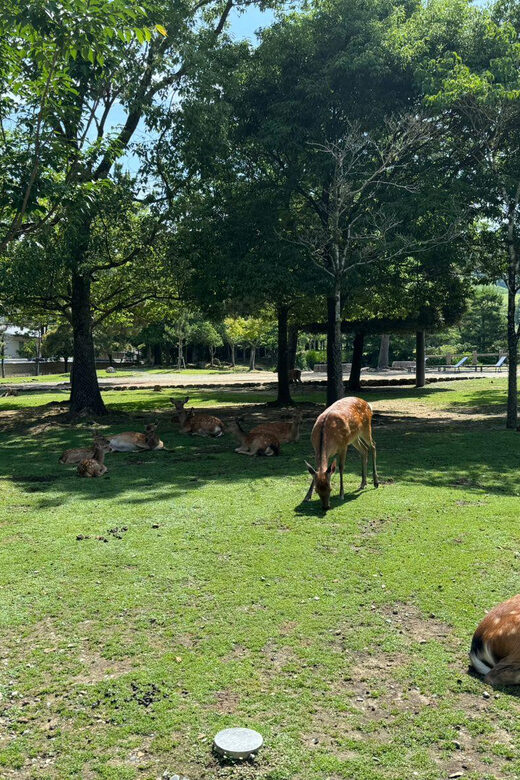
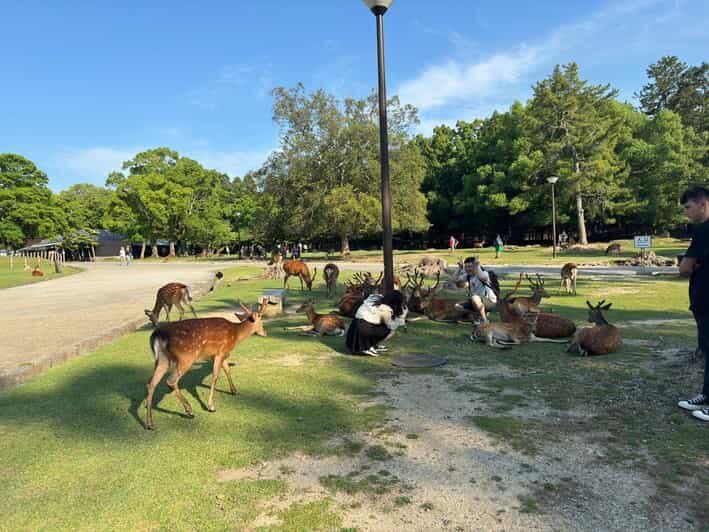
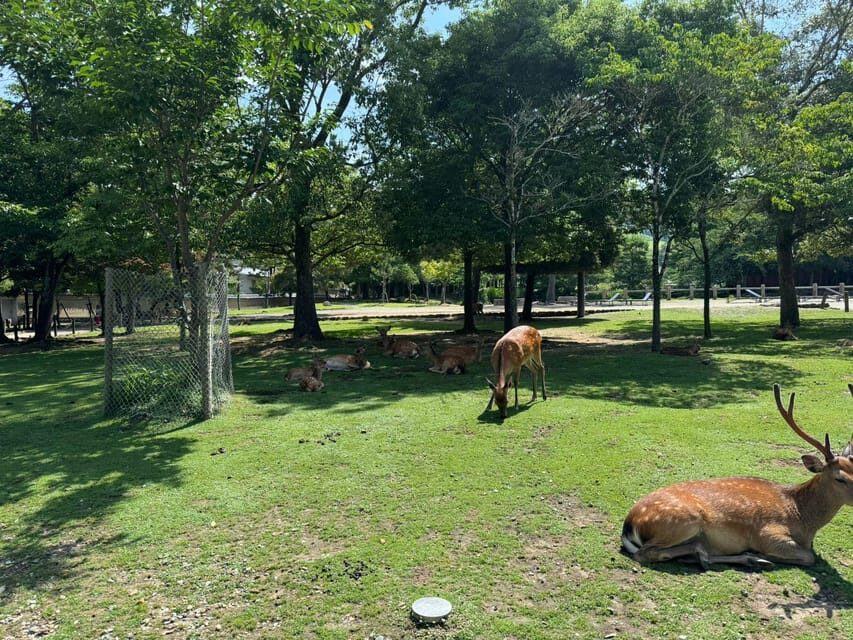
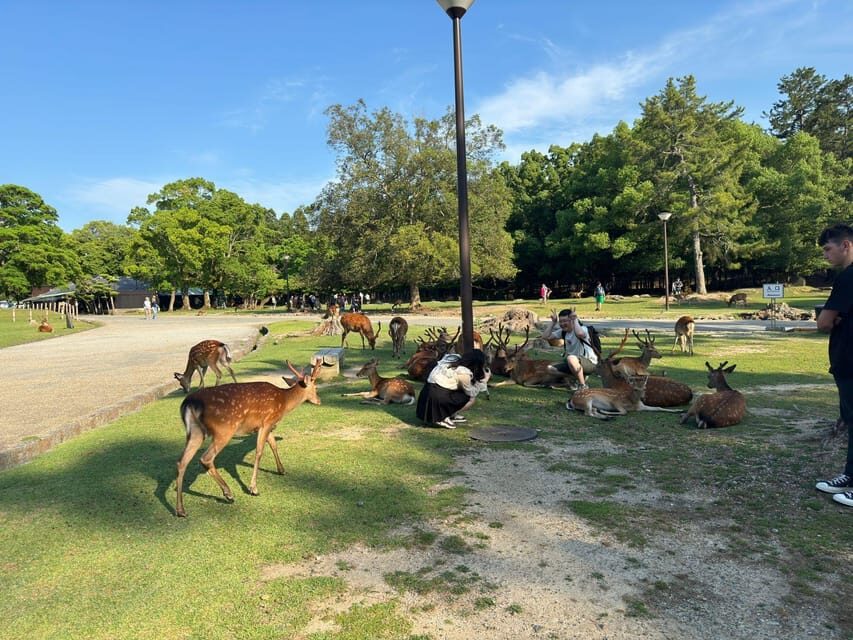
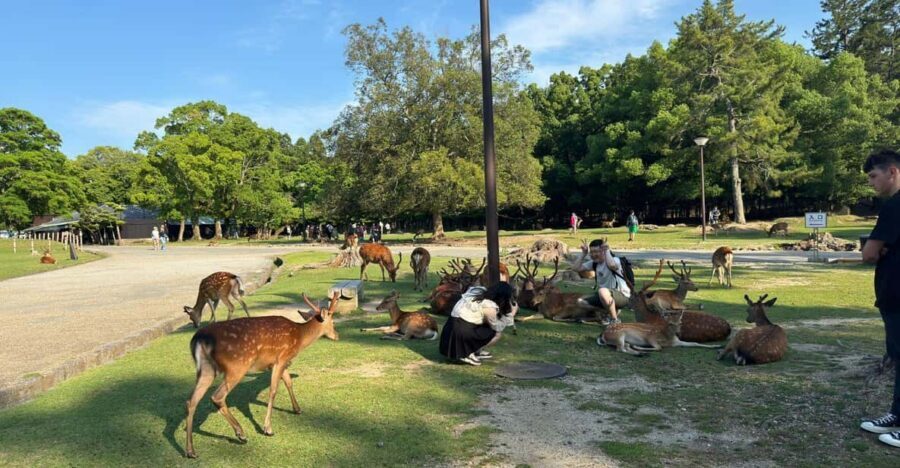
Then comes the moment people talk about: Nara Park. You’ll meet the free-roaming deer and spend time walking and sightseeing on your own.
The highlight here is exactly what you think it is: the deer are part of the landscape, and you can have a playful, memorable encounter. One group specifically called the deer interaction fun.
But here’s the practical side. When animals roam freely around people, you want to be calm and predictable:
- Keep your movements steady.
- Watch your footing (deer and people both cross paths).
- Don’t act surprised if they approach—you’re in their space.
The best Nara Park visits are the ones where you treat it like a shared moment, not a zoo performance.
You can also read our reviews of more tours and experiences in Osaka

Kasuga Taisha: lantern paths with strong atmosphere
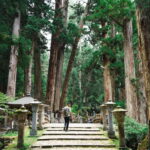
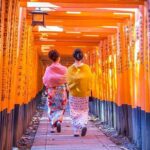
Next up is Kasuga-taisha, a Shinto shrine known for its famous lantern-lined paths. This stop is visually different from the big stone-and-bronze feel of Todai-ji, and that contrast is a big part of why this day works.
What makes Kasuga-taisha special for a one-day itinerary:
- You’re walking through a shrine approach that feels more like a story than a checklist.
- The lanterns create a repeatable visual rhythm as you move along paths.
- It’s a good middle-of-the-day break before you ramp back into temple sights.
This is another “walk and look” portion of the day, so it suits you if you enjoy wandering. If you’re the kind of traveler who needs a lot of spoken interpretation, you’ll want to make sure your driver understands you want some context—because not every private driver naturally turns into a walking history podcast.
Kōfuku-ji: pagoda views and temple halls
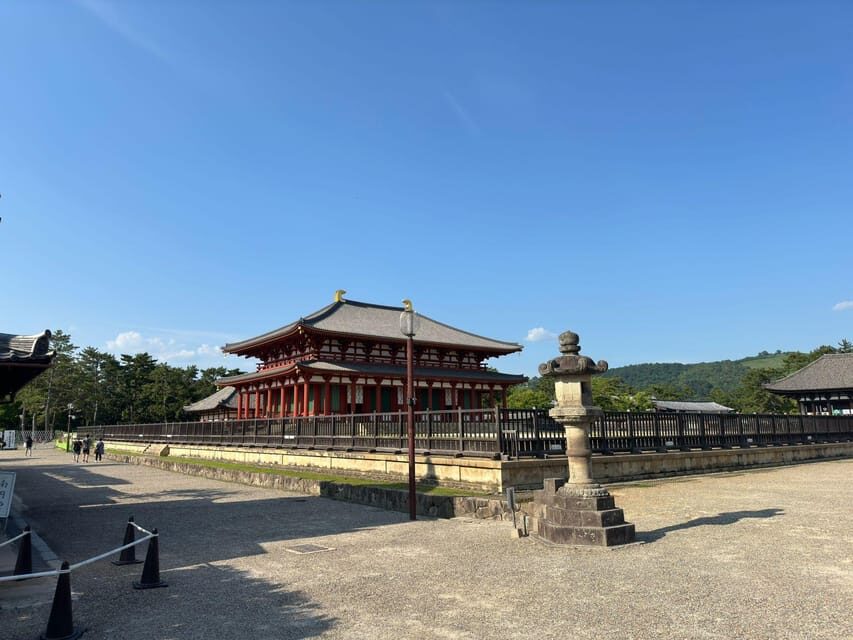
After Kasuga-taisha, you’ll visit Kōfuku-ji, including time to see its Five-Story Pagoda and the Eastern Golden Hall. This is where Nara shifts again in style—less about lantern paths, more about classic temple architecture and structure.
For photo lovers, the pagoda is the obvious target. But what tends to make people enjoy Kōfuku-ji even more is the way temple complexes give you multiple viewpoints. You’re not limited to one angle.
For walkers, this segment is worth pacing yourself. Even if you’re strong on stairs and long walks, you’ll feel better if you take short breaks instead of rushing to the next thing.
Naramachi: an Edo-period merchant district stroll
Then you get a change of pace: Naramachi, a preserved Edo-period merchant district. If you’re tired of temples and want a more human-scale Nara, this is often the right medicine.
What I like about adding a neighborhood like this to a one-day plan:
- It helps you see Nara beyond its religious headlines.
- It’s easier to enjoy at your own speed.
- Even short wandering turns into small discoveries—old shopfront vibes, street layout, and that slightly old-town feeling.
This part doesn’t demand intense attention. You’re free to pause for snacks or just observe the setting.
If you have dietary needs, it’s smart to plan before you arrive. You’ll likely stop for lunch somewhere, and local food options can vary.
Yoshikien Garden: the calm stop that saves your legs
Not every itinerary gives you a garden, and that’s exactly why this one feels balanced. Yoshikien Garden is a serene break with moss, ponds, and spaces associated with tea ceremony.
Why this stop is a smart pivot:
- Gardens slow you down without requiring museum-level stamina.
- The terrain can feel easier than temple-to-temple walking.
- It gives you a chance to reset before the day finishes with another culture-and-history segment.
Think of Yoshikien as your “slow mode” button. If your day starts feeling crowded or over-planned, this is where you get your head back.
Heijo Palace Site Museum: a photo stop with a historical anchor
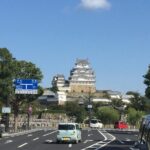
Late afternoon includes Heijo Palace Site Museum with a photo stop and time to visit. This is the ancient capital piece—the geography of Nara before the current city layout.
Even if you don’t read every display, the value is that it connects the places you visited earlier to the larger picture of Nara’s importance. It’s like turning the day from separate stops into a single storyline.
Also, having it closer to the end of the day works well. If you’re already tired, museums can be harder, but the built-in photo stop plus sightseeing time makes it manageable.
Driver quality: what can make or break your experience
Here’s the honest truth about private tours: you’re paying for the vehicle, but you’re also paying for the human factor.
One group praised their driver, Charit, saying they took them to amazing spots. That kind of driver can turn a simple transport day into something you remember.
On the flip side, one booking felt like it was mostly transportation. The driver/guide didn’t provide much information about the attractions along the way or at the stops, and that left the day feeling more like a shuttle service than a guided experience. They expected history and didn’t get it.
So what should you do? Ask a clear question before you go:
- Do you want site history spoken during the stops?
- If yes, ask for short explanations at each major stop, not just driving.
Your best outcome happens when you and the driver agree on the style: silent logistics, or light commentary, or a more interpretive day.
Comfort and timing tips for a 10-hour schedule
This tour is built for a full day, and that means you should plan like it’s summer even if it isn’t.
- Bring layers and dress for the weather. You’ll be walking at multiple stops.
- Expect moderate walking across temple grounds and park areas.
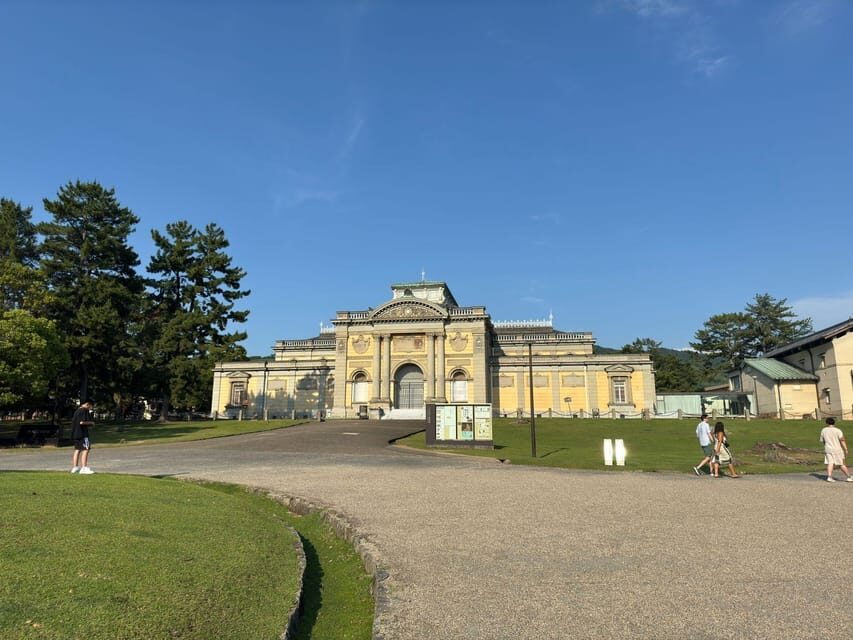
- If you want to avoid peak crowds, build in patience. The note about crowding at major areas like Osaka Castle and Abeno Harukas is a reminder that timing matters on the wider region, not only Nara.
Also, remember meals aren’t included. That means you should decide in advance how you’ll handle lunch and drinks. If you’re picky, you’ll likely appreciate telling your driver your preferences ahead of time.
What you’ll pay for separately: entrance fees and food
Included items are practical:
- Private transportation
- Hotel pickup and drop-off
- Highway tax and parking
- Air-conditioned vehicle
- WiFi on board
- English speaking driver
Not included:
- Meal and drinks
- Entrance fees
- A dedicated guide
That last part matters. You’ll have an English-speaking driver, but the tour may not include the kind of official guide narration you might expect from a tour marketed as very guided. If your ideal day is heavy interpretation, confirm how your driver will handle explanations before you book.
My advice: treat this as a private day with an English-speaking driver for logistics and support, then decide how much extra history you want from what you can read onsite.
Who should book this Nara private day trip
This works especially well if:
- You’re traveling with a small group (up to 6) and want door-to-door convenience.
- You care about major sights (Todai-ji, Kasuga Taisha, Kōfuku-ji) but also want time for a neighborhood stroll and a garden reset.
- You want an English-speaking driver to manage the day and keep things moving smoothly.
It may be less ideal if:
- You’re expecting a full guided history lecture at every stop. You might get it with one driver, less with another.
- You want very low walking. There is moderate walking built in, and the route is full-day by design.
You should also know it’s marked not suitable for pregnant women and people over 95 years, so make sure your group fits the physical plan.
Should you book this Nara one-day private tour?
If you’re a group of friends, a family, or anyone who hates transit stress, I think booking makes sense. You get hotel pickup/drop-off, a private air-conditioned van, WiFi, and a day packed with Nara’s top hits: Todai-ji, Nara Park deer time, Kasuga Taisha lantern paths, Kōfuku-ji, Naramachi, and Yoshikien Garden.
Book it if you’ll enjoy flexibility and you’re okay managing entrance tickets and lunch on your own. Skip it (or confirm details closely) if you need a consistently talkative guide who explains every site in depth, because the experience can shift depending on the driver’s approach.
If you decide to go, do one smart thing: message ahead with the kind of history level you want. Then your private van becomes more than transportation—it becomes your smooth, well-paced way to see Nara in one day.
FAQ
How long is the Nara one-day private tour?
The tour duration is 10 hours.
Where can I be picked up and dropped off?
You can choose from two pickup locations: Osaka or Kyoto. Drop-off is also available in Osaka or Kyoto.
How many people are in a private group?
The price is listed per group up to 6 people.
What is included in the tour price?
Included are a private air-conditioned vehicle, highway tax, parking fees, WiFi on board, an English-speaking driver, and hotel pickup and hotel drop-off.
Are entrance fees included?
No. Entrance fees are not included.
Is lunch included?
No. Meal and drinks are not included.
Is the driver English-speaking?
Yes, the driver is listed as English-speaking.
Is the tour wheelchair accessible?
Yes, the tour is marked as wheelchair accessible.
Is smoking or alcohol allowed during the tour?
Smoking is not allowed. Alcohol and drugs are also not allowed.
Is there free cancellation?
Yes. Free cancellation is offered up to 24 hours in advance for a full refund.