REVIEW · OSAKA
Osaka: Half-day Ultimate Highlights Guided Walking Tour
Book on GetYourGuide →Operated by Hungry Osaka Tours · Bookable on GetYourGuide
Osaka feels easy when someone else sets the route. This half-day tour strings together the big Osaka hits—Osaka Castle grounds, neon Dotonbori, and retro Shinsekai—with a bilingual expat guide who turns street-level details into real context.
I also love that you get food built into the plan, not just sightseeing. Osaka street-food lunch (with a drink) makes a practical break, and you move on before the crowds get sticky. One drawback: it is mostly walking, plus a couple short trains, so plan for tired legs and bring comfortable shoes.
In This Review
- Key highlights that make this walk click
- Why Osaka Castle to Shinsekai works in one sitting
- Getting started at JR Osakajokoen Station without stress
- Osaka Castle grounds: the samurai story without the inside ticket rush
- Namba and Shinsaibashi-suji: shopping lanes built for centuries
- Ebisu Bridge and Dotonbori: where the neon does the talking
- Hozenji Yokocho: the quiet alley that shocks you in a good way
- Kuromon Ichiba Market: the Osaka Kitchen in real scale
- Doguyasuji and the merchant past: cutlery, crockery, and the practical side of Osaka
- Shinsekai and Tsutenkaku: retro energy you can still feel
- Food and pacing: when the tour is long enough to matter
- Price and value: what $61 covers, and what to budget extra
- Who should book this Osaka Highlights Walk
- Straight answer: should you book this tour?
- FAQ
- How long is the Osaka Half-day Ultimate Highlights Guided Walking Tour?
- Where do I meet the guide?
- Is lunch included?
- Are train fares included?
- Do I get into Osaka Castle during the tour?
- Is hotel pickup available?
- What should I bring?
- Does the tour run in bad weather?
- Experience provider
Key highlights that make this walk click
- Bilingual expat guide with decades in Osaka who explains what you’re seeing in plain English
- Osaka Castle grounds for the samurai-era story, without committing to the long inside lines
- Dotonbori + Ebisu Bridge + Glico photo stop in the right flow, so you’re not backtracking
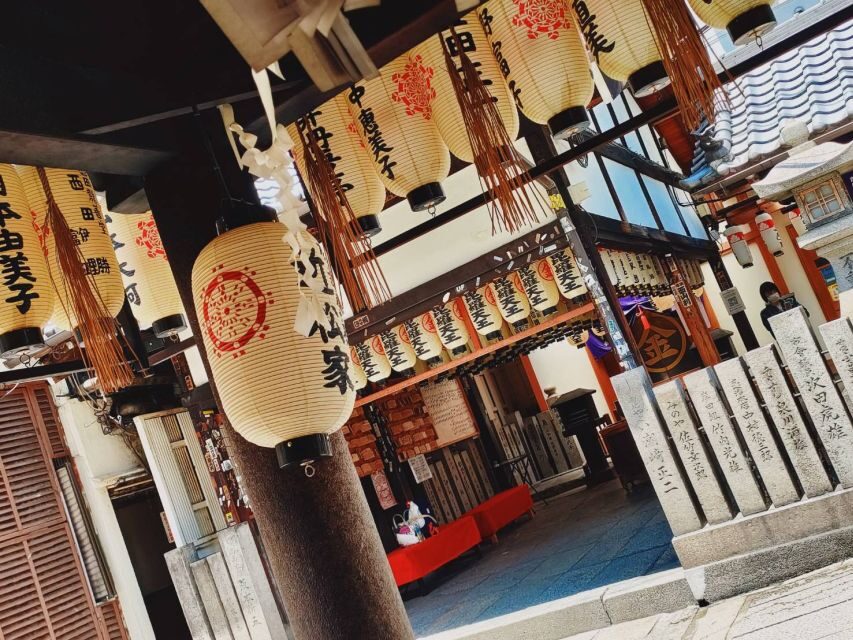
- Hozenji Yokocho with lanterns and cobblestones as a calm contrast to the neon streets
- Kuromon Ichiba Market for the Osaka Kitchen feel and plenty of seafood and produce energy
- Shinsekai and Tsutenkaku area where pre-war nostalgia still powers the street vibe
Why Osaka Castle to Shinsekai works in one sitting
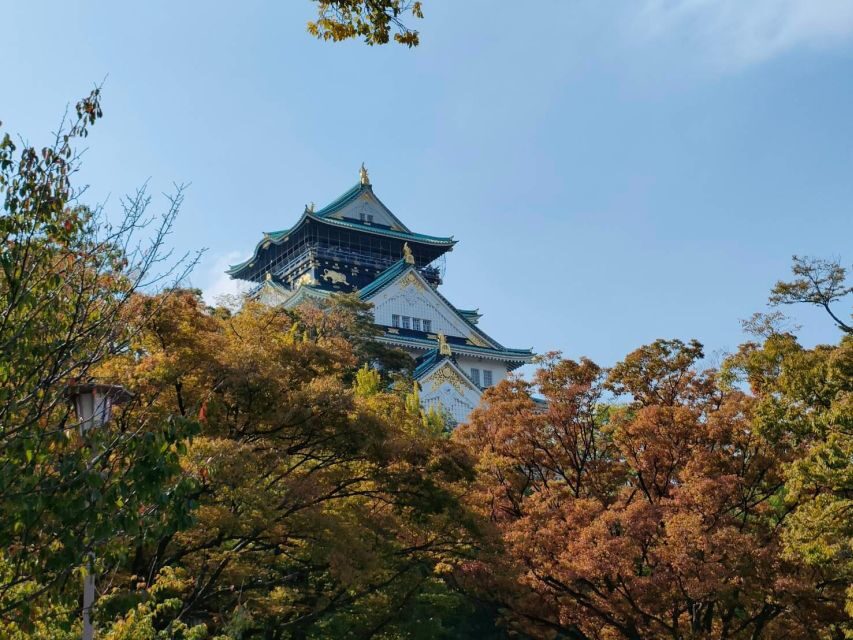
Osaka is famous for food and fun, but it’s also a city with layers. What I like about this tour is the way it moves through those layers in a logical loop: power and politics at Osaka Castle, everyday shopping in Namba, street-food spectacle in Dotonbori, a quiet temple pause in Hozenji, then the market-and-trade feel of Kuromon before landing in Shinsekai’s retro playground.
You don’t just tick boxes. You get the “why” behind each stop: merchant Osaka, local meeting places, the old shopping lanes, and how modern Osaka still borrows energy from older districts.
If you’re short on time (or doing Osaka as a day trip from Kyoto), this format is efficient. You get variety without the mental load of planning train routes and guessing which streets are actually worth your attention.
You can also read our reviews of more walking tours in Osaka

Getting started at JR Osakajokoen Station without stress
Your meeting point is JR Osakajokoen Station (JR Osaka Loop Line), and you meet in front of the 7-11 kiosk inside the station area (just outside the ticket gates). The guidance is clear: arrive about 15 minutes early so you’re not scrambling when the group departs.
Two practical notes matter here. First, the tour uses public transportation at times, so it’s smart to start already calm and oriented. Second, WhatsApp is required for tour updates, which usually means last-minute timing and meeting confirmations stay smooth.
Also, this is a walking tour with limits: no luggage or large bags. Wear shoes you’d use for a full day, not cute but fragile sneakers.
Osaka Castle grounds: the samurai story without the inside ticket rush
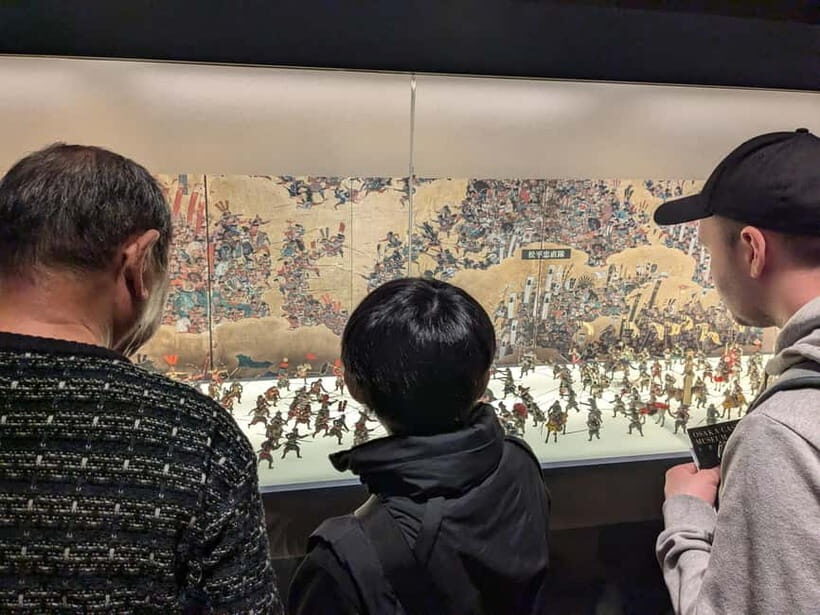
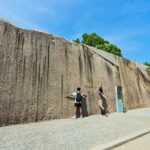
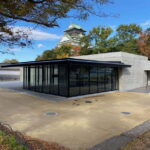
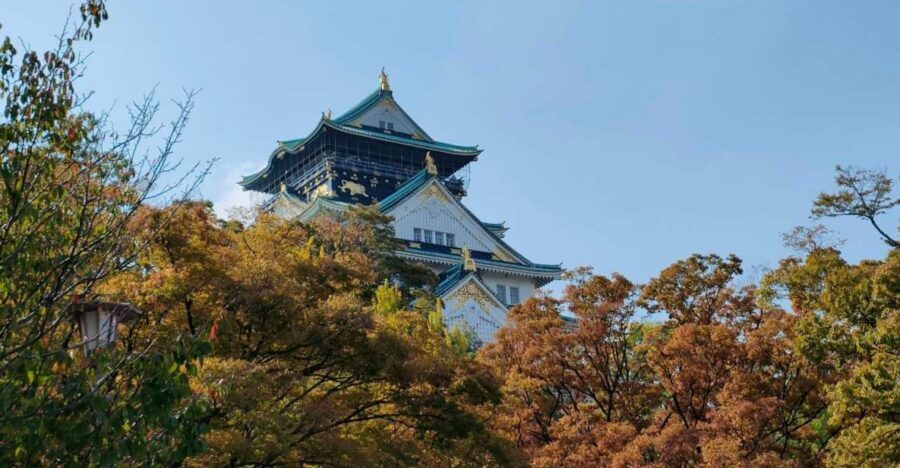
The tour opens at Osaka Castle. Even if you don’t go inside as part of a group tour, the grounds still give you the core point: this castle wasn’t just a pretty landmark. It played an important role in the unification of Japan during the samurai era in the 1500s.
What makes the castle stop valuable on a highlights tour is pacing. You get the big historical framing first, while your brain is still fresh and you can connect later neighborhoods to what Osaka became. It also sets tone: Osaka isn’t only neon and street snacks. It’s also authority, power, and shifting eras.
One small consideration: Osaka Castle entrance isn’t included on group tours. So if you were hoping to do full interior sightseeing on this same ticket, you’ll need to plan that separately.
Namba and Shinsaibashi-suji: shopping lanes built for centuries
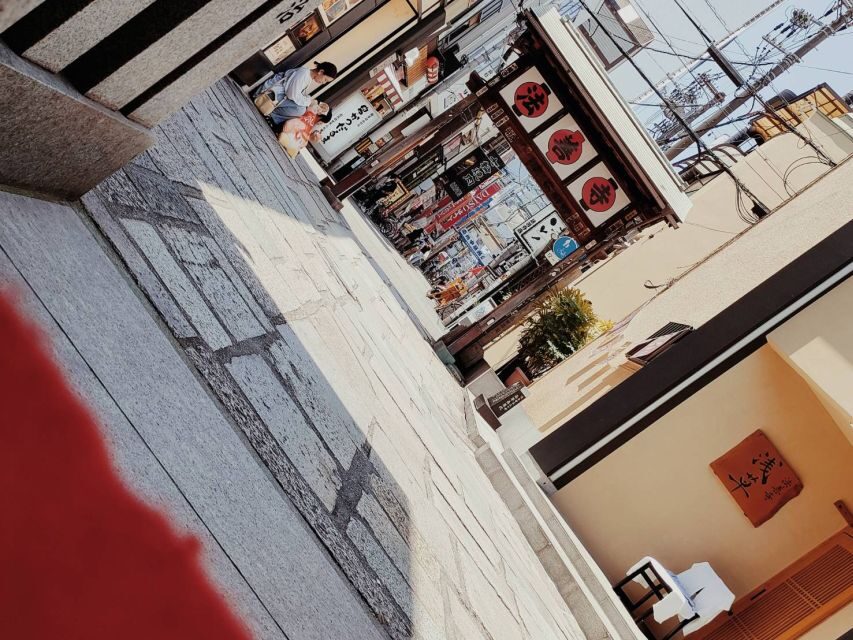
After the castle grounds, you take the metro/subway for about 15 minutes to the Namba area. This is where the city starts to feel like itself—loud, bright, and crowded in a good way.
A standout detail here is Shinsaibashi-suji, a covered shopping street. It’s described as Osaka’s key shopping area for 400 years, and you walk its length—about 600 meters of shops and foot traffic under one roof. That matters in winter and rain. You get the Osaka retail pulse without getting soaked.
Then you hit Namba itself, with time built in for a break and lunch. In practice, that’s one of the smartest parts of this tour. You can step back from the sidewalk flow, reset your energy, and still keep the day moving.
Ebisu Bridge and Dotonbori: where the neon does the talking

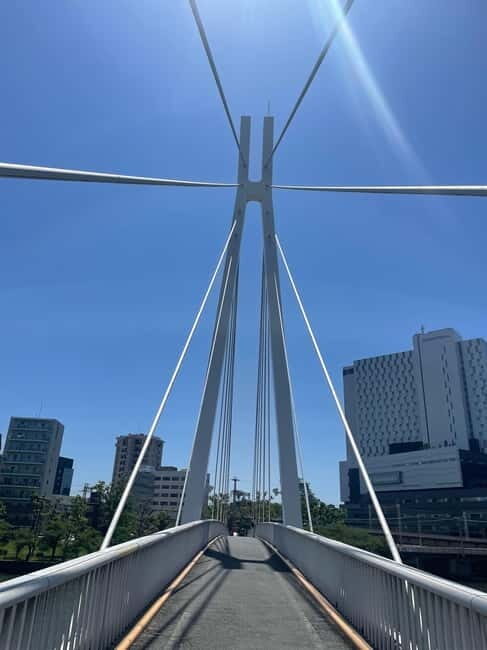
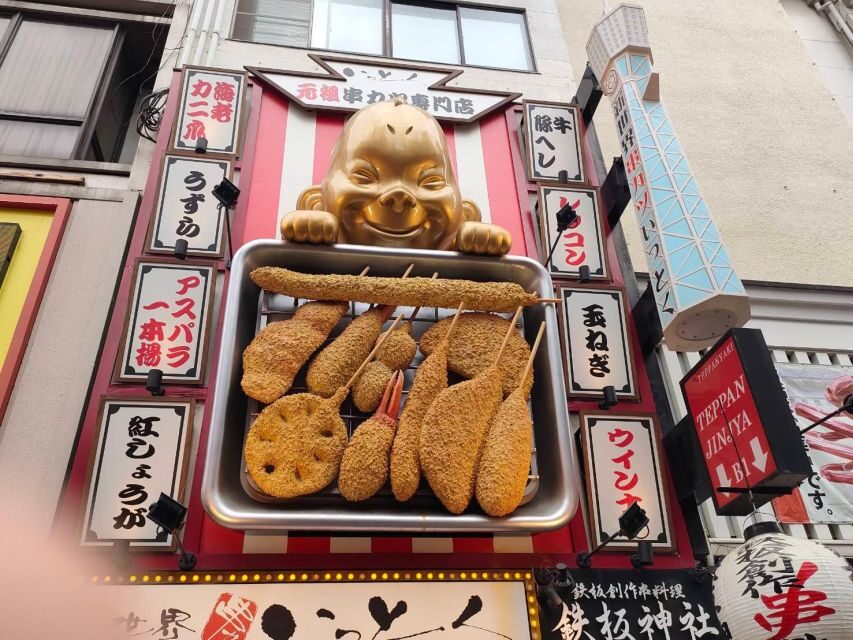
Ebisu Bridge is short on time but big on atmosphere. It’s known as a local meeting spot and it has a wooden origin from the 1600s. The bridge sits near the Glico Man sign, one of those Osaka landmarks people show up for in photos and then later realize it’s part of a much bigger street culture.
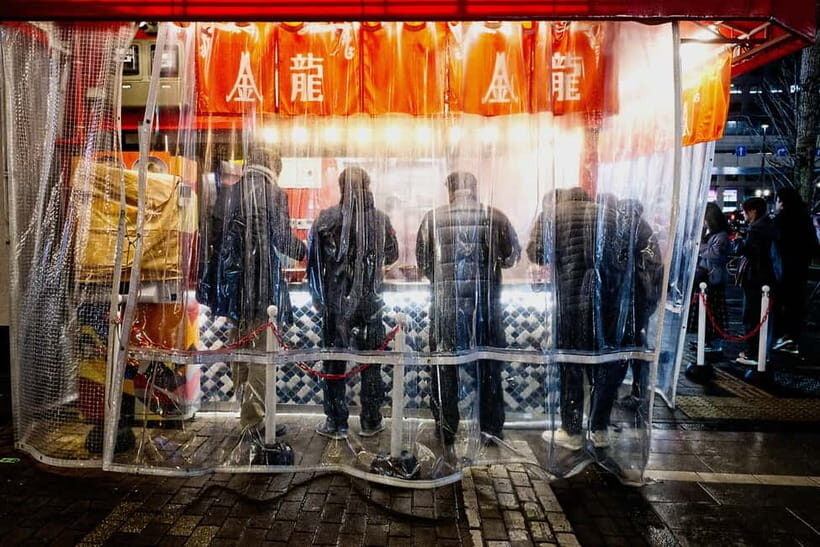
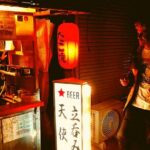
Then comes Dotonbori, the canal-side heart of Osaka’s nightlife. This is the district that makes first-timers understand why Osaka gets labeled food-and-fun. You’ll see neon everywhere—signs, stores, bars—and you’ll also get the sense of rhythm: the area is built for strolling, not just rushing.
You can expect the tour to point out the photo spots and the street-food culture without turning it into a lecture. One reason this stop works is contrast. You go from the covered shopping lanes into open energy at the canal. The city changes its “sound” in front of you.
You can also read our reviews of more guided tours in Osaka



Hozenji Yokocho: the quiet alley that shocks you in a good way
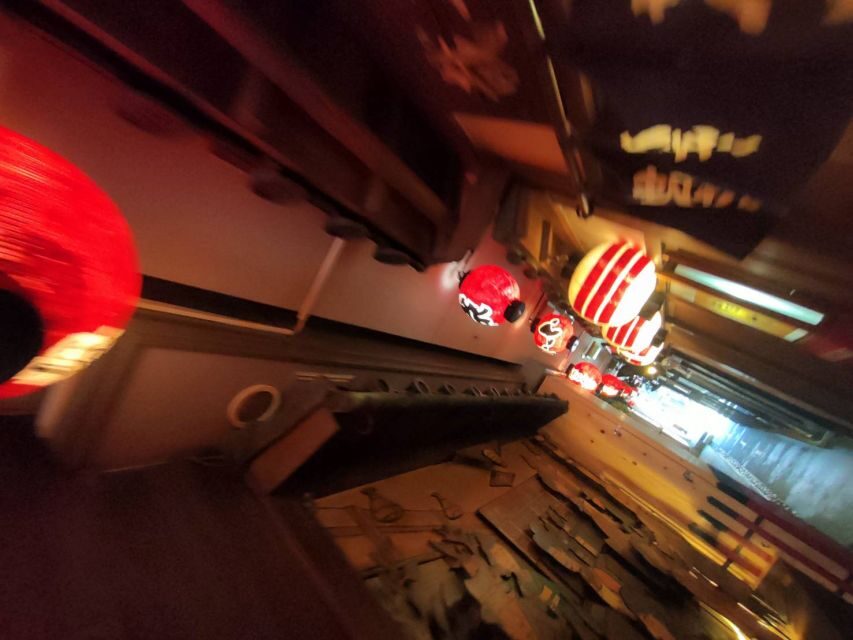
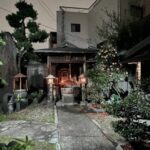
After Dotonbori, you step into Hozenji Yokocho, a narrow alley known for preserving a more traditional feel with lanterns and cobblestone-like paths. This is the kind of place where your senses slow down. The neon is still nearby, but the alley itself feels tucked away.
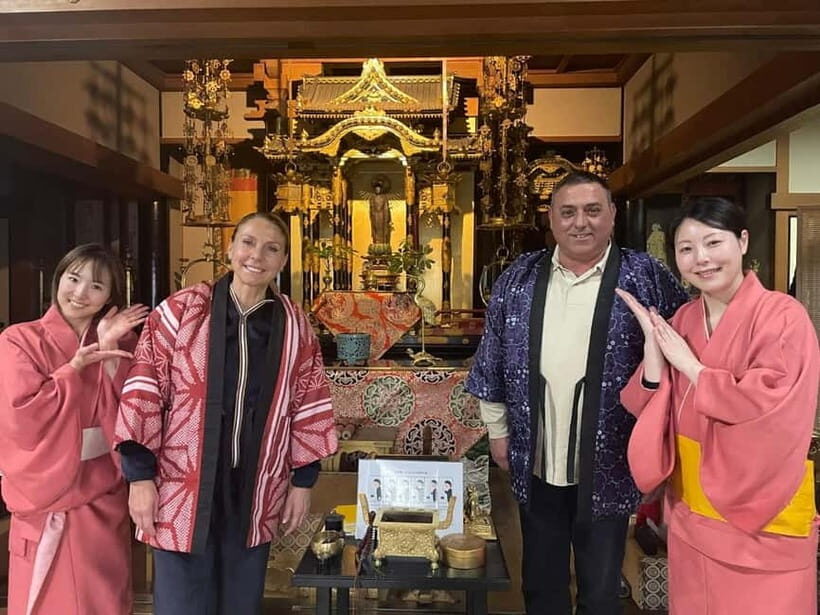
At the end of the alley, there’s a small Buddhist temple called Hozenji, built in the 17th century. It’s presented as a pocket of peace from the hustle right around it.
Why I think this is a smart tour choice: it gives your brain a breather. If you’re walking from market to market and street to street, you need one calm moment to make the rest of the day more enjoyable. Hozenji does that job.
Kuromon Ichiba Market: the Osaka Kitchen in real scale

Kuromon Ichiba Market is often described as the heart of Osaka’s Kitchen, and it has been around for over 200 years. On the ground, that length of time matters. This isn’t a modern food court. It’s a working market vibe.
You walk through for about 30 minutes with guidance. Expect to see seafood, meat, and produce, and it’s known for both raw selection and ready-to-eat preparations. If you like seeing ingredients before they become a dish, this stop is a win.
One detail that helps you enjoy Kuromon more: the guide typically steers you toward smart choices for what you want to eat and how to navigate the stalls. The tour is set up so you’re not just staring at glass cases. You get pointed toward where to go and what kinds of foods people actually build meals around here.
A small caution: this area can be intense—crowds and strong smells. Comfortable walking shoes and patience pay off.
Doguyasuji and the merchant past: cutlery, crockery, and the practical side of Osaka
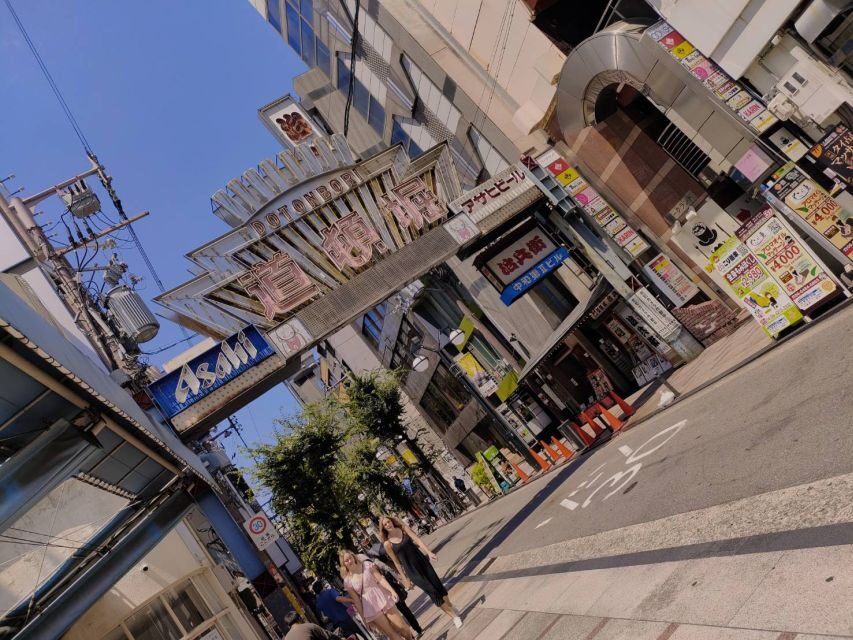
Near the markets, you pass through Doguyasuji, a street packed with wholesalers and specialist shops. This is where Osaka’s merchant identity shows up in a very literal way: the shops focus on items like cutlery and crockery.
This stop might not sound exciting on paper, but it’s one of the most meaningful connections between past and present. Osaka earned its reputation through trade and the people who supplied kitchens, households, and restaurants. Seeing those goods and shop types makes the city’s food culture feel less like a theme and more like a supply chain that shaped daily life.
Even if you don’t buy anything, it helps you understand why Osaka eats the way it does. When a city spends centuries perfecting commerce, its streets reflect that.
Shinsekai and Tsutenkaku: retro energy you can still feel
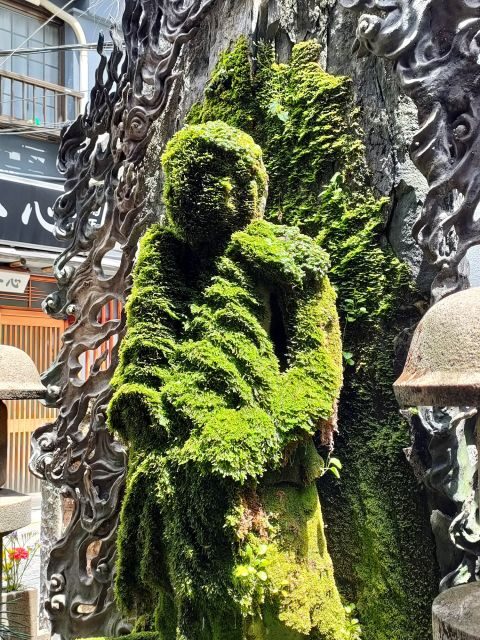
The final major neighborhood is Shinsekai. It’s described as developed before World War II, and its nostalgia is symbolized by Tsutenkaku Tower. This district is famous for retro charm and a neon pull that draws people in.
What I like about finishing here is emotional. The tour starts with history and ends with atmosphere. Shinsekai feels like stepping into a time-flavored postcard, but with real street life around it.
You walk through for about 20 minutes and finish near Dobutsuen-Mae Station. If you want to keep going after the tour, this ending point is useful because it’s tied to a transit hub. You can also return to Shinsekai later at night, when the vibe is at its strongest.
Food and pacing: when the tour is long enough to matter
The tour runs about 5–7 hours, mainly on foot, with two short train rides. That’s an important sweet spot. You’re seeing major neighborhoods, plus markets and quiet corners, without spending your whole day stuck in transit or standing in one place too long.
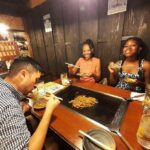
Also, lunch is included: Osaka-style street food with a drink at a local restaurant. In practice, it often lines up with classic Osaka bites like takoyaki and okonomiyaki, which show up naturally when the tour is centered on local street-food culture.
What makes this structure work is the built-in breaks. The itinerary includes time in Namba for lunch, and the castle and markets are spaced so you’re not only moving at peak intensity for hours.
If you’re heat-sensitive or just want to stay comfortable, guides often help the group find rest spots and keep hydration in mind. That kind of common-sense attention is part of what people consistently value.
Price and value: what $61 covers, and what to budget extra
At $61 per person, the best way to judge value is to look at what’s included versus what’s not.
Included:
- A local guide throughout
- Lunch with Osaka-style street food plus a drink
- Walking-focused sightseeing across core districts
- Helpful context—history, quirky facts, and city culture
Not included:
- Train fares (listed as ¥240 and ¥190)
- Tickets to any attractions
- Entrance into Osaka Castle on group tours
So you should plan a bit more on top for transit and any personal choices at food stops. Still, even with extra train costs, the lunch inclusion helps a lot. Food in Osaka isn’t automatically cheap, especially if you’re sampling multiple items. Getting one solid lunch built into the tour price makes this feel more like a day guided by convenience than a strict ticketed sightseeing deal.
Who should book this Osaka Highlights Walk
Book this tour if:
- You want Osaka’s top neighborhoods in one efficient plan
- You care about history and street culture, not just selfies
- You like food markets and street snacks enough to walk for them
- You’d rather be guided through crowded zones than fight your way alone
Skip or think twice if:
- You have mobility impairments (it is not suitable)
- You’re pregnant (listed as not suitable)
- You hate walking long stretches or can’t handle rain (the tour runs rain or shine)
- You need a low-stress day with minimal public transit
Straight answer: should you book this tour?
If your goal is a smart, memorable Osaka sampler—castle grounds, shopping streets, neon Dotonbori, calm Hozenji alley, Kuromon market energy, and Shinsekai retro vibes—this is a strong booking. The guide-led flow makes the city easier to read, and the lunch inclusion keeps it practical.
The biggest reason not to book is simple: it’s a walking tour. If you’re comfortable on your feet and you want a curated path through Osaka’s best-known districts with food along the way, you’ll likely come away feeling like you got the point of the city.
FAQ
How long is the Osaka Half-day Ultimate Highlights Guided Walking Tour?
The duration is listed as 5–7 hours.
Where do I meet the guide?
Meet at JR Osakajokoen Station (JR Osaka Loop Line), in front of the 7-11 kiosk inside the station building (just outside the ticket gates). Arrive 15 minutes early.
Is lunch included?
Yes. The tour includes complimentary lunch featuring Osaka-style street food with a drink at a local restaurant.
Are train fares included?
No. Train fares are not included (¥240 and ¥190 are listed).
Do I get into Osaka Castle during the tour?
Entrance into Osaka Castle is not included on group tours, though you do explore the castle grounds with the guide.
Is hotel pickup available?
Hotel pickup is offered for private tours only. Group tours meet at the station meeting point.
What should I bring?
You should bring comfortable shoes. The tour is mainly on foot.
Does the tour run in bad weather?
Yes. The tour takes place rain or shine.
Experience provider
Hungry Osaka Tours